1964 Ford Galaxie 500 Price Guide: Why Values Vary So Dramatically
The 1964 Ford Galaxie 500 is gaining attention from buyers who want classic American styling without immediately entering the highest-priced muscle-car market. Its long body, formal roofline, spacious cabin, and available V8 engines make it both a comfortable cruiser and an important piece of Ford performance history.
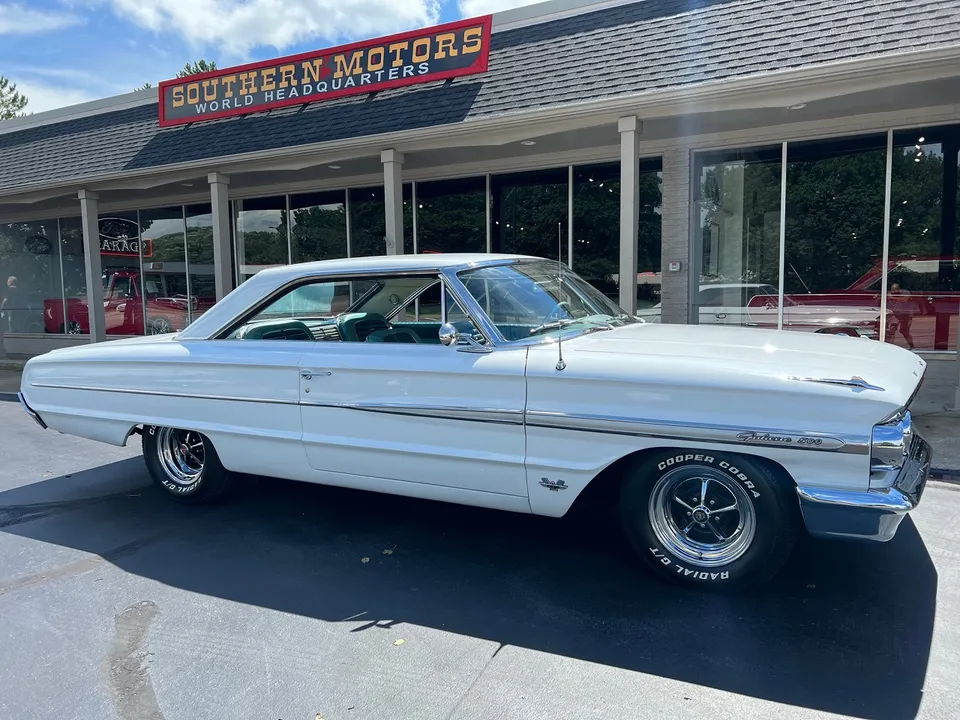
How Much Is a 1964 Ford Galaxie 500 Worth?
A typical 1964 Ford Galaxie 500 in good condition with an average specification is valued at approximately $26,000, according to Hagerty’s current valuation overview.
Recent recorded sales also demonstrate the wide range within the market: one example sold for about $14,700 in May 2026, while another changed hands for approximately $25,988 in June 2026.
As a practical buying guide, incomplete projects may appear below $15,000, but substantial rust, missing trim, and drivetrain work can make them expensive to finish.
Presentable driver-quality cars often fall around $20,000 to $35,000, while attractive restorations, convertibles, and desirable 500XL versions can reach $40,000 to $70,000 or more. These are broad market ranges rather than guaranteed selling prices.
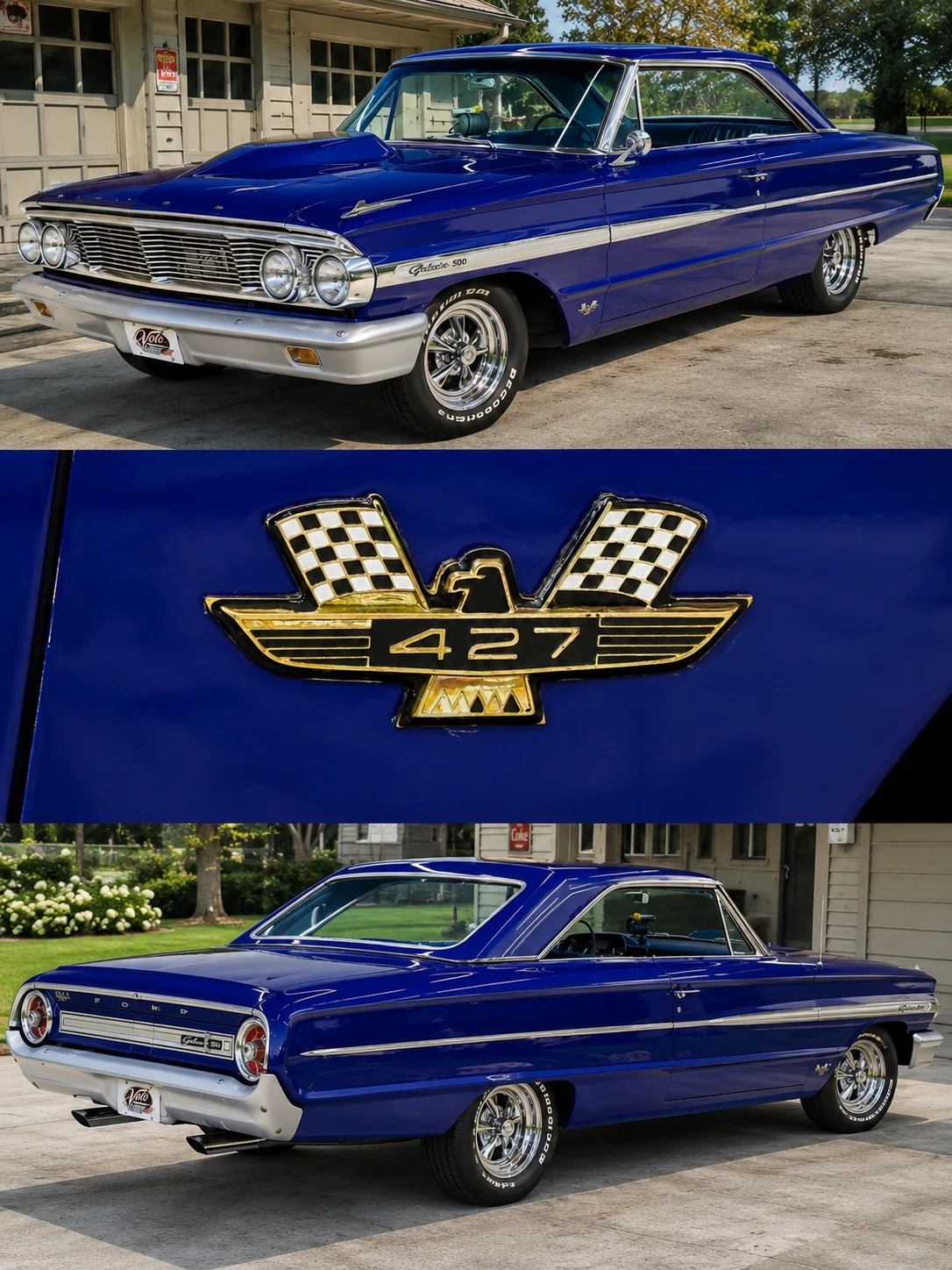
The 427 Changes the Entire Conversation
The engine is one of the strongest value drivers. Most Galaxies were built as comfortable full-size cars, but Ford also offered serious performance configurations. Genuine factory 427 cars belong to a much more exclusive category than ordinary 289, 352, or 390-powered examples.
J.D. Power lists a 1964 Galaxie 500 two-door sedan with the 427/425-horsepower specification at roughly $67,700 in low-retail condition, $132,500 at average retail, and considerably higher for top examples. This enormous premium shows why buyers must verify whether a claimed 427 car is authentic rather than a later engine swap.
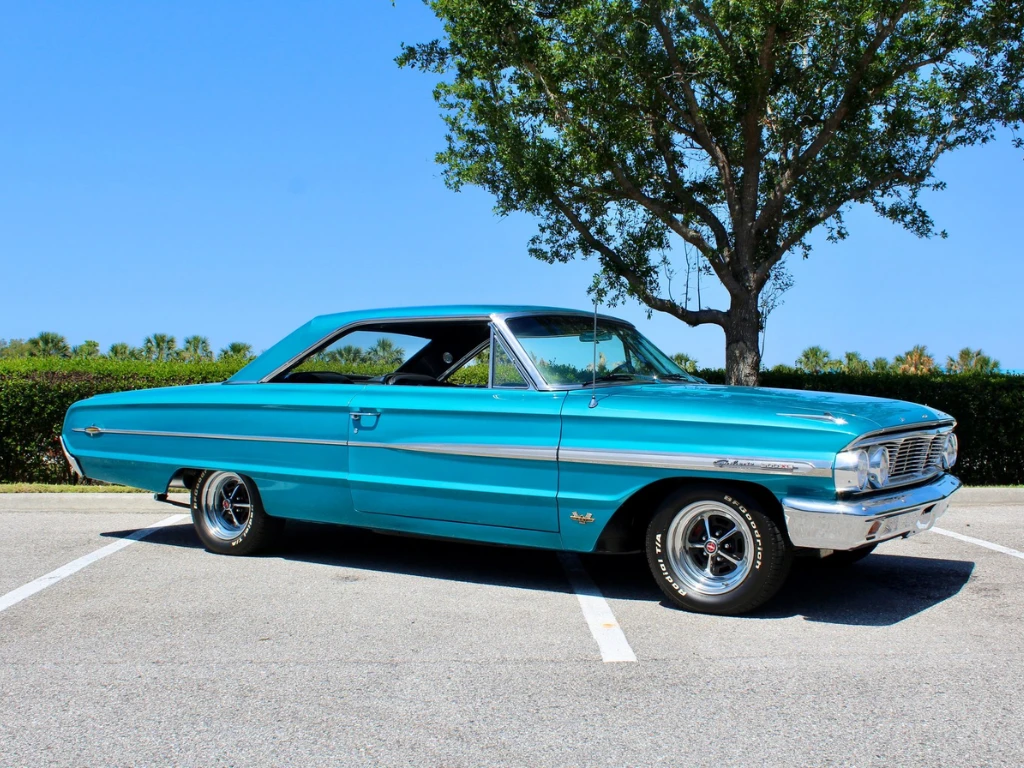
Why One Galaxie Sold for $410,000
The most dramatic example of the model’s potential is a 1964 Ford Galaxie 500 that reportedly sold for $410,000 in December 2024. That figure should not be treated as the normal value of every Galaxie. It represents the exceptional end of the market, where rarity, competition history, specifications, provenance, and presentation can create extraordinary prices.
This distinction is essential. Installing a 427 engine in a standard Galaxie does not automatically create the value of an original high-performance car. Collectors examine identification codes, casting dates, transmission details, documentation, and ownership history before paying a premium.
Condition Can Matter More Than Shiny Paint
Rust can quickly erase the apparent savings of a cheap 1964 Ford Galaxie 500. Buyers should inspect the frame, floor pans, trunk, rocker panels, lower quarter panels, body mounts, and areas around the windshield and rear glass.
Original trim is also important. Large exterior moldings, interior pieces, and model-specific hardware may be expensive to restore or replace. A cosmetically attractive car with structural corrosion or missing components can ultimately cost more than a properly restored example.
In conclusion, the 1964 Ford Galaxie 500 can range from an attainable weekend cruiser to an elite six-figure collectible. An average good-condition car may be worth around the mid-$20,000s, while convertibles, 500XL models, documented high-performance cars, and exceptional restorations can command far more.
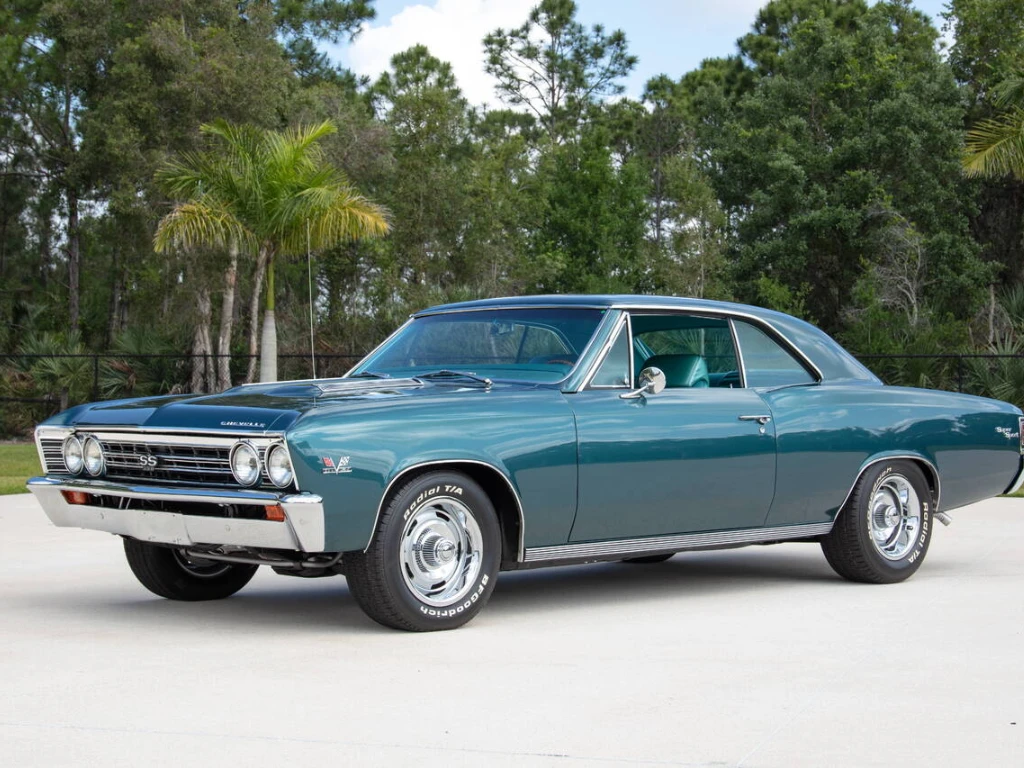
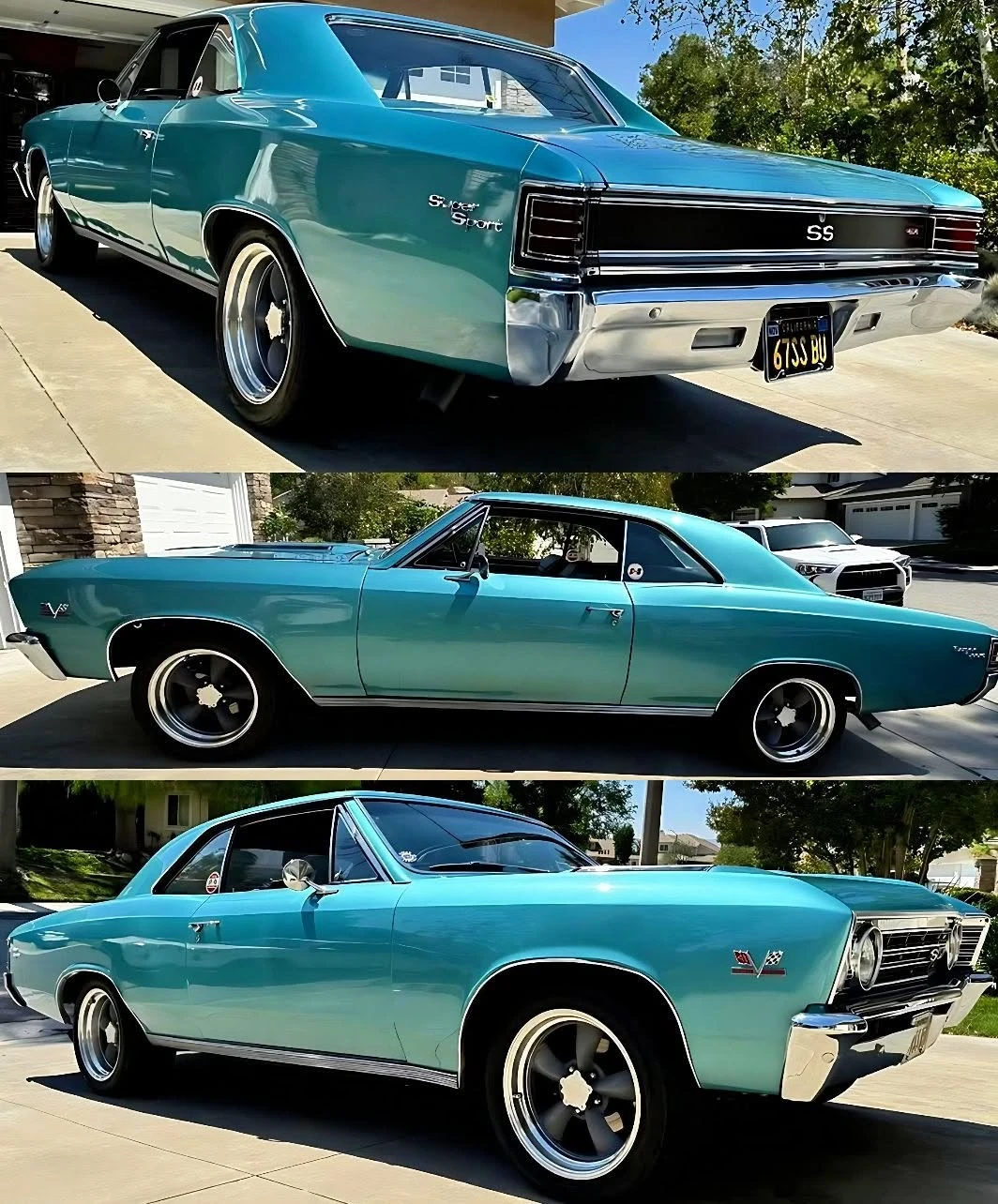
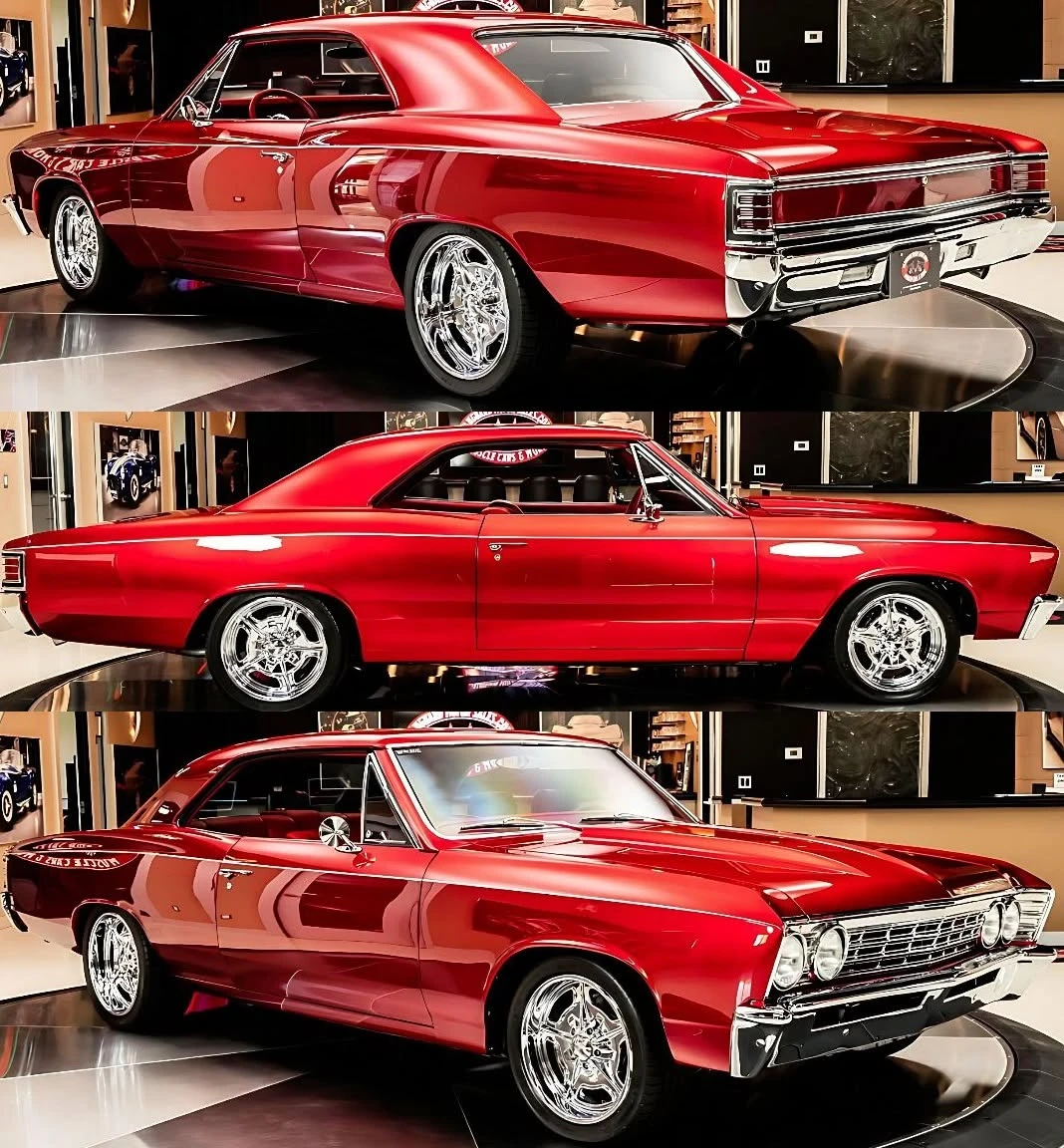
What Most People Miss About The 1967 Chevrolet Chevelle
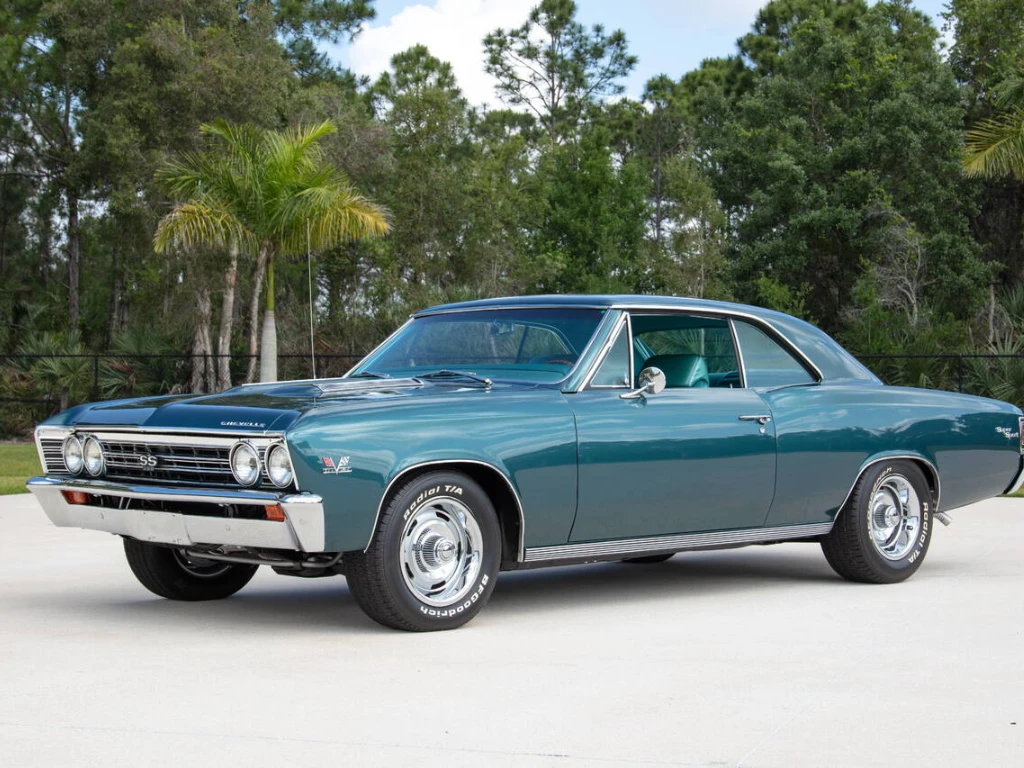
What Most People Miss About The 1967 Chevrolet Chevelle
The 1967 Chevrolet Chevelle is often remembered simply as another great American muscle car. But its real appeal goes beyond horsepower and aggressive styling. Several details surrounding its design, performance, and place in Chevrolet's history are easy to overlook.
Comments 0