When relationships struggle, people often search for certainty. Is this just a rough patch—or is it the end?
According to a couples therapist featured in Newsweek, there is one powerful, often-overlooked sign that a relationship may truly be over. It’s not cheating. It’s not arguing. And it’s not even a lack of love.
It’s emotional disengagement.
This article expands on that insight with added context, expert-backed explanation, and practical guidance to help you understand what emotional disengagement looks like, why it matters more than conflict, and what—if anything—you can do about it.
The Misconception: Arguments Mean a Relationship Is Failing

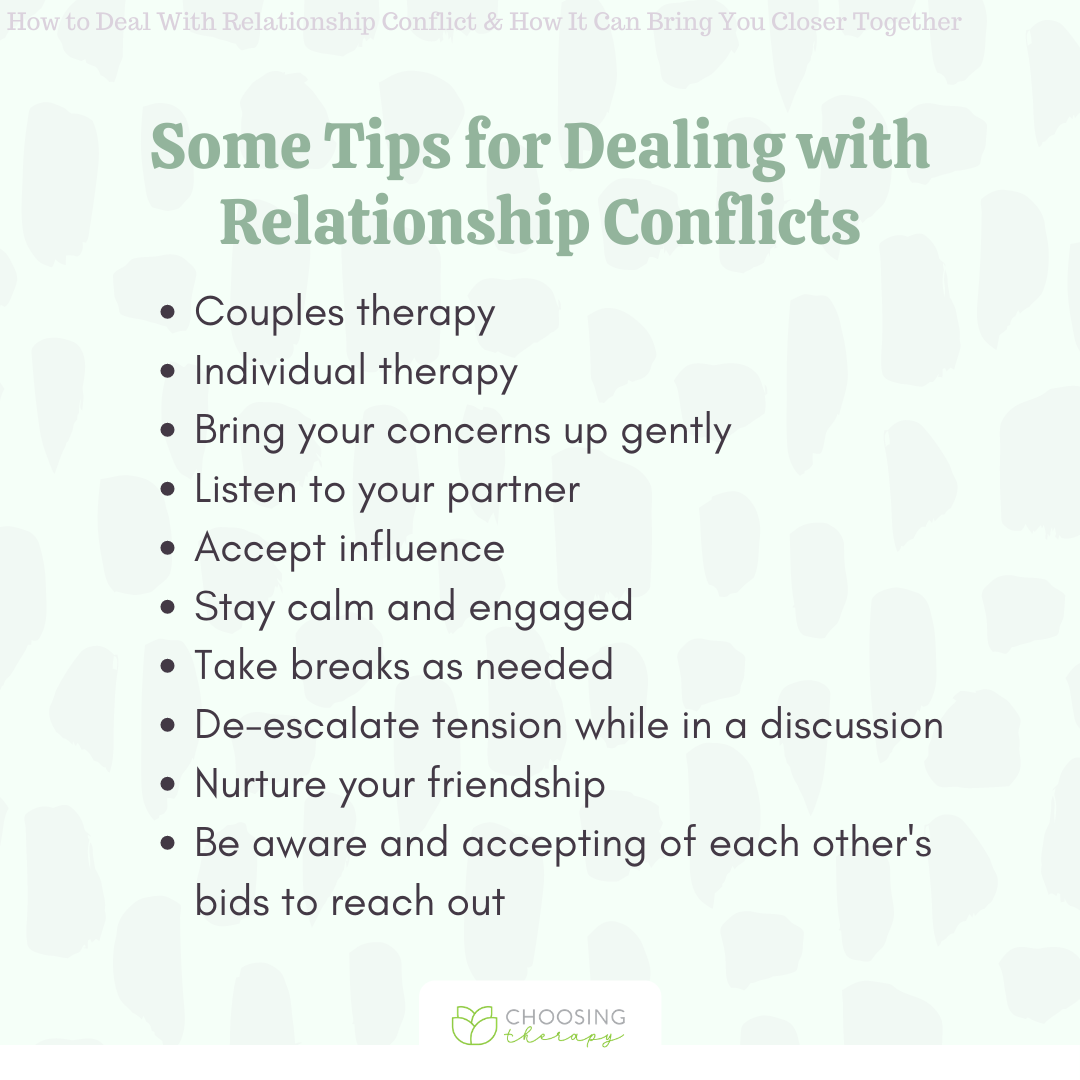


Many people assume that frequent arguments signal the end of a relationship. In reality, therapists often see the opposite.
Arguments usually mean:
-
Both partners still care
-
There is emotional investment
-
Needs and expectations are being expressed
Conflict, when handled respectfully, can actually strengthen a relationship.
What therapists worry about far more is silence.
The Real Red Flag: Emotional Disengagement




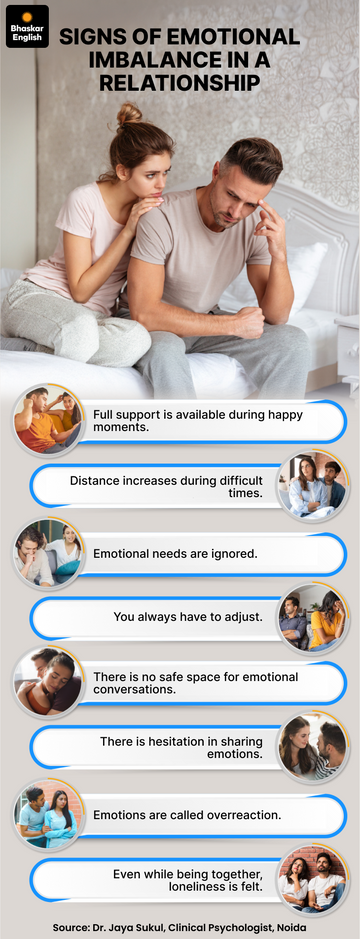
The clearest sign a relationship is over, according to couples therapists, is when one or both partners emotionally check out.
Emotional disengagement looks like:
-
Indifference instead of anger
-
No desire to resolve problems
-
Minimal emotional reaction to conflict
-
Lack of curiosity about your partner’s inner world
At this stage, people aren’t fighting because they’ve stopped caring enough to fight.
Why Emotional Disengagement Is So Powerful

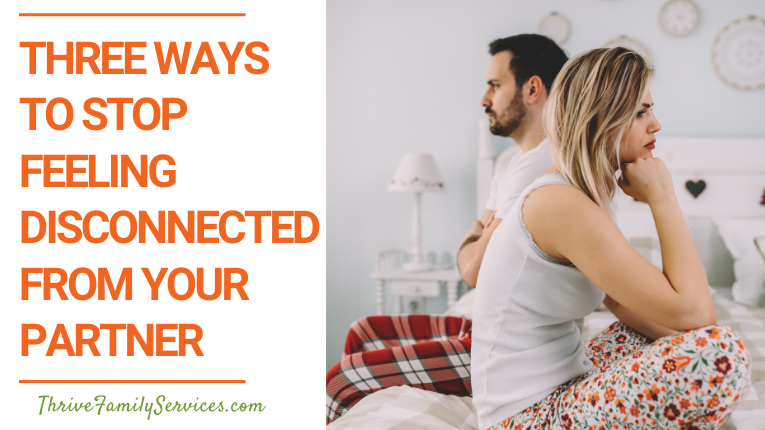


Love doesn’t end loudly—it often fades quietly.
From a therapeutic perspective, emotional disengagement signals:
-
Loss of emotional investment
-
Erosion of trust or hope
-
Emotional self-protection after repeated hurt
Once a partner believes “nothing will change,” disengagement becomes a coping mechanism.
Disengagement vs. Temporary Burnout: How to Tell the Difference


Not all emotional distance means the end.
Temporary Burnout Often Includes:
-
External stress (work, health, finances)
-
Willingness to reconnect later
-
Openness to therapy or conversation
True Emotional Disengagement Includes:
-
Apathy toward outcomes
-
Resistance to discussion or counseling
-
Emotional shutdown even during serious conversations
The key difference is hope.
The Therapist’s Rule of Thumb


Therapists often ask one revealing question:
“If things stayed exactly as they are for the next five years, how would you feel?”
If the honest answer is relief, not sadness or motivation to change, disengagement may already be in place.
Why People Stay Even After Disengaging
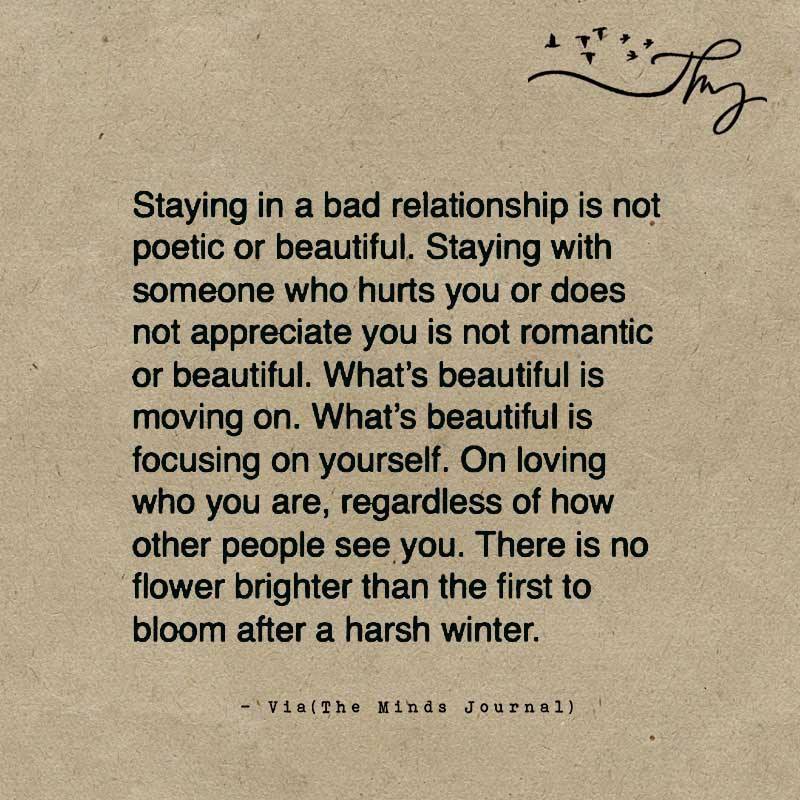


Many relationships continue long after emotional disengagement begins.
Common reasons include:
-
Fear of loneliness
-
Financial or family ties
-
Habit and familiarity
-
Hope that feelings will magically return
Staying doesn’t mean the relationship is alive—it may just mean it hasn’t officially ended.
What Emotional Disengagement Looks Like in Daily Life


Small moments often reveal the truth:
-
Conversations stay logistical
-
Physical intimacy fades without discussion
-
Achievements or struggles go unshared
-
Humor and playfulness disappear
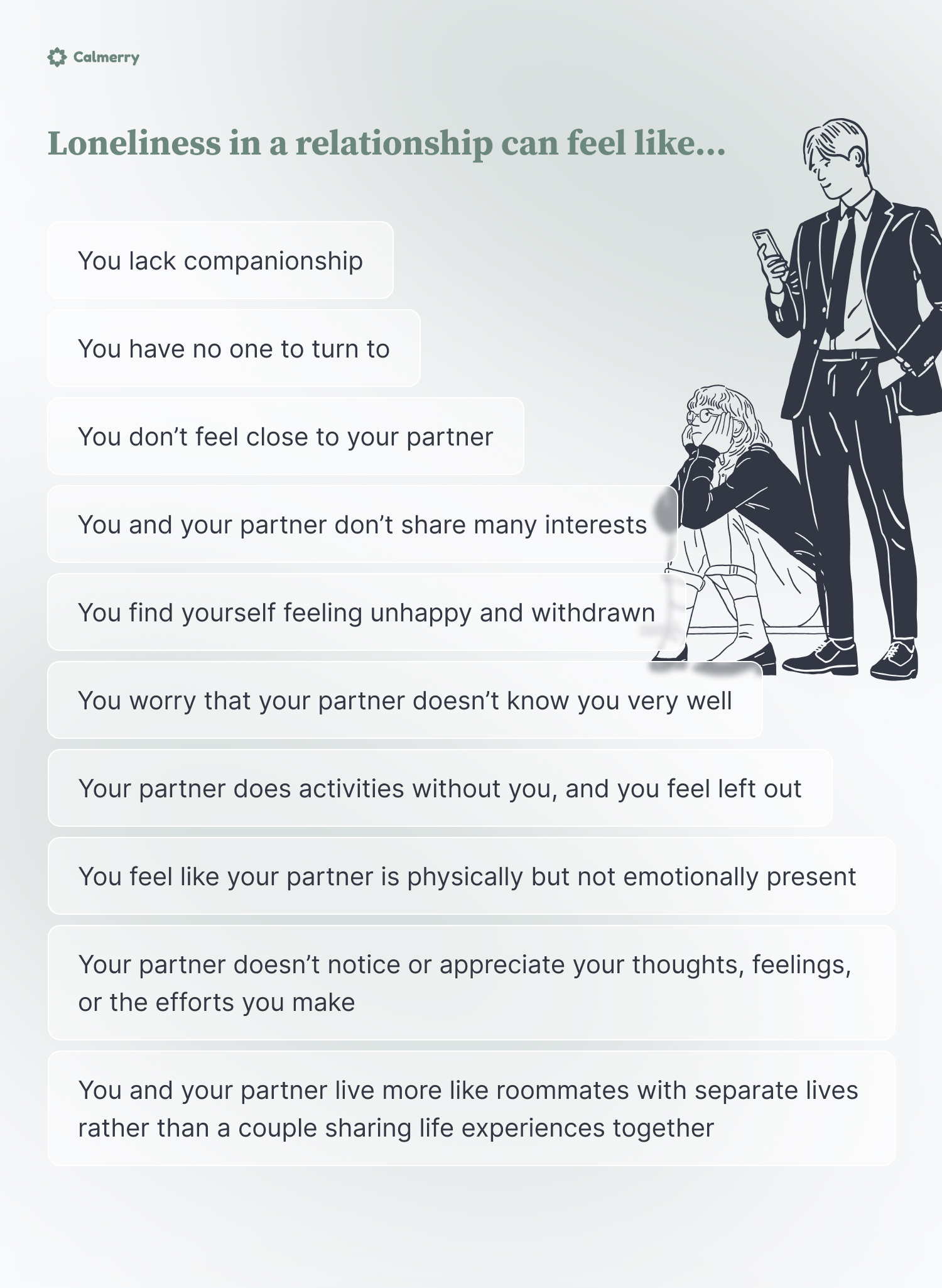
Partners begin living parallel lives, not a shared one.
Can a Relationship Recover From Disengagement?


Sometimes—but only under specific conditions.
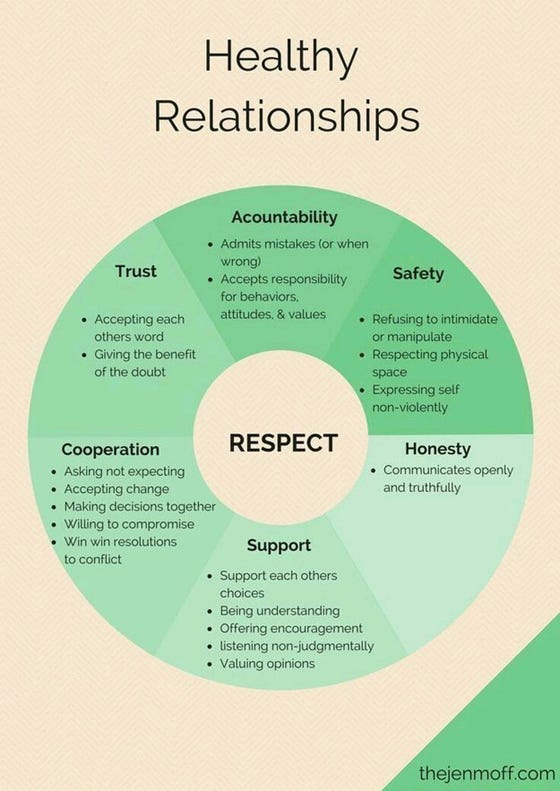
Recovery is possible if:
-
Disengagement is recent
-
Both partners want to reconnect
-
Accountability replaces blame
-
Professional support is welcomed
If one partner has fully shut down emotionally, therapy may clarify closure rather than repair.
Why Trying Harder Doesn’t Always Help
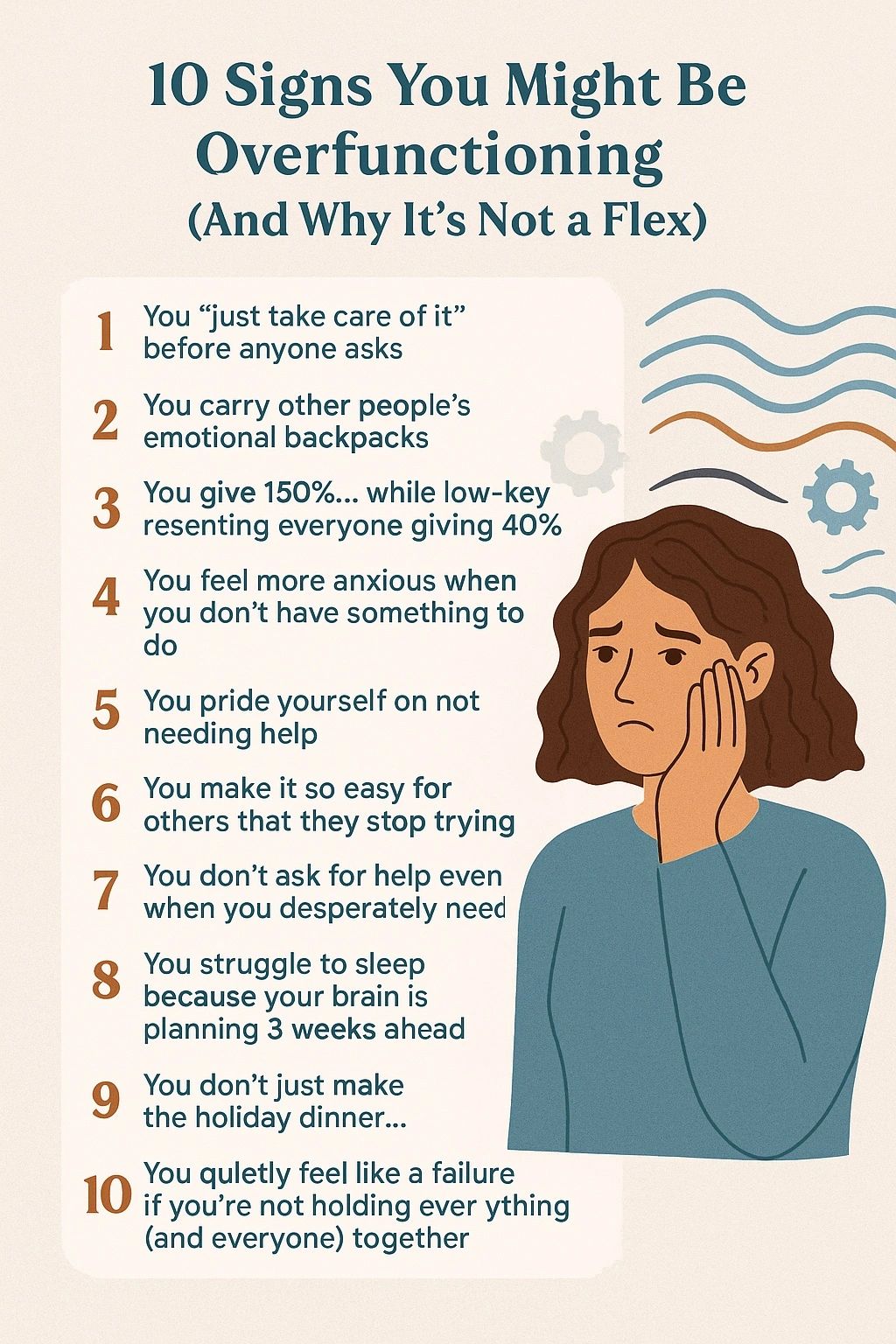


A common mistake is responding to disengagement by:
-
Over-giving
-
Pleading
-
Ignoring your own needs
This often deepens imbalance and accelerates emotional withdrawal. Healthy reconnection requires mutual effort, not pursuit.
The Difference Between Love and Attachment
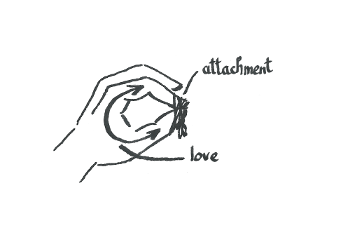
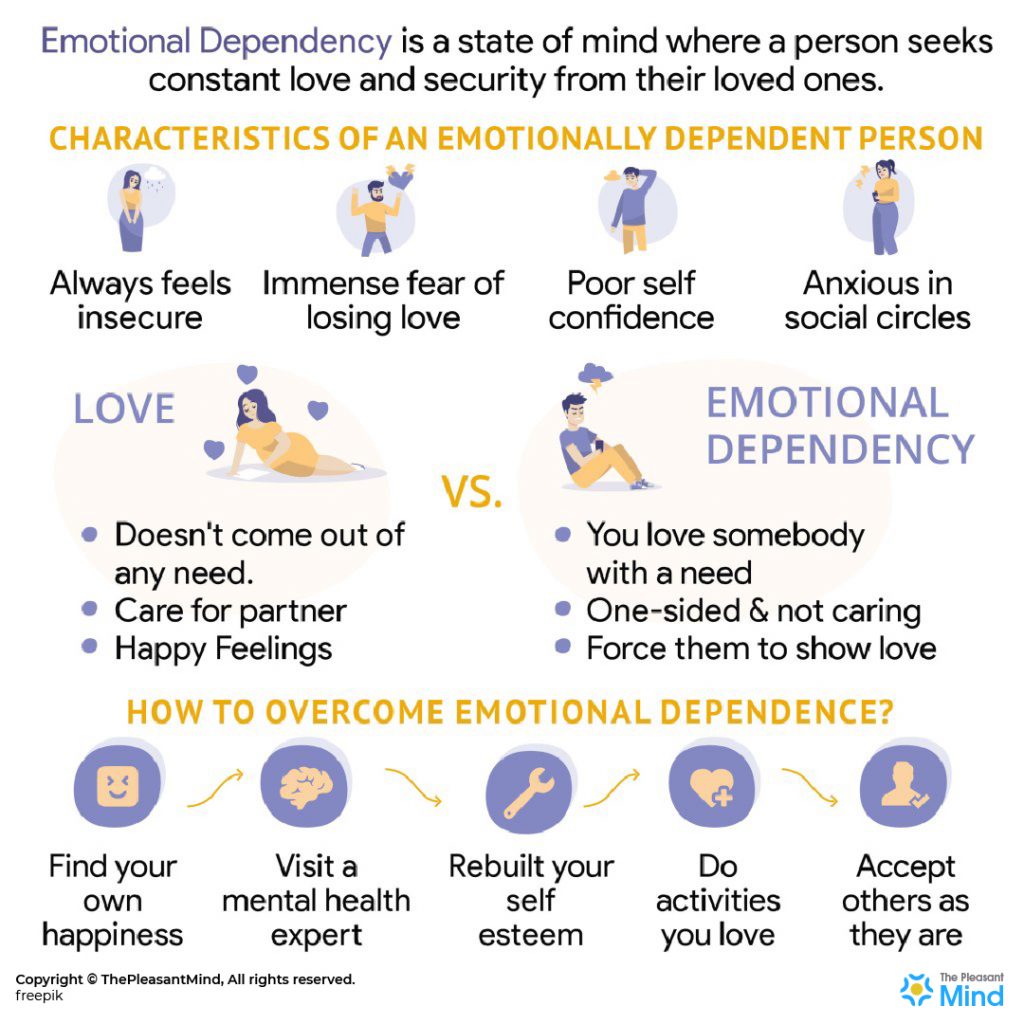


Disengagement can feel confusing because attachment often remains even after love fades.
Attachment says:
-
“I’m used to you.”
-
“You feel safe.”
Love says:
-
“I want to know you.”
-
“I care how you feel.”
Therapists note that many couples confuse attachment for connection.
Questions to Ask Yourself Honestly
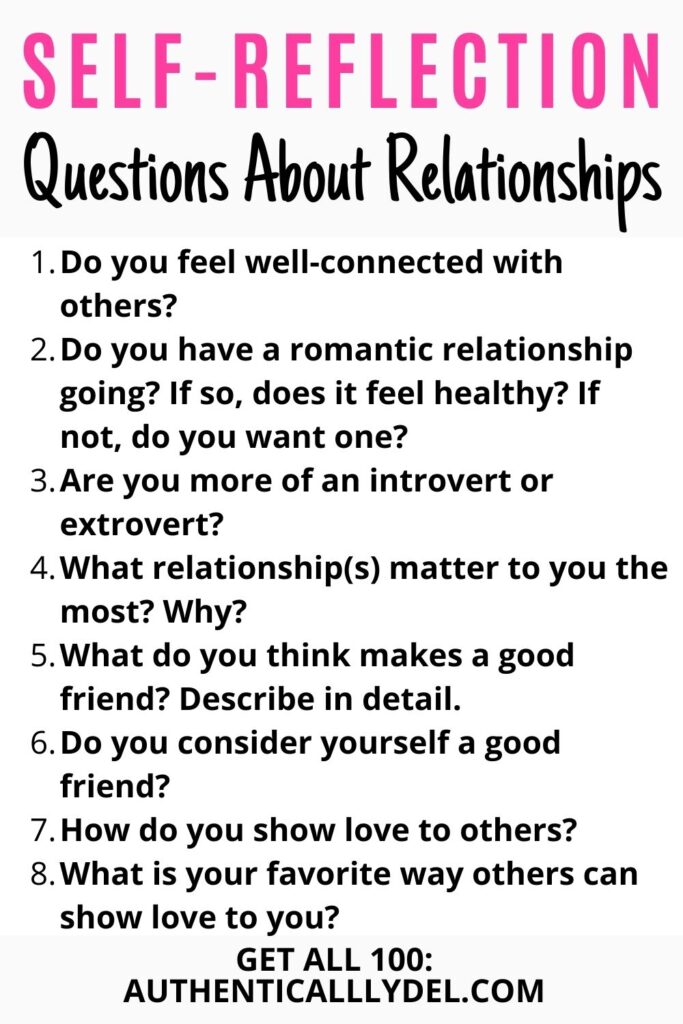


If you’re unsure where your relationship stands, ask:
-
Do I feel emotionally seen?
-
Do I want to repair—or just escape conflict?
-
Am I afraid of leaving, or sad about losing this person?
-
If nothing changed, would I stay?
Honest answers often bring clarity.
Why Ending a Disengaged Relationship Can Be Healthy


Ending a relationship doesn’t always mean failure.
Therapists emphasize that:
-
Staying emotionally disconnected can be more damaging
-
Prolonged disengagement erodes self-worth
-
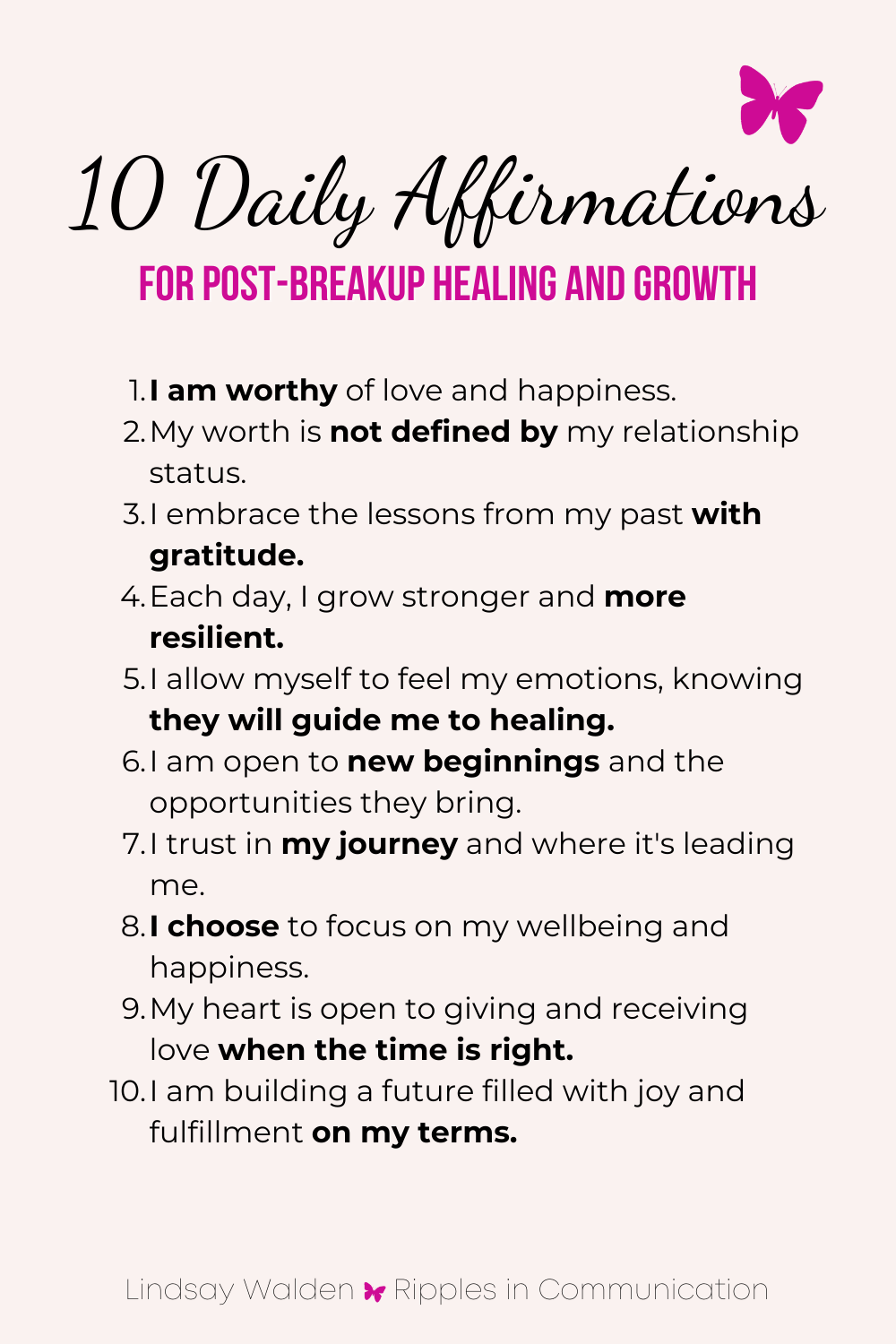
Closure allows healing and growth
Sometimes, the healthiest choice is letting go with compassion.
What to Do If You Recognize This Sign

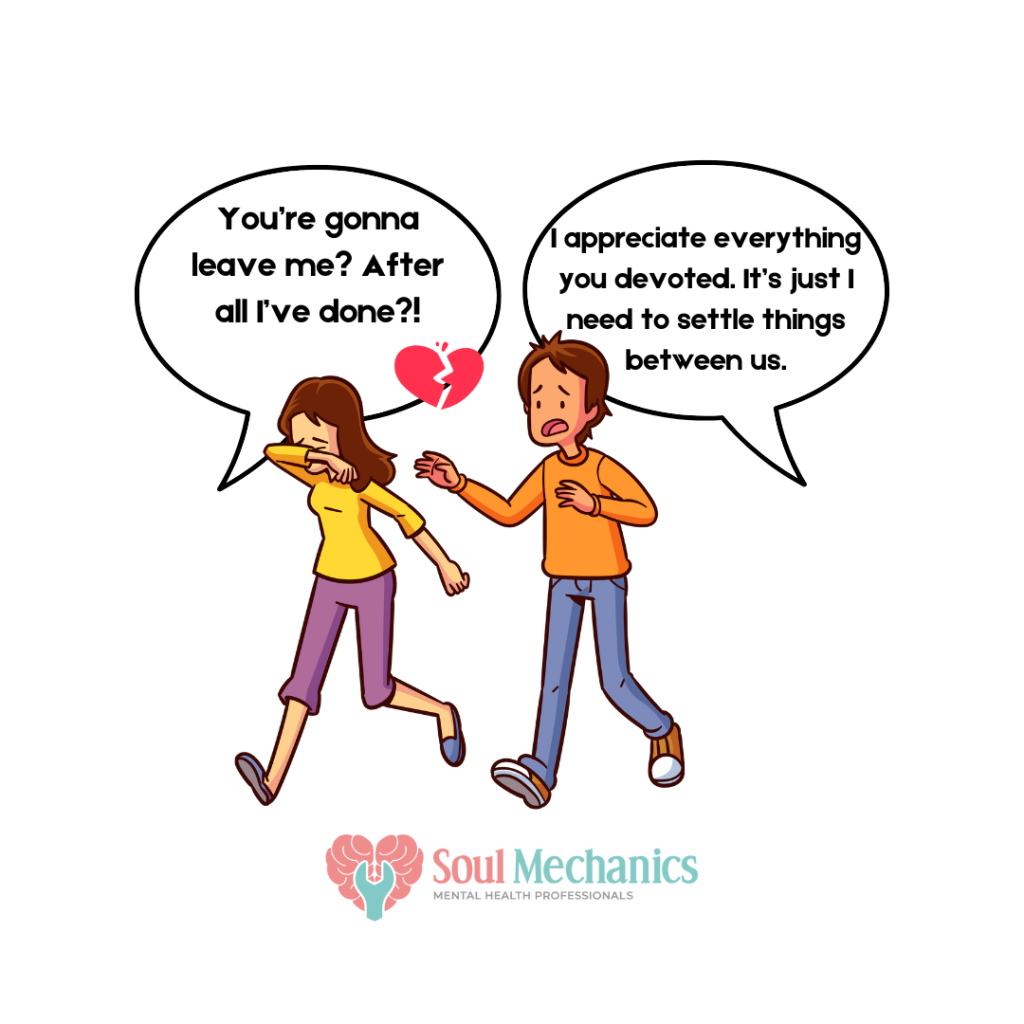
If emotional disengagement resonates, consider these steps:
-
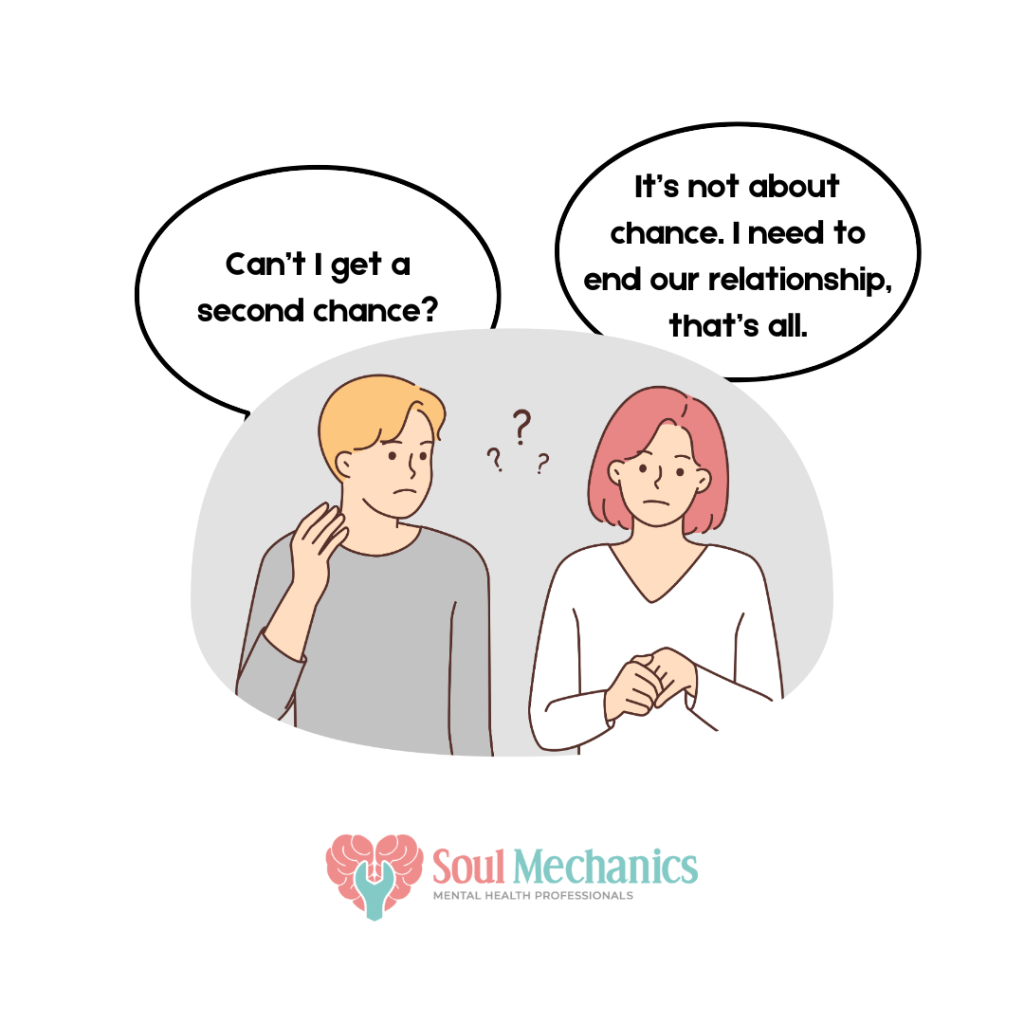
Name what you’re experiencing—without accusation
-
Invite an honest conversation, not a debate
-
Seek professional guidance if both are open
-
Prioritize clarity over comfort
Avoid waiting for a dramatic breaking point. Quiet endings deserve honesty too.
Final Takeaway
The end of a relationship rarely arrives with a single explosive moment. More often, it arrives quietly—when emotional connection gives way to indifference.
According to couples therapists, emotional disengagement—not conflict—is the clearest sign a relationship may be over.
Recognizing it early doesn’t mean you’ve failed. It means you’re paying attention.
And sometimes, paying attention is the most loving act of all.
The Surprising Way People in Your Life Could Be Making You Age Faster, According to Science

The Surprising Way People in Your Life Could Be Making You Age Faster, According to Science
Most people know that poor diet, lack of sleep, and chronic stress can accelerate aging. But emerging research suggests another surprising factor may be quietly influencing how quickly your body ages: the difficult people in your life.




Comments 0