In an era when political rivalries are often defined by sharp words, escalating tension, and carefully rehearsed sound bites, a Canadian minister’s unexpected response has captured widespread attention—both at home and internationally. What began as a heated rivalry quickly transformed into a viral moment that resonated far beyond Parliament Hill, prompting debate about leadership, civility, and the evolving expectations of public officials.
The moment, reported by Newsweek, struck a chord precisely because it broke from the norm. Instead of fueling the confrontation, the minister’s reply disarmed critics and reframed the conversation—earning praise, skepticism, and millions of views across social platforms.

The Rivalry That Set the Stage
Political rivalries are nothing new in Canada, a country known for its generally measured political culture but no stranger to sharp partisan divides. In this case, the rivalry had been building for months, fueled by:
-
Competing policy visions
-
Public disagreements in Parliament
-
Escalating rhetoric in media appearances
Observers expected yet another tense exchange—one that would reinforce existing divisions. Instead, what unfolded caught almost everyone off guard.
The Moment That Changed the Narrative
When confronted with criticism during a particularly heated exchange, the Canadian minister responded not with defensiveness or counterattacks, but with a calm, reflective, and unexpectedly human reply.
Rather than escalating the situation, the minister:
-
Acknowledged the criticism
-
Shifted focus toward shared goals
-
Used measured language instead of sharp rhetoric
This response immediately stood out in a political environment often driven by confrontation.

Why the Response Went Viral
The clip spread rapidly across social media platforms, accumulating millions of views in a matter of hours. Several factors contributed to its virality:
1. Contrast With Expectations
Audiences expected confrontation. What they got was restraint.
2. Authenticity
The response felt unscripted—less like political theater and more like a genuine moment.
3. Broader Fatigue With Political Hostility
Many viewers expressed exhaustion with constant outrage, making the minister’s tone feel refreshing.
Public Reaction: Praise, Debate, and Skepticism
As the clip circulated, reactions poured in from across the political spectrum.
Supporters praised the minister for:
-
Demonstrating emotional intelligence
-
De-escalating a tense situation
-
Modeling a different kind of leadership
Critics, however, questioned whether the response was:
-
Strategically calculated
-
An attempt to avoid accountability
-
Too passive in the face of strong opposition
This mix of reactions only fueled further discussion.

A Shift in Political Communication?
The incident has reignited a broader conversation: Are voters craving a different style of political leadership?
For years, political success has often been associated with:
-
Sharp sound bites
-
Dominant performances in debates
-
Clear winners and losers
Yet moments like this suggest there may be growing appetite for leaders who prioritize composure over combativeness.
Experts Weigh In on the Impact
Political analysts note that the minister’s response aligns with a wider global trend toward values-based communication.
According to experts, such moments can:
-
Humanize public officials
-
Reduce polarization, at least temporarily
-
Strengthen trust among undecided voters
However, analysts also caution that one viral moment rarely reshapes long-term political dynamics on its own.
The Role of Media in Amplifying the Moment
Traditional and digital media played a critical role in shaping how the response was perceived.
Key elements included:
-
Short, shareable video clips
-
Headlines emphasizing the “unexpected” nature of the reply
-
Commentary framing the response as a lesson in leadership
The media framing helped transform a routine political exchange into a cultural talking point.
Comparisons to Past Political Moments
The incident has drawn comparisons to other notable moments in Canadian political history where tone mattered as much as policy.
These include:
-
Apologies that shifted public opinion
-
Calm responses during national crises
-
Moments of humility that resonated with voters
In each case, restraint proved more powerful than rhetoric.
Does Civility Still Win in Politics?
One of the most debated questions emerging from this moment is whether civility is an electoral strength or a liability.
Supporters argue that:
-
Civility builds long-term credibility
-
It appeals to moderate and undecided voters
-
It reduces political burnout
Skeptics counter that:
-
Aggressive messaging often dominates headlines
-
Calm responses can be perceived as weakness
-
Political opponents may exploit restraint
The truth likely lies somewhere in between.
The Minister’s Broader Political Strategy
While the response felt spontaneous, observers are now scrutinizing the minister’s broader political approach.
Patterns suggest a strategy focused on:
-
Long-term reputation rather than short-term wins
-
Appealing to a broad, centrist audience
-
Maintaining consistency in tone and messaging
If intentional, the viral moment may be part of a larger effort to redefine political engagement.
What This Means for Canadian Politics
Canada’s political culture has often been described as more restrained than that of some other democracies. This moment reinforces that perception—while also challenging assumptions about what captures public attention.
It suggests that:
-
Calm leadership can still command attention
-
Viral moments don’t have to be explosive to be effective
-
Tone may matter as much as substance
Lessons for Politicians Everywhere
Beyond Canada, the incident offers lessons for leaders worldwide.
Key takeaways include:
-
Not every confrontation requires escalation
-
Authenticity can outperform aggression
-
Voters notice how leaders behave under pressure
In a media landscape driven by immediacy, moments of composure can stand out precisely because they are rare.
Will the Momentum Last?
As with most viral moments, the question remains: Will this have lasting impact?
History suggests that:
-
Viral attention fades quickly
-
Long-term influence depends on follow-up actions
-
Consistency matters more than a single exchange
If the minister continues to embody the same tone, the moment may become a defining feature of their public image.
Final Thoughts: A Small Moment With Big Implications
The Canadian minister’s unexpected response during a heated rivalry may have lasted only seconds—but its ripple effects continue to unfold.
In a time when political discourse often feels exhausting and polarized, the moment served as a reminder that how leaders respond can matter as much as what they say. Whether seen as strategic, sincere, or simply refreshing, the response struck a nerve—and sparked a conversation that extends well beyond Canadian politics.
As voters, media, and politicians alike reflect on what happened, one thing is clear: sometimes, the most powerful response isn’t the loudest one—but the calmest.
Missing Son Found Alive After 20 Years Under a Different Name

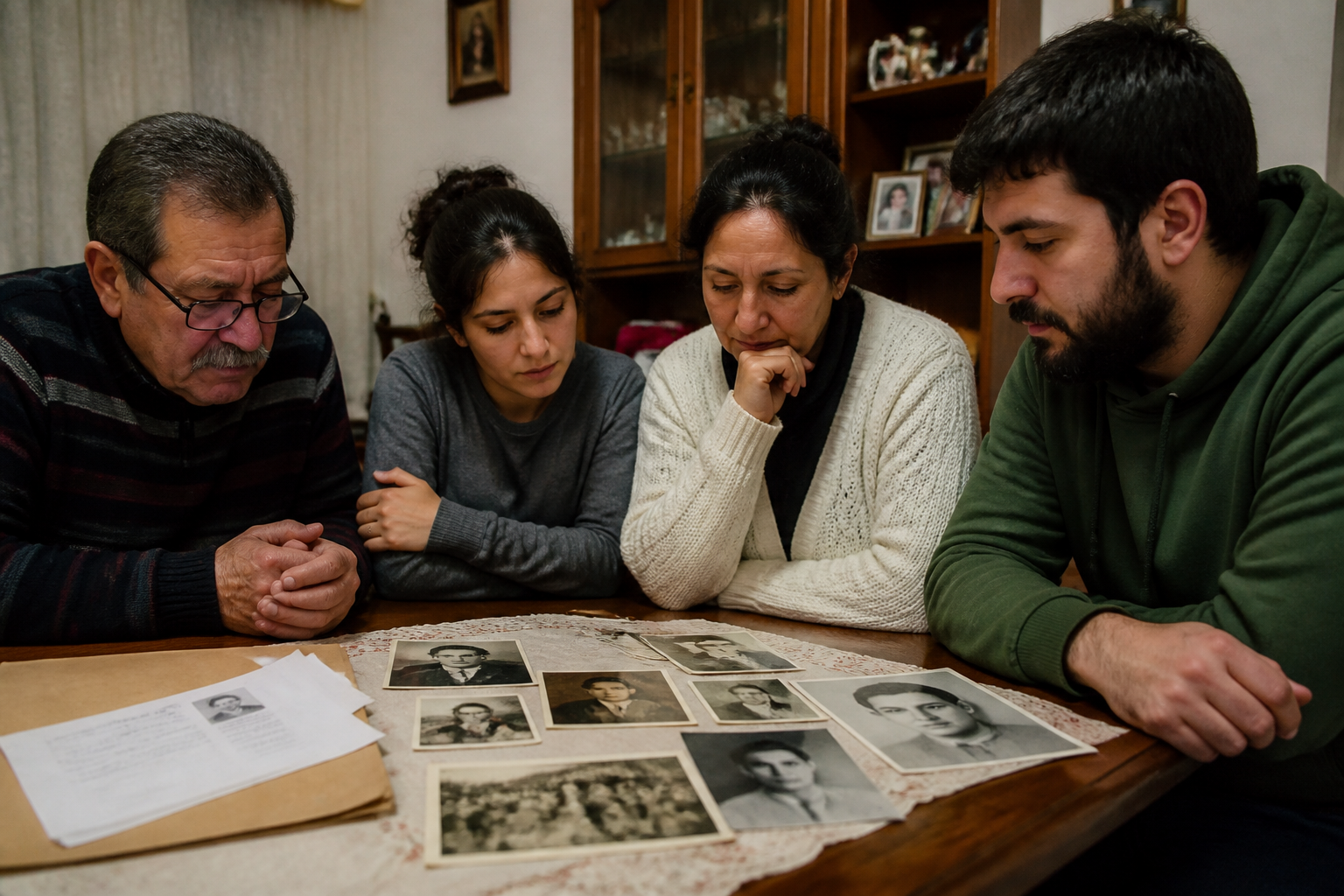
The first clue was not a confession or a dramatic reunion. It was a name on a record that did not belong where it appeared, and it sent one mother back into a search she thought had ended in grief. For 20 years, she believed her missing son was gone. Then a paper trail suggested he had been alive under a different identity all along.



Comments 0