Every dog owner wants one thing above all else: a happy, healthy companion who thrives both physically and emotionally. Yet many pet parents unknowingly overlook some of the simplest daily needs that shape a dog’s quality of life.
According to a recent Newsweek feature, a veterinarian has revealed the core daily essentials that every dog needs for a happier life—and surprisingly, they go far beyond food and water. These insights are not just about survival, but about helping dogs truly flourish.
From mental stimulation to emotional security, here’s what every dog needs daily to live their best life.

Why Daily Habits Matter More Than Occasional Treats
Many owners assume that spoiling a dog with toys or treats makes up for a lack of routine or engagement. But veterinarians agree: consistency matters far more than luxury.
Dogs are creatures of habit. Their mental health depends heavily on predictable, fulfilling daily experiences. Without them, even well-fed dogs can develop anxiety, boredom, and behavioral problems.
A happier dog is not one with the most toys—but one with the most meaningful daily interactions.
1. Daily Physical Exercise: More Than Just Walks
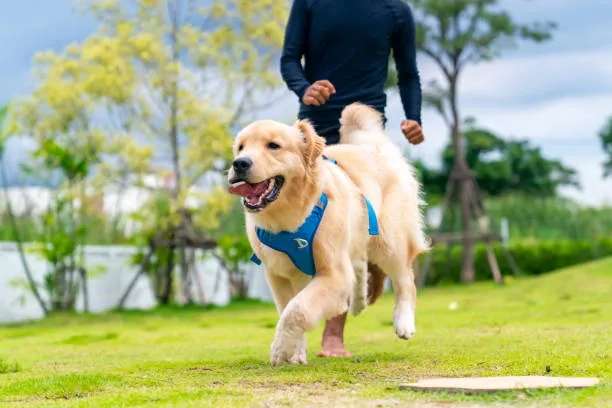
One of the most fundamental essentials is regular physical activity.
Not just quick bathroom breaks—but purposeful exercise.
Why Exercise Is Crucial
Daily exercise helps dogs:
-
Maintain a healthy weight
-
Reduce anxiety and destructive behavior
-
Improve cardiovascular health
-
Sleep better
-
Strengthen the bond with their owner
A tired dog is often a well-behaved dog.
How Much Exercise Is Enough?
This depends on breed, age, and health:
-
High-energy breeds (Border Collies, Huskies): 1.5–2 hours daily
-
Moderate-energy breeds (Labradors, Beagles): 60–90 minutes
-
Low-energy breeds (Bulldogs, Shih Tzus): 30–45 minutes
But it’s not just about quantity—it’s about quality.
2. Mental Stimulation: The Overlooked Essential
A dog’s brain needs workouts just as much as their body.
Without mental stimulation, dogs can become bored, anxious, and destructive—even if they get plenty of physical exercise.
Ways to Stimulate Your Dog’s Mind Daily
-
Puzzle toys
-
Sniffing games
-
Hide-and-seek
-
Training new tricks
-
Rotating toys
-
Short obedience sessions
Even 10–15 minutes of mental engagement per day can significantly improve a dog’s mood and behavior.
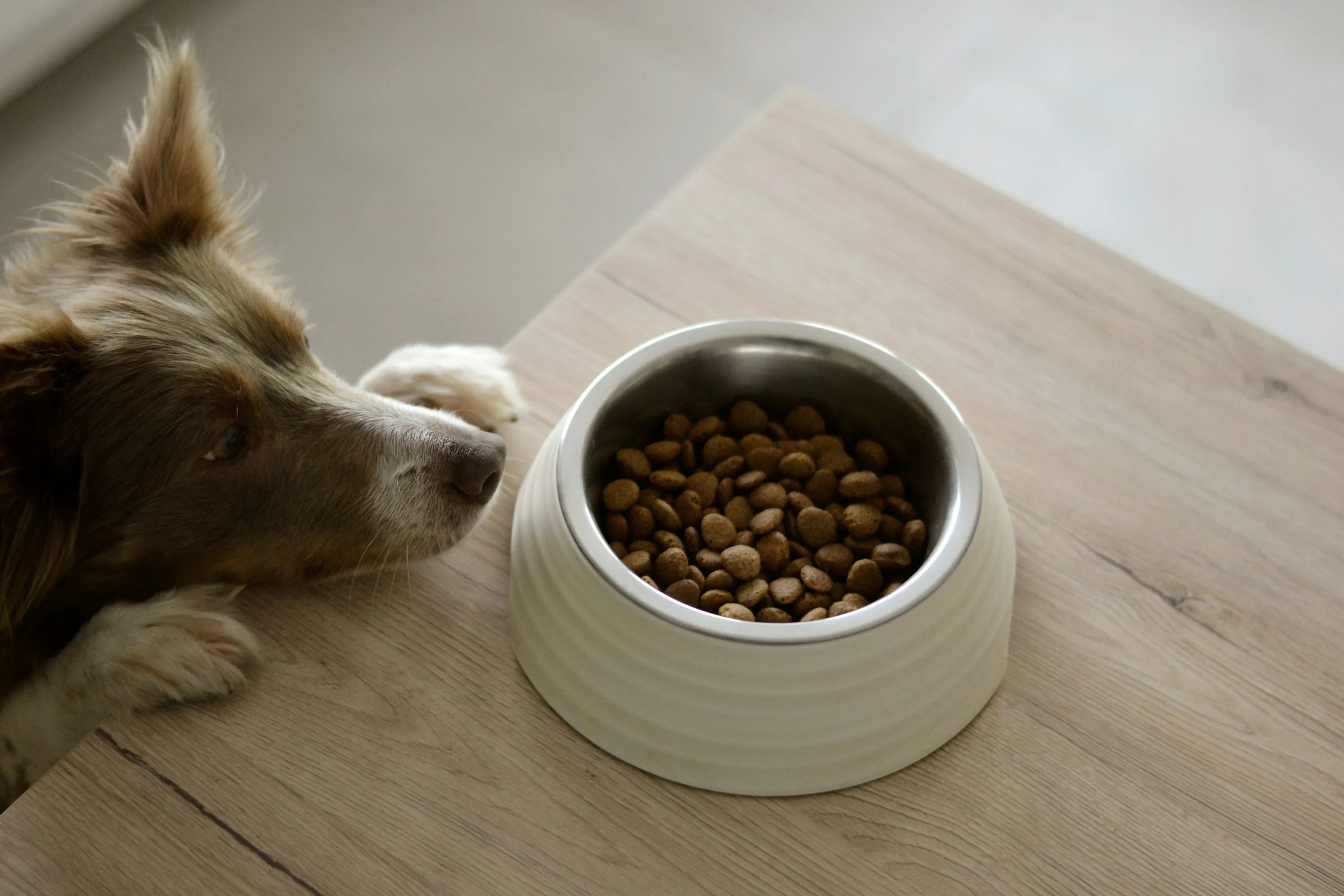
3. Balanced Nutrition: The Foundation of Health
Food isn’t just fuel—it’s information for the body.
What your dog eats daily directly impacts:
-
Energy levels
-
Skin and coat condition
-
Immune system strength
-
Longevity
-
Mood and behavior
What Makes a Balanced Dog Diet?
A healthy daily diet includes:
-
High-quality protein
-
Healthy fats
-
Essential vitamins and minerals
-
Limited fillers and artificial additives
Veterinarians emphasize reading ingredient lists carefully—not just brand names or marketing claims.
4. Emotional Connection: The Most Powerful Daily Essential
Perhaps the most underestimated daily need is emotional bonding.
Dogs are deeply social animals. They thrive on affection, attention, and reassurance.
What Emotional Connection Looks Like
-
Talking to your dog
-
Gentle petting
-
Eye contact
-
Calm presence
-
Including them in daily life
Dogs don’t just want to live with you—they want to live for you.
Lack of emotional engagement can lead to:
-
Separation anxiety
-
Depression
-
Excessive barking or chewing
-
Withdrawal
A few minutes of focused attention can dramatically change a dog’s emotional state.
5. Consistent Routine: Security Through Predictability
Dogs feel safest when they understand what to expect.
Daily routines help dogs feel:
-
Calm
-
Secure
-
Confident
-
Less anxious
Important Daily Anchors
-
Feeding times
-
Walk schedules
-
Play sessions
-
Bedtime rituals
A predictable routine doesn’t make life boring for dogs—it makes it comforting.
6. Proper Rest and Sleep
Sleep is not laziness—it’s essential.
Adult dogs typically need 12–14 hours of sleep per day, while puppies and senior dogs may need up to 18–20 hours.
Signs Your Dog Isn’t Getting Enough Rest
-
Irritability
-
Hyperactivity
-
Poor focus
-
Reduced immune function
Providing a quiet, comfortable resting space is a daily essential often overlooked in busy households.
7. Social Interaction: With Humans and Other Dogs
Dogs are social by nature.
Daily social interaction helps:
-
Prevent loneliness
-
Reduce fear-based aggression
-
Improve adaptability
-
Increase overall happiness
This doesn’t always mean dog parks. It can be:
-
A friendly greeting with neighbors
-
Controlled playdates
-
Calm exposure to new environments
The goal is to keep your dog emotionally connected to the world.
8. Grooming and Physical Care
Daily physical comfort matters more than aesthetics.
Even simple habits like:
-
Brushing
-
Checking ears
-
Wiping paws
-
Inspecting teeth
Help prevent health issues before they become painful problems.
Grooming also strengthens trust between dog and owner.
9. Training and Boundaries
Training isn’t just about obedience—it’s about communication.
Dogs feel safer when they understand:
-
What is expected
-
What is allowed
-
What earns praise
Short daily training moments build:
-
Confidence
-
Respect
-
Mental clarity
And most importantly: a sense of purpose.
10. Freedom to Explore
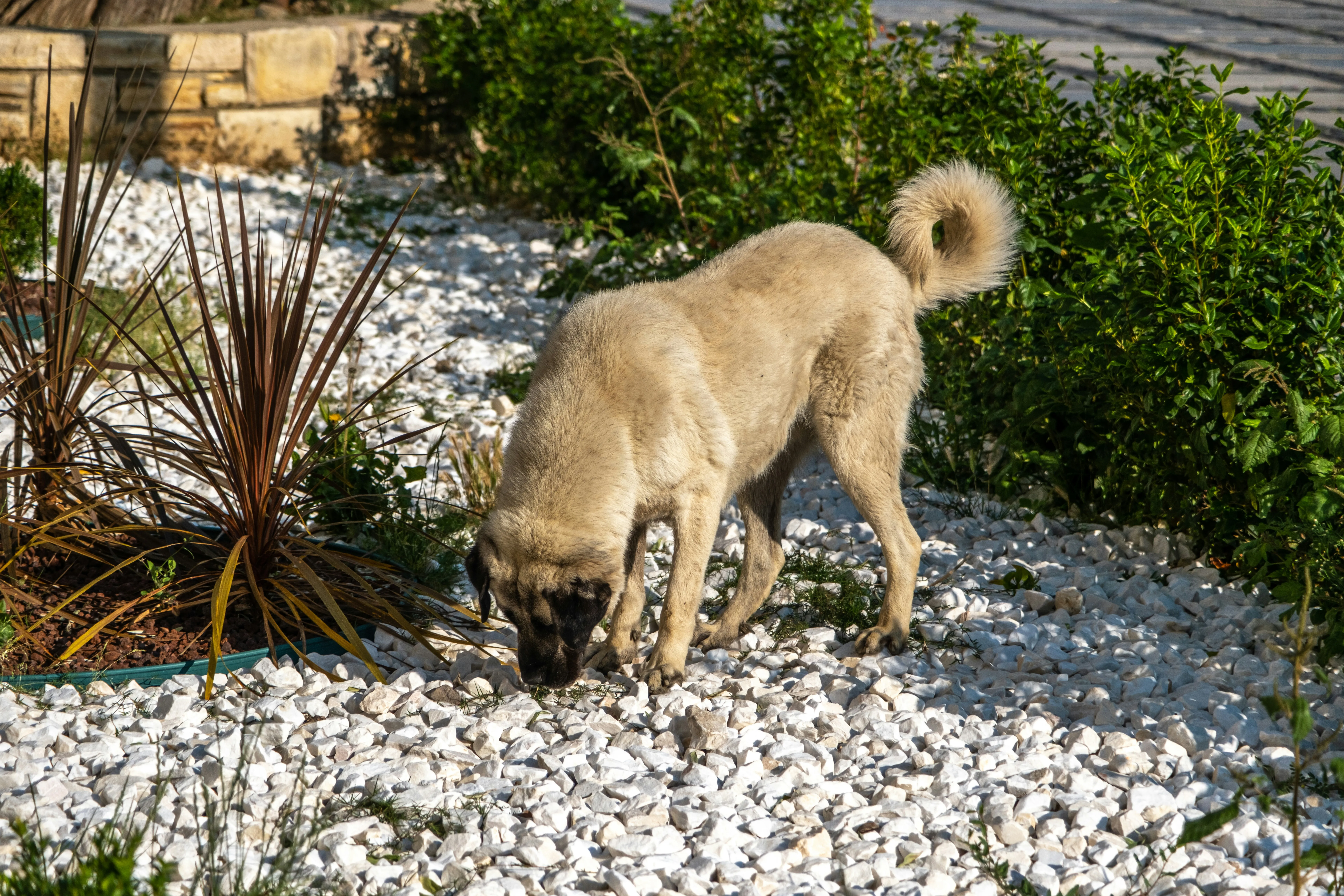
Dogs experience the world primarily through scent.
Allowing time to:
-
Sniff
-
Wander
-
Investigate
Is not wasted time—it’s how dogs mentally process their environment.
Even a slow, sniff-heavy walk can be more enriching than a fast jog.
Common Mistakes Dog Owners Make
Even loving owners can unintentionally neglect some daily essentials.
Frequent Mistakes Include
-
Overfeeding but under-exercising
-
Providing toys without interaction
-
Inconsistent routines
-
Ignoring mental stimulation
-
Replacing attention with treats
True care is not about excess—it’s about balance.
How Daily Essentials Change With Age
A dog’s needs evolve throughout their life.
Puppies Need
-
Frequent training
-
Short, fun exercise
-
Lots of socialization
-
Structured naps
Adult Dogs Need
-
Balanced activity
-
Mental challenges
-
Clear routines
-
Stable emotional connection
Senior Dogs Need
-
Gentle movement
-
Extra comfort
-
Regular health checks
-
Patience and reassurance
Tailoring daily care to life stage dramatically improves quality of life.
What Makes a Dog Truly Happy?
Happiness in dogs isn’t measured by toys or treats.
A happy dog is one who:
-
Feels safe
-
Feels understood
-
Feels engaged
-
Feels loved
-
Feels purposeful
These feelings are built through daily habits—not occasional gestures.
Creating Your Dog’s Ideal Daily Routine
Here’s an example of a balanced daily routine:
Morning:
-
Bathroom break
-
Walk or play
-
Breakfast
-
Calm interaction
Midday:
-
Mental stimulation
-
Short training session
-
Rest
Evening:
-
Longer walk or exercise
-
Dinner
-
Grooming or bonding time
-
Relaxed rest
Consistency transforms these moments into emotional security.
Final Thoughts: Small Daily Acts, Big Lifetime Impact
A dog’s happiness doesn’t depend on grand gestures—it depends on small, daily acts done with care and consistency.
The veterinarian’s message is clear:
Dogs don’t need perfection.
They need presence, structure, and love—every single day.
When you meet these daily essentials, you’re not just caring for a pet—you’re nurturing a joyful, loyal companion who will give back more than you could ever imagine.
Because in the end, a happier dog creates a happier home.
The Surprising Way People in Your Life Could Be Making You Age Faster, According to Science

The Surprising Way People in Your Life Could Be Making You Age Faster, According to Science
Most people know that poor diet, lack of sleep, and chronic stress can accelerate aging. But emerging research suggests another surprising factor may be quietly influencing how quickly your body ages: the difficult people in your life.




Comments 0