A Historic Stage and a Cultural Statement
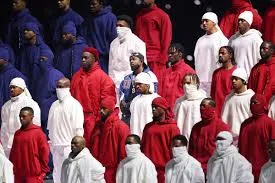
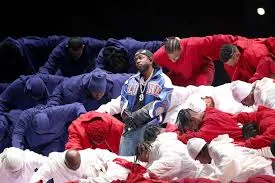
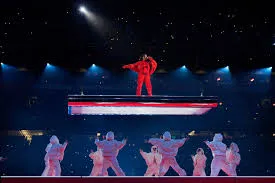
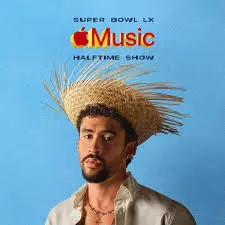
Bad Bunny’s headline performance came on one of the most watched television broadcasts of the year, blending reggaeton, Latin rhythms, and high-energy visuals. The NFL’s decision to tap a global Latin music icon for the Super Bowl halftime slot was celebrated by many as a milestone for diversity and cultural representation. Artists including Lady Gaga, Ricky Martin, Karol G, and Cardi B joined him, underscoring the performance’s breadth and musical unity.
The show’s imagery — which included vibrant references to Puerto Rican culture, community, and shared identity — conveyed more than just entertainment. For many viewers, this performance was a long-overdue spotlight on music that reflects a growing portion of global pop culture.
Political Backlash: Trump and Conservative Critics Respond
Despite the celebration of culture and unity, at least one high-profile political figure reacted with scathing criticism. Former President Donald Trump called the halftime show “one of the worst ever,” dismissing the Spanish-language performance and criticizing its creative direction. Trump’s commentary — shared widely on social media — framed the show as being disconnected from what he perceives as traditional American values.
He tweeted that the show “makes no sense” and declared that “nobody understands a word this guy is saying,” while also calling the dancing unsuited for children and describing the event as “a slap in the face to our Country.”
This reaction echoed deeper divisions over cultural representation, language, and national narratives, reflecting the broader political landscape in the U.S. heading into key election cycles.
What People Are Saying: Mixed Reactions Across America
Responses to the halftime show have varied widely.
Supporters of Bad Bunny applauded the cultural richness of the set and its homage to Latin heritage. Celebrities like Madonna, Cardi B, and others shared enthusiastic messages of support ahead of and after the performance, framing it as a joyful celebration rather than a political statement.
Others, particularly within conservative circles, saw the show through a political lens. Some commentators argued that the predominance of Spanish lyrics and cultural symbols was at odds with the traditional “family friendly” image they expect from the Super Bowl. This divide reflects longstanding debates over national identity, inclusion, and the role of mainstream entertainment in representing diverse voices.
Unity vs. Division: Did the Performance Aim for Politics?
While some critics read political intent into the performance, others — including music fans and cultural commentators — saw the show’s message as one of unity, celebration, and shared humanity.
During his Grammy acceptance speech earlier that week, Bad Bunny had spoken about connection and belonging — themes that carried over into his halftime show. Rather than promoting specific political platforms during the performance, he opted for a broader message of cultural pride and community solidarity.
At the conclusion of his performance, Bad Bunny displayed flags representing countries across the Americas and closed with symbols and messages of unity. The imagery and energy focused on inclusion and togetherness — a powerful articulation of solidarity at one of entertainment’s largest stages.
Language, Identity, and Cultural Representation
One central point of debate stemmed from Bad Bunny performing primarily in Spanish — something that has historically been less common at mainstream U.S. television events. For critics, the lack of English lyrics was a flashpoint; for many fans and cultural analysts, it was precisely what made the show significant. This moment cast a spotlight on how language intersects with identity, belonging, and national narratives in an increasingly diverse society.
Some conservative voices argued that English-only performances better reflect a unified American identity, while supporters of Bad Bunny emphasized that the United States has always been multilingual and culturally diverse. The discussions touched on broader cultural questions: What does American popular culture look like in 2026? Who gets to define it, and how should global pop culture fit into national spectacles?
Counterprogramming Efforts: Turning Point USA’s “All-American Halftime Show”
Not all reactions to the halftime show focused on online commentary. The conservative organization Turning Point USA announced that it would host an alternative “All-American Halftime Show” during the same time as the Bad Bunny performance, featuring performers aligned with what the group refers to as “faith, family, and freedom.”
This alternative event underscored political opponents’ desire to offer viewers a different kind of entertainment — one that prioritized traditional patriotic themes and English-language music — highlighting deep cultural and political divides around representation in mainstream media.
Celebrity and Fan Support: A Wave of Praise
Among those who praised Bad Bunny’s halftime show were fellow artists and public figures who highlighted the performance’s cultural resonance and broad artistic reach.
Musicians such as Doechii and Kacey Musgraves praised the show’s celebration of genre diversity and its ability to connect audiences across backgrounds. They noted that Super Bowl halftime shows have always pushed boundaries and reflected cultural shifts, and Bad Bunny’s performance fit within that lineage while offering something fresh and meaningful.
Similarly, many fans took to social media during and after the performance to express how much the show meant to them personally — as a celebration of heritage, identity, and the joy of seeing one’s own culture reflected on a global platform.
What Happens Next: The Legacy of a Political Halftime Show
Bad Bunny’s Super Bowl halftime show is already being discussed as one of the most significant in recent memory — not just for the performance itself, but for the conversations it sparked about culture, identity, and the role of entertainment platforms in political discourse.
Whether viewed as a cultural milestone, a political moment, or simply an incredible performance, the show affirmed that music — especially when paired with global reach — can transcend entertainment to become a focal point for broader societal dialogue.
Conclusion: Music Meets Culture and Conversation
Bad Bunny’s Super Bowl 2026 halftime show was more than a musical performance — it became a cultural barometer. It sparked discussions about language, identity, and the politics embedded in high-visibility art. From impassioned praise celebrating Latino representation to sharp criticisms from political figures, the event highlighted how deeply intertwined pop culture and public discourse have become in today’s America.
In an age where entertainment often reflects societal shifts, Bad Bunny’s halftime show stands as a vivid example of how music can bridge worlds, challenge expectations, and — above all — start conversations that continue long after the final note fades.
How David Bowie Reinvented Himself and Changed Music Forever
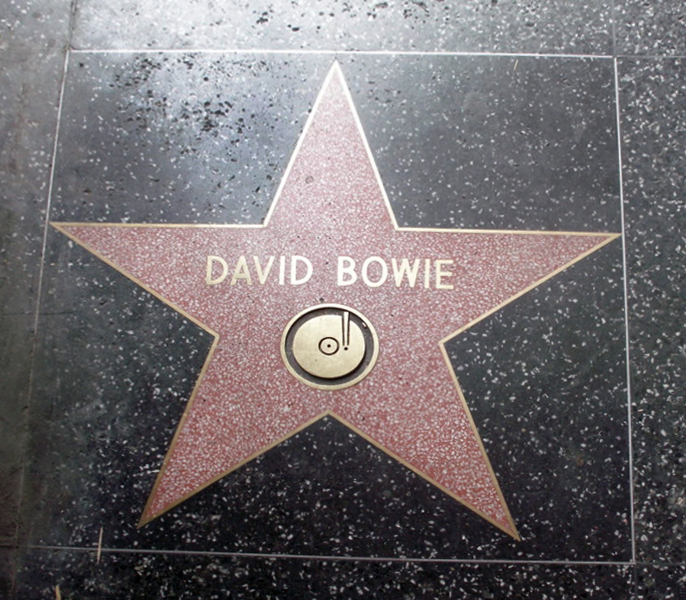
David Bowie made reinvention part of his artistic identity, and popular music has never quite looked the same. Across five decades, he treated image, sound, and performance as connected pieces of one creative vision. That approach made him one of the clearest examples of how a single artist could reshape an era without staying in one place for long.
Comments 0