What Does It Mean to Be “Iced Out” at the Grammys?
In celebrity culture, being “iced out” typically refers to a star being ignored, snubbed, or excluded—either socially or professionally—during a major event.
Fans use the phrase when they believe a celebrity:
-
Was avoided by other artists
-
Received minimal camera time
-
Was left out of key conversations or moments
-
Was overlooked by award organizers
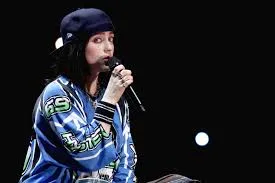
In Billie Eilish’s case, some viewers felt her presence at the 2026 Grammys seemed oddly minimized, triggering speculation that something was happening behind the scenes.
Why Fans Think Billie Eilish Was Snubbed
The “iced out” theory gained momentum after fans noticed a combination of moments they considered suspicious, including:
-
Fewer close-up camera shots than expected
-
Minimal interaction with other stars
-
A lack of visible excitement or acknowledgment during certain segments
On social media, viewers began comparing Billie’s treatment to other high-profile artists and concluded she was being “kept out of the spotlight.”
Whether intentional or coincidental, the perception spread fast.
The Role of Social Media in Shaping the Narrative
In the modern era, award shows don’t end when the broadcast ends. In fact, they often begin afterward—through TikTok edits, viral threads, and fan-driven breakdowns.
Platforms like X (formerly Twitter), TikTok, and Instagram amplified the story because:
-
Short clips removed context
-
Reaction accounts framed moments as “proof”
-
Fans built narratives from limited footage
What might have been a normal editing choice quickly became interpreted as a deliberate snub.

Finneas Backlash: What Sparked the Controversy?
While Billie’s “ice out” theory spread, Finneas became entangled in a separate controversy involving claims related to Donald Trump.
The backlash appears tied to statements circulating online—statements that critics say were politically charged, inflammatory, or misleading. Fans and detractors quickly took sides, turning the conversation into a broader political argument.
For many observers, it was a reminder of how quickly musicians can become political lightning rods—even when the original context is unclear.
Why Billie and Finneas Are Often Treated as a Package Deal
Billie Eilish and Finneas have one of the most famous sibling partnerships in music history. Their collaboration is central to Billie’s artistic identity.
But that connection has consequences:
-
Finneas’ controversies can spill onto Billie
-
Billie’s public perception can influence how people view Finneas
-
Their fanbases overlap heavily, amplifying reactions
In the post-Grammys storm, Billie’s “snub” narrative and Finneas’ backlash became intertwined, even if the two issues were unrelated.
The Grammys and the Politics of Perception
The Grammys have a long history of controversy, including accusations of:
-
Industry favoritism
-
Voter bias
-
Snubbing popular artists
-
Rewarding political narratives over artistry
This history makes fans more likely to believe “ice out” theories, because many already distrust the institution.
Even without proof, suspicion feels believable.
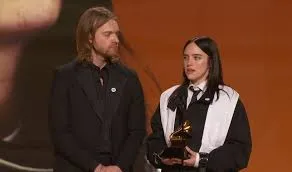
Was Billie Eilish Actually Ignored—or Just Not the Focus?
It’s possible Billie Eilish wasn’t “iced out” at all.
Award shows often prioritize:
-
Winners of the night
-
Newer breakout stars
-
Viral performances
-
Sponsored segments
Even major artists can receive less coverage depending on the event’s pacing and storytelling goals.
A lack of camera time does not necessarily mean deliberate exclusion—but in pop culture, perception is everything.
How Billie Eilish’s Fanbase Reacted
Billie Eilish fans are known for their loyalty and intense online engagement. Many reacted strongly, arguing she deserved:
-
More recognition
-
More screen time
-
More respect from the music industry
Some claimed the Grammys consistently undervalue Billie despite her influence, while others argued she’s been one of the Academy’s most celebrated artists in recent years.
The debate became less about facts and more about emotion.
The Finneas Backlash and Celebrity Political Culture
Finneas’ controversy reflects a bigger trend: celebrity politics has become unavoidable.
When a public figure is linked to political statements—whether accurately or not—it often triggers:
-
Boycotts
-
Hashtag campaigns
-
Media amplification
-
Fan division
In today’s climate, even a vague association with Trump-related narratives can ignite intense backlash from multiple sides.
Why This Moment Became Bigger Than the Music
The Grammys are supposed to celebrate music. But increasingly, they serve as fuel for:
-
Celebrity drama
-
Social media outrage
-
Cultural debates
Billie and Finneas became the center of attention because their story combined multiple viral ingredients:
-
Fame
-
Fan loyalty
-
Politics
-
Perceived injustice
-
Mystery
In a digital environment, controversy spreads faster than clarity.

What Billie Eilish Has Said (and Hasn’t Said)
As of now, Billie Eilish has not issued a direct public response confirming any “ice out” narrative. That silence has only fueled speculation, with fans interpreting her lack of comment in different ways.
Some believe she’s avoiding drama.
Others believe she’s letting the internet fight the battle for her.
But as celebrity PR experts often note, silence can be strategic—especially when the story is driven by fan perception rather than confirmed events.
The Bigger Question: Do Award Shows Still Matter?
Controversies like this raise a deeper question: do award shows still hold the cultural power they once did?
For Gen Z audiences, music validation often comes from:
-
Spotify charts
-
TikTok virality
-
sold-out tours
-
fan engagement
Awards still matter—but their authority is increasingly challenged.
The Grammys can crown a winner, but the internet decides the story.
The Celebrity Backlash Cycle in 2026
This situation also reflects a modern cycle:
-
A moment happens at an event
-
Clips go viral without context
-
Fans create theories
-
Outrage spreads
-
Media outlets report the reaction
-
The controversy becomes “real” through repetition
Whether Billie was actually “iced out” may not even matter anymore. The narrative exists—and that alone shapes public perception.
Final Thoughts: A Viral Grammys Story That Won’t Fade Quickly
The Billie Eilish “ice out” theory and Finneas backlash show how fast pop culture can turn a single night into a multi-day controversy.
It also highlights a new truth of celebrity life in 2026:
-
The stage is no longer the Grammys
-
The real stage is the internet
Whether Billie was snubbed or simply not featured, and whether Finneas’ comments were misunderstood or deserved criticism, the outcome is the same: fans are watching everything, analyzing everything, and shaping the narrative in real time.
And in today’s media landscape, perception doesn’t just follow the news—it becomes the news.
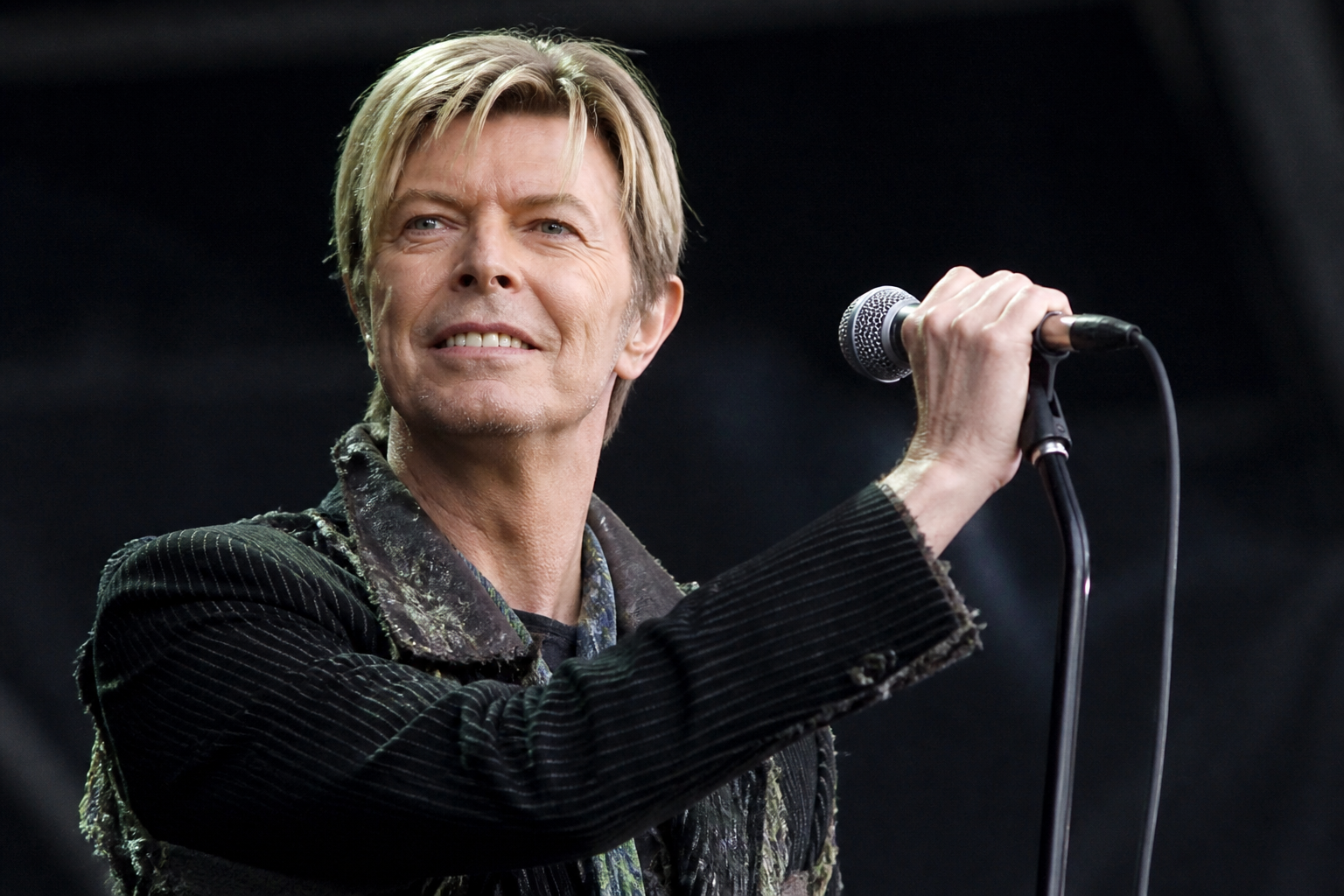
How David Bowie Reinvented Himself and Changed Music Forever
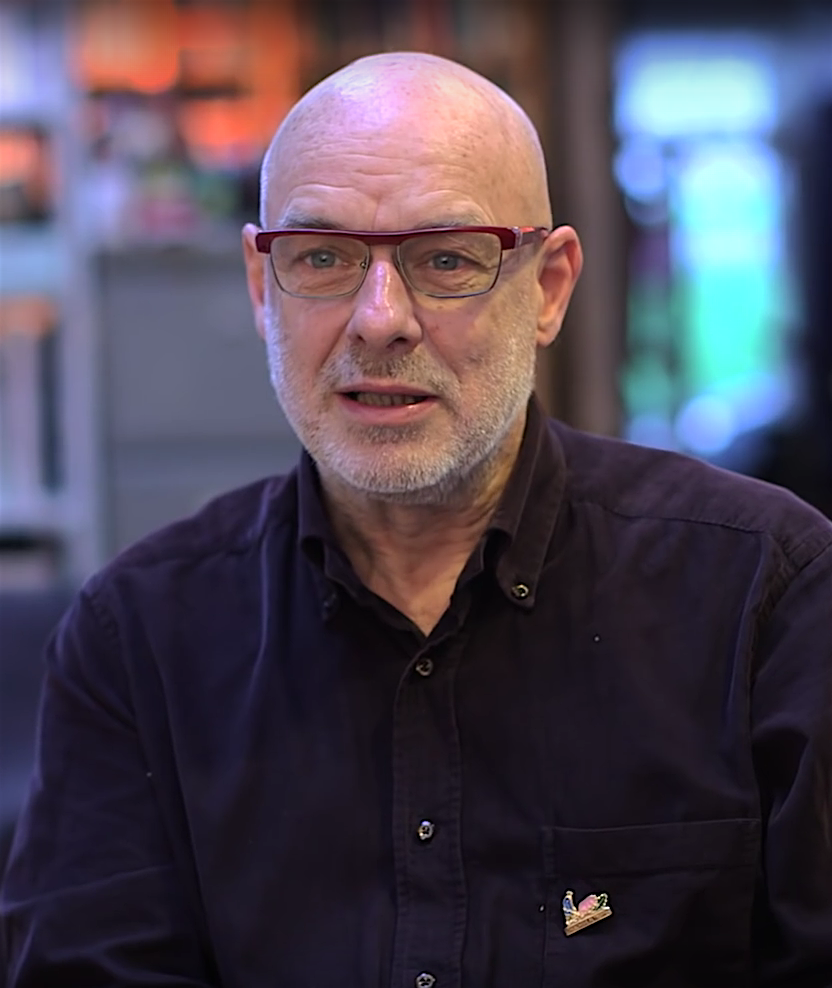
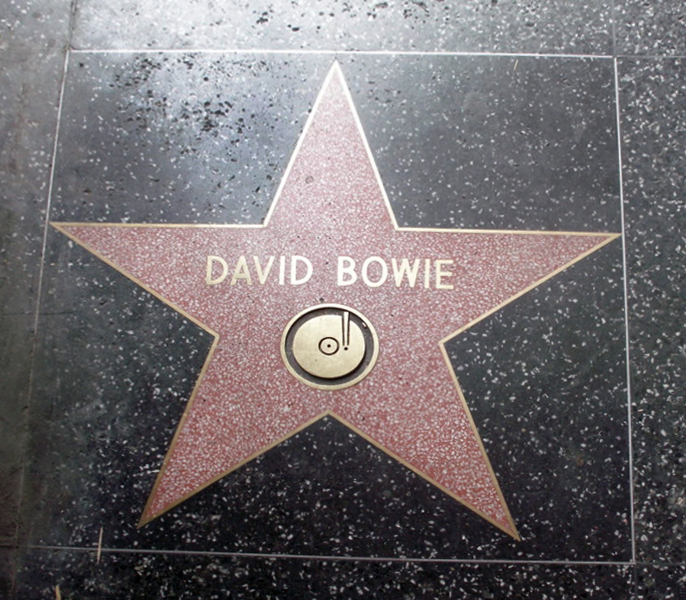
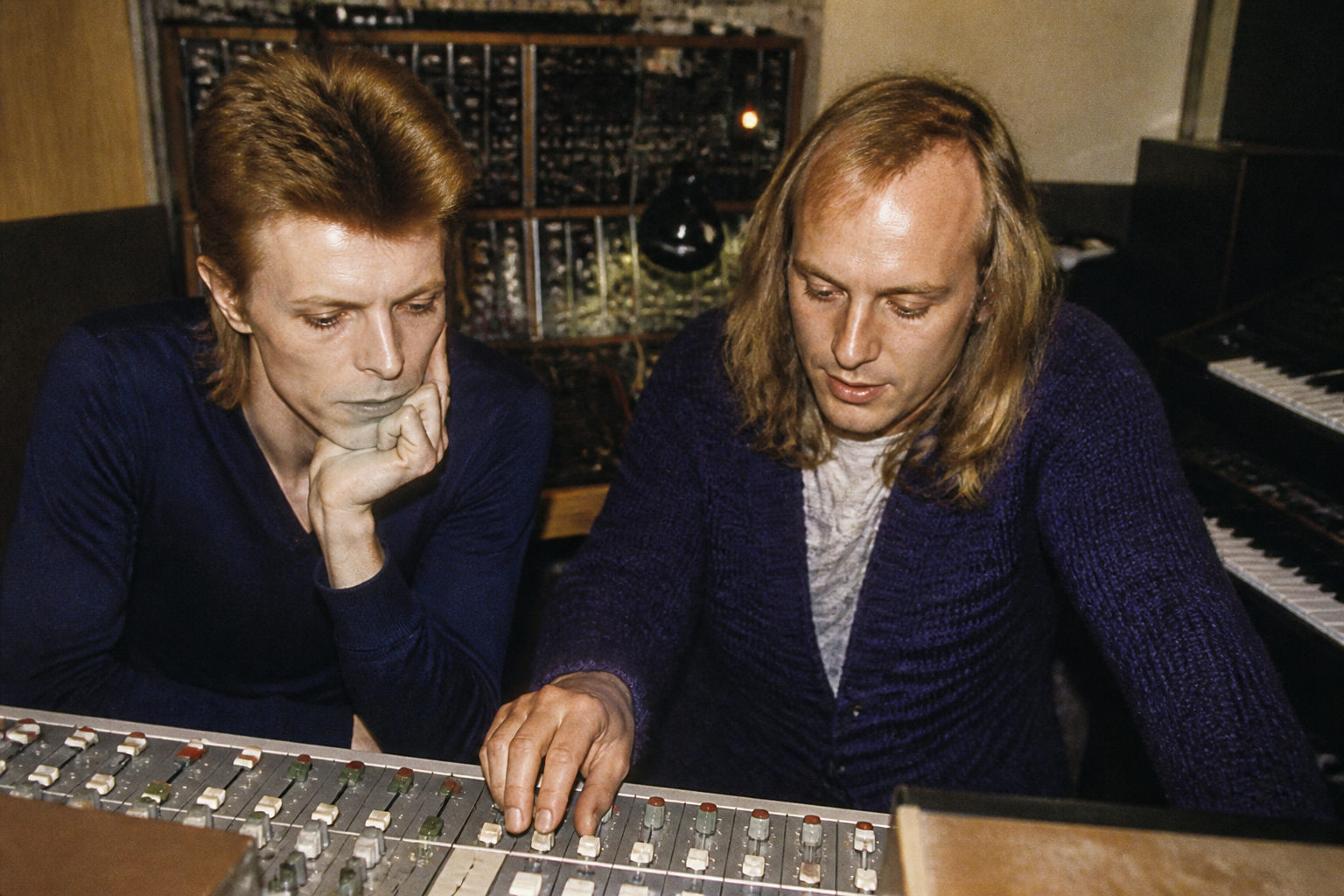
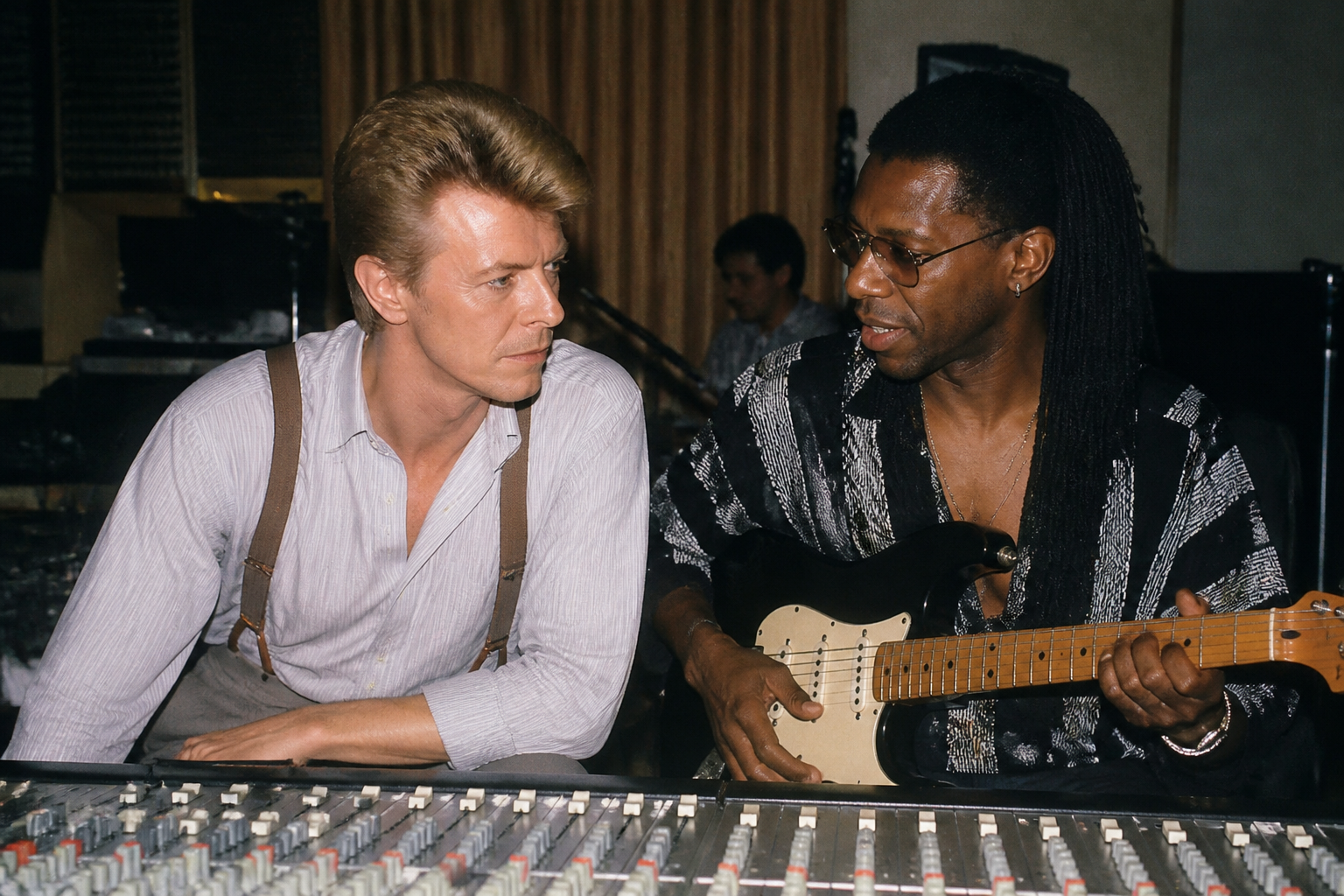
David Bowie made reinvention part of his artistic identity, and popular music has never quite looked the same. Across five decades, he treated image, sound, and performance as connected pieces of one creative vision. That approach made him one of the clearest examples of how a single artist could reshape an era without staying in one place for long.
Comments 0