Whitney Houston’s Death shocked the world in February 2012, but for Bobby Brown, the loss was far more personal than the headlines could ever explain. As Whitney’s former husband and the father of their daughter, Bobbi Kristina, Bobby faced years of public scrutiny, painful memories and questions about what had happened to the woman he once loved. When he finally spoke openly about Whitney’s death, his words revealed grief, regret and a complicated perspective on their life together. Yet his account also raised an important distinction between the official findings and the personal beliefs of a man struggling to understand an irreversible loss.
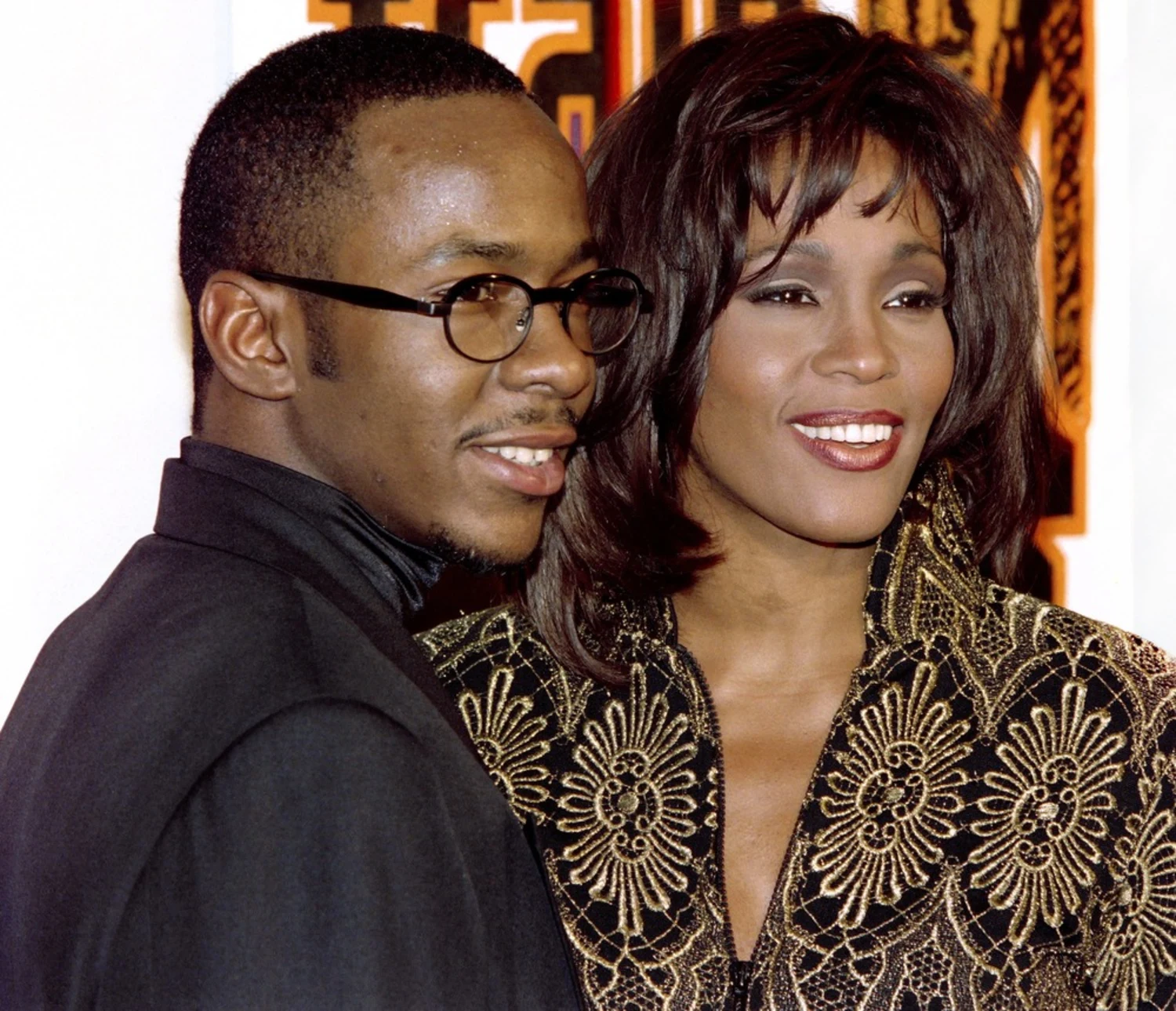
Whitney Houston’s Death Changed Bobby Brown’s Life Forever
On February 11, 2012, Whitney Houston was found unresponsive in a bathtub at the Beverly Hilton hotel in Beverly Hills, California. She was 48 years old. The news stunned fans around the world, bringing renewed attention to the extraordinary career of one of the most successful vocalists of her generation and the personal struggles that had become part of her public story.
For Bobby Brown, the news was devastating. Although their marriage had ended in divorce in 2007, Whitney remained the mother of his daughter and someone with whom he had shared a significant part of his life. Their relationship had unfolded under intense media scrutiny, with both singers facing difficult personal challenges during their years together.
The Los Angeles County coroner determined that Houston died from accidental drowning, with heart disease and cocaine use listed as contributing factors. The findings also documented the presence of other substances in her system. These official conclusions are important when examining Bobby Brown’s later comments, because his personal interpretation of Whitney’s struggles was not the same thing as a medical determination about her death.
In the years that followed, Brown spoke about Whitney in interviews that revealed how deeply her death continued to affect him. His words were sometimes emotional and controversial, but they also reflected the difficulty of discussing a relationship that had been lived in public and ended in tragedy.
Bobby Brown Rejected the Idea That He Was Responsible for Whitney’s Death
In the months after Whitney died, public discussion often returned to her marriage to Bobby Brown and the couple’s history of substance abuse. Brown pushed back against suggestions that he had caused Whitney’s drug problems or was responsible for her death.
In a 2012 interview with NBC’s Today, Brown said, “I'm not the one that got Whitney on drugs, at all,” and added, “I'm not the reason she's gone.” His comments were a direct response to the criticism he had faced since the singer’s death.
Those statements revealed one of the central tensions surrounding Whitney’s story. Their marriage had been turbulent, and both had discussed struggles with drugs and alcohol. But reducing Whitney’s life and death to a single relationship would overlook the wider circumstances of her personal experiences, career pressures and health.
Brown’s insistence that he should not be blamed was also a reminder that public speculation can become a substitute for evidence. Whitney’s death was investigated, and the coroner issued an official finding. Brown could speak about his memories and beliefs, but those comments did not replace the medical findings.
For readers trying to understand Whitney’s final years, this distinction matters. Brown’s perspective is part of the history because he knew her intimately. It should be considered alongside documented evidence, not treated as proof of an alternative explanation.
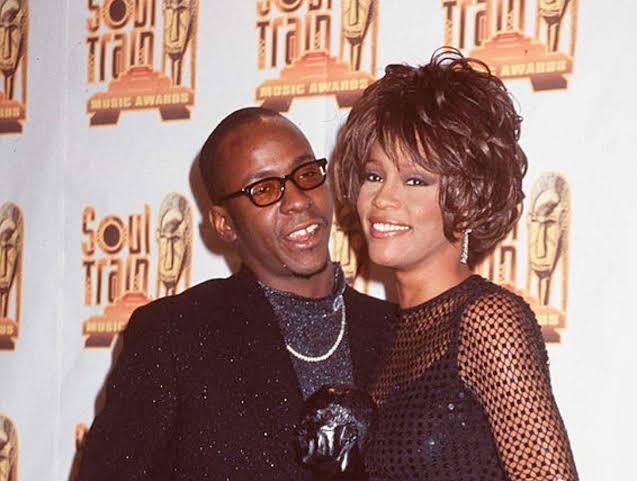
The Emotional Truth Behind Bobby Brown’s Words
One of Brown’s most revealing public appearances came in June 2016, when he sat down with ABC News anchor Robin Roberts for a special edition of 20/20. The interview took place after the death of his and Whitney’s daughter, Bobbi Kristina Brown, who died in July 2015 at the age of 22.
The loss of Bobbi Kristina reopened painful questions about Whitney’s death. Both women had been found unresponsive in bathtubs, although their medical findings and circumstances were not identical. Bobbi Kristina remained in a coma for months before her death, and her case brought renewed attention to the family’s grief.
During the interview, Brown spoke emotionally about the similarities between the two tragedies. He said, “The same thing that happened to my daughter is what happened to Whitney,” expressing his belief that there was a troubling connection between the circumstances surrounding their deaths.
Brown also acknowledged that he and Whitney could have done better as parents. Reflecting on their daughter’s life, he said, “We should have been better,” and, “We could have been better.” These words revealed a different side of his account: beneath the anger and public accusations was a father grieving a child and reflecting on the family they had shared.
His comments did not establish a new explanation for Whitney’s death. Instead, they showed how the loss of Bobbi Kristina had intensified his grief and shaped the way he looked back on the past.
Why Bobby Brown Pointed to Nick Gordon
During the 2016 interview, Brown also made accusations involving Nick Gordon, Bobbi Kristina’s partner, whom Whitney had helped raise. Brown suggested that Gordon knew more about the circumstances surrounding both women’s deaths than he had disclosed.
Brown said that the same person had been present in connection with both tragedies and expressed his belief that Gordon had failed to protect them. These were Brown’s allegations, not findings that established Gordon was responsible for Whitney Houston’s death.
The legal history surrounding Bobbi Kristina’s death was separate from the official investigation into Whitney’s death. Gordon was later found civilly liable in a wrongful-death case involving Bobbi Kristina after failing to appear in court. Civil liability in that case should not be confused with proof that he caused Whitney’s death.
The distinction is essential because the emotional weight of Brown’s statements can make his suspicions sound like settled facts. They were not. Whitney’s death had an official cause, and no public evidence cited in Brown’s interviews changed that finding.
Still, Brown’s remarks demonstrated how unresolved grief can lead people to search for explanations, particularly when a second family tragedy resembles the first in painful ways. His words were part of his personal struggle to make sense of what had happened to the people he loved.
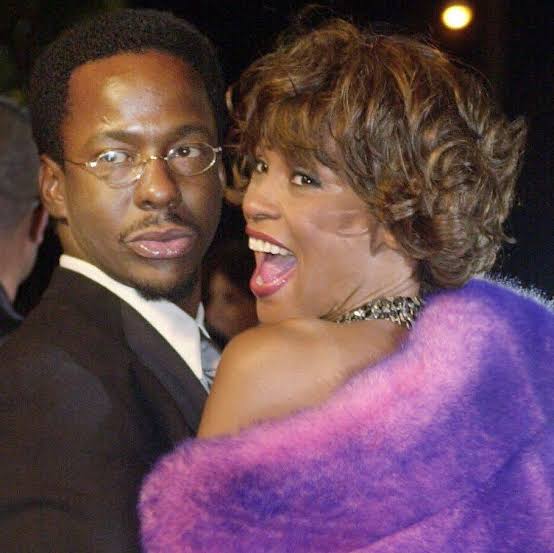
Bobby Brown Admitted That He and Whitney Had Struggles of Their Own
Brown’s reflections on Whitney were not limited to rejecting blame or accusing another person. He also spoke about the difficult years they had shared, including their struggles with substance abuse and the effect their choices may have had on their family.
In interviews surrounding his memoir Every Little Step, Brown discussed his own history with drugs and alcohol, as well as the challenges that affected his marriage. He recalled that he first saw Whitney use cocaine on their wedding day in 1992, a claim reported in coverage of his 2016 interview. This was Brown’s recollection of a private moment, rather than an independently established account of every aspect of Whitney’s history.
Brown’s comments complicated the simplified public narrative that had often surrounded the couple. Rather than describing Whitney only as a victim of her marriage, he spoke about two people who struggled and whose relationship was affected by serious personal problems.
That does not erase the difficulties Whitney experienced, nor does it establish that the couple shared equal responsibility for every event in their lives. It does, however, show why their story cannot be reduced to a single accusation or an easy explanation.
Their marriage lasted 15 years before ending in divorce. By the time Whitney died, their relationship had changed, but they remained connected through Bobbi Kristina. Brown’s later interviews showed that the emotional consequences of their shared past did not disappear when their marriage ended.
Bobby Brown Said He Still Loved Whitney Houston
Perhaps the most personal part of Brown’s public reflections was his admission that his feelings for Whitney had not simply disappeared after their divorce.
In his 2016 interview with Robin Roberts, Brown said he was still in love with Whitney. As reported by TIME, he explained: “For the rest of my life, I will have that feeling towards her because she was the one person that knew me – that one person who had no judgment.”
The statement offered a glimpse into the private bond behind a relationship that had often been portrayed through conflict and controversy. Brown was not suggesting that their marriage had been easy. Instead, he was expressing the lasting emotional significance of someone who had known him through years of success, personal struggles and family life.
His words also help explain why Whitney’s death remained such a painful subject for him. Losing a former spouse can bring complicated emotions, especially when that person is also the parent of your child and a central figure in your personal history.
For fans, Brown’s admission added another dimension to Whitney’s legacy. She was not only a celebrated singer whose voice shaped popular music. She was also a daughter, a mother, a former wife and a person whose relationships left deep marks on the people closest to her.
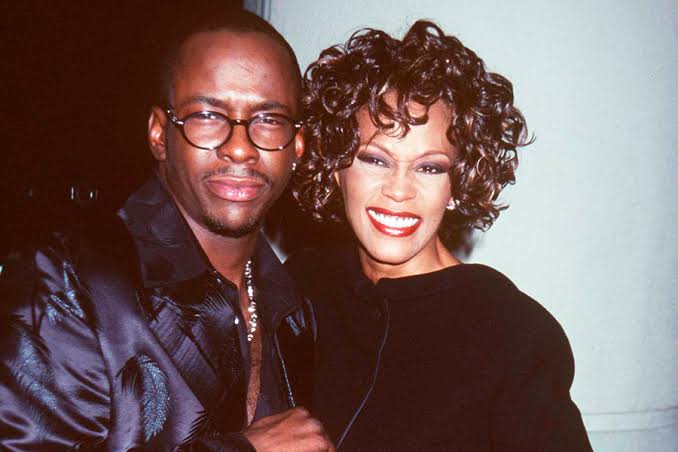
What Bobby Brown’s Story Can and Cannot Tell Us
Bobby Brown’s interviews provide valuable insight into how someone close to Whitney Houston experienced her life and death. They reveal his grief, his frustration with public criticism, his regret about their family’s struggles and his enduring feelings for Whitney.
But his perspective has limits. He could describe his memories and what he believed had happened, yet he could not personally establish the medical cause of Whitney’s death simply by speaking about it. That determination belonged to the authorities who investigated her death.
The official finding was accidental drowning, with atherosclerotic heart disease and cocaine use identified as contributing factors. Any account of Brown’s claims must be presented alongside those findings so that readers can distinguish personal interpretation from documented fact.
Understanding this difference does not make Brown’s experience less meaningful. His grief was real, and his memories form part of the wider story of Whitney Houston’s life. At the same time, honoring Whitney’s legacy means resisting unsupported theories and remembering the artist and person beyond the circumstances of her death.
Conclusion: Remembering the Truth About Whitney Houston's Death
Bobby Brown’s words about Whitney Houston's Death reveal the grief, guilt, and unanswered questions that remained after losing someone he once loved deeply. Although he has shared his perspective over the years, the official findings remain the clearest account of how Whitney died. Beyond the controversy, her voice and musical legacy continue to touch millions of people around the world.
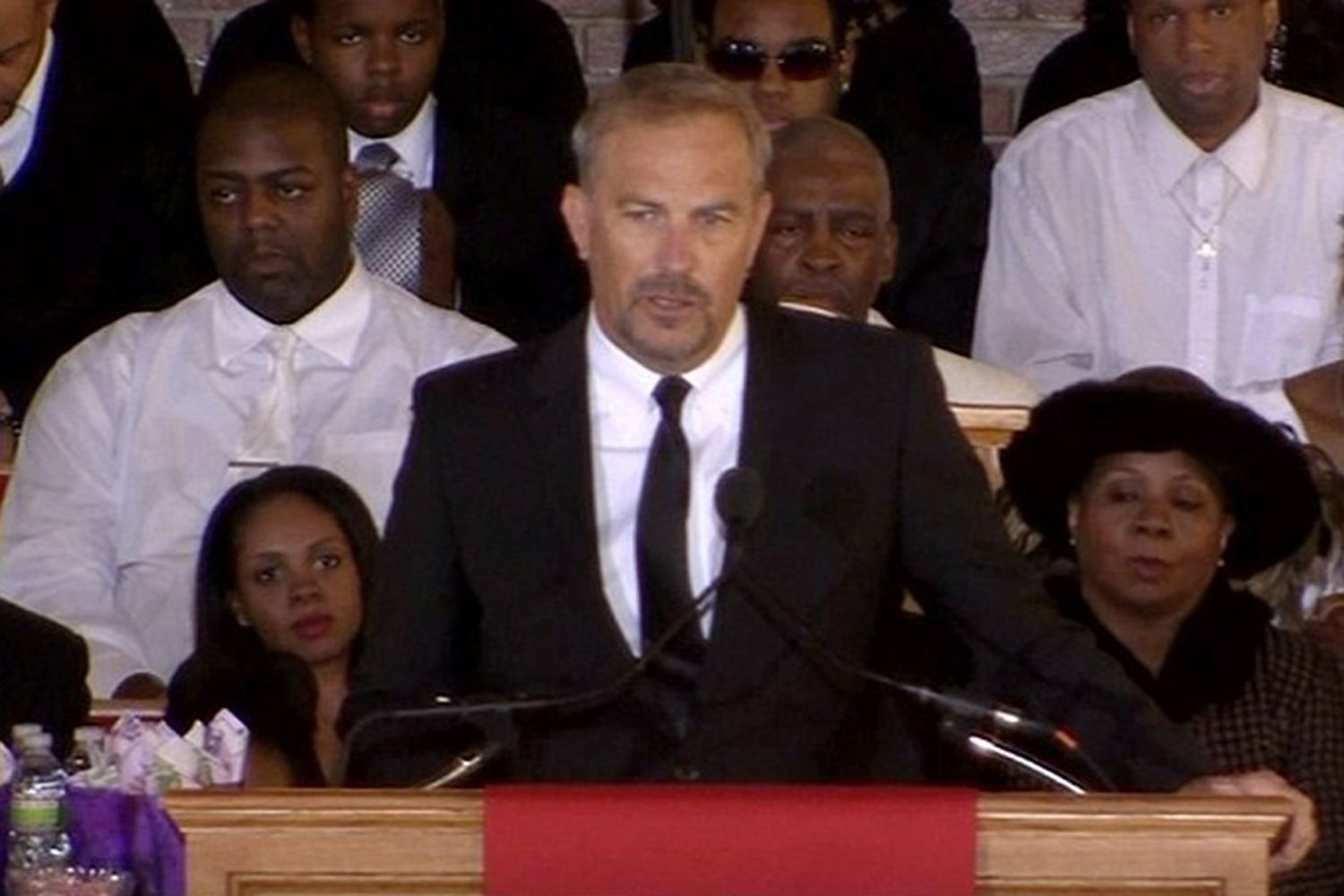
Why Kevin Costner Hesitated to Speak at Whitney Houston’s Funeral
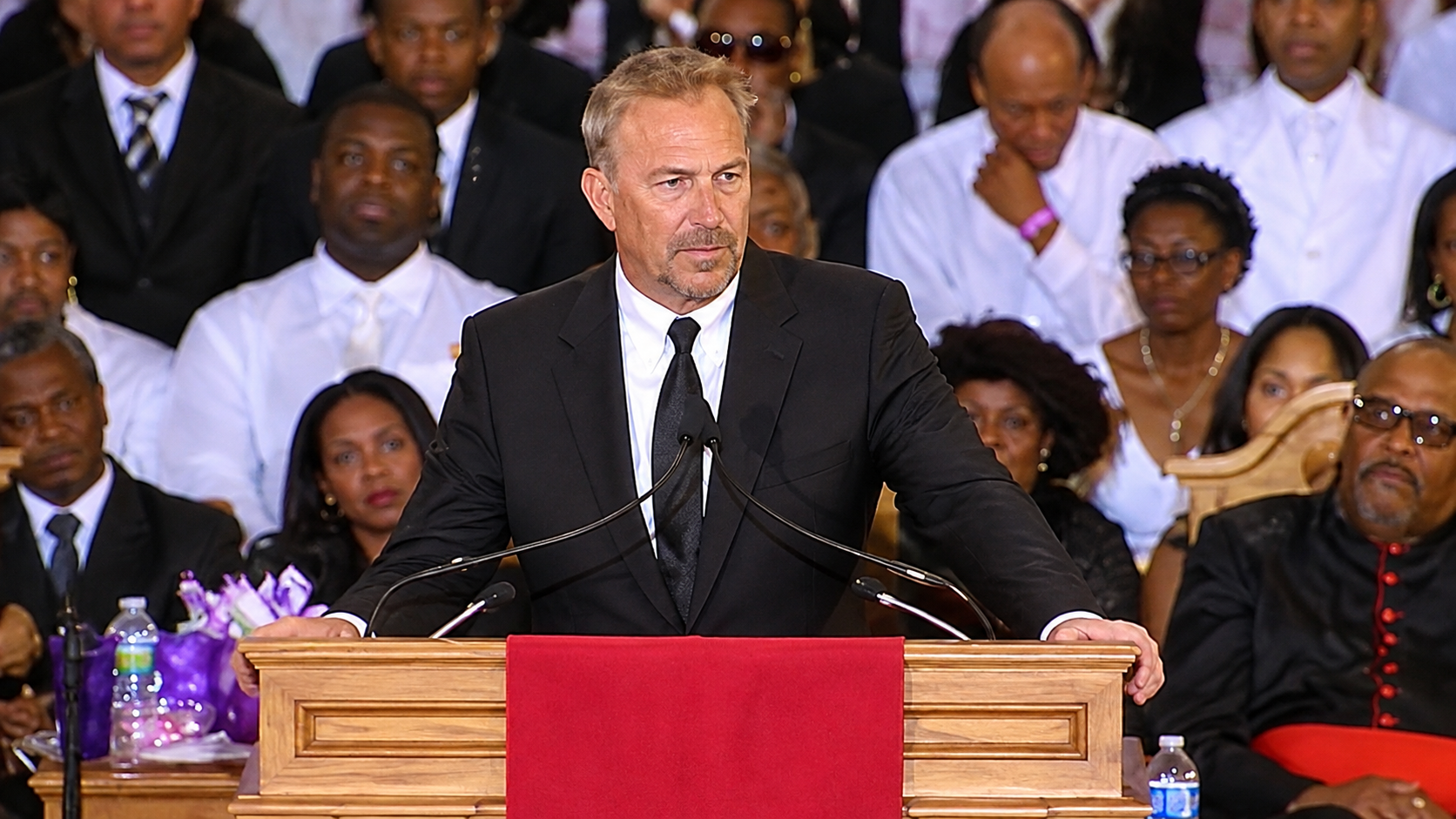
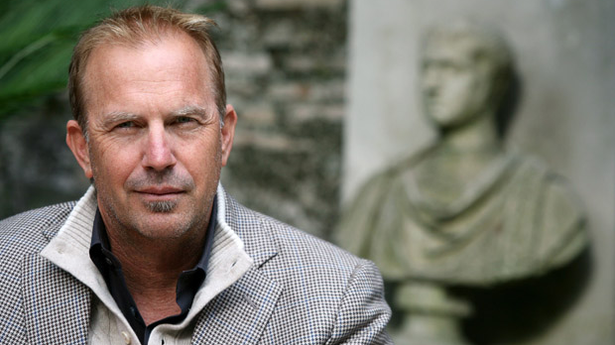
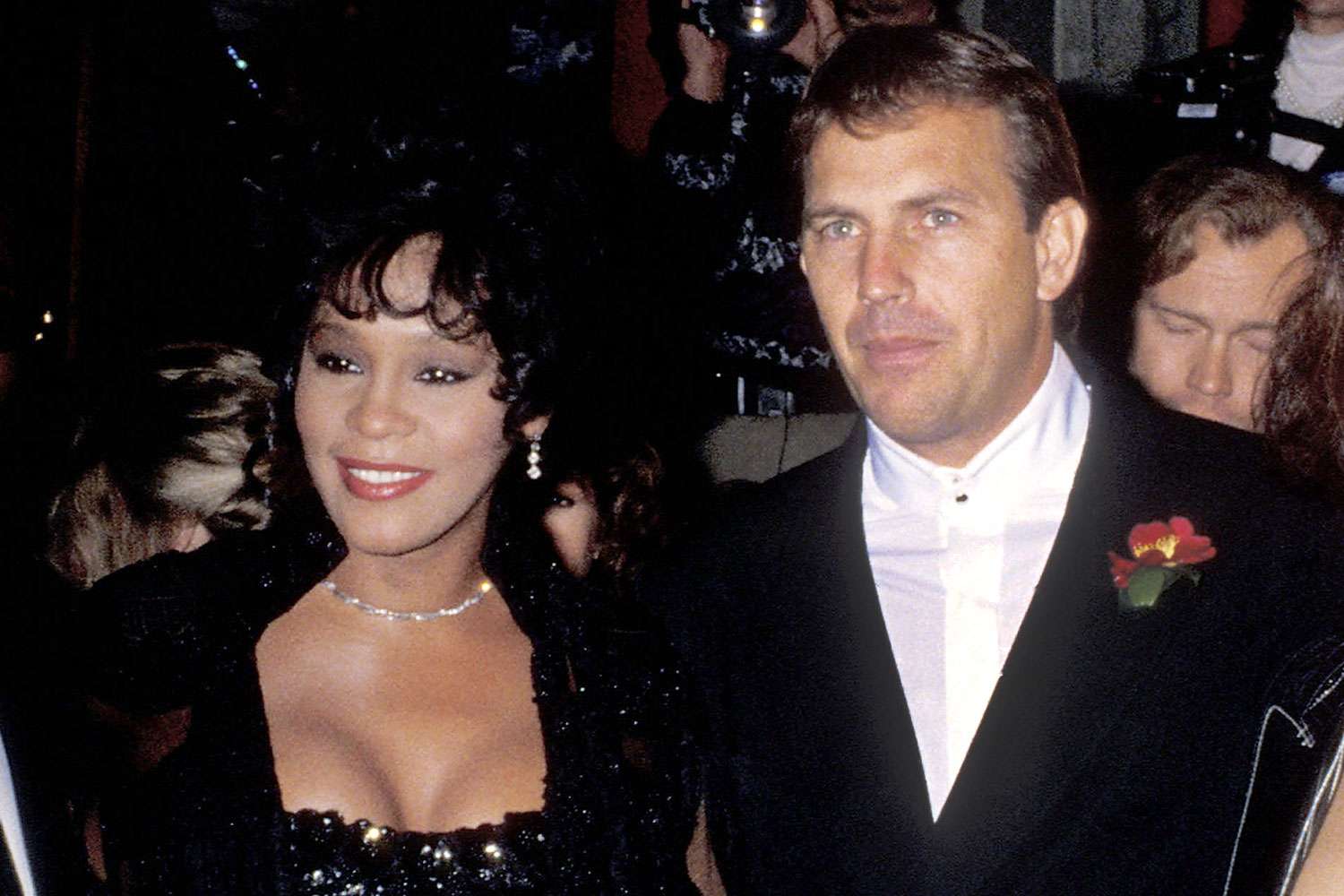
Whitney Houston’s Funeral brought together family, friends, and music legends to remember one of the greatest voices of her generation. Among those asked to speak was Kevin Costner, her co-star in The Bodyguard and a longtime friend. Yet, despite their meaningful connection, Costner initially questioned whether he was the right person to deliver a tribute. A heartfelt phone call from Dionne Warwick ultimately changed his mind, leading to one of the most memorable moments of the service.
Comments 0