Why Jeffrey Epstein’s Name Keeps Resurfacing in Celebrity News
The name Jeffrey Epstein continues to appear in headlines years after his death because the scope of his social network was vast—and his ability to embed himself among wealthy and powerful circles remains disturbing.
Epstein’s case has become symbolic of:
-
Elite privilege and lack of accountability
-
Hidden networks of influence
-
Institutional failure
Every time new documents, interviews, or photos circulate online, attention reignites—not just toward Epstein, but toward anyone who may have crossed paths with him.

Which Bravo Stars Are Being Discussed?
The main Bravo-related names being discussed in connection with Epstein include:
-
Caroline Stanbury
-
Whitney Sudler-Smith
-
Carole Radziwill
These individuals are known for their appearances in Bravo’s reality TV universe and their ties to elite social environments—spaces where Epstein also operated.
However, it’s important to clarify: being mentioned in online discussions does not mean wrongdoing is proven.
Caroline Stanbury: Wealth, Social Circles, and Viral Claims
Caroline Stanbury, best known for her presence in luxury-centered reality television, has been linked to the controversy largely because of her connections to high society and wealthy social circles.
The internet’s speculation appears to focus on:
-
Old photos allegedly showing social overlap
-
The assumption that elite circles are interconnected
-
The idea that public figures “must have known”
But critics of the viral narrative argue that high society events often include hundreds of people, making casual proximity common—and not necessarily meaningful.

Whitney Sudler-Smith: Producer Fame and Old Associations
Whitney Sudler-Smith, a producer and reality TV figure, is also being discussed due to his family background and connections to wealthy environments.
Online commentary has centered around:
-
Old social rumors
-
Speculation about elite networking
-
Curiosity about who had access to Epstein’s circle
Much of the conversation is based on assumptions about proximity rather than confirmed evidence.
This reflects a broader pattern: when Epstein is involved, the public often treats association as implication—even when no direct wrongdoing is shown.
Carole Radziwill: Journalism, New York Society, and Public Scrutiny
Carole Radziwill’s name has drawn particularly strong attention due to her reputation beyond reality TV. Before her Bravo career, she worked as a journalist and moved in politically connected circles.
Radziwill has previously addressed her proximity to Epstein in social settings, and she has publicly denied any involvement or close personal relationship with him.
Her case highlights one of the most important distinctions in the Epstein conversation:
-
Being socially adjacent is not the same as being complicit.
The Internet’s “Sleuth Culture” and the Rise of Viral Investigations
In recent years, online communities have become increasingly aggressive in investigating celebrities. Fans and critics alike use digital archives to trace:
-
Photos
-
guest lists
-
old interviews
-
social media follows
-
event attendance
This sleuth culture can sometimes uncover legitimate information, but it also frequently spreads misinformation, especially when fueled by emotion.
Epstein-related content is particularly vulnerable to this dynamic because it triggers intense moral outrage—often before facts are verified.
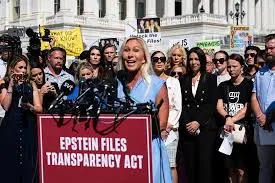
What We Know vs. What’s Being Assumed
What Is Generally Known
-
Epstein attended many high-profile events
-
He pursued connections with influential people
-
Many public figures encountered him socially
What Is Not Automatically True
-
Attending an event means endorsing him
-
Appearing in a photo implies involvement
-
Social proximity equals knowledge of crimes
The internet often collapses these distinctions, which can create unfair narratives.
Why Epstein’s Social Strategy Was So Effective
One reason Epstein was able to move through elite circles for so long is that he understood how social credibility works.
His strategy reportedly involved:
-
Networking with high-status individuals
-
Creating an image of wealth and legitimacy
-
Hosting events with influential guests
-
Using association as a shield
This means that many people may have crossed paths with him without understanding the scope of his criminal behavior.
The Bravo Effect: Why Reality Stars Get Amplified
Bravo personalities are uniquely vulnerable to viral controversies because they are already positioned as “public drama figures.”
Reality TV fame comes with:
-
Intense parasocial scrutiny
-
constant online commentary
-
audience-driven narratives
When serious topics emerge, these stars are often treated as characters rather than real people, making it easier for speculation to spiral.
Why This Story Is Trending Right Now
This controversy appears to have reignited due to a mix of:
-
resurfaced old content
-
renewed interest in Epstein documents
-
viral posts connecting reality TV to elite networks
-
algorithm amplification of outrage-based content
When a story involves Epstein, it tends to spread quickly because it triggers moral alarm.
The Danger of “Cancel Culture” Without Proof
Epstein is one of the most emotionally charged subjects in modern news. That emotional weight makes it especially important to avoid unfounded conclusions.
Public accusations without evidence can lead to:
-
harassment
-
career damage
-
misinformation becoming “fact”
-
distraction from real accountability
The desire for justice is understandable, but justice requires accuracy.
Why People Still Want Accountability
The Epstein case remains deeply unresolved in the public mind. Many people believe powerful individuals escaped scrutiny, and that belief fuels a culture of suspicion.
For audiences, questioning social ties is a way of asking:
-
Who knew what?
-
Who enabled him?
-
Who benefited?
These questions matter—but they must be handled responsibly.
What Bravo and the Stars Have Said
As of now, there has been no major coordinated response from Bravo addressing the viral speculation.
This is not unusual. Networks often avoid commenting when:
-
there are no legal allegations
-
claims are based on social media speculation
-
public statements could increase liability
Meanwhile, the individuals named have either denied close ties in the past or have not engaged directly with the newest viral claims.
The Bigger Picture: Celebrity Culture and the Internet’s Need for Narratives
The Bravo-Epstein discussion reflects a deeper truth about the internet: people want stories to have clear villains, heroes, and accountability arcs.
But real life is often messier.
Elite social circles are full of:
-
shallow connections
-
professional networking
-
fleeting encounters
-
public events with hundreds of attendees
That complexity doesn’t translate well to viral discourse.
Final Thoughts: A Serious Topic Requires Serious Standards
The fact that Bravo stars are being mentioned in connection with Jeffrey Epstein is undeniably attention-grabbing—but attention is not evidence.
This story is a reminder that:
-
Epstein’s network was broad
-
social proximity is common in elite spaces
-
online speculation can harm innocent people
-
accountability must be rooted in verified facts
In an era where a screenshot can become a headline, the public must demand truth—not just viral momentum.
Because when the subject is as serious as Epstein, the cost of misinformation is too high.
How David Bowie Reinvented Himself and Changed Music Forever
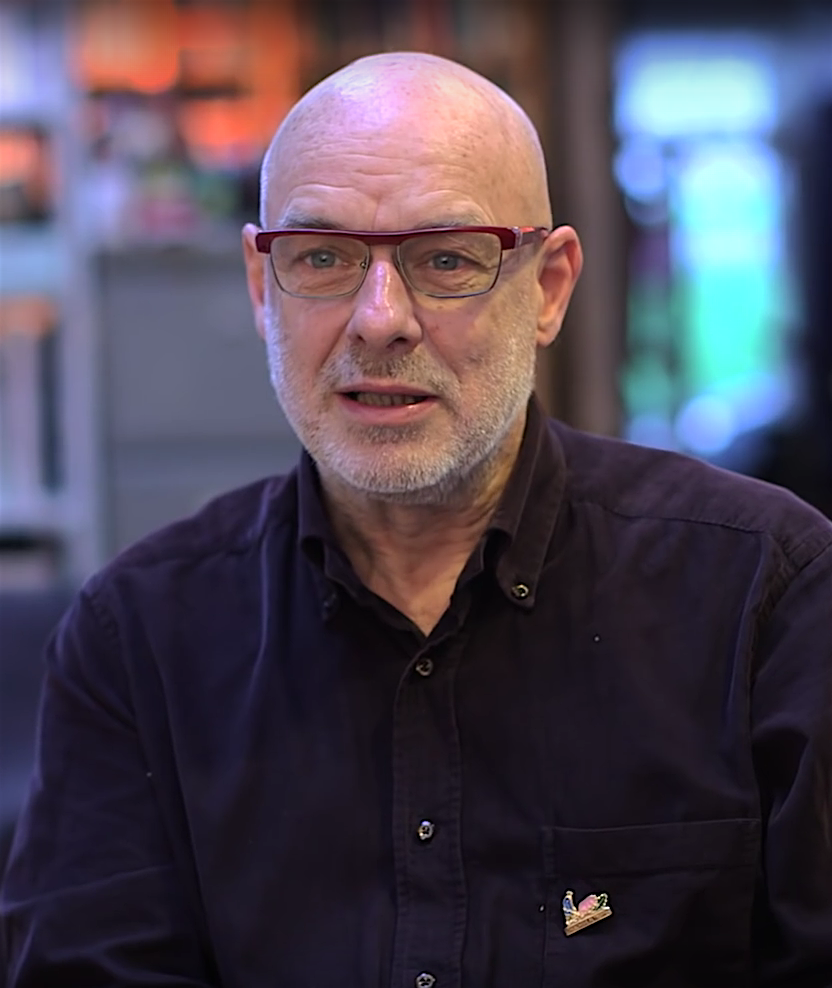
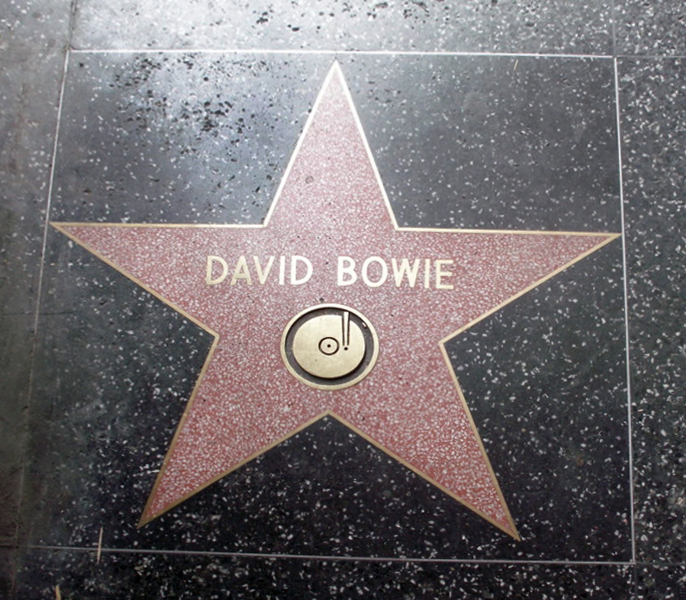
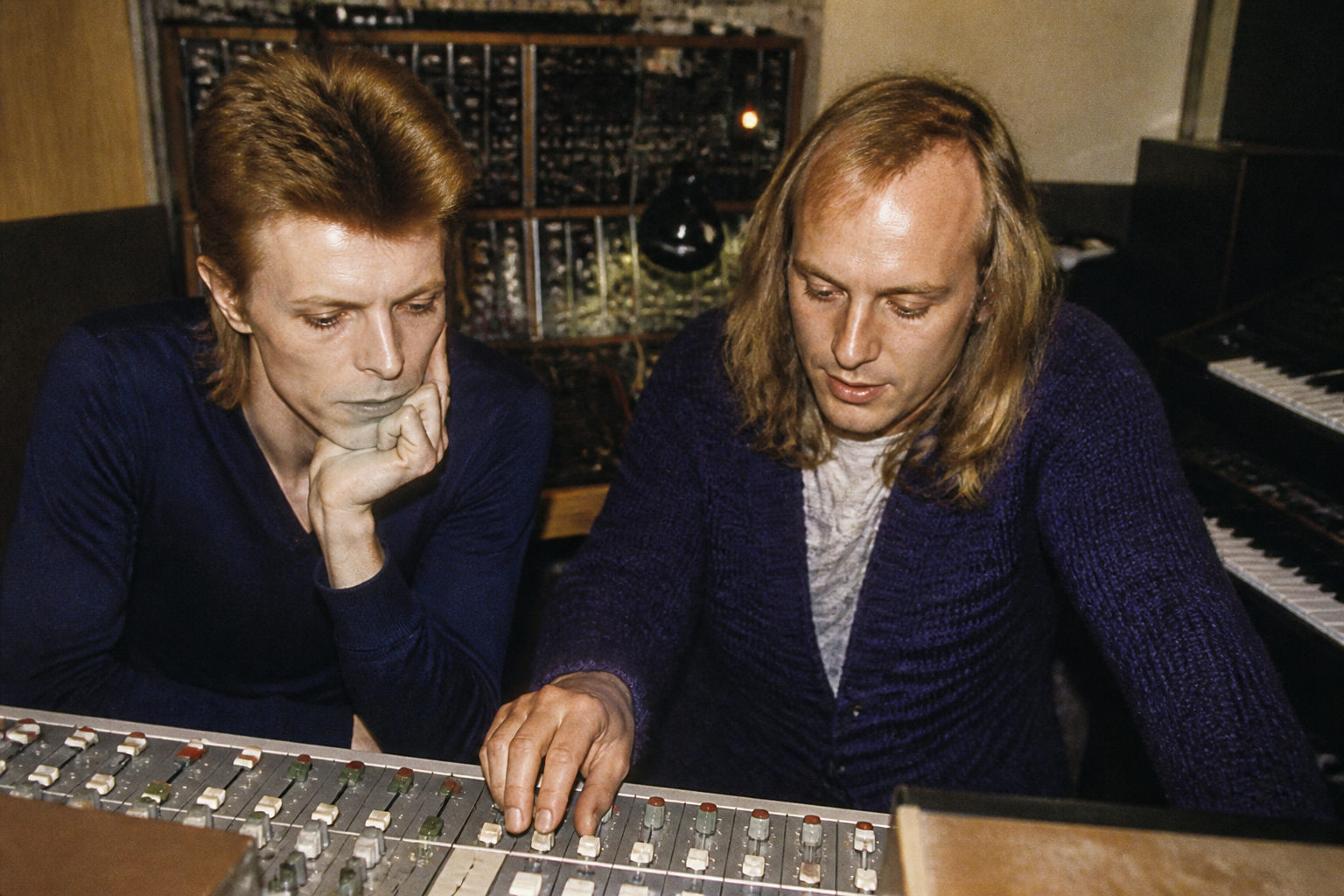
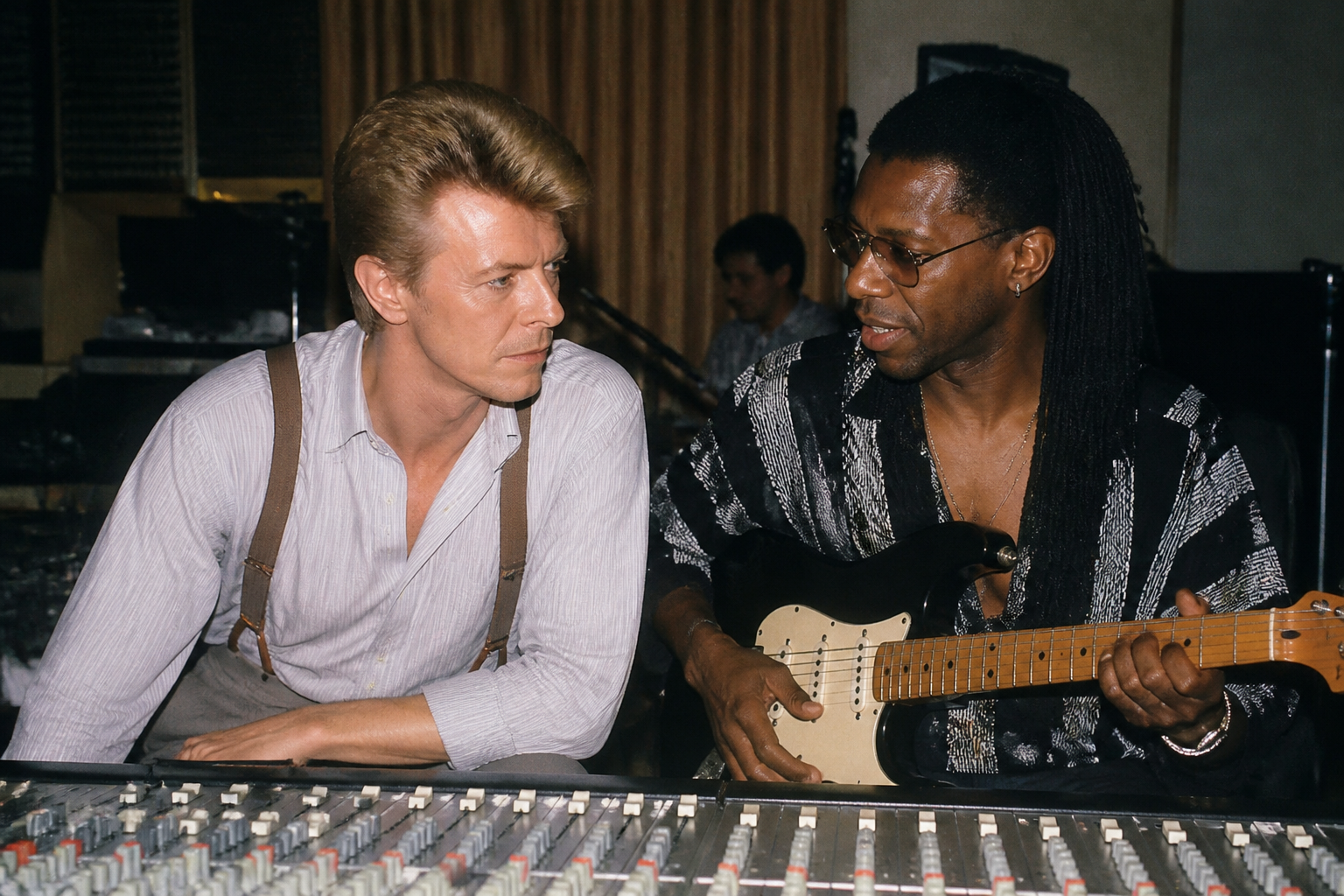
David Bowie made reinvention part of his artistic identity, and popular music has never quite looked the same. Across five decades, he treated image, sound, and performance as connected pieces of one creative vision. That approach made him one of the clearest examples of how a single artist could reshape an era without staying in one place for long.

Comments 0