Alzheimer’s disease has long been one of the most devastating and elusive neurological conditions of our time. Affecting millions of families worldwide, it slowly erodes memory, personality, and independence—often with no effective way to stop its progression. But what if a potential treatment didn’t involve drugs, injections, or surgery?
What if it was as simple as listening to a sound?
Emerging research suggests that 40-hertz (40Hz) sound stimulation—a specific frequency tied to brain activity—could help slow or alter the progression of Alzheimer’s disease. While the idea may sound almost too simple, the science behind it is complex, compelling, and gaining serious attention in the neuroscience community.
This article explores how sound therapy works, why 40Hz matters, what current research shows, and what this breakthrough could mean for the future of Alzheimer’s treatment.
Understanding Alzheimer’s Disease: A Global Challenge

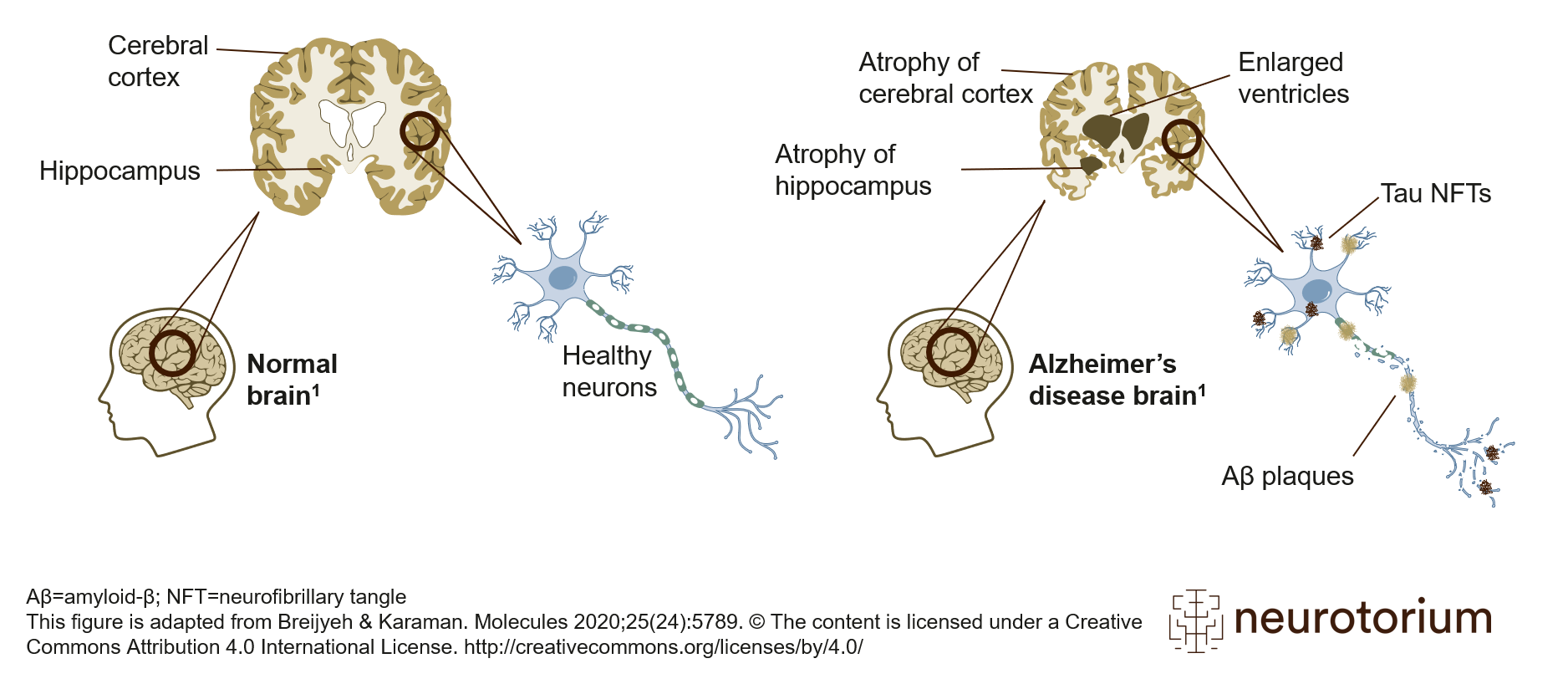


Alzheimer’s disease is the most common form of dementia, accounting for up to 70% of cases worldwide. It is characterized by:
-
Progressive memory loss
-
Difficulty with language and reasoning
-
Personality and behavioral changes
-
Decline in daily functioning
At a biological level, Alzheimer’s is associated with:
-
Amyloid-beta plaques (toxic protein buildups between neurons)
-
Tau tangles (twisted fibers inside neurons)
-
Chronic brain inflammation
-
Loss of neural connections
Despite decades of research, most existing treatments focus on managing symptoms, not reversing or halting the disease.
Why Traditional Treatments Have Fallen Short
Drug-based approaches to Alzheimer’s face major challenges:
-
Difficulty crossing the blood-brain barrier
-
Mixed clinical trial results
-
High costs and side effects
-
Limited effectiveness in late-stage disease
These hurdles have pushed scientists to explore non-pharmaceutical interventions, including lifestyle changes, brain stimulation, and now—sound.
The Science of Brain Waves: Why 40Hz Matters

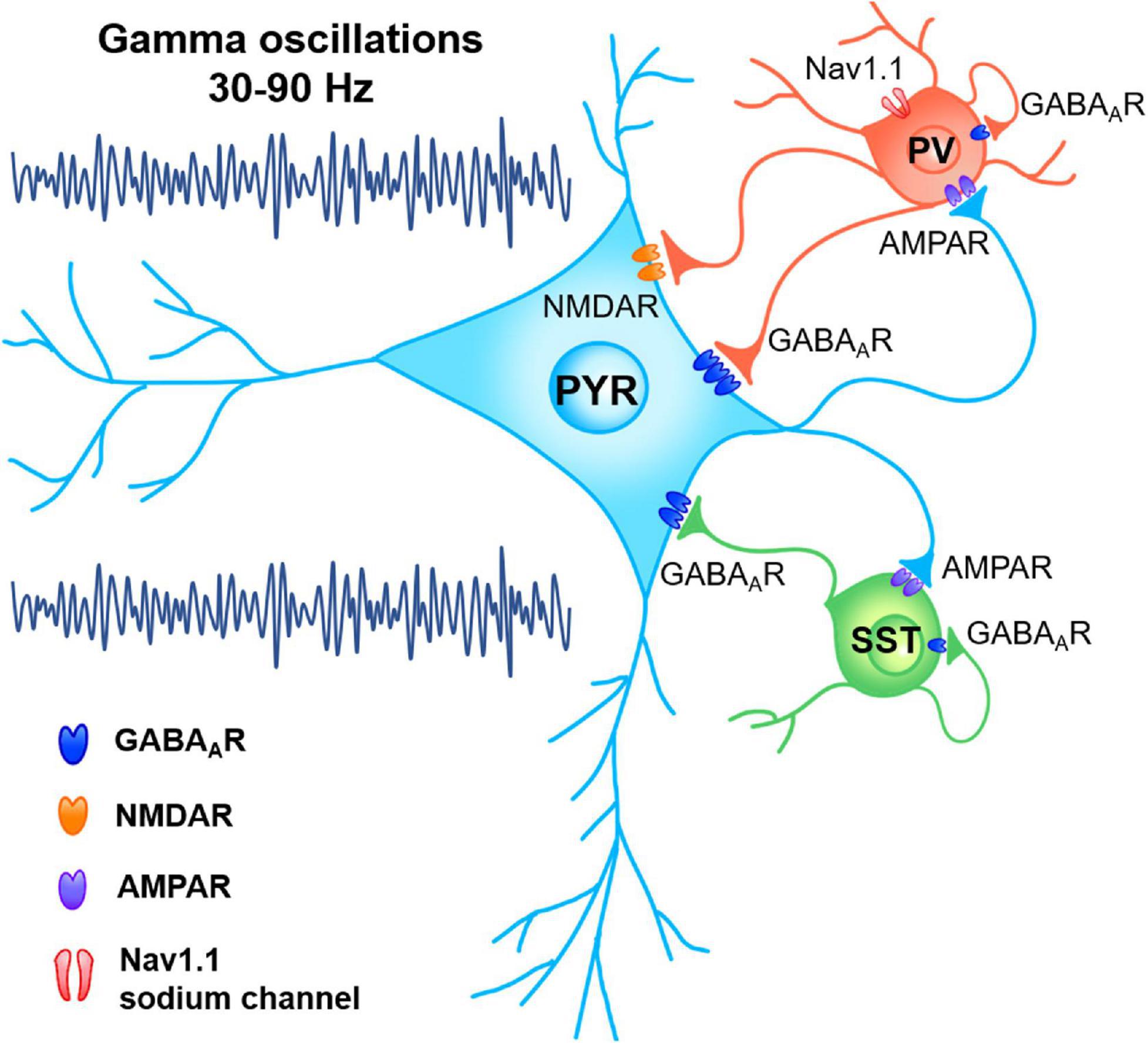
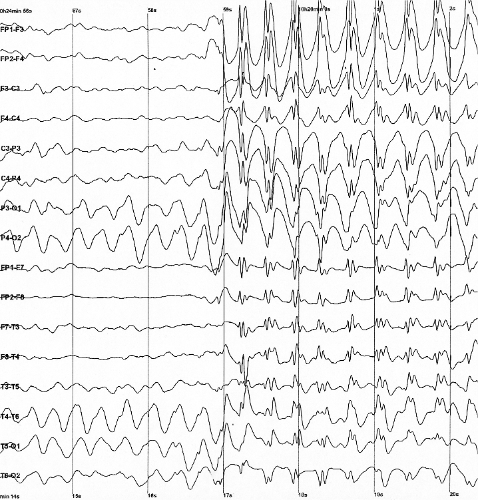

The human brain operates using electrical signals that form rhythmic patterns called brain waves. These waves are categorized by frequency:
-
Delta (deep sleep)
-
Theta (drowsiness, creativity)
-
Alpha (relaxation)
-
Beta (focus, problem-solving)
-
Gamma (30–100Hz) – associated with memory, learning, and attention
40Hz lies squarely in the gamma range, which is crucial for higher cognitive functions.
The Alzheimer’s Connection
Studies have shown that people with Alzheimer’s often exhibit reduced gamma wave activity, especially at 40Hz. This reduction may impair the brain’s ability to clear toxic proteins and maintain healthy neural communication.
How 40Hz Sound Therapy Works
40Hz sound therapy involves exposing patients to rhythmic auditory stimulation—usually through headphones or speakers—designed to entrain the brain to produce gamma waves at the same frequency.
This process is known as neural entrainment.
What Happens in the Brain?
When the brain synchronizes to a 40Hz stimulus, researchers believe it may:
-
Activate microglia (the brain’s immune cells)
-
Increase clearance of amyloid-beta plaques
-
Improve neural communication
-
Reduce inflammation
-
Support cognitive function
Importantly, this method is:
-
Non-invasive
-
Drug-free
-
Relatively low-cost
-
Easy to administer
What Research Has Shown So Far

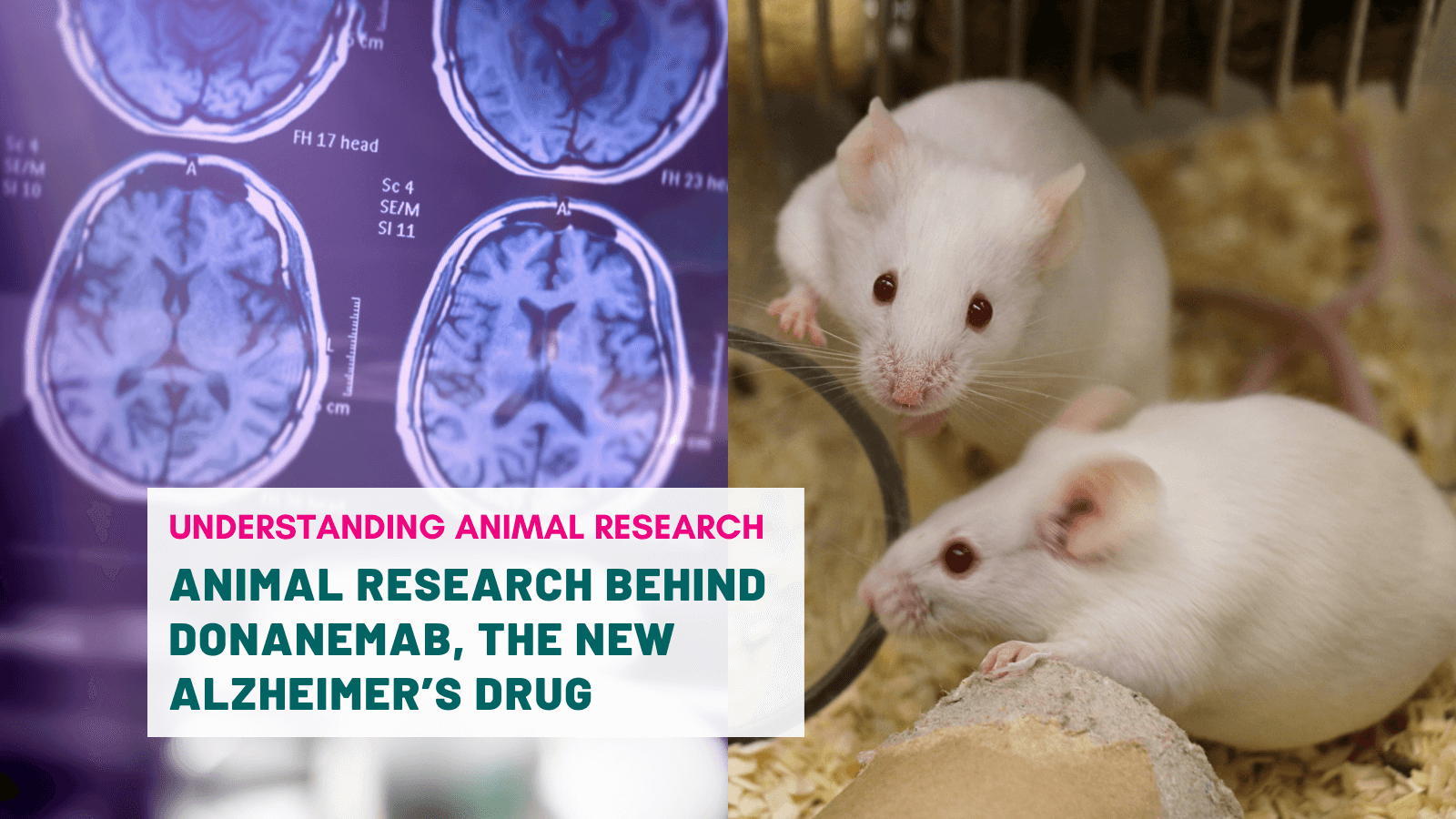
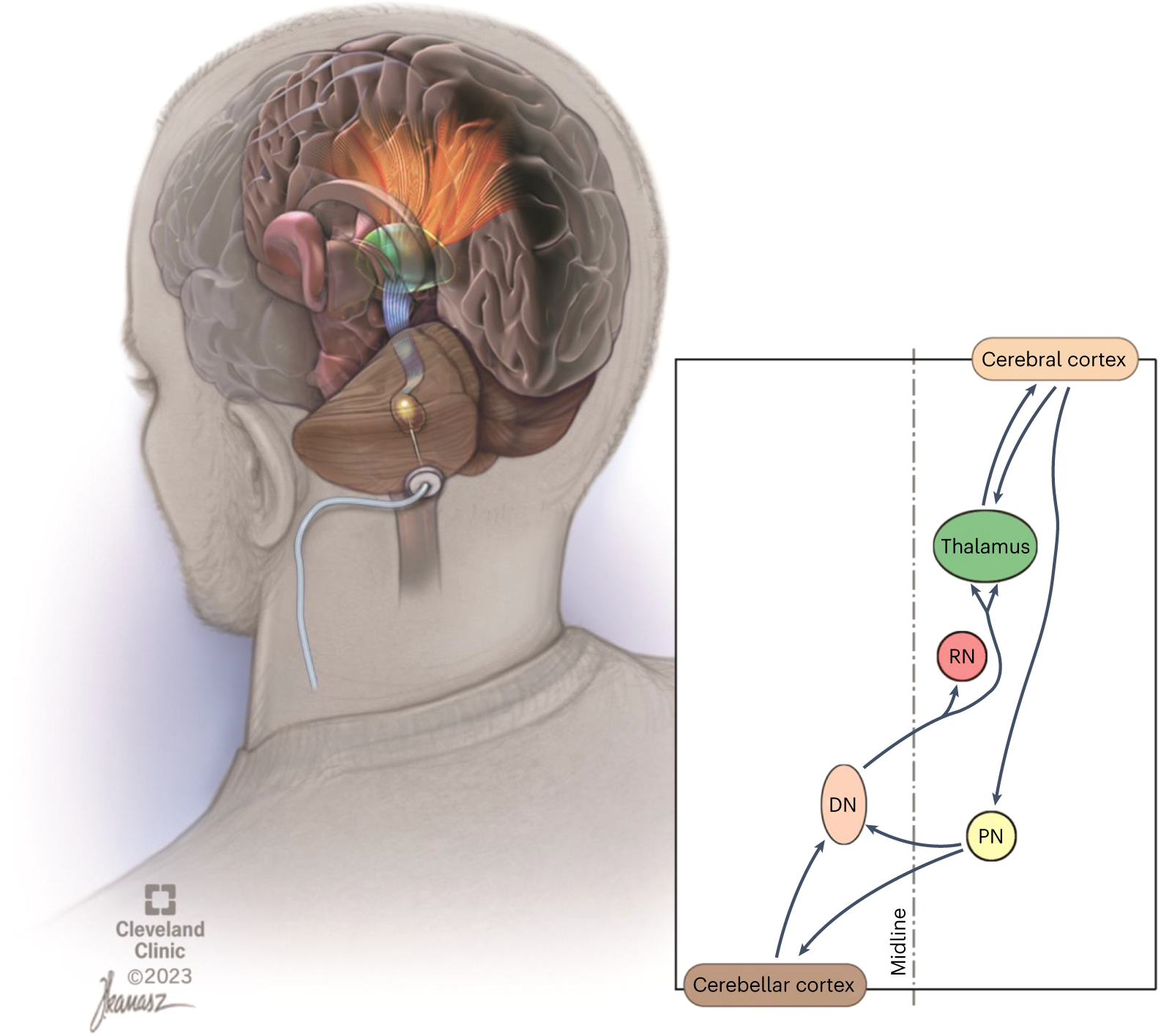
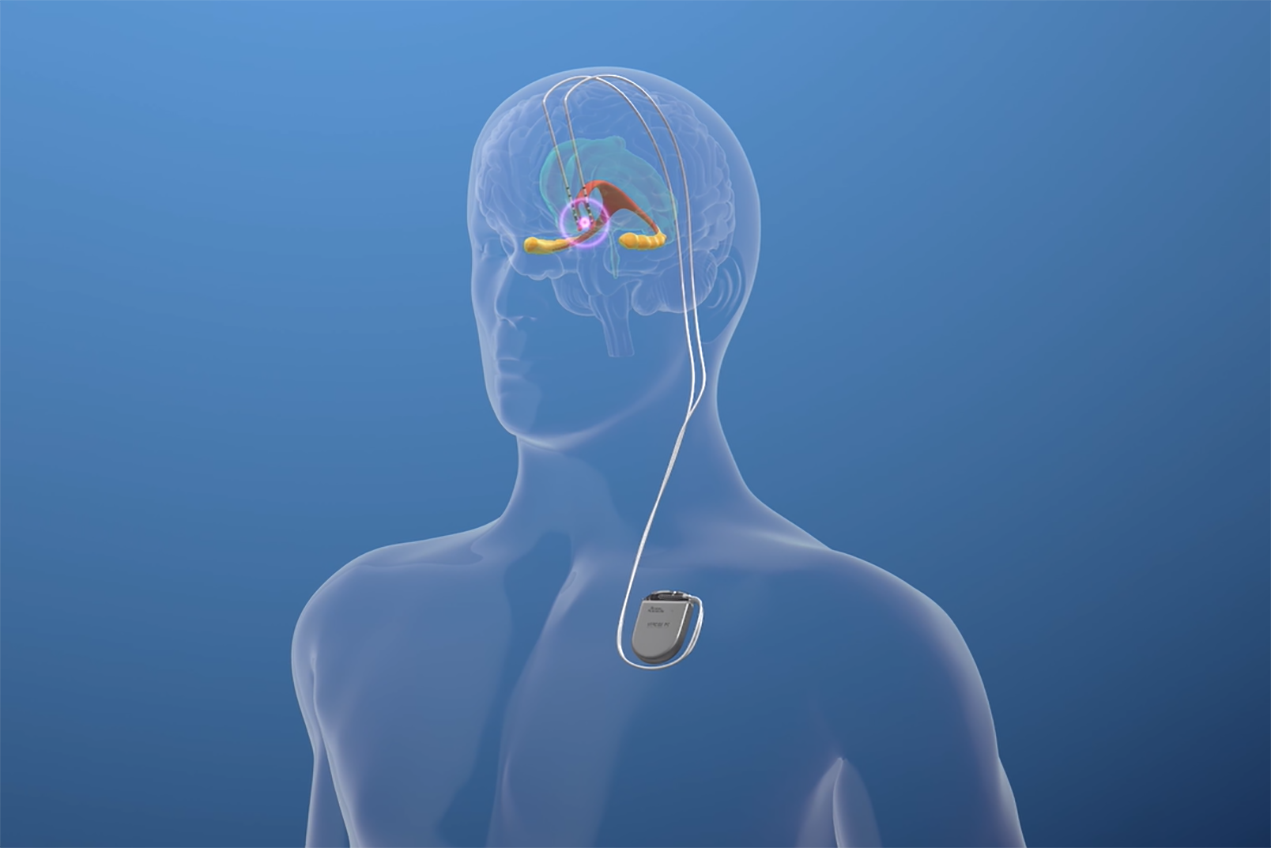
Early Animal Studies
Initial experiments in animal models demonstrated that 40Hz stimulation—via sound or light—reduced amyloid plaques and improved brain function in mice genetically predisposed to Alzheimer’s.
Human Studies
More recent small-scale human studies have explored:
-
Safety of prolonged 40Hz sound exposure
-
Changes in brain activity patterns
-
Potential cognitive benefits
While results are still preliminary, researchers have observed:
-
Improved gamma wave synchronization
-
Subtle cognitive stabilization in some participants
-
No significant adverse effects
Why Sound Instead of Light?
Earlier experiments also tested 40Hz light stimulation, but sound offers several advantages:
-
Easier to use at home
-
More accessible for visually impaired patients
-
Less risk of discomfort or headaches
-
Better suited for long-term use
Audio-based therapy may also engage broader neural networks, including those tied to language and memory.
A Realistic Scenario: Therapy at Home
Imagine an older adult diagnosed with early-stage Alzheimer’s. Instead of relying solely on medication, they follow a daily routine:
-
30–60 minutes of listening to specially designed 40Hz audio
-
Comfortable headphones or ambient speakers
-
No disruption to daily life
Over time, this therapy could become part of a multimodal treatment plan, alongside exercise, nutrition, and cognitive training.
Limitations and Cautions
Despite the excitement, experts urge caution.
What We Still Don’t Know
-
Long-term effectiveness
-
Optimal duration and intensity
-
Best stage of disease for intervention
-
Individual variability in response
Researchers emphasize that 40Hz sound therapy is not a cure—at least not yet.
Ethical and Practical Considerations


Because sound therapy is relatively easy to replicate, concerns include:
-
Unregulated commercial products making exaggerated claims
-
Patients self-treating without medical guidance
-
Unequal access to validated technology
Medical experts stress the importance of clinical oversight and evidence-based protocols.
How This Fits Into the Future of Alzheimer’s Care
40Hz sound therapy represents a broader shift toward:
-
Non-invasive neuromodulation
-
Personalized brain health interventions
-
Preventive and early-stage treatment strategies
Combined with advances in imaging, genetics, and AI-driven diagnostics, sound-based therapies could play a meaningful role in future care models.
What Experts Are Saying
Many neuroscientists describe the findings as “encouraging but early.”
“The idea that we can influence disease pathways through sensory stimulation is revolutionary,” one researcher noted. “But we must validate it rigorously.”
This cautious optimism underscores both the promise and responsibility of innovation.
What Patients and Families Should Know
If you or a loved one is affected by Alzheimer’s:
-
Be skeptical of unproven claims
-
Look for clinical trial opportunities
-
Discuss emerging therapies with healthcare providers
-
Stay informed as research evolves
Sound therapy may eventually become part of mainstream treatment—but it should complement, not replace, professional care.
Final Thoughts: A New Way to Listen to Hope
Alzheimer’s disease has long demanded complex, expensive solutions. The possibility that something as simple as sound—carefully tuned to the brain’s natural rhythms—could help fight this disease is both humbling and inspiring.
While science is still listening closely for answers, 40Hz sound therapy reminds us that innovation doesn’t always arrive with a pill. Sometimes, it arrives with a frequency—and a promise worth hearing.
As research continues, one thing is clear: the future of brain health may sound very different from what we once imagined.
She Thought It Was Just Muscle Soreness—Then Doctors Delivered a Life-Changing Diagnosis
What started as a familiar, everyday ache quickly turned into a life-altering medical shock for one woman who assumed her discomfort was nothing more than muscle soreness.
Like many people, she blamed the pain on normal physical strain—perhaps a workout, poor posture, or sleeping awkwardly. But as the discomfort lingered and intensified, it became clear that something far more serious was happening beneath the surface.



Comments 0