For much of her career, Cheryl Hines was known primarily as a steady and reassuring presence in American comedy. Her performances were defined by warmth, subtle humor, and an ability to ground even the most chaotic scenes in emotional realism. Audiences came to associate her with characters who felt familiar and trustworthy. In recent years, however, Hines has found herself discussed not only as an actress, but as a public figure whose personal life intersects with some of the most divisive political conversations in the United States.
That shift has not been something she actively sought. Rather, it emerged gradually as her marriage to Robert F. Kennedy Jr. placed her closer to the center of political attention. As Kennedy’s public profile expanded, so did curiosity about Hines and her role within a broader political landscape that increasingly blends celebrity, ideology, and power.
A Career Built on Consistency and Credibility
Cheryl Hines’ rise in Hollywood was not driven by controversy or spectacle. Instead, it was shaped by consistency and craft. Her work often highlighted everyday relationships and understated emotional dynamics, qualities that resonated strongly with audiences. She became known for choosing roles that emphasized human connection rather than dramatic extremes.
Hines has frequently spoken about how she values longevity over visibility. In an industry often defined by trends, she focused on building trust with viewers and collaborators alike. This approach allowed her to sustain a career that felt authentic rather than reactive.
Even as Hollywood evolved, Hines maintained her belief that storytelling should reflect real experiences. She views comedy as a powerful tool for social reflection, capable of revealing truths that might otherwise be ignored. For her, humor has always been a way to explore complexity without alienating audiences.
Entering a More Politicized Public Life
Hines’ personal life became a subject of wider interest following her marriage to Robert F. Kennedy Jr., a figure whose family name carries historical weight and contemporary controversy. Kennedy’s outspoken views and political ambitions brought increased attention to those around him, including Hines.
She acknowledges that this transition required adjustment. Being associated with political discourse introduced a new level of scrutiny that extended beyond her professional achievements. Questions about her beliefs, loyalties, and intentions became more frequent, even when she had not publicly expressed political positions herself.
Hines emphasizes that marriage does not erase individuality. While she respects her husband’s convictions, she maintains her own perspective and identity. She believes relationships thrive on dialogue rather than uniformity, a principle she applies both privately and publicly.
Navigating Public Assumptions and Labels
One of the most challenging aspects of her evolving public role has been managing assumptions. In an era of heightened polarization, association alone can lead to rigid labeling. Hines has observed how quickly narratives form, often without nuance or context.
She notes that public discourse increasingly favors simplified stories. Individuals are frequently categorized based on proximity rather than personal expression. For Hines, this trend undermines meaningful conversation and discourages curiosity.
Rather than responding defensively, she has chosen a more measured approach. She believes that reacting to every assumption only reinforces division. Instead, she focuses on maintaining clarity about her values while allowing space for disagreement.
Hollywood’s Changing Relationship With Politics
Hines also reflects on how Hollywood itself has changed. The entertainment industry has become more openly political, with social issues and ideological alignment playing a larger role in public expectations. While advocacy has long been part of artistic culture, she feels the current environment leaves less room for personal interpretation.
She observes that entertainers are often expected to speak publicly on political matters, regardless of their expertise or interest. Silence can be interpreted as opposition, while dissent can invite backlash. This dynamic, she argues, places undue pressure on creative professionals.
Hines believes that art should challenge audiences but not be constrained by ideological conformity. Creativity flourishes when artists feel free to explore ideas without fear of social punishment. She worries that rigid expectations may limit that freedom.
Life Near the Trump Political Orbit
As Kennedy’s connections extended into circles associated with former President Donald Trump, Hines found herself indirectly linked to yet another layer of political controversy. Media narratives often framed her proximity as endorsement, even when she had not made public statements to that effect.
She describes this experience as both surreal and instructive. It revealed how public figures are often reduced to symbols within larger political battles. In such an environment, nuance becomes collateral damage.
Hines stresses that proximity does not equal alignment. She believes it is possible to engage with people across ideological lines without adopting their views. In fact, she argues that dialogue across differences is essential for a functioning democracy.
Maintaining Personal Boundaries
With increased attention came the need for stronger boundaries. Hines has become more selective about what she shares publicly, particularly regarding family life. She recognizes that transparency has limits, especially in a media environment driven by constant analysis.
Social media, she notes, amplifies judgment while compressing context. A single image or statement can be interpreted in countless ways. To protect her well being, Hines has learned when to disengage and step back from online discourse.
She encourages others in similar positions to prioritize mental health and perspective. Public opinion, she reminds, is temporary, while personal integrity is lasting.
The Broader Cultural Moment
Hines’ experience reflects a broader cultural shift in which fame, politics, and influence are increasingly intertwined. Celebrities are no longer seen solely as entertainers but as participants in ideological narratives. This shift has altered how audiences relate to public figures.
She believes this moment calls for greater empathy. Reducing individuals to political symbols dehumanizes them and limits understanding. Hines advocates for a return to curiosity, where disagreement does not preclude respect.
Her perspective is shaped by years of observing human behavior through comedy. She understands that people are complex and often contradictory. Embracing that complexity, she argues, is essential for healthier public discourse.
Looking Forward With Intention
Despite the challenges, Cheryl Hines remains optimistic about the future. She continues to pursue creative projects that align with her values and interests. She also remains engaged as a citizen who cares deeply about the direction of American society.
Rather than retreating from public life, she aims to navigate it with intention. She hopes her experience can illustrate that it is possible to remain grounded even when personal life intersects with powerful forces.
Hines does not claim certainty in a time defined by uncertainty. Instead, she emphasizes the importance of listening, reflection, and humility. In a polarized world, these qualities may be more valuable than ever.
By staying true to her principles and maintaining openness to dialogue, Cheryl Hines continues to carve out a space where art, personal integrity, and civic awareness coexist. Her story serves as a reminder that behind every headline is a human being navigating complexity, just like everyone else.
How David Bowie Reinvented Himself and Changed Music Forever
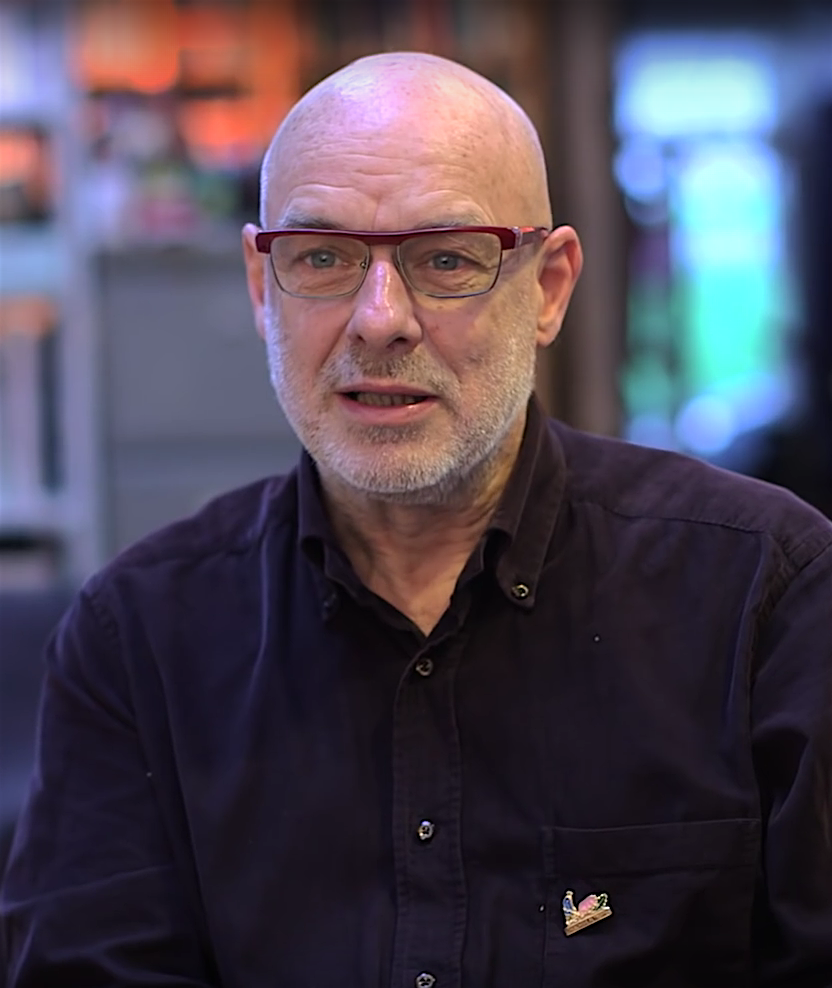
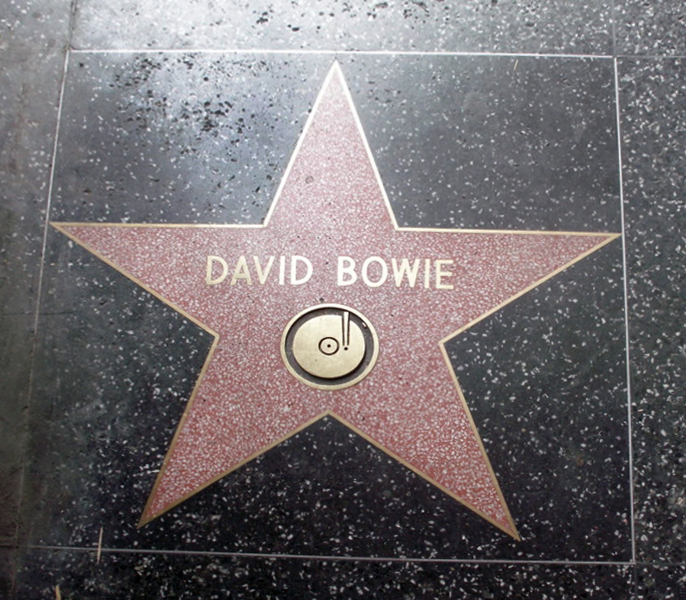
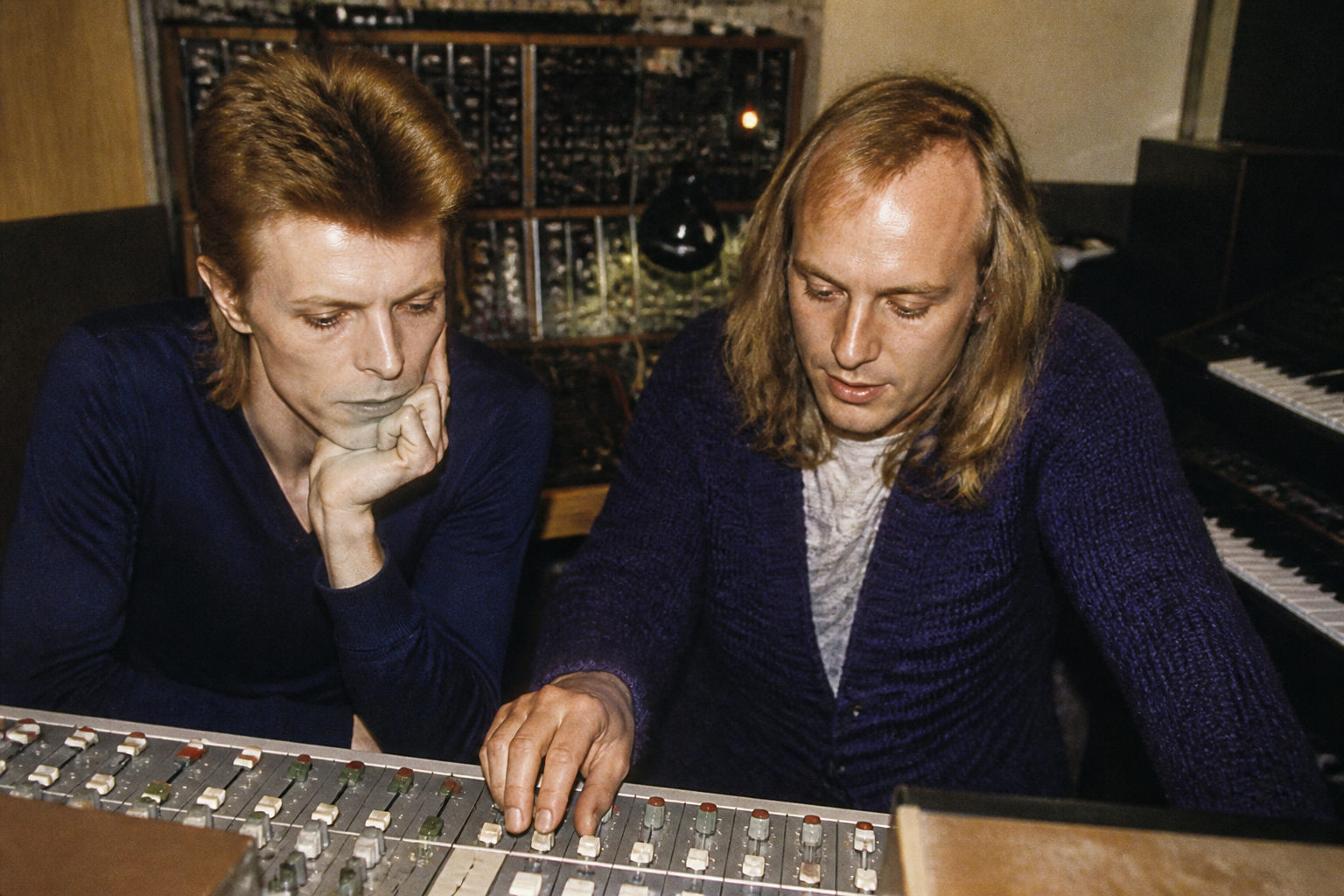
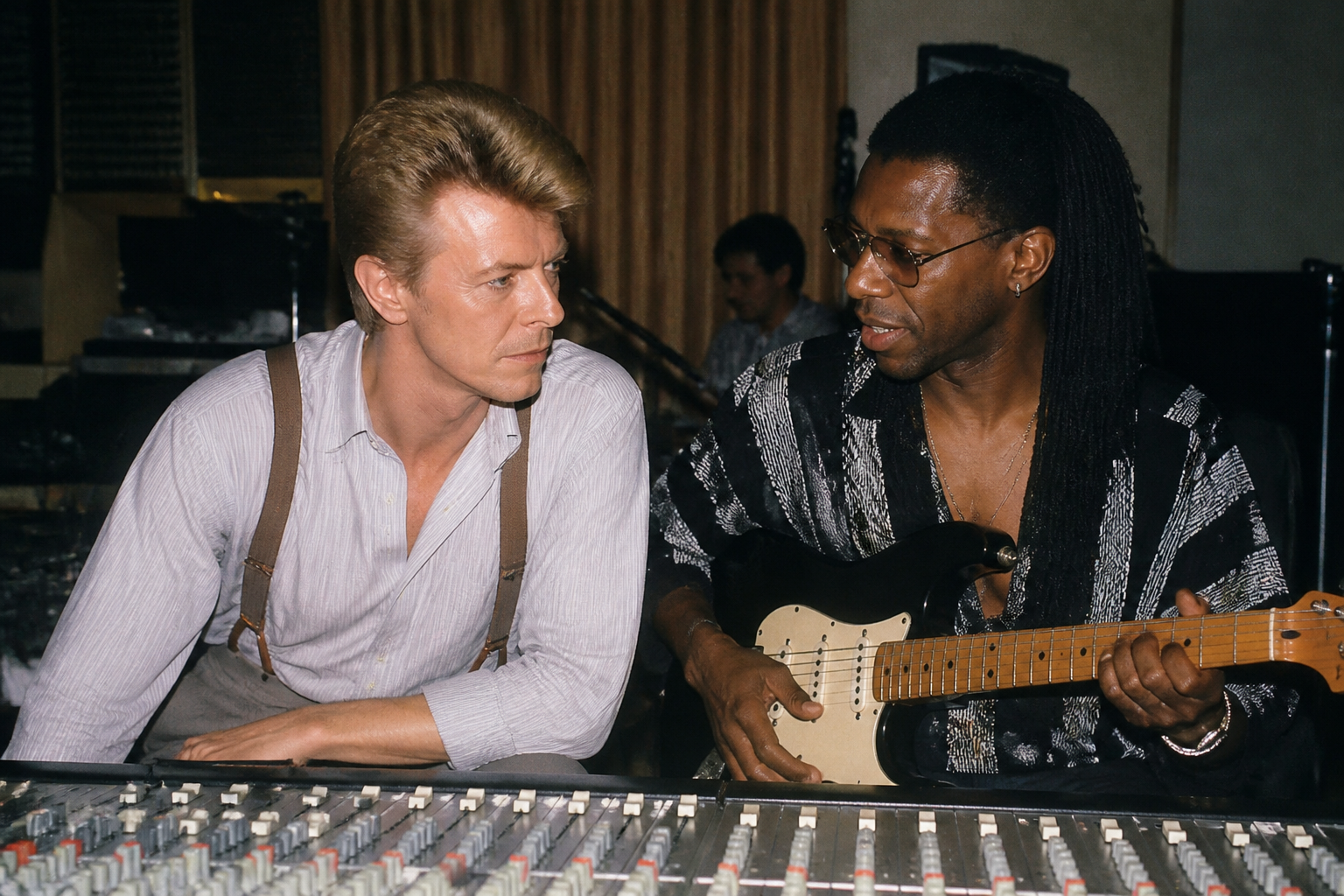
David Bowie made reinvention part of his artistic identity, and popular music has never quite looked the same. Across five decades, he treated image, sound, and performance as connected pieces of one creative vision. That approach made him one of the clearest examples of how a single artist could reshape an era without staying in one place for long.

Comments 0