A powerful winter storm system is sweeping across large portions of the United States, prompting meteorologists to issue winter storm warnings and hazard alerts for millions of residents. Forecasts warn of heavy snowfall, icy roads, near-zero visibility, and dangerous travel conditions, with some areas facing the most disruptive winter weather of the season.
Officials are urging the public to avoid unnecessary travel, prepare for possible power outages, and closely monitor weather updates as the storm intensifies.
What Is Driving This Winter Storm?

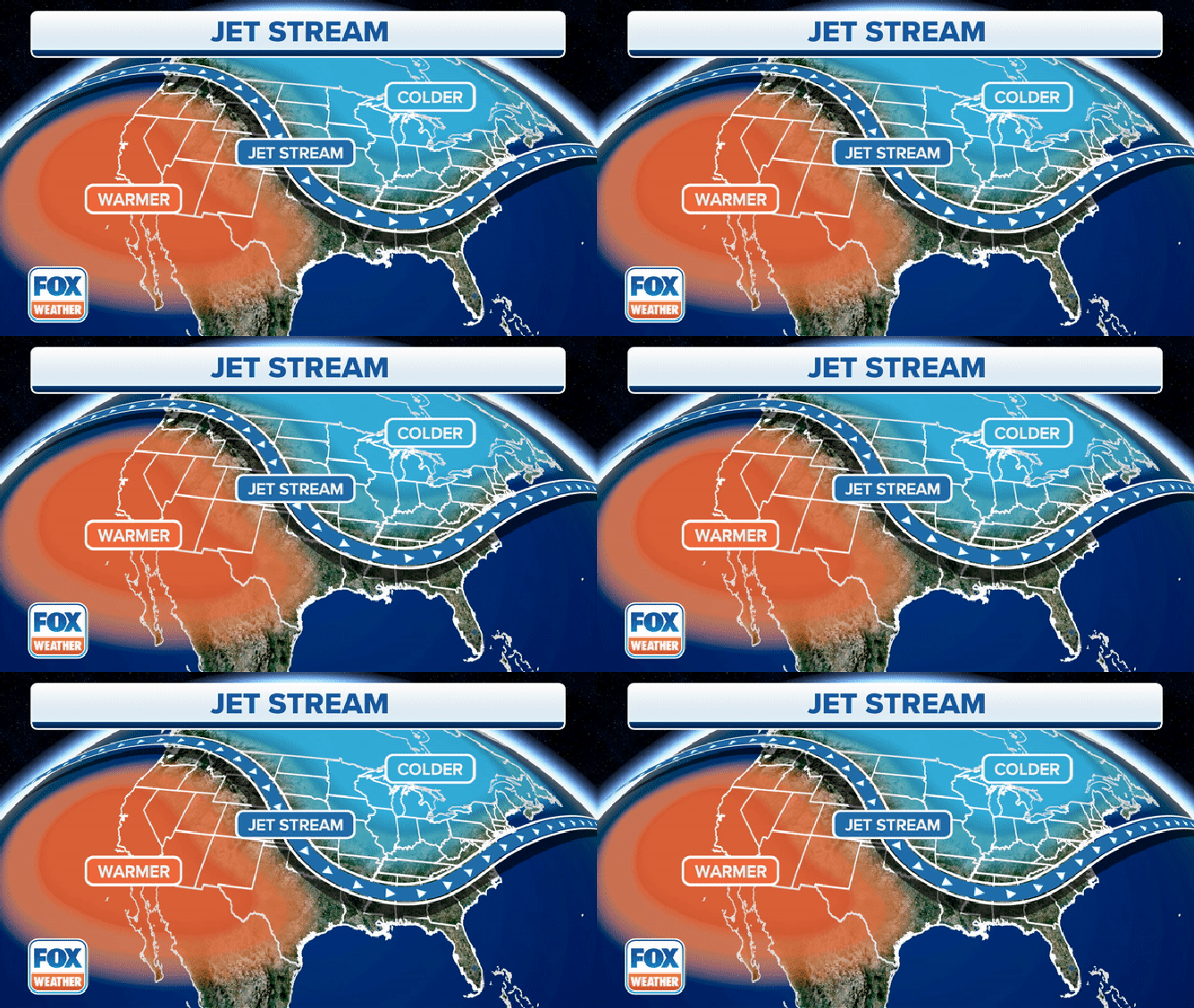

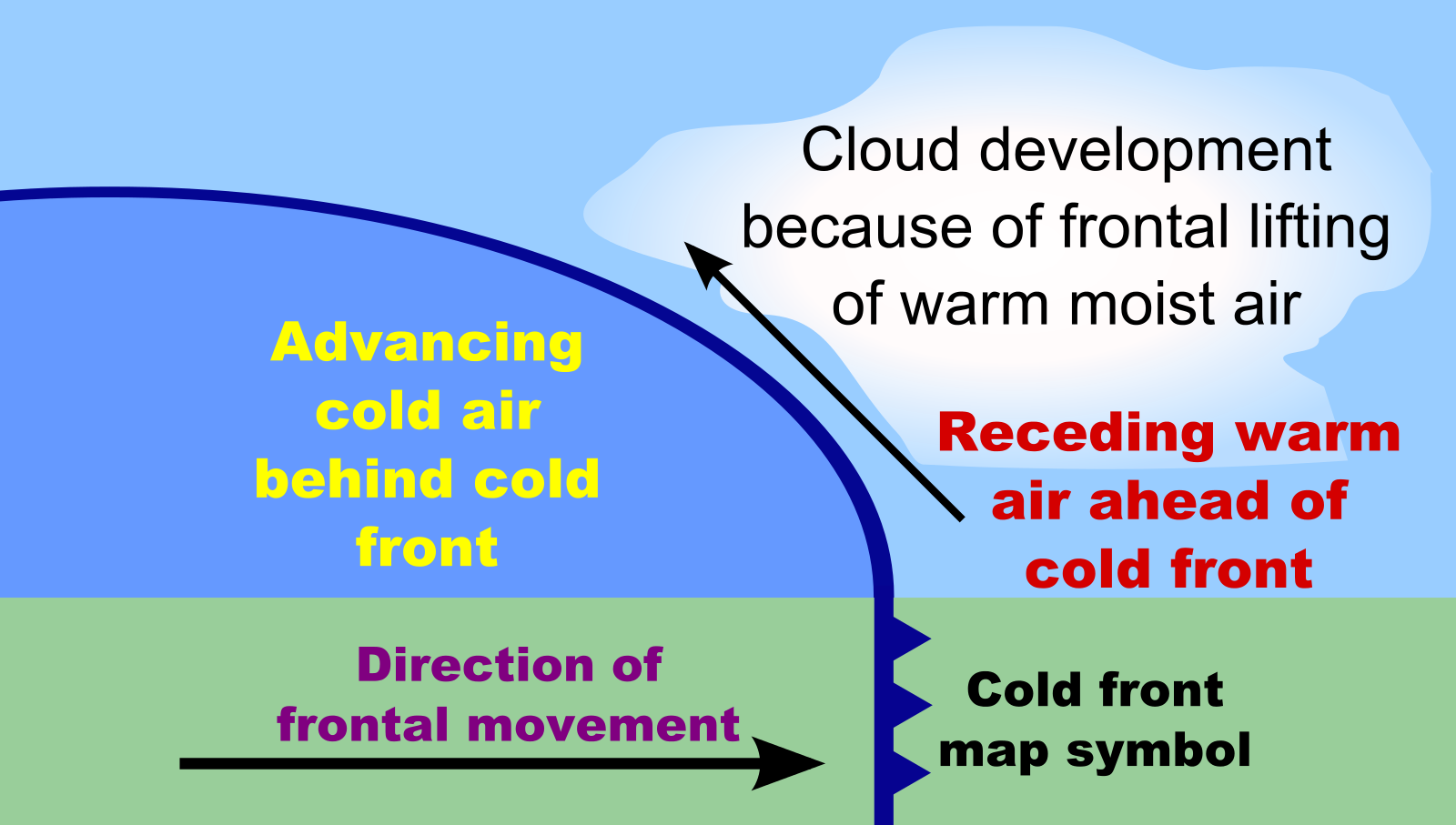
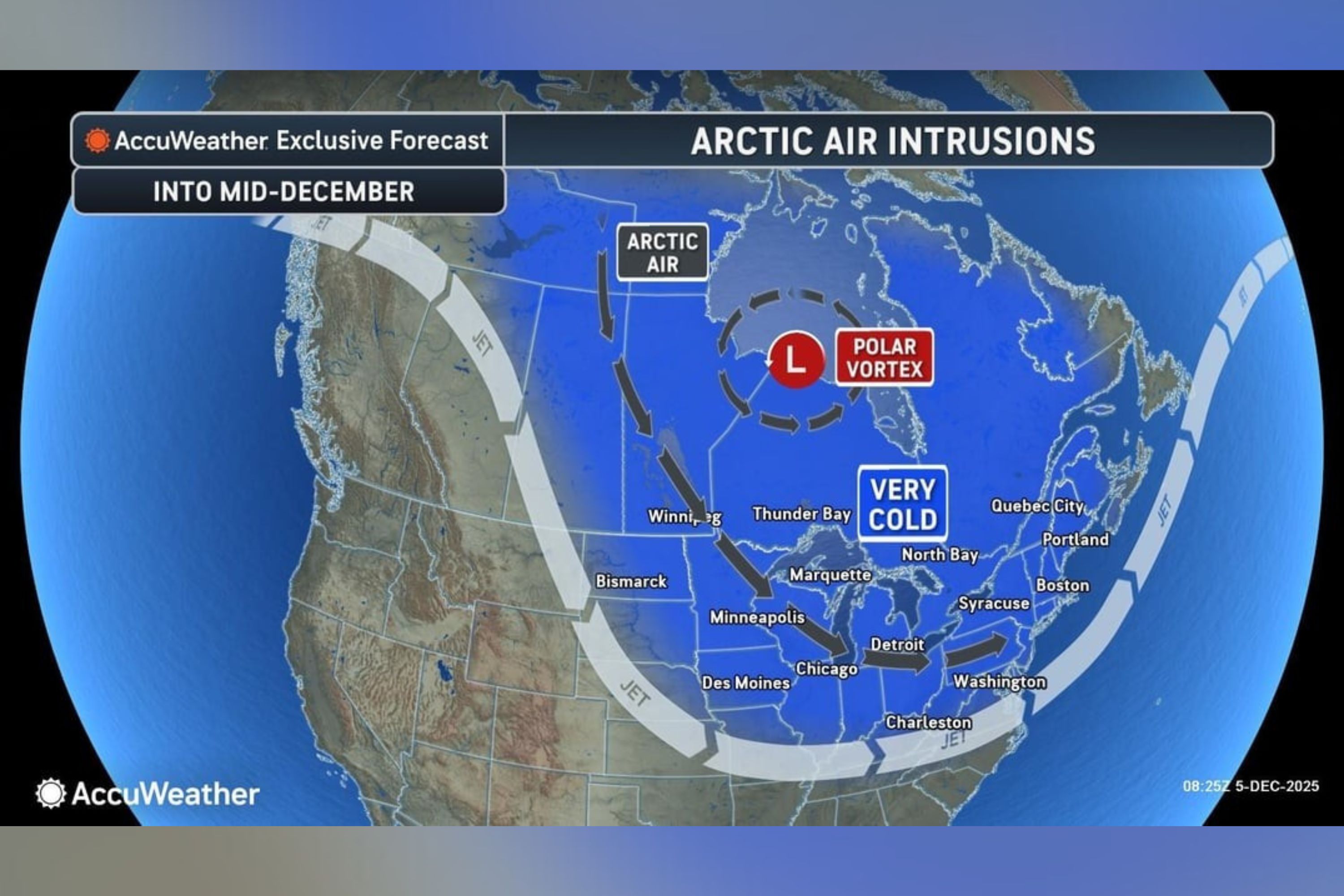
Meteorologists say the storm is being fueled by a collision of Arctic air and moisture-rich systems moving across the central and eastern United States. As frigid air plunges southward, it interacts with warmer air masses, creating ideal conditions for intense snowfall and ice accumulation.
This setup can rapidly escalate from light snow into whiteout blizzard conditions, particularly in open and rural areas.
Key contributing factors include:
-
A strong upper-level jet stream pattern
-
Arctic air pushing far south of normal
-
Moisture from the Gulf and Atlantic systems
Together, these ingredients increase the risk of prolonged snowfall and treacherous conditions.
Regions Under Winter Storm Warnings
Winter storm warnings and advisories now stretch across multiple states, affecting major cities as well as rural communities.
Areas Most at Risk
-
Upper Midwest and Great Lakes region
-
Northeast and parts of New England
-
Central Plains and Midwest corridors
-
Mountain regions vulnerable to heavy accumulation
Some locations could see 6–12 inches of snow, while higher elevations may receive even more.
Why This Storm Is Especially Dangerous


Weather experts warn that this storm poses multiple overlapping hazards, not just snowfall.
1. Hazardous Travel Conditions
-
Snow-covered and icy roads
-
Reduced visibility from blowing snow
-
Increased risk of vehicle accidents
Even experienced winter drivers may find conditions unpredictable.
2. Ice Accumulation and Power Outages
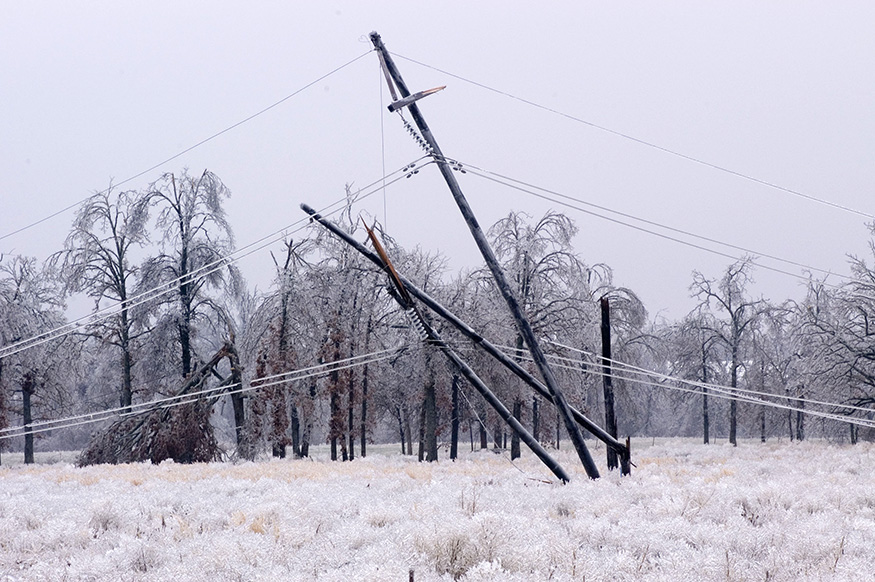
Freezing rain and sleet in some regions could coat power lines and trees, increasing the risk of widespread outages and falling debris.
3. Extreme Cold and Wind Chill
Behind the storm, plunging temperatures may drive wind chills to dangerously low levels, raising the risk of frostbite and hypothermia.
Impact on Travel and Transportation
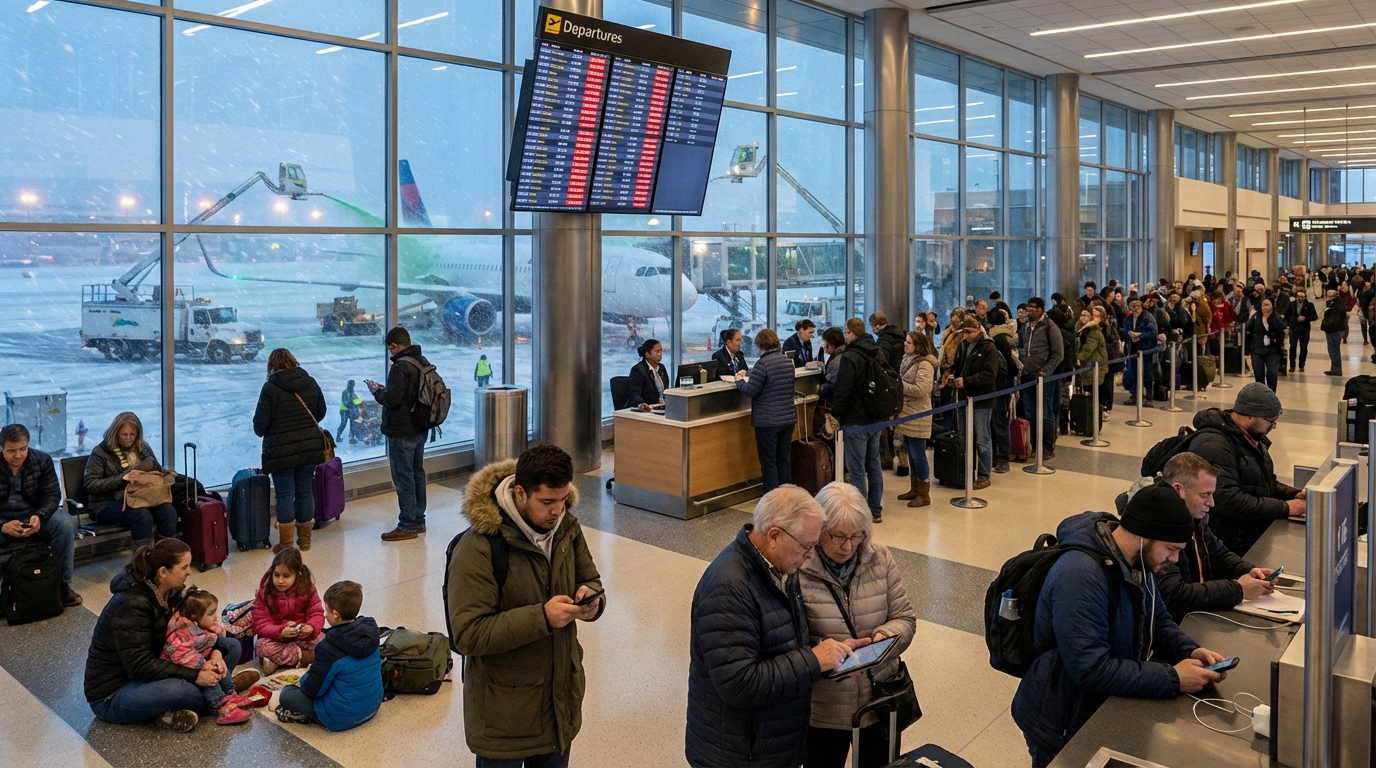
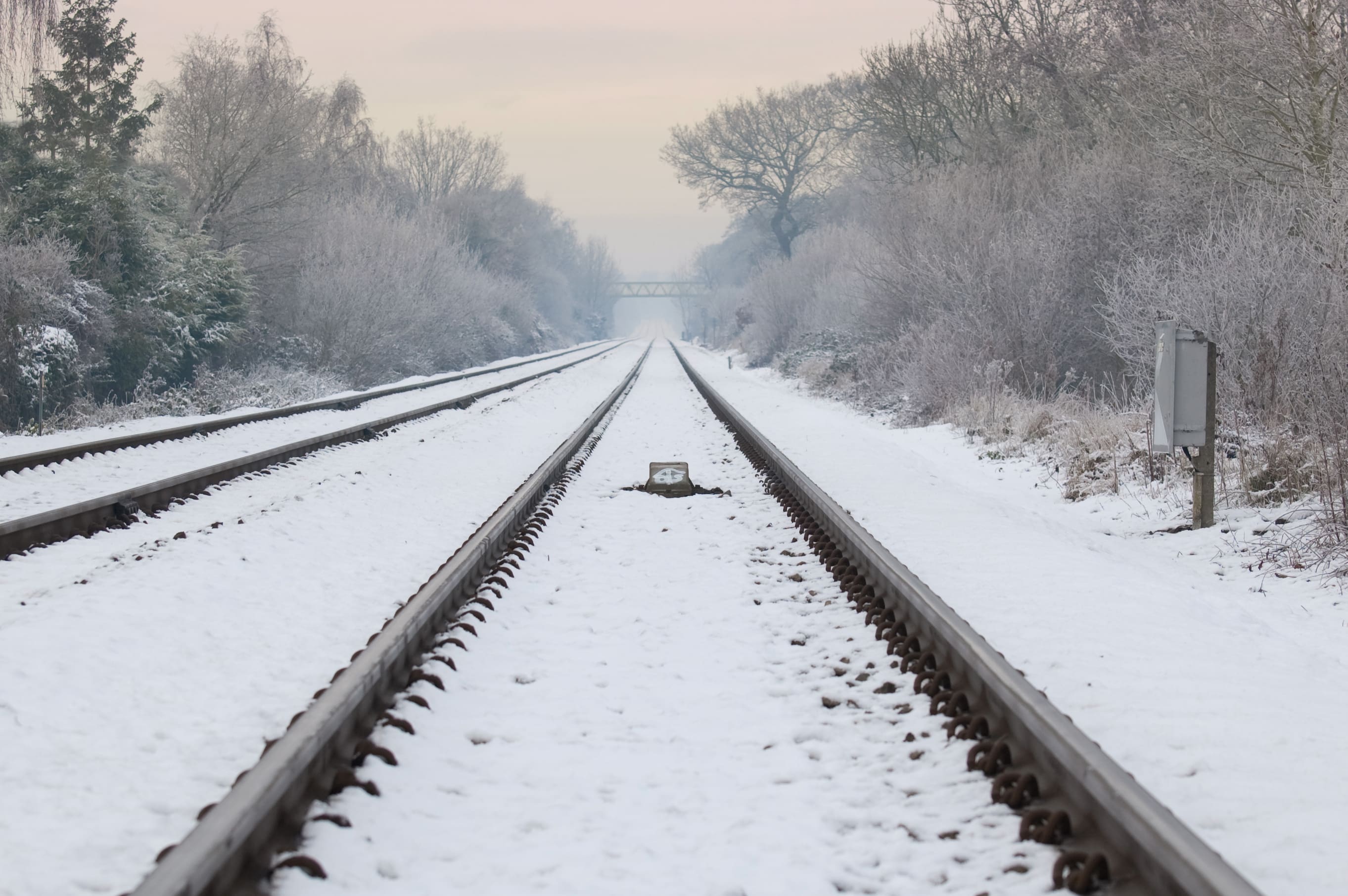

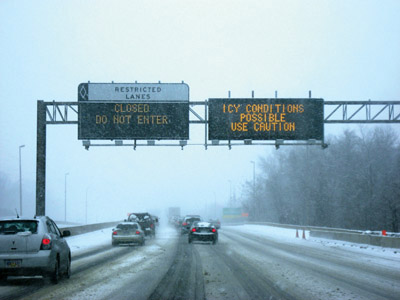
Transportation officials are bracing for major disruptions.
Expected impacts include:
-
Flight delays and cancellations at major airports
-
Highway closures and multi-vehicle accidents
-
Slowed or suspended rail services
-
Emergency road restrictions in some states
Travelers are advised to check airline and road updates frequently and delay trips when possible.
Schools, Businesses, and Daily Life
School districts across affected regions are preparing for:
-
Delayed openings or closures
-
Remote learning transitions
-
Cancelled extracurricular activities
Businesses may also adjust hours or temporarily close, particularly where employee safety or transportation becomes a concern.
How to Prepare for the Winter Storm
Preparation can make a critical difference during severe winter weather.
At Home
-
Stock up on food, water, and medications
-
Charge electronic devices and backup batteries
-
Have blankets and emergency heat sources ready
For Vehicles
-
Keep gas tanks at least half full
-
Carry winter emergency kits (blankets, flashlight, snacks)
-
Avoid driving unless absolutely necessary
For Personal Safety
-
Dress in layers and cover exposed skin
-
Limit time outdoors during peak storm conditions
-
Check on elderly neighbors and vulnerable individuals
What Officials and Meteorologists Are Saying
Weather agencies emphasize that winter storm warnings are issued only when dangerous conditions are highly likely.
Emergency management officials stress that:
“Even short trips can become life-threatening in severe winter storms.”
Local governments are coordinating snow removal, emergency shelters, and utility response teams, but response times may be delayed if conditions worsen.
Climate Patterns and More Frequent Extreme Winter Events
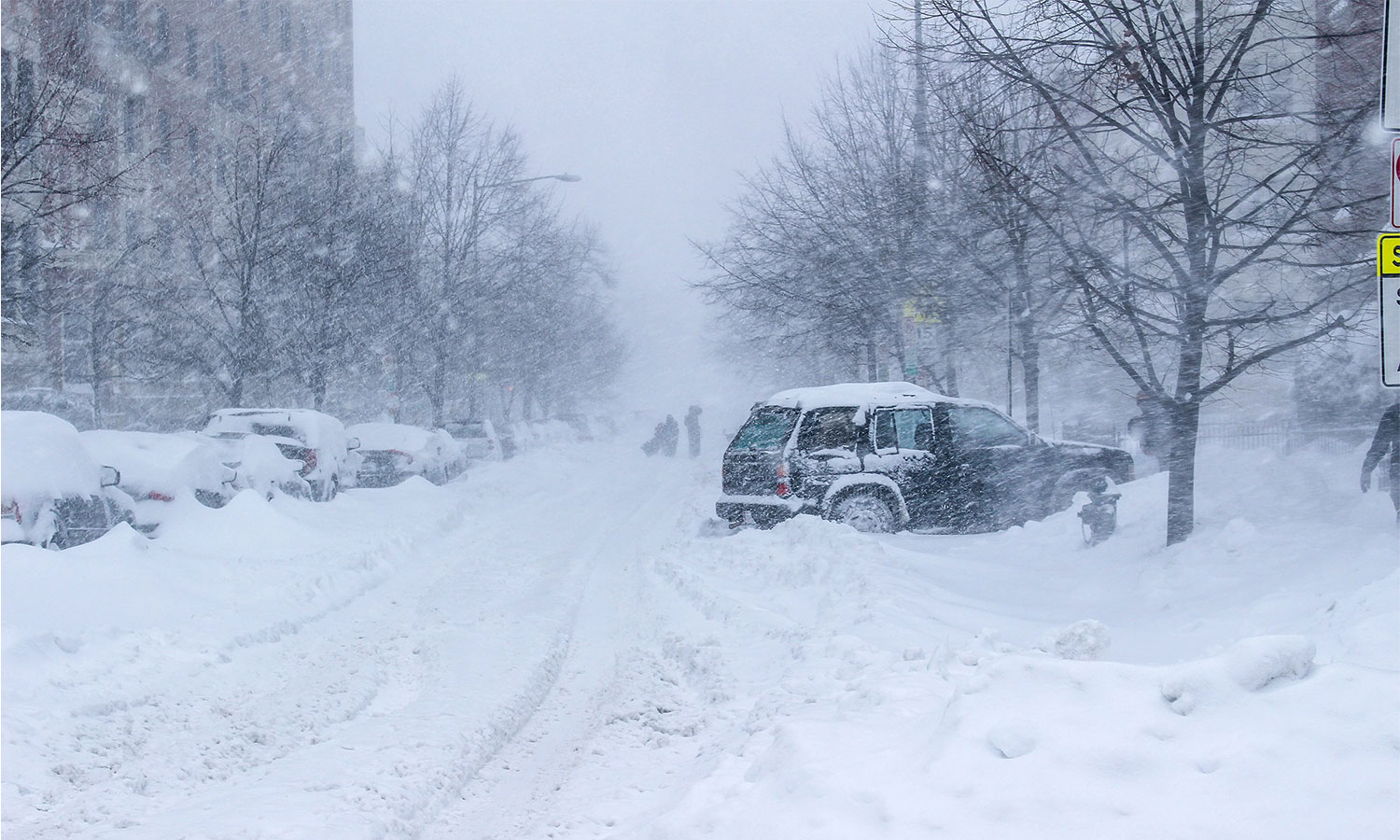
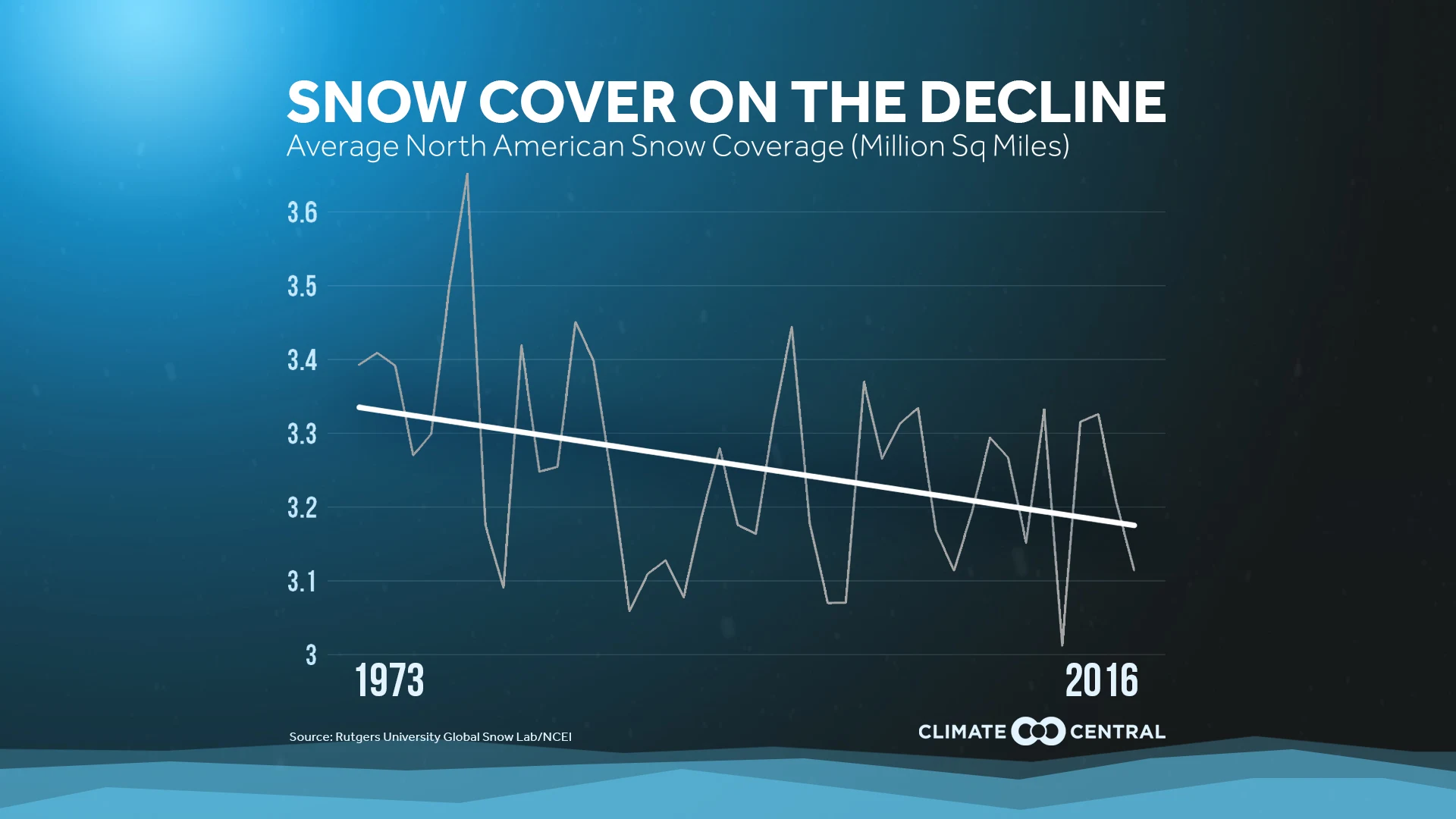
Climate scientists note that while winters are warming overall, extreme winter weather events remain possible—and in some cases more volatile.
Rapid temperature swings and disrupted jet stream patterns can lead to:
-
Sudden heavy snowfalls
-
Intense cold snaps
-
Stronger winter storms impacting larger areas
This storm fits a broader trend of high-impact but shorter-duration extreme weather events.
What to Watch in the Coming Days
Meteorologists will closely monitor:
-
Snowfall totals and shifting storm tracks
-
Areas transitioning from snow to ice
-
Post-storm cold air and wind chills
Residents are urged to rely on official forecasts and alerts, as conditions may change rapidly.
Final Thoughts
This winter storm is shaping up to be a serious and potentially dangerous weather event, with heavy snow, ice, and bitter cold affecting millions of Americans.
While winter weather is nothing new, the combination of hazards makes this storm particularly disruptive. Preparation, caution, and staying informed remain the best defenses.
As officials continue to issue updates, one message is clear: respect the warning, limit travel, and prioritize safety.
Missing Son Found Alive After 20 Years Under a Different Name

The first clue was not a confession or a dramatic reunion. It was a name on a record that did not belong where it appeared, and it sent one mother back into a search she thought had ended in grief. For 20 years, she believed her missing son was gone. Then a paper trail suggested he had been alive under a different identity all along.




Comments 0