When Whitney Houston’s funeral came to an end in February 2012, her own recording of “I Will Always Love You” filled New Hope Baptist Church as her casket was carried out. For Dolly Parton, the woman who originally wrote the song, hearing Whitney’s voice in that setting was almost unbearable. The moment gave the song an entirely different meaning and created a connection Parton said she would carry with her forever.
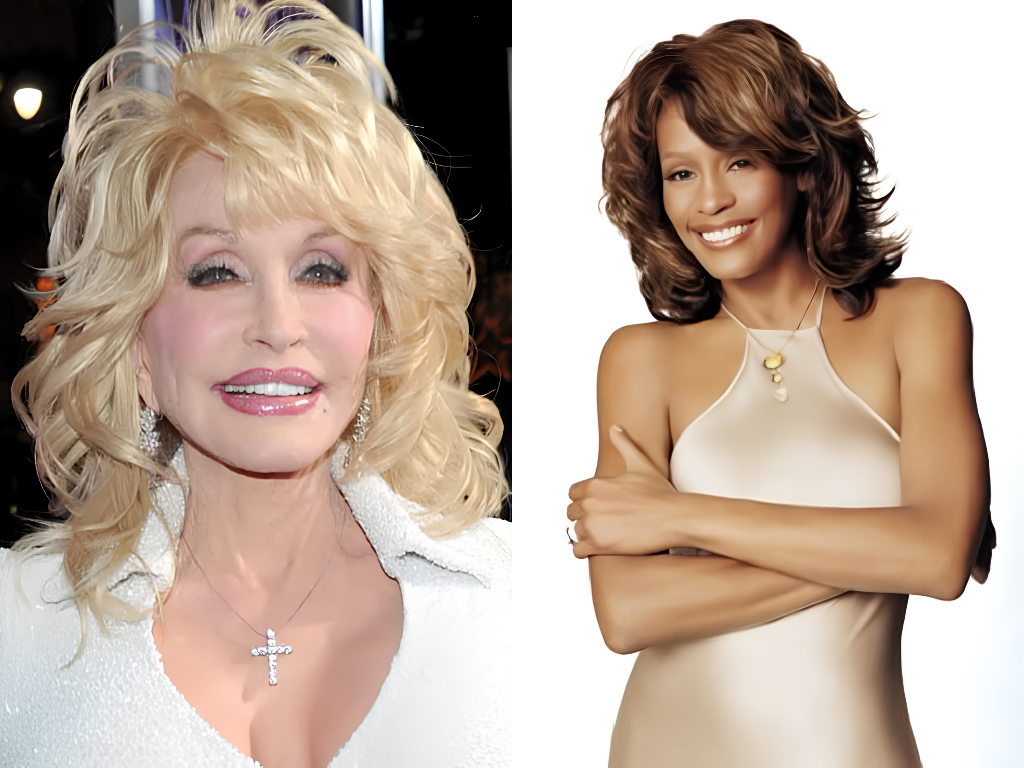
The Song That Connected Dolly Parton and Whitney Houston
Dolly Parton wrote “I Will Always Love You” in the early 1970s during a difficult professional transition. At the time, Parton was preparing to leave Porter Wagoner’s television show and pursue her own career. What began as a deeply personal farewell eventually became one of the most recognizable songs in modern music history.
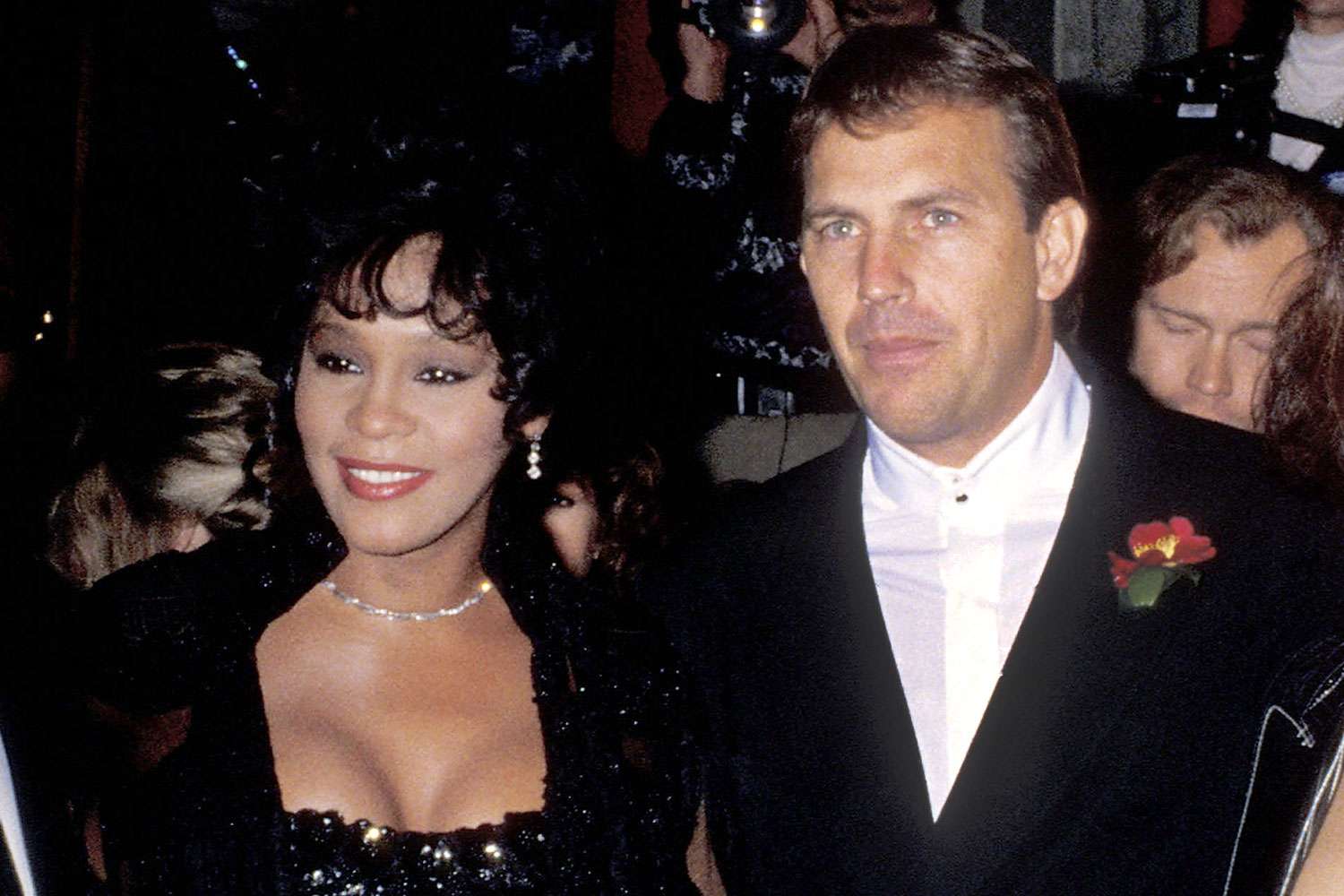
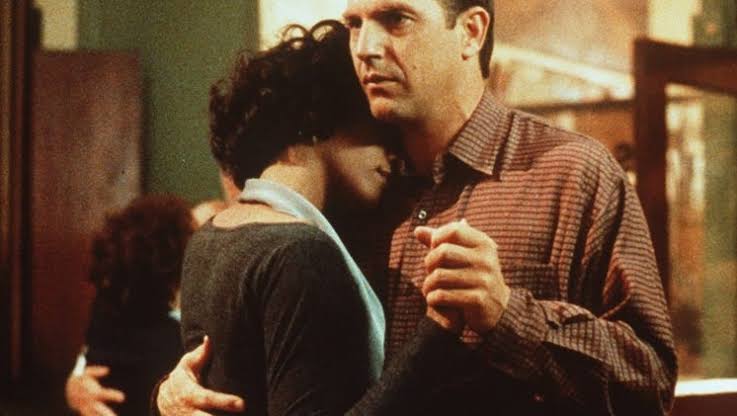
Years later, Whitney Houston recorded the song for the 1992 film The Bodyguard. Kevin Costner, who starred in and produced the movie, helped push the song toward consideration for the soundtrack after another planned song was no longer suitable. David Foster then created the arrangement that would become inseparable from Houston’s voice.
Houston’s version transformed Parton’s country ballad into a worldwide pop phenomenon. It spent 14 weeks at No. 1 on the Billboard Hot 100 and became one of the defining recordings of Houston’s career. Parton later expressed gratitude to both Houston and the people who helped bring the recording to life.
Dolly Parton’s Reaction to Whitney’s Funeral
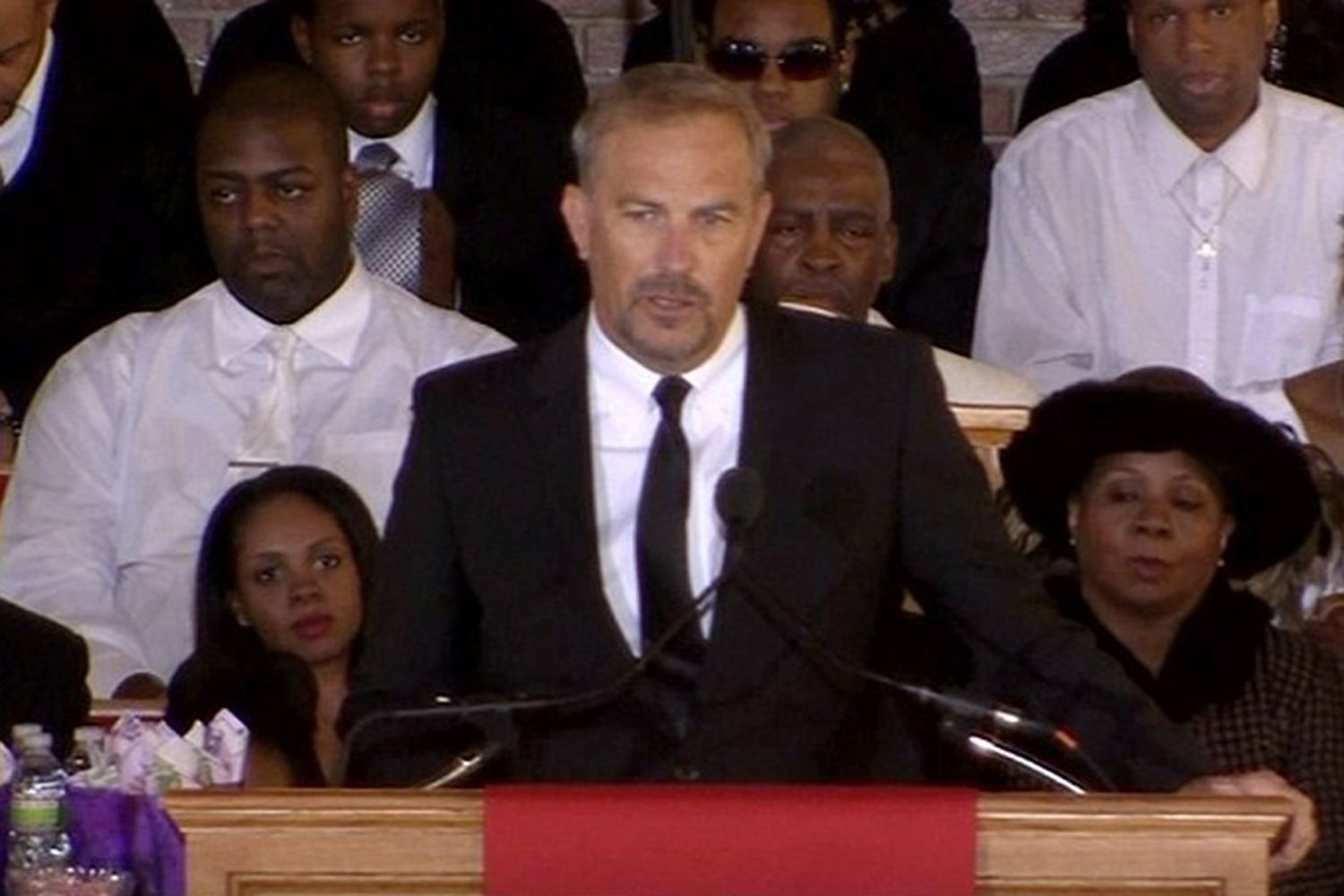
Whitney Houston’s funeral was held on February 18, 2012, at New Hope Baptist Church in Newark, New Jersey. The nearly four-hour service included tributes from family, friends and major figures from Houston’s career, including Kevin Costner, who delivered a lengthy tribute to his former The Bodyguard co-star.
At the end of the service, Houston’s recording of “I Will Always Love You” played while Cissy Houston led her daughter’s casket out of the church. It was a fitting musical farewell, but for Parton, watching that moment from afar was deeply painful.
In an interview with Nightline, Parton described herself as “shattered” by hearing the song under those circumstances. She explained that the finality of Whitney’s death made her own words feel completely different, saying the experience left her feeling that she would be forever connected to Houston.
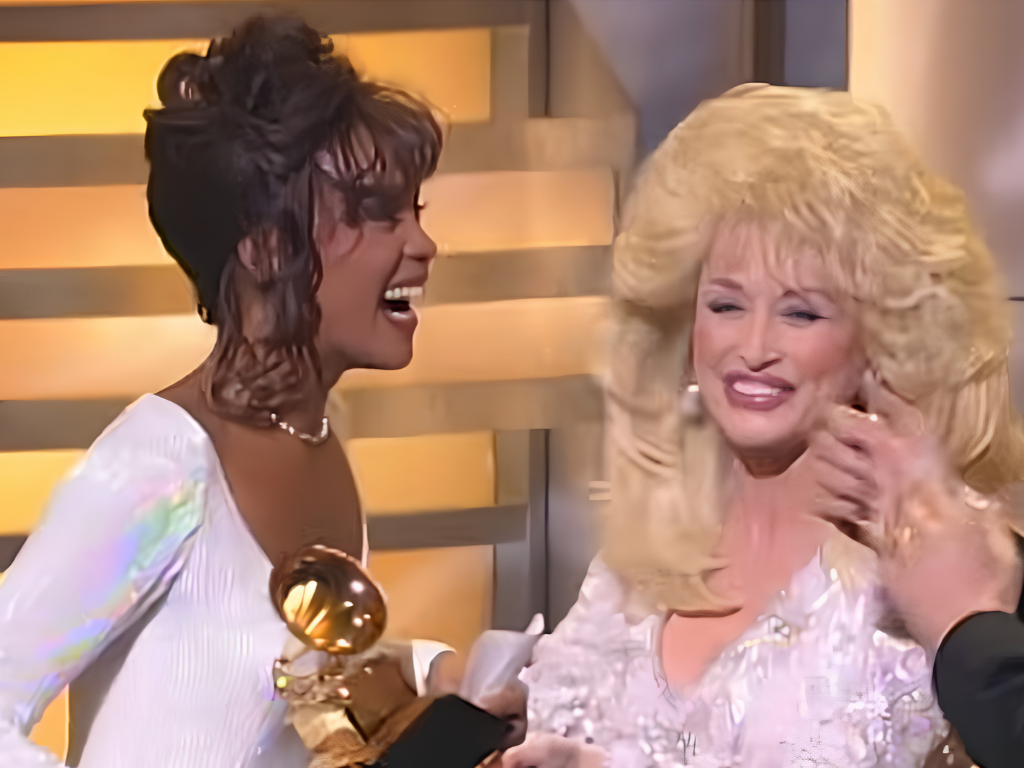
Whitney Had Given the Song a New Life
Parton had already experienced major success with the song herself. She recorded it more than once, including a version for the 1982 film The Best Little Whorehouse in Texas. But Houston’s recording reached an audience far beyond the country music world.
Parton later said Houston was the person who took the song worldwide and made it a household song. That admiration is important because Parton’s response after Houston’s death was not simply about losing a fellow performer. It was also about hearing one of her most personal creations become permanently associated with another singer’s life and legacy.
The emotional weight was even stronger because Houston’s version had become so closely connected with The Bodyguard. The song was no longer simply Dolly Parton’s composition. Through Houston’s performance, it had become part of a story that millions of listeners had made their own.
A Goodbye Neither Woman Could Have Predicted
There was a striking irony in the song’s journey. Parton originally wrote it as a farewell connected to a major change in her own life. Decades later, Whitney Houston’s interpretation turned those same words into the soundtrack for a goodbye that neither singer could have anticipated.
Parton also made clear after Houston’s death that she had not personally known Houston or her family. Her connection came through the song, Houston’s extraordinary recording and the impact that performance had around the world.
That distinction makes the story even more poignant. Their musical connection did not depend on a long personal friendship. It was created through a song, transformed by Houston’s voice and, in one unforgettable moment at her funeral, returned to the woman who had written it.
Dolly Parton and Whitney Houston Left a Song Behind
Whitney Houston’s funeral gave “I Will Always Love You” another chapter in its remarkable history. For Dolly Parton, hearing Houston sing her own words as the singer’s casket left the church was an experience she described as deeply painful and unforgettable.
The song began as Dolly Parton’s farewell, became Whitney Houston’s signature recording and ultimately became part of Houston’s final goodbye. Few songs have traveled through so many different chapters of music history while carrying such a powerful emotional meaning.
In conclusion, Whitney Houston’s funeral gave “I Will Always Love You” one of its most emotional chapters. A song Dolly Parton had written as a farewell decades earlier became Whitney Houston’s final musical goodbye, leaving Parton deeply shaken by the sound of her own words in that moment. Their connection was created through music, but the recording ensured that both women would forever be linked by one unforgettable song.
Why Kevin Costner Hesitated to Speak at Whitney Houston’s Funeral
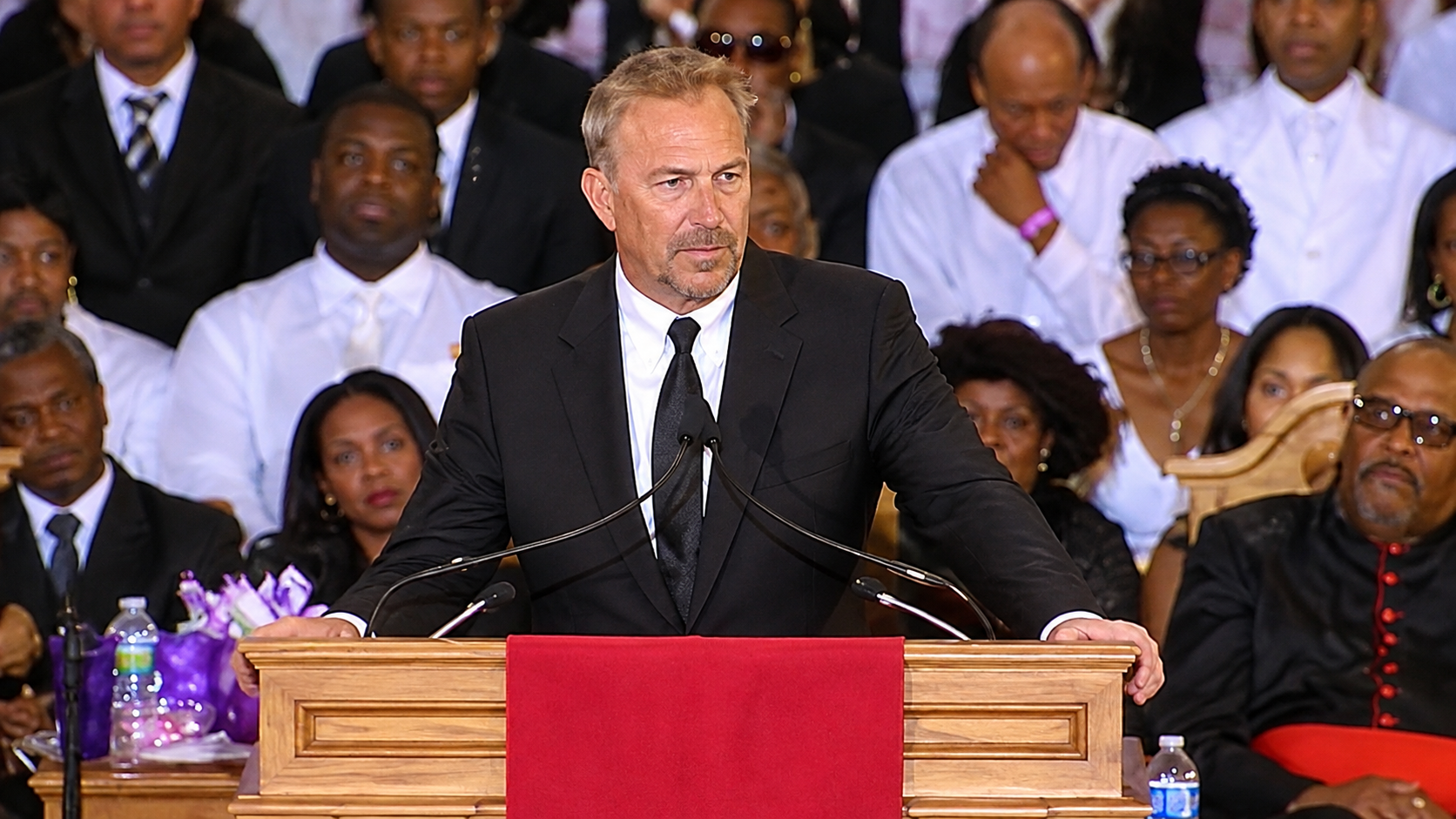
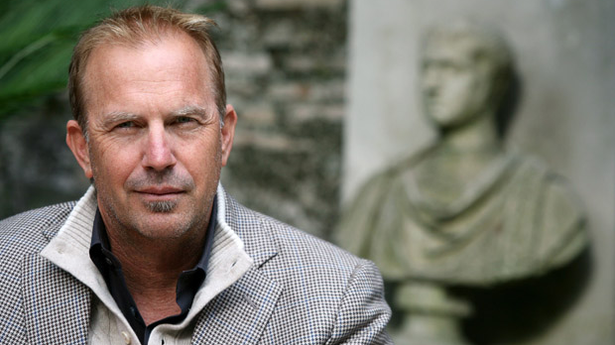
Whitney Houston’s Funeral brought together family, friends, and music legends to remember one of the greatest voices of her generation. Among those asked to speak was Kevin Costner, her co-star in The Bodyguard and a longtime friend. Yet, despite their meaningful connection, Costner initially questioned whether he was the right person to deliver a tribute. A heartfelt phone call from Dionne Warwick ultimately changed his mind, leading to one of the most memorable moments of the service.
Comments 0