Gas prices have a way of creeping up when you least expect it. One week your commute feels manageable. The next, you’re staring at the pump, wondering how a tank suddenly costs $15 more.
For millions of Americans, rising fuel costs are squeezing already tight budgets. Whether you’re commuting to work, driving kids to school, or planning a road trip, higher gas prices can add hundreds of dollars a month to household expenses.
The good news? You don’t need to buy a new car or completely change your lifestyle to start saving.
Here are six practical, expert-backed ways to save money on gas—starting today.
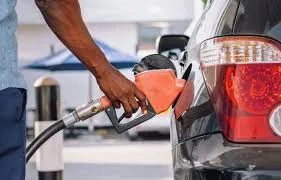
1. Use Gas Rewards Programs and Cashback Apps
One of the easiest ways to lower fuel costs is to take advantage of loyalty programs and cashback offers.
Many major gas stations offer:
-
Points per gallon purchased
-
Grocery store fuel discounts
-
Limited-time per-gallon promotions
-
Member-only price reductions
Additionally, several smartphone apps provide cashback rebates on fuel purchases. Some credit cards also offer bonus rewards specifically for gas station spending.
How It Adds Up
If you save just $0.10 per gallon and fill up 15 gallons weekly, that’s:
-
$1.50 per week
-
$6 per month
-
Over $70 per year
Stack rewards with cashback and promotional offers, and those savings can easily double.
It may not feel dramatic at first, but over time, small discounts significantly reduce total gas expenses.
2. Improve Your Driving Habits
Your driving style directly affects fuel efficiency.
Aggressive driving—rapid acceleration, hard braking, speeding—can lower gas mileage by up to 30% on highways and 40% in stop-and-go traffic.
Simple Adjustments That Save Fuel
-
Accelerate gradually
-
Maintain steady speeds
-
Avoid excessive idling
-
Use cruise control on highways
-
Anticipate traffic flow to reduce braking
Driving just 5–10 mph over the speed limit can noticeably increase fuel consumption.
According to energy experts, slowing down from 75 mph to 65 mph can improve mileage by several miles per gallon.
Over months of commuting, that difference becomes meaningful.

3. Keep Your Tires Properly Inflated
It sounds minor, but tire pressure plays a significant role in fuel economy.
Underinflated tires create more rolling resistance. That forces your engine to work harder and burn more fuel.
Studies show that properly inflated tires can improve gas mileage by up to 3%.
Quick Tire Check Routine
-
Check pressure once a month
-
Inflate to manufacturer-recommended PSI (found inside driver’s door frame)
-
Inspect for uneven wear
If your car feels sluggish or you notice uneven steering, low tire pressure could be the culprit.
It’s a five-minute habit that pays off all year.
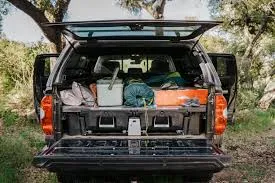
4. Lighten the Load
Extra weight equals extra fuel consumption.
Carrying unnecessary cargo—sports gear, heavy tools, rooftop storage—reduces fuel efficiency.
For every 100 pounds of additional weight, fuel economy can drop by about 1%.
Remove:
-
Unused roof racks
-
Cargo boxes when not traveling
-
Excess items in trunk
-
Heavy equipment not needed daily
Roof racks are particularly costly. They increase aerodynamic drag, especially at highway speeds.
If you’re not using it, take it off.
5. Time Your Fill-Ups Strategically
Gas prices fluctuate frequently—sometimes even daily.
Prices often increase before weekends and holidays due to higher demand. Filling up earlier in the week may offer lower rates.
Additionally, use price comparison apps to check nearby stations before committing.
Smart Timing Tips
-
Avoid refueling right before holiday travel
-
Compare station prices within a few miles
-
Consider warehouse club fuel stations
-
Monitor local price trends
Even a $0.15 difference per gallon matters over time.
Being strategic about where and when you buy gas can result in consistent savings.
6. Maintain Your Vehicle Regularly
Routine maintenance directly impacts fuel efficiency.
A poorly maintained vehicle burns more fuel than necessary.
Key Maintenance Areas
-
Replace dirty air filters
-
Keep engine tuned
-
Use recommended motor oil
-
Fix check engine light issues promptly
-
Ensure oxygen sensors function properly
A clogged air filter alone can reduce fuel efficiency by up to 10%.
Think of maintenance as an investment—not just in your car’s lifespan, but in your fuel budget.
Bonus Tip: Combine Trips
Short, separate errands waste fuel.
Cold engines burn more gas. By combining trips into one outing, you allow the engine to warm up and operate efficiently.
Instead of:
-
Grocery store → home
-
Pharmacy → home
-
Post office → home
Try:
-
Grocery store → pharmacy → post office → home
Fewer cold starts equal better fuel economy.
Why Gas Prices Feel So Volatile
Gas prices fluctuate due to:
-
Crude oil market shifts
-
Global geopolitical events
-
Seasonal demand changes
-
Refinery production levels
-
Regional supply disruptions
When crude oil prices rise, fuel prices often follow. Summer months typically see higher demand due to travel.
Understanding these factors helps drivers anticipate and prepare.
How Much Can You Really Save?
Let’s break it down.
If you:
-
Improve driving habits (+10% efficiency)
-
Maintain tire pressure (+3%)
-
Remove excess weight (+1–2%)
-
Use rewards programs (5–10 cents per gallon)
You could realistically save:
-
$300–$600 per year depending on driving habits
For families with multiple vehicles, that number climbs even higher.

Long-Term Strategies to Reduce Gas Spending
If fuel costs are a major budget concern, consider bigger changes over time:
1. Carpooling
Sharing rides cuts fuel costs in half (or more).
2. Remote Work
If possible, working from home even one day a week reduces commuting fuel use by 20%.
3. Fuel-Efficient Vehicles
When it’s time to replace your car, prioritize miles per gallon ratings.
Hybrid and electric vehicles offer long-term savings, especially as gas prices fluctuate.
The Psychological Impact of Rising Gas Prices
Gas prices are highly visible.
Unlike streaming subscriptions or grocery price increases, you see the number on a giant sign every time you pass a station.
That visibility amplifies stress.
Taking control through small savings strategies can restore a sense of financial stability.
Small Habits, Big Results
Saving money on gas isn’t about dramatic sacrifices.
It’s about consistency:
-
Drive smarter
-
Maintain your car
-
Shop strategically
-
Use available rewards
Each habit contributes incrementally.
And over time, incremental savings become meaningful financial relief.
Final Thoughts: Take Back Control at the Pump
Gas prices may be unpredictable, but your response doesn’t have to be.
By applying these six practical strategies, you can reduce fuel costs without changing your lifestyle dramatically.
In an era of rising living expenses, every dollar counts.
And while you can’t control global oil markets, you can control how efficiently—and strategically—you fill your tank.
Start with one change today.
Your wallet will thank you tomorrow.
The Surprising Way People in Your Life Could Be Making You Age Faster, According to Science

The Surprising Way People in Your Life Could Be Making You Age Faster, According to Science
Most people know that poor diet, lack of sleep, and chronic stress can accelerate aging. But emerging research suggests another surprising factor may be quietly influencing how quickly your body ages: the difficult people in your life.




Comments 0