A Clear Message From Copenhagen
Denmark’s prime minister has issued one of the strongest rebukes yet to renewed discussions about the United States annexing Greenland, stating unequivocally that the U.S. has no legal or moral right to claim the Arctic territory. The statement, widely reported and rapidly shared, has reignited global debate over sovereignty, strategic power, and the growing geopolitical importance of the Arctic.
At the center of the controversy is Greenland, an autonomous territory within the Kingdom of Denmark that has increasingly found itself at the crossroads of global competition. While the island has long held strategic value, recent climate, military, and economic developments have made it more significant than ever.
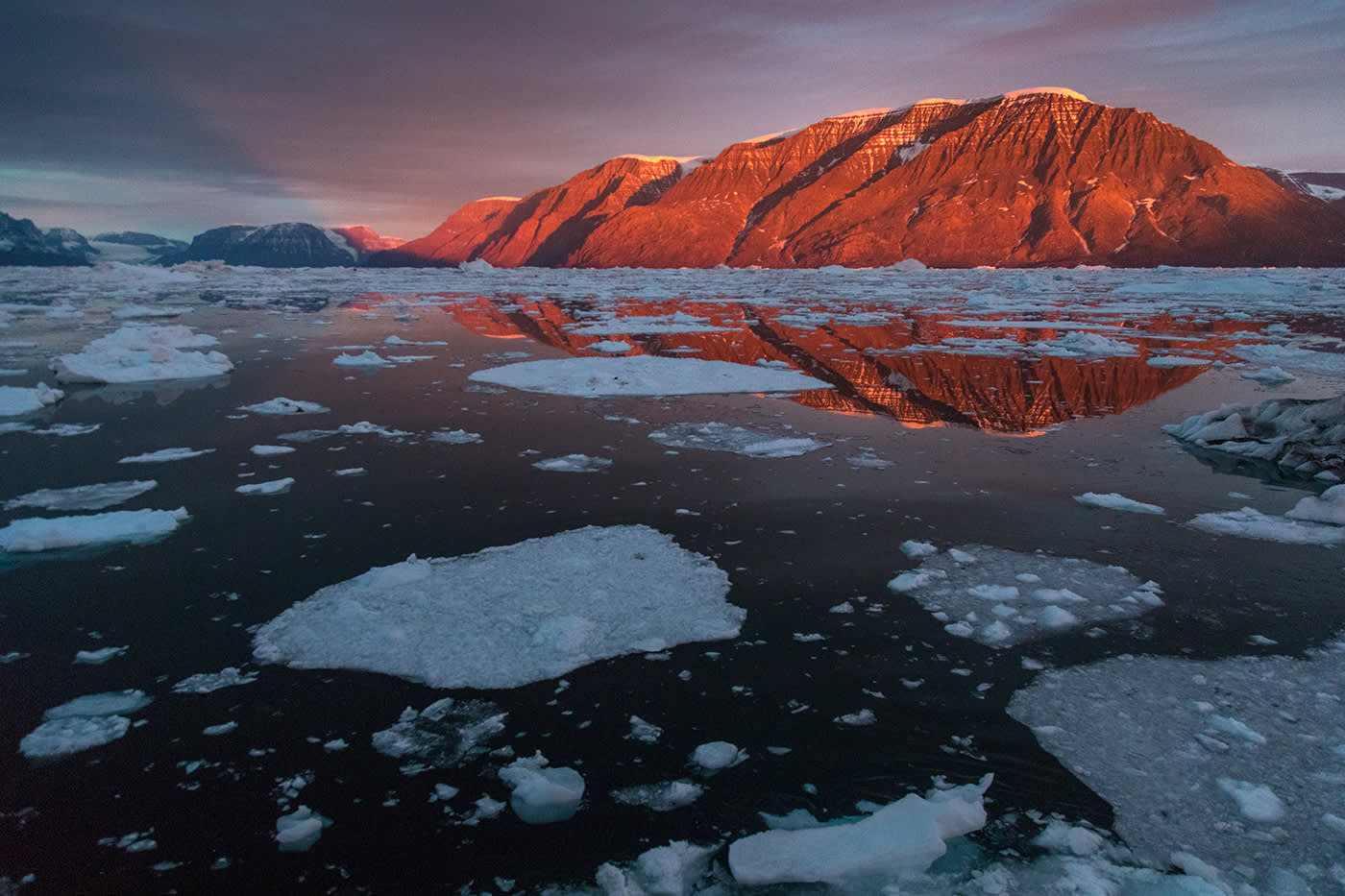
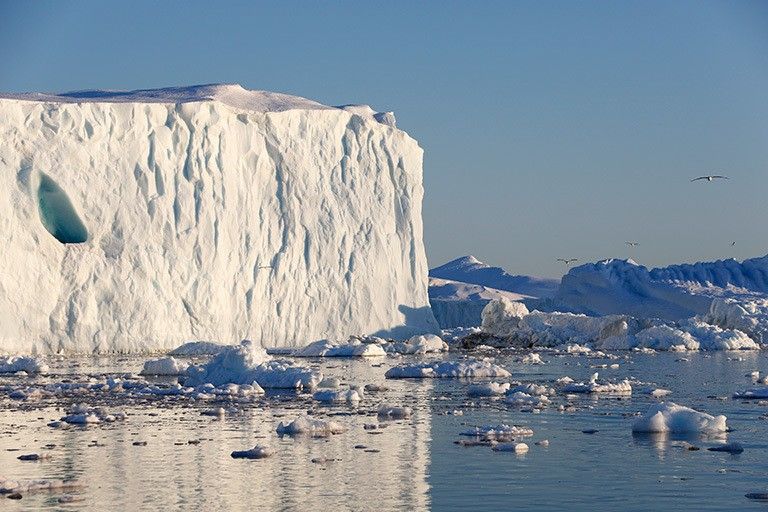
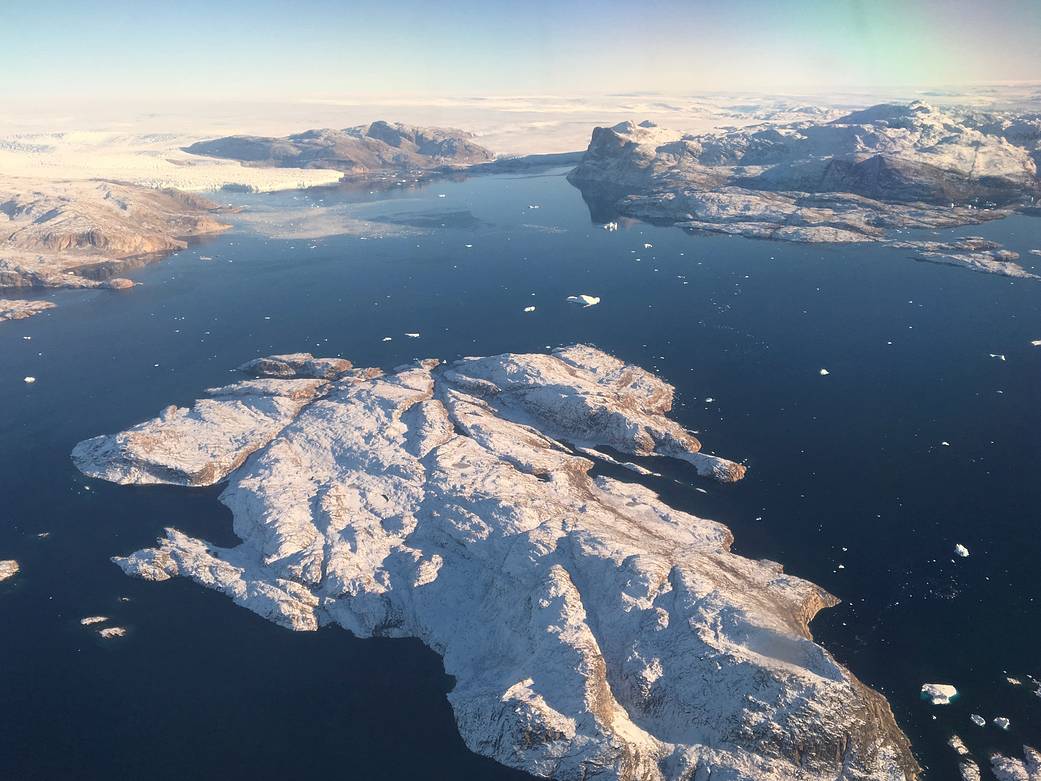
Image: Greenland coastline and Arctic landscape
What the Danish Prime Minister Actually Said
“There Is No Right to Annex Another Country”
Responding to renewed speculation and political rhetoric in the United States, Denmark’s prime minister made it clear that:
-
Greenland is not for sale
-
Annexation would violate international law
-
Greenland’s future can only be decided by Greenlanders themselves
The statement emphasized that sovereignty in the modern world is not a bargaining chip, regardless of strategic interest or military alliances.
This firm language reflects Denmark’s effort to draw a bright red line—not only for Washington, but for the international community watching closely.
Why Greenland Matters So Much
Strategic Location in the Arctic
Greenland’s importance extends far beyond its icy terrain. Situated between North America and Europe, it occupies a critical position in the Arctic, a region increasingly viewed as the next major geopolitical frontier.
Key factors driving global interest include:
-
Shorter shipping routes as ice melts
-
Vast untapped natural resources
-
Military and missile defense positioning
-
Competition among NATO, Russia, and China
The NATO already maintains a strategic interest in the region, and the U.S. operates military installations there—but that does not translate into ownership.
A History of U.S. Interest in Greenland
Not a New Idea—But Still Controversial
The idea of the United States acquiring Greenland is not new. In fact:
-
The U.S. explored purchasing Greenland in the 19th century
-
Discussions resurfaced during the Cold War
-
The idea gained global attention again in recent years
However, each time the topic re-emerges, it meets the same fundamental obstacle: Greenland is not America’s to take.
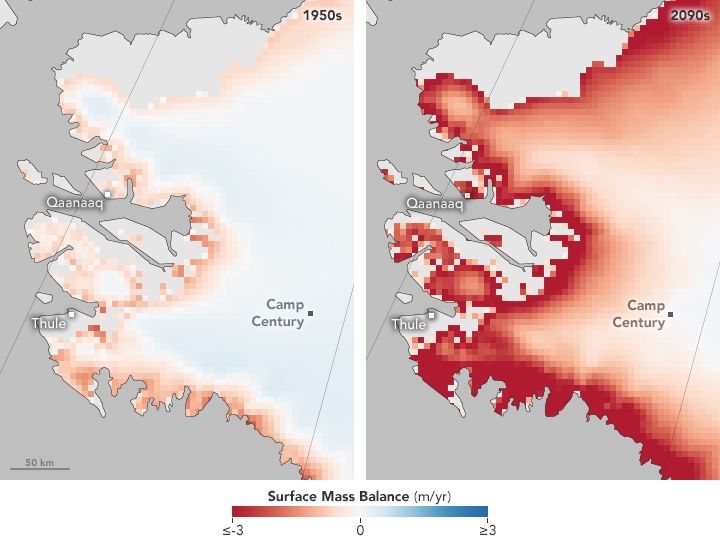
Image: Historical maps of Greenland and Arctic routes


International Law and Sovereignty
Why Annexation Is Not an Option
Under international law:
-
Sovereign territory cannot be annexed without consent
-
Self-determination is a protected principle
-
Colonial-era land acquisitions are no longer legitimate
Legal scholars note that even hypothetical annexation discussions undermine the rules-based international order. Denmark’s response, therefore, is not just about national pride—it’s about defending a global norm.
Greenland’s Voice: More Than a Pawn
What Greenlanders Want
Greenland is not simply an extension of Denmark—it has its own parliament, government, and growing national identity. In recent decades, Greenland has steadily expanded its autonomy and continues to debate eventual independence.
Public sentiment in Greenland often centers on:
-
Economic self-sufficiency
-
Cultural preservation
-
Control over natural resources
Any attempt by an outside power to “claim” Greenland ignores the most important stakeholders: the people who live there.
The U.S. Perspective: Strategy Over Sovereignty
Security Concerns in the Arctic
From Washington’s point of view, Greenland’s importance is largely strategic. As global warming opens Arctic routes and increases competition, U.S. defense planners see the region as critical to national security.
That said, American officials have also emphasized:
-
Respect for Denmark’s sovereignty
-
Commitment to NATO partnerships
-
Cooperation rather than control
The gap between political rhetoric and official policy, however, has created diplomatic friction.
Denmark-U.S. Relations: Strong but Tested
Allies, Not Adversaries
Denmark and the United States remain close allies, cooperating extensively through NATO, intelligence sharing, and global security efforts. But even strong alliances have limits.
Denmark’s response signals:
-
Friendship does not equal acquiescence
-
Alliances must respect sovereignty
-
Arctic cooperation must be multilateral
This is less a rupture and more a recalibration of boundaries.
Image: Danish and U.S. flags side by side



Why the Arctic Is the New Geopolitical Hotspot
Climate Change Is Rewriting the Map
As Arctic ice melts, the region is becoming more accessible—and more contested. Analysts predict:
-
Increased military presence
-
New energy exploration
-
Heightened diplomatic tension
Greenland sits at the center of this transformation, making clarity on sovereignty more urgent than ever.
Global Reactions: Quiet Support for Denmark
While few countries have made dramatic statements, diplomatic observers note that many governments quietly support Denmark’s position. Allowing annexation rhetoric to go unchallenged could set a dangerous precedent elsewhere in the world.
Media, Messaging, and Misinterpretation
How Headlines Shape Perception
Short, sensational headlines can give the impression that annexation is a realistic policy option. In reality, Denmark’s statement serves as a corrective—reminding the public that international relations operate within legal and diplomatic frameworks, not real estate logic.
What Happens Next?
Likely Outcomes
Most experts agree on a few likely developments:
-
Continued U.S.-Denmark cooperation in Greenland
-
Stronger emphasis on Greenlandic self-determination
-
Ongoing Arctic diplomacy through NATO and global forums
The controversy may fade from headlines, but the underlying issues will not.
Image: Arctic research station in Greenland


Final Thoughts: A Line Clearly Drawn
Denmark’s prime minister did more than respond to a controversial idea—she reaffirmed a principle that underpins the modern world: countries and peoples are not commodities.
As Greenland grows in strategic importance, the debate over its future will intensify. But one point has been made unmistakably clear: Greenland’s fate will be decided in Nuuk—not Washington.
In an era of shifting power and melting ice, sovereignty remains frozen firmly in place.
Missing Son Found Alive After 20 Years Under a Different Name

The first clue was not a confession or a dramatic reunion. It was a name on a record that did not belong where it appeared, and it sent one mother back into a search she thought had ended in grief. For 20 years, she believed her missing son was gone. Then a paper trail suggested he had been alive under a different identity all along.




Comments 0