How Artificial Intelligence Could Put America’s Social Security System at Risk
For decades, Social Security has been one of the most relied-upon federal safety nets in the United States, providing monthly retirement, disability, and survivor benefits to tens of millions of Americans. But in 2025, experts warn the system now faces a modern twist to its long-standing funding challenges: Artificial Intelligence (AI). Newsweek
A recent report highlighted by Barron’s suggests that the rising impact of AI and automation could accelerate the erosion of Social Security’s funding base, potentially moving up the timeline for solvency issues and increasing the strain on a system already projected to face a shortfall within about a decade. Barron's

Social Security’s Fragile Financial Outlook
Social Security is primarily funded through payroll taxes paid by workers and their employers. These taxes are deposited into trust funds that finance monthly benefits for retirees, disabled individuals, and families of deceased workers. According to official projections, the Social Security trust fund could be depleted as early as 2033, at which point benefit payouts would only be partially funded unless Congress intervenes. Newsweek
For years economists and policymakers have warned about this looming shortfall, citing demographic trends such as the aging population, increasing life expectancies, and slower workforce growth. But now, the rapid development and deployment of AI technologies add a new layer of uncertainty to that already delicate picture.
AI and the Future of Work
AI and automation technologies are transforming the way work gets done. From self-service kiosks in retail to machine learning tools in financial services, AI is increasingly capable of performing tasks once carried out by humans. Analysts estimate that up to 30% of U.S. work hours could be automated by 2030, affecting millions of jobs across multiple sectors. Newsweek
Historically, technological advances have displaced some jobs while creating others. However, the pace and breadth of AI’s capabilities raise new concerns about the nature of future job growth, the stability of employment, and most importantly for Social Security, the size of the workforce contributing payroll taxes.
Payroll Taxes at Risk
If AI leads to widespread job displacement — especially in sectors like administration, sales, management, and back-office operations — fewer workers will be paying into Social Security. A smaller workforce paying payroll taxes means less revenue flowing into the trust funds. Over time, this could accelerate the depletion of benefits funds beyond current projections. Barron's
Economists from the Penn Wharton Budget Model have highlighted that the negative employment impact could reduce payroll tax revenues if AI replaces more jobs than it creates — a scenario policymakers are watching closely. Newsweek
Who Could Be Affected Most?
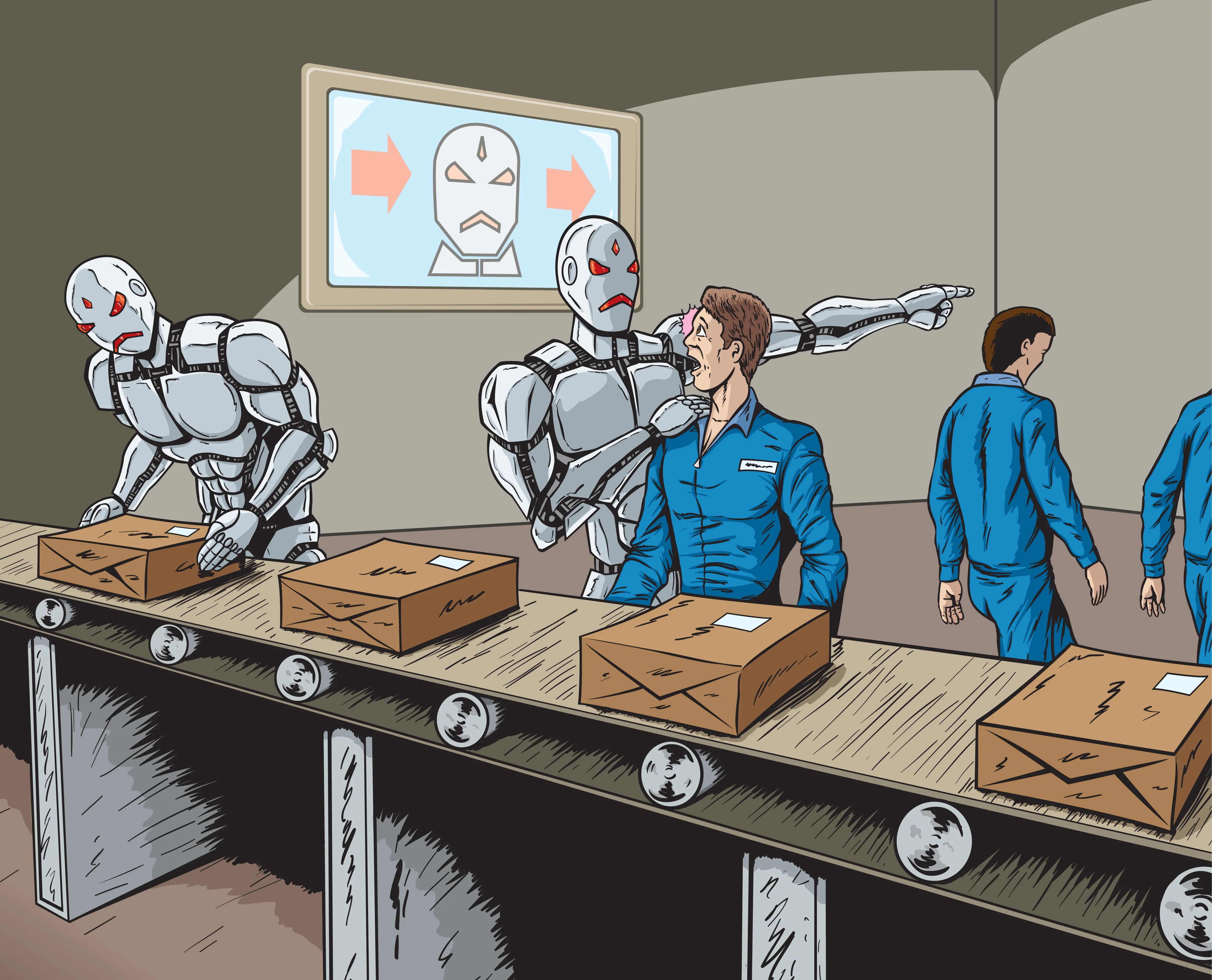
Job displacement from AI isn’t expected to be uniform. Roles involving repetitive digital tasks — common in office environments — are particularly vulnerable. Administrative assistants, customer service representatives, and certain types of clerical workers could see their jobs more at risk than roles requiring highly specialized human judgment or physical skills. Newsweek
This trend matters because job losses don’t just hurt individual workers — they reduce the taxbase that supports Social Security’s financial health. The fewer people earning taxable wages, the less money available to fund monthly benefits for retirees and other beneficiaries.
Voices From the Field: Experts and Stakeholders
Financial analysts and educators are sounding the alarm about the combination of AI, automation, and Social Security’s funding pressures.
Kevin Thompson, CEO of a financial education podcast, told Newsweek that AI could “accelerate the need for serious conversations in Washington” about how to sustain Social Security over the long term. Newsweek
Similarly, Alex Beene, a financial literacy instructor, stressed that “Social Security relies on payroll taxes to fund benefits,” and job displacement due to AI could shrink that stream of income. Newsweek
Others in the legal and retirement planning world, like attorney Jen Burdick, warn that even if AI creates new jobs in emerging sectors, the transitional period of disruption could still weaken Social Security’s ability to keep up with promised benefits. Newsweek
AI’s Broader Economic Impact
It’s not just about jobs. AI’s effect on wage growth, employment patterns, and economic inequality could influence broader federal revenues — including income and payroll taxes that fund Social Security. Should AI disproportionately benefit capital owners and tech firms while reducing wages for average workers, the net result could be even less taxable income going toward social insurance programs.
Some industry proponents argue AI might boost worker productivity and create new categories of employment, potentially offsetting revenue losses. But many economists caution that we are still early in understanding AI’s full economic impact, and the long-term effects on tax systems remain uncertain.

Policy Options and Debates in Washington
As the potential AI threat to Social Security becomes more visible, lawmakers and advocates are debating policy options:
1. Raise Payroll Taxes
Increasing payroll tax rates or lifting the taxable wage cap could inject more revenue into Social Security. However, such measures are politically contentious and could be unpopular with workers and employers already feeling economic strain.
2. Diversify Funding Sources
Some experts propose diversifying Social Security’s funding base beyond traditional payroll taxes. This could include adding new revenue streams or tax mechanisms that capture income from automated systems and AI-driven productivity gains.
3. Adjust Benefits
Another option is benefit reform — such as gradually raising the retirement age or adjusting benefit formulas — to reduce outlays. But these changes often face strong public resistance, especially from current and near-retirement beneficiaries.
4. Encourage Workforce Participation
Policies designed to encourage higher workforce participation — such as job retraining programs or incentives for older workers to remain employed — could help sustain payroll tax revenues even as job roles evolve under AI.
Global Perspectives and Real-World Examples
Around the world, governments are grappling with similar questions about AI, job markets, and social safety nets. In some European countries, discussions around universal basic income (UBI) — in part due to automation concerns — have gained traction. In the United States, similar conversations are emerging, though no major legislation has yet been enacted. Newsweek
International bodies like the OECD also stress the risks and opportunities of AI in social security systems, emphasizing the need for strong governance and transparency when using automated decision-making in public programs. OECD
Cybersecurity and AI Fraud Risks
In addition to job displacement, AI also raises cybersecurity concerns that could indirectly impact Social Security. Scammers are increasingly using generative AI to create fake identities to fraudulently access benefits, posing risks to the system’s integrity and potentially increasing administrative costs. U.S. Department of Veterans Affairs
Ensuring secure, trustworthy identity verification and fraud prevention in the age of AI will be crucial to protecting beneficiaries and the system at large.
What Lies Ahead
While AI’s full effects on Social Security won’t be clear for years, the warning signs are prompting policymakers, economists, and advocacy groups to reevaluate how the program can remain solvent.
In Washington, Social Security reform has long been seen as politically difficult. But the added challenge posed by AI’s impact on jobs and tax revenues is elevating the urgency of discussions. From adjusting tax policy to rethinking how benefits are funded, potential reforms are likely to remain at the forefront of fiscal debates as the 2030s approach.
For Americans Today: What You Should Know
For older Americans and those nearing retirement, understanding how AI could affect Social Security means staying informed about:
-
Projected funding timelines and trust fund solvency.
-
Policy debates in Congress that might change benefit levels or tax structures.
-
Economic trends in AI and automation that could shift the job market.
-
How workforce participation and income affect future benefits.
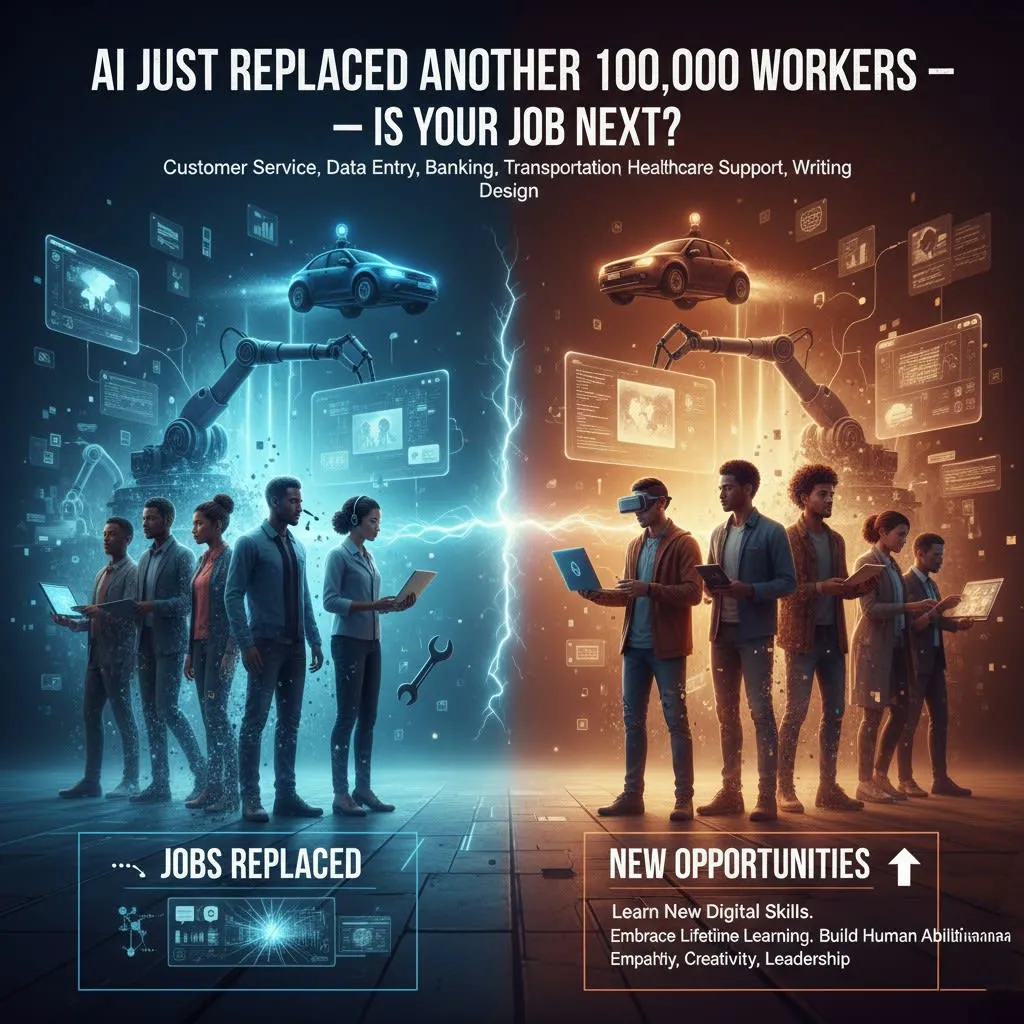
Millions of Americans rely on Social Security not just as a safety net, but as a core pillar of retirement security. If AI accelerates pressures on the payroll tax base, the future of that guarantee could depend on how quickly policymakers adapt to a changing economic landscape.
A Big Shift on Wall Street? The SEC Is Considering Ending Quarterly Earnings Reports

A Big Shift on Wall Street? The SEC Is Considering Ending Quarterly Earnings Reports
For decades, quarterly earnings reports have been a cornerstone of the American financial system.
Every three months, publicly traded companies release detailed financial statements that give investors insight into performance, growth, and future expectations.




Comments 0