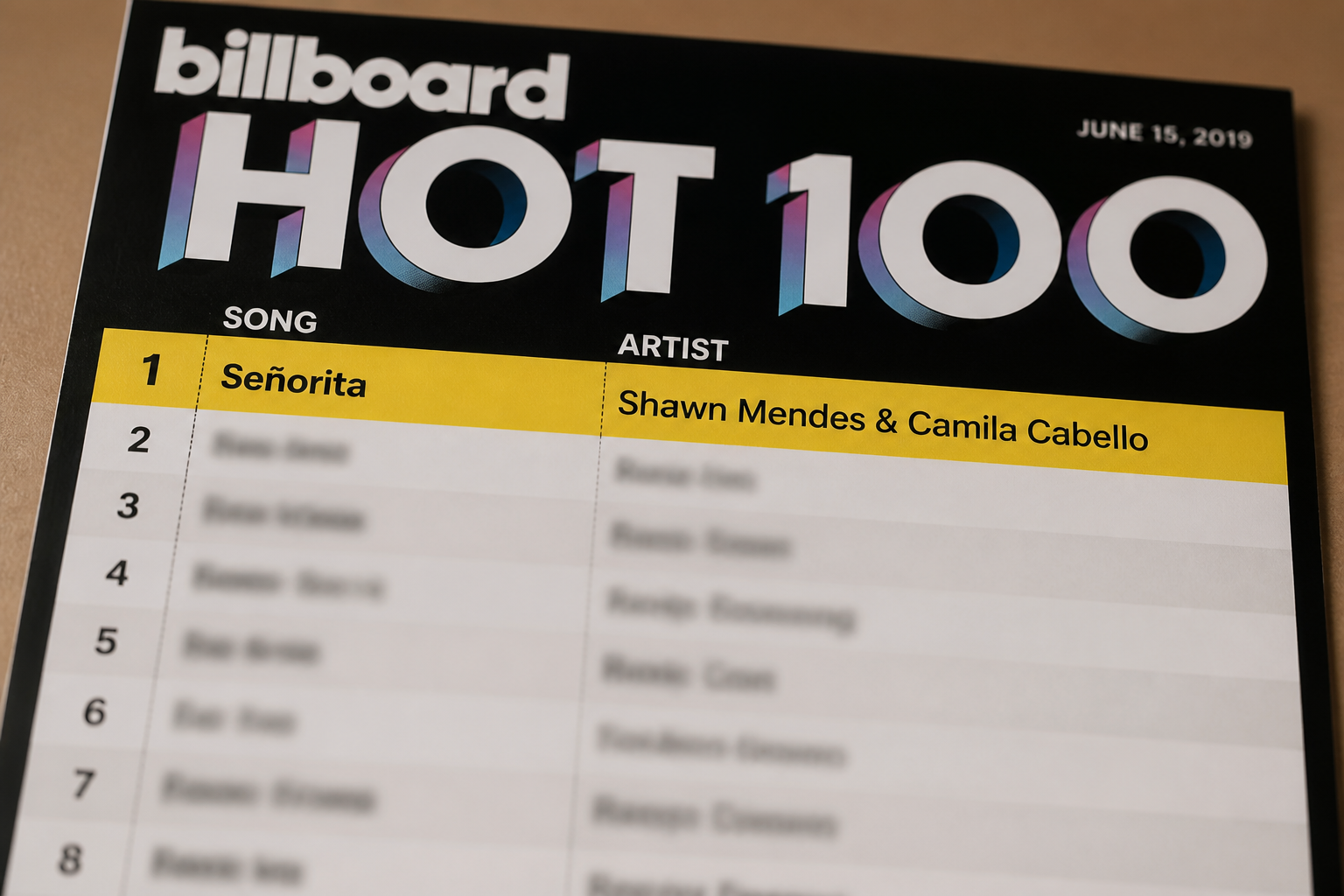
“Señorita” was released on June 21, 2019, as a duet by Shawn Mendes and Camila Cabello. In the months that followed, it became one of the most visible pop singles of the year: a glossy, radio-ready track with a high-profile video, strong streaming performance, and chart results that pushed it into the center of mainstream pop conversation. Its story is best understood chronologically, from the collaboration itself to the release campaign and the commercial reception that followed.
How the collaboration came together
By 2019, Shawn Mendes and Camila Cabello were already established solo stars. They had also worked together before on “I Know What You Did Last Summer,” released in 2015. That earlier duet gave the pair a shared history, but “Señorita” was not presented as a sequel or as a hidden album cut. It arrived as a new, standalone collaboration designed for immediate release and broad audience attention.
The song’s official credits show that it was written by Shawn Mendes, Camila Cabello, Andrew Watt, Benny Blanco, Ali Tamposi, and Jack Patterson. The production credits include Andrew Watt, Benny Blanco, and Cashmere Cat, along with additional credited production personnel in the official listing. Those credits place the track firmly in the contemporary pop system, where hit singles are often built by teams of writers and producers around a central vocal pairing.
That structure mattered because “Señorita” was released as an event single rather than as a track quietly tucked into an album rollout. It was issued as a duet first, with wide promotional visibility from the start. Camila Cabello later included the song on Romance, while Shawn Mendes did not place it on a studio album of his own. Keeping that release context clear avoids a common point of confusion: the song was introduced as a standalone collaboration before it appeared on Cabello’s album.
What the song sounds like
“Señorita” is a mid-tempo pop and Latin-pop song built around a conversational back-and-forth between the two singers. The arrangement uses guitar, a steady rhythmic pulse, and a melodic hook that is designed to be easy to recognize on first listen. The song’s structure gives the duet a clear dramatic shape: one voice answers the other, and the tension in the lyric is matched by the way the vocal parts are arranged.
Its appeal did not depend on an elaborate concept. The track is direct, streamlined, and built for replay value.
In pop terms, that simplicity was an advantage. The chorus is immediate, the vocal interplay is easy to follow, and the production leaves enough space for the voices to remain the focus. That combination helped the song stand out in a crowded summer release season.

The release and promotion
The June 21, 2019 release immediately drew attention because both artists already had large audiences. The pairing was newsworthy on its own, but the rollout also gave the song a polished commercial frame. It was promoted as a major pop collaboration, with official artwork, a video, and a release strategy that made it easy to reach both fan bases at once.
The music video, released alongside the campaign, became one of the key reasons the song stayed in the public conversation. Directed as a cinematic performance piece, it shows Mendes and Cabello moving through a series of scenes that match the song’s flirtatious tone. The video emphasizes proximity, movement, and eye contact, which gave viewers a visual counterpart to the lyrics without needing a complex storyline.
That visual approach mattered because it kept the focus on the song itself. The video did not need to invent a larger plot; it needed to translate the duet’s mood into images that would work across streaming platforms and social media. In 2019, that kind of tightly coordinated release could turn a single into a full cultural moment, and “Señorita” benefited from that environment.
Public discussion around the video was intense, but the verified facts are straightforward: the clip was part of the song’s official launch, and it helped amplify interest in the single. Any broader interpretation about why viewers reacted so strongly is secondary to the documented release strategy and the song’s observable reach.
The chart performance in 2019
Commercially, “Señorita” was a major hit. It reached No. 1 on the Billboard Hot 100 in the United States and No. 1 on the UK Singles Chart in the United Kingdom. It also performed strongly in many other markets around the world, confirming that the song was not simply a high-profile collaboration but a widely consumed pop single with real global reach.
Its success reflected the streaming era in which it was released. In 2019, a song could rise quickly if it combined immediate hooks, repeat-listening appeal, and broad interest from multiple audiences. “Señorita” had all of those advantages. It was easy to stream repeatedly, and the duet format gave listeners a reason to return to it after the first play.
The song’s chart story should be described carefully. Rather than relying on vague claims about “massive” or “record-breaking” scale, the most reliable account is the one supported by chart data: it was a No. 1 single in the U.S. and the U.K., it remained highly visible across international charts, and it was one of the defining commercial releases of 2019. Those facts are enough to show the size of its success without overstating it.
Year-end recognition followed naturally from that performance. “Señorita” appeared in year-end discussions of the biggest songs of 2019, a reflection of both its chart run and its sustained presence in streaming and radio circulation. Its commercial reach was broad enough that it remained part of the pop conversation long after the initial summer release window had passed.
Certification and sales milestones
“Señorita” also received multi-market certification, though the exact totals vary by country and change over time as sales and streams continue to accumulate. That makes it important to avoid overspecific claims unless they are tied to a dated certification record. The dependable conclusion is that the single achieved major certifications in several territories and was widely recognized as one of the year’s top-performing releases.
Those certifications matter because they show how the song performed beyond the headline chart peaks. Chart positions capture one week or one ranking system; certifications reflect sustained consumption over time. In the case of “Señorita,” both measures point in the same direction: it was a commercial success on a scale reserved for major international hits.
The song’s streaming footprint was especially important. By 2019, streaming had become central to how pop success was measured, and “Señorita” fit that model neatly. Its hook, its duet structure, and the surrounding video all encouraged repeat plays. That combination helped keep the song visible across platforms and contributed to its strong certification profile.
Awards recognition and industry attention
After its commercial rise, “Señorita” also drew awards attention. It received a nomination for Record of the Year at the 2020 Grammy Awards. That nomination placed the song among the most prominent recordings of its release year and confirmed that industry voters saw it as more than a short-lived chart hit.
The nomination was a logical extension of the song’s broader performance. Awards bodies often respond to recordings that combine popularity with polish, and “Señorita” had both. It was well crafted, widely heard, and impossible to ignore in the months after release. The Grammy recognition did not create its reputation, but it did reinforce it.
The song’s public profile was further elevated by the amount of attention it received from entertainment coverage in 2019. That attention was not based on any confirmed private story; it came from the release itself, the video, and the visible fact that two major pop artists had joined forces on a single. The song’s appeal can be explained without speculation about off-record motives or romantic narratives.

Why “Señorita” stood out
What made “Señorita” durable was the way each part of the release supported the others. The collaboration brought together two recognizable voices.
The songwriting team gave the track a clear hook and a tightly controlled arrangement. The video offered a memorable visual version of the song. The chart and certification results confirmed that audiences responded on a large scale.
There is no need to overstate the relationship between Mendes and Cabello to explain the song’s impact. Their collaboration mattered because it connected the single to two existing fan bases and made the release feel significant from the outset. Beyond that, the documented story is the music itself, the official credits, the release date, the video, and the measurable commercial results.
That is why “Señorita” remains easy to place in the history of 2019 pop. It was not just a track that people discussed for a few weeks. It was a precisely timed collaboration that became a No. 1 single, a high-profile video release, an awards-season nominee, and one of the year’s most durable mainstream hits. Its story is clear enough without embellishment: two established pop artists made a song that landed exactly as intended, and the public response was immediate and substantial.
How David Bowie Reinvented Himself and Changed Music Forever

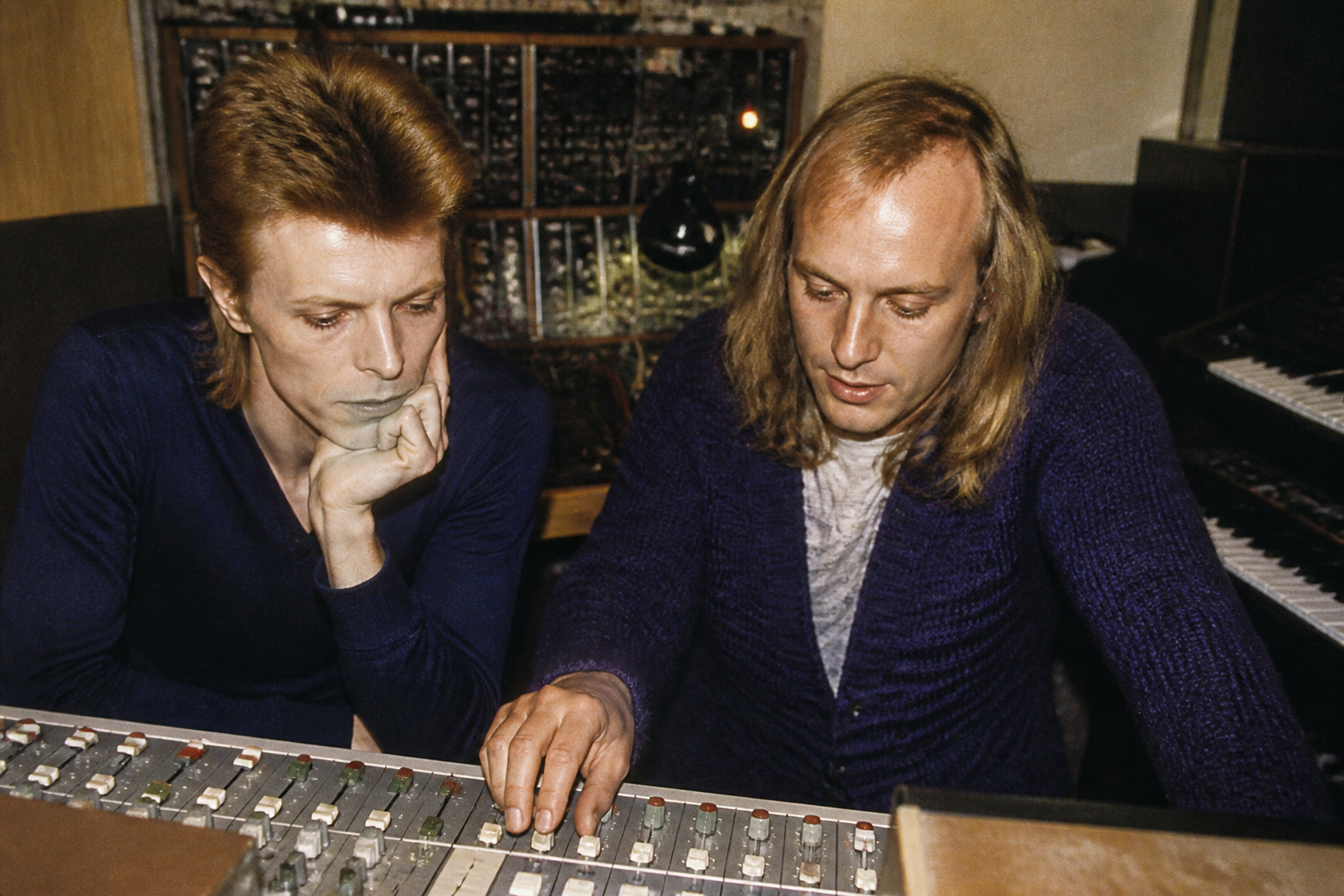
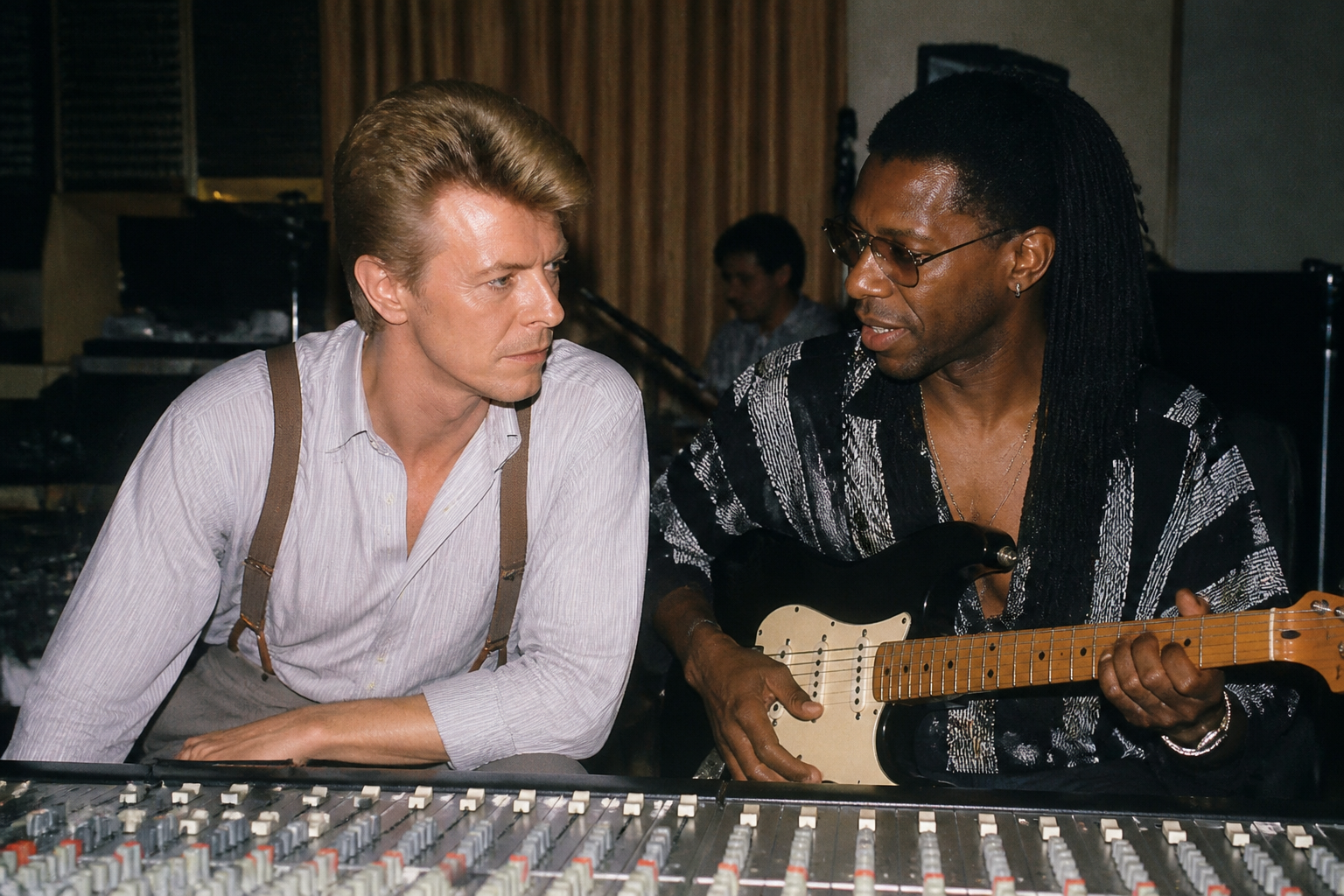
David Bowie made reinvention part of his artistic identity, and popular music has never quite looked the same. Across five decades, he treated image, sound, and performance as connected pieces of one creative vision. That approach made him one of the clearest examples of how a single artist could reshape an era without staying in one place for long.

Comments 0