The idea of the United States asserting control over Greenland may sound hypothetical—but in today’s tense geopolitical climate, even unlikely scenarios are being taken seriously by policymakers and analysts.
Greenland, a vast Arctic territory with immense strategic value, sits at the crossroads of U.S. security interests, NATO alliance politics, and growing global competition in the Arctic. So what would actually happen if the U.S. tried to take over Greenland?
According to analysts cited by Newsweek, North Atlantic Treaty Organization would face one of the most severe internal tests in its history.
This article breaks down four possible NATO responses, why none of them are simple, and what such a crisis would mean for global stability.
Why Greenland Matters More Than Ever
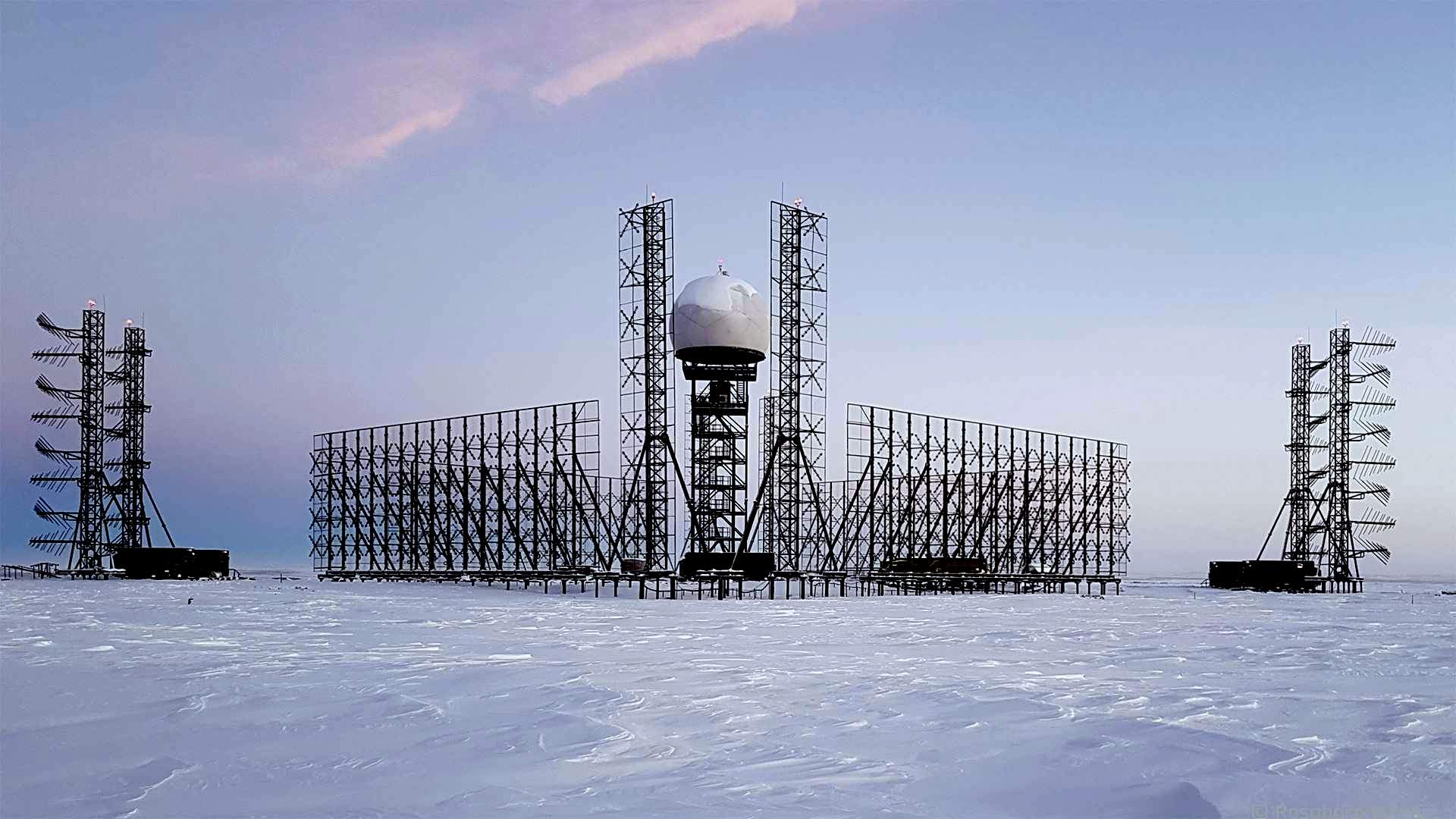
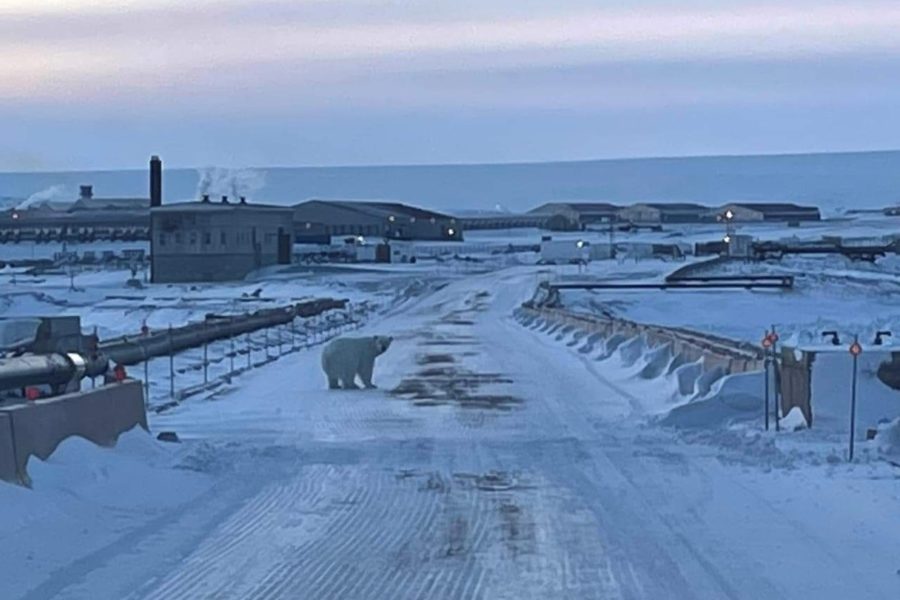

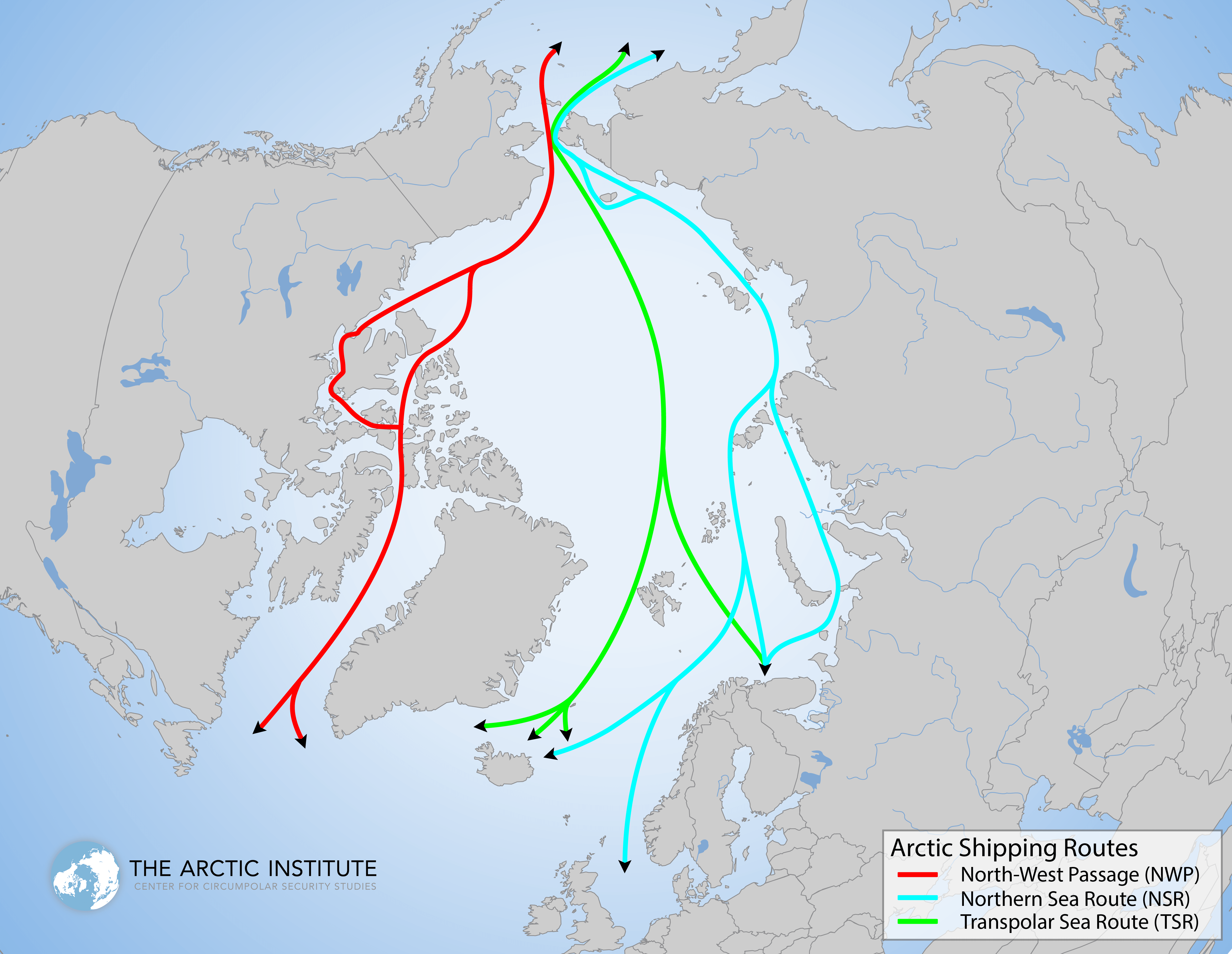
Greenland’s importance has surged in recent years for several reasons:
-
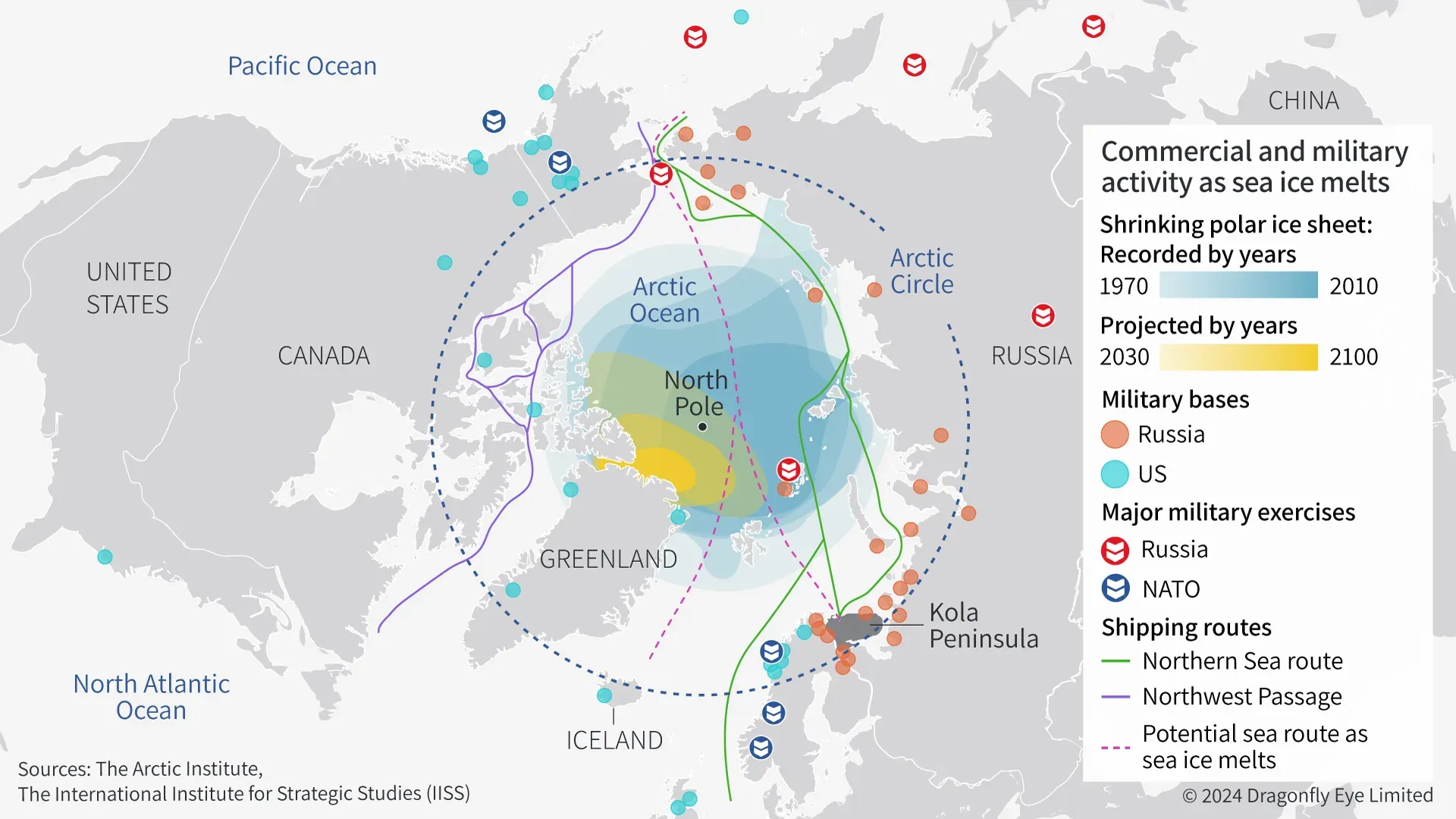
Strategic military location between North America and Europe
-
Hosting critical U.S. missile warning and radar systems
-
Control over emerging Arctic shipping lanes
-
Vast untapped natural resources, including rare earth minerals
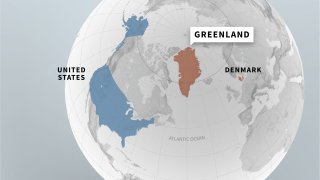
Although Greenland is geographically part of North America, it is an autonomous territory of Denmark, which is also a NATO member.
That dual reality places Greenland at the center of alliance politics.
The Hypothetical Scenario: A U.S. Move on Greenland
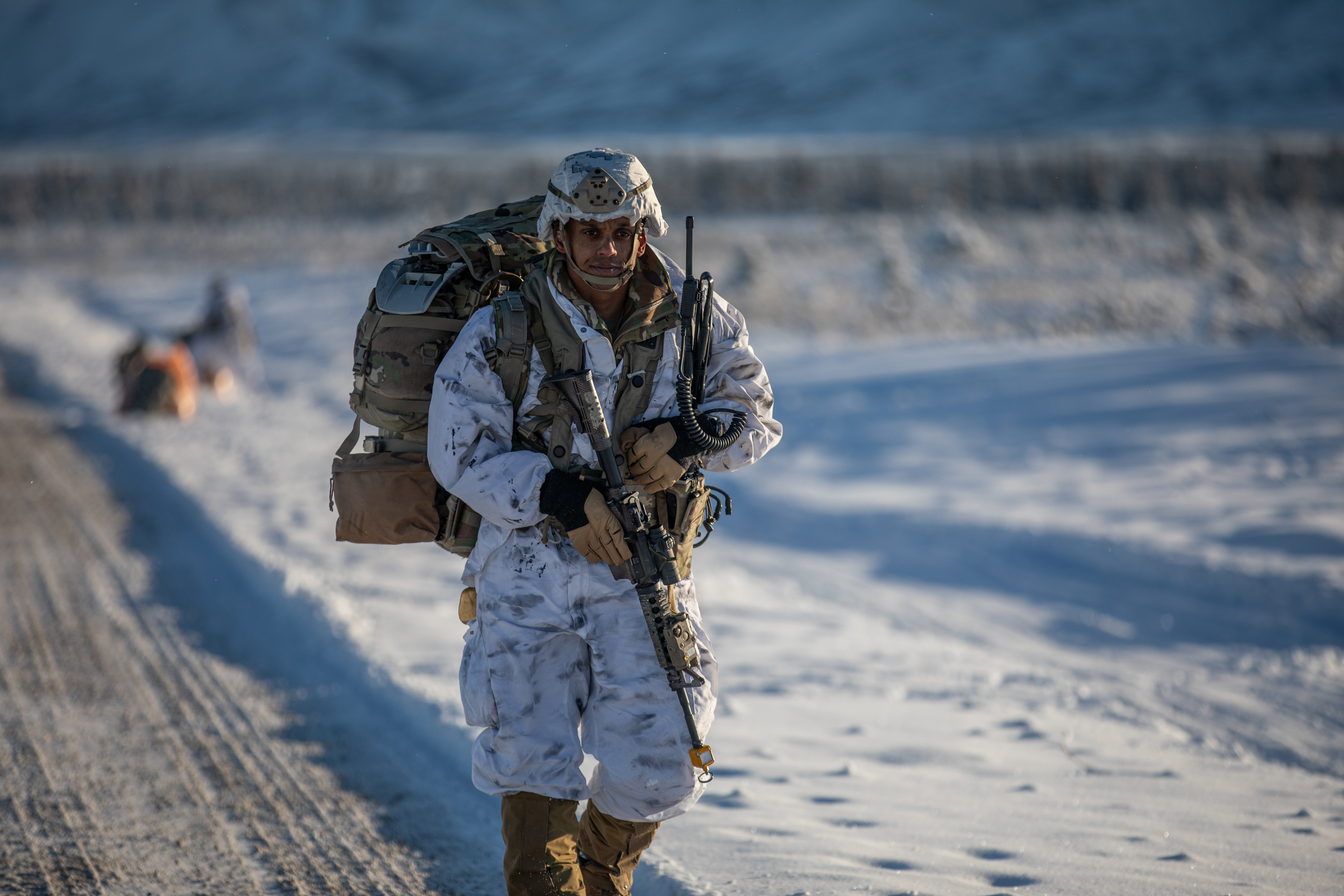


The scenario examined by analysts isn’t necessarily an armed invasion—but rather any attempt by the United States to assert sovereignty or control over Greenland without Denmark’s consent.
Such a move could involve:
-
Political pressure
-
Economic coercion
-
Unilateral security arrangements
-
Legal or diplomatic maneuvering
Regardless of method, it would put NATO in an unprecedented bind: one member acting against another.
Option 1: NATO Refuses to Intervene
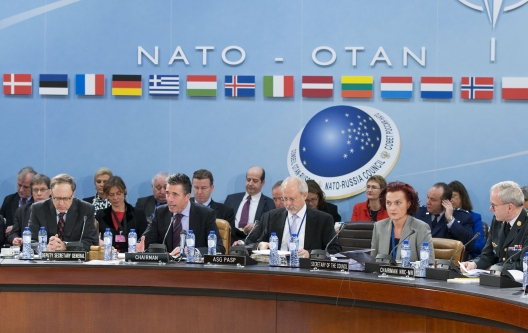


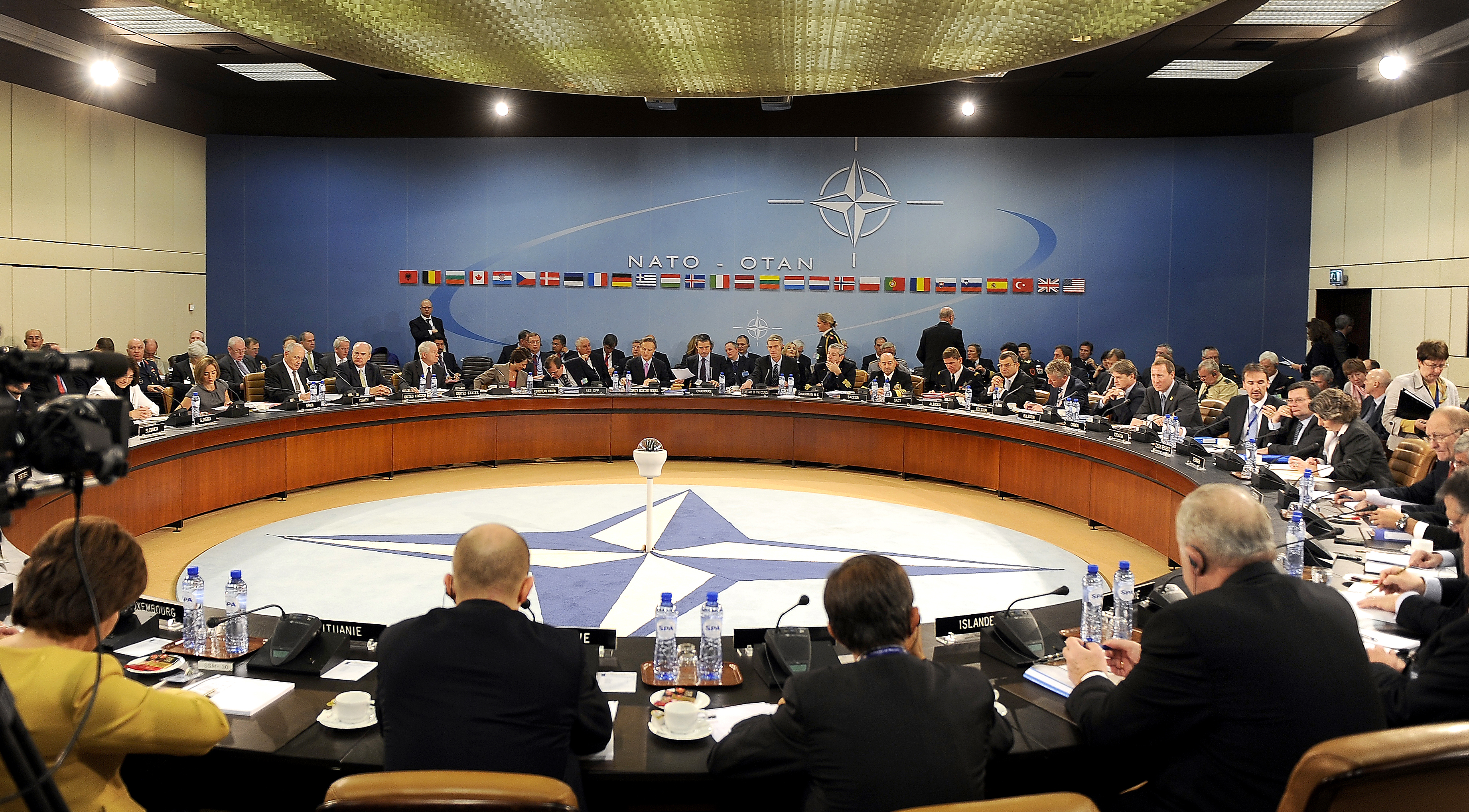
The first—and most controversial—possibility is that NATO chooses not to act at all.
What This Would Look Like
-
NATO avoids invoking Article 5
-
Frames the issue as a bilateral dispute
-
Encourages quiet diplomacy
Why NATO Might Choose This Path
-
Directly confronting the U.S. could fracture the alliance
-
The U.S. is NATO’s dominant military power
-
Fear of weakening deterrence against external threats
The Risk
This approach could destroy NATO’s credibility. Smaller member states may conclude that alliance protections only apply when politically convenient.
Option 2: NATO Sides with Denmark Politically—Not Militarily


Another option is a symbolic but restrained response.
What This Would Look Like
-
NATO formally affirms Denmark’s sovereignty
-
Issues joint statements condemning unilateral action
-
Applies diplomatic pressure on Washington
Why This Is Plausible
-
Allows NATO to defend its principles
-
Avoids direct military confrontation
-
Preserves alliance unity on paper
The Limitation
Without enforcement, political statements may do little to reverse U.S. actions, raising questions about NATO’s actual power.
Option 3: NATO Enters a Constitutional Crisis

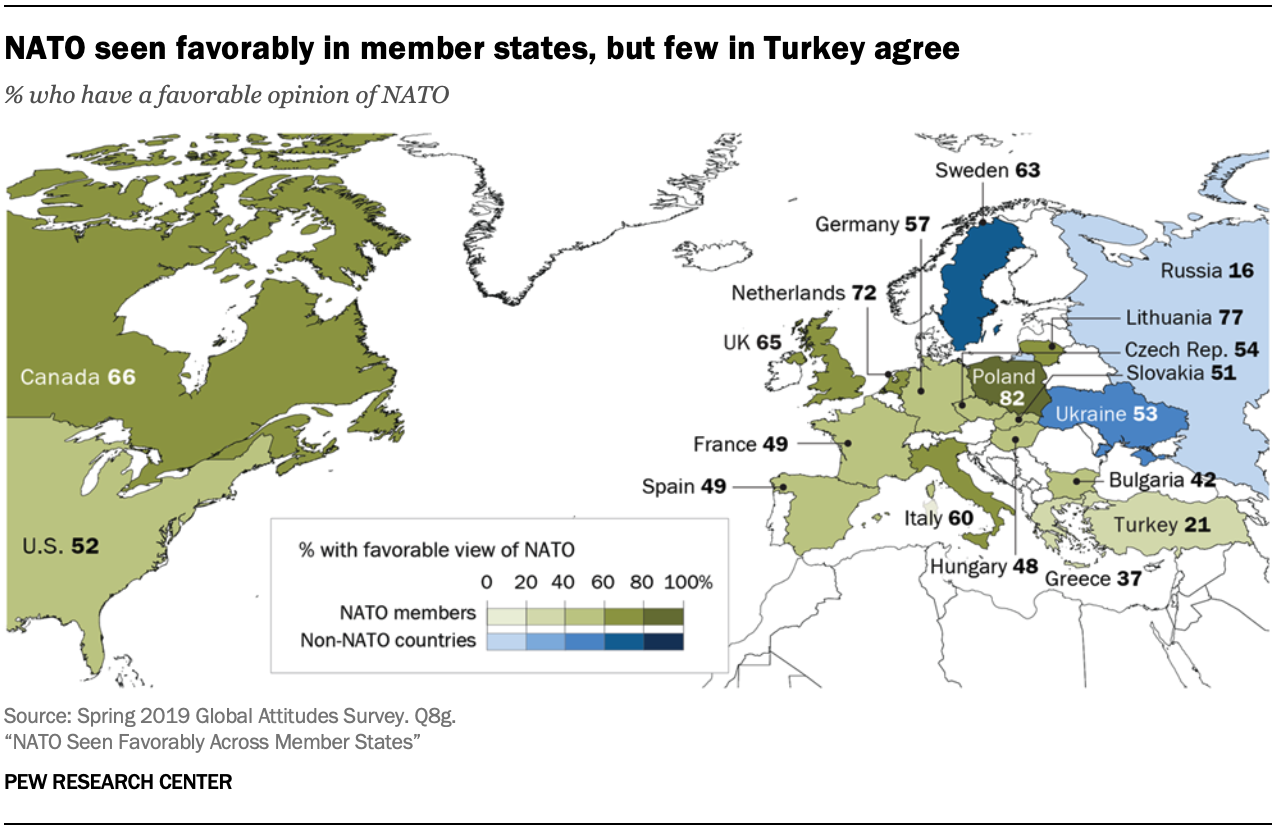

This is the most dangerous—and most realistic—outcome.
What Happens Here
-
NATO members split into factions
-
Emergency summits fail to reach consensus
-
Article 5 becomes effectively unusable
Why This Matters
NATO operates on consensus, not majority rule. A dispute involving the U.S. could paralyze the alliance entirely.
In effect, NATO wouldn’t collapse—but it would become strategically ineffective.
Option 4: NATO Pushes for Mediation and Greenland Self-Determination


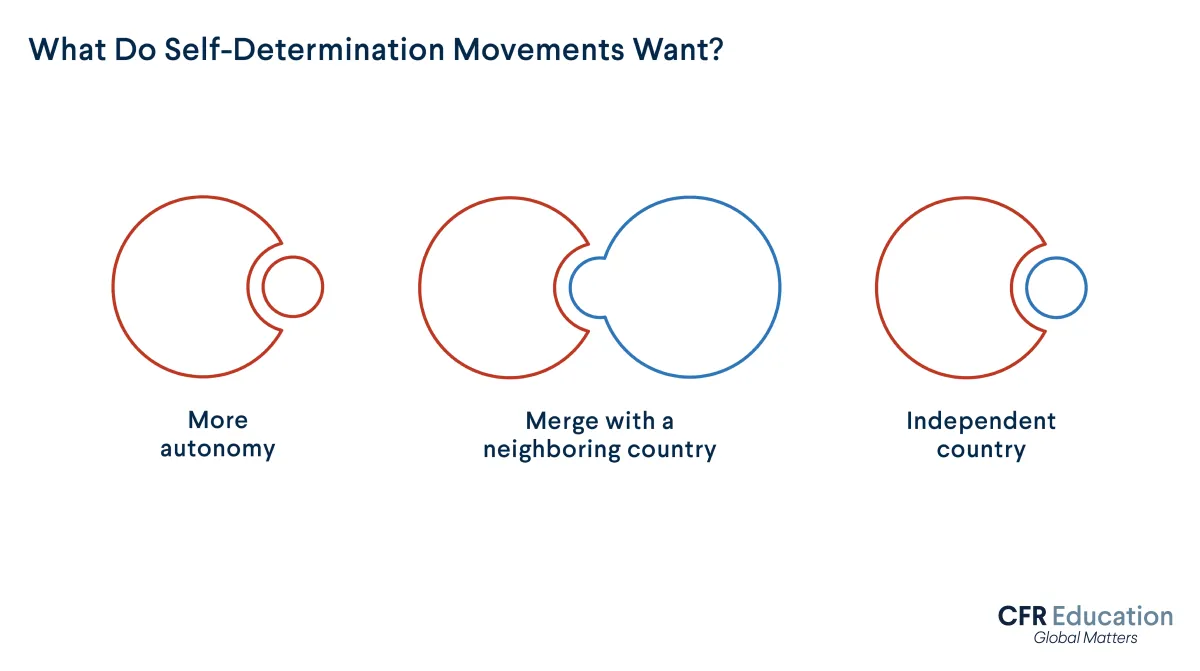

The most constructive—but complex—option involves Greenland itself.
What This Would Look Like
-
NATO encourages negotiations involving Denmark, the U.S., and Greenland
-
Emphasizes Greenlandic self-determination
-
Supports international mediation
Why This Is Attractive
-
Avoids framing the issue as conquest
-
Respects international law
-
Aligns with democratic principles
The Challenge
Greenland’s population is small, and external pressure from powerful states could undermine genuine self-determination.
How Russia and China Would Respond
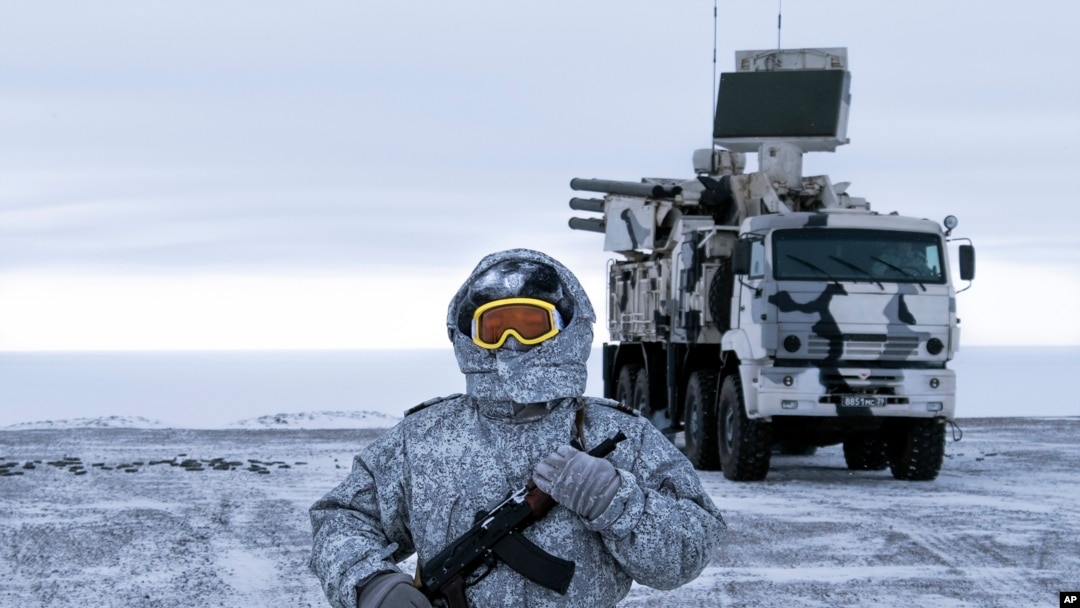
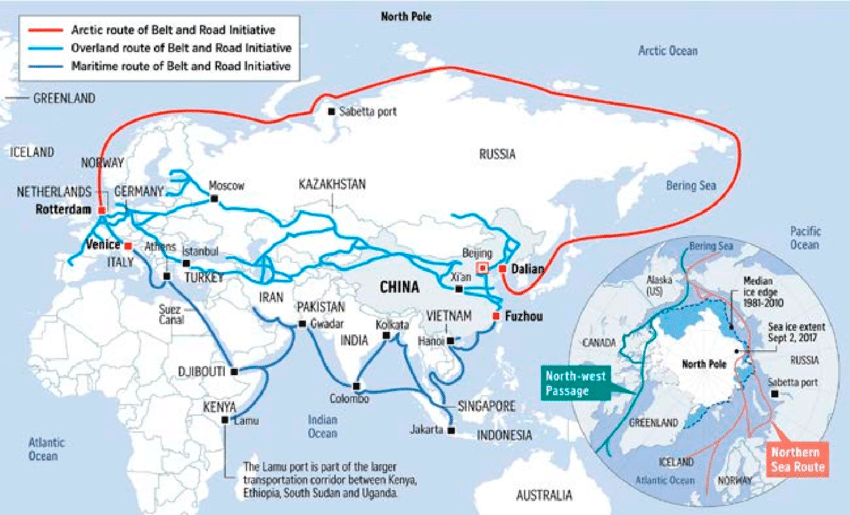
A NATO crisis over Greenland wouldn’t happen in isolation.
Both Russia and China would closely monitor—and exploit—the situation.
Potential consequences include:
-
Increased Russian military activity in the Arctic
-
China positioning itself as a diplomatic alternative
-
Undermining Western unity on global issues
A fractured NATO would embolden rivals worldwide.
Why This Scenario Alarms NATO Strategists


For decades, NATO’s strength has rested on one assumption: members do not threaten each other.
A U.S. move on Greenland would:
-
Break that assumption
-
Set a dangerous precedent
-
Weaken collective deterrence
If NATO cannot manage internal conflict, its ability to deter external aggression is severely compromised.
Legal and Treaty Implications

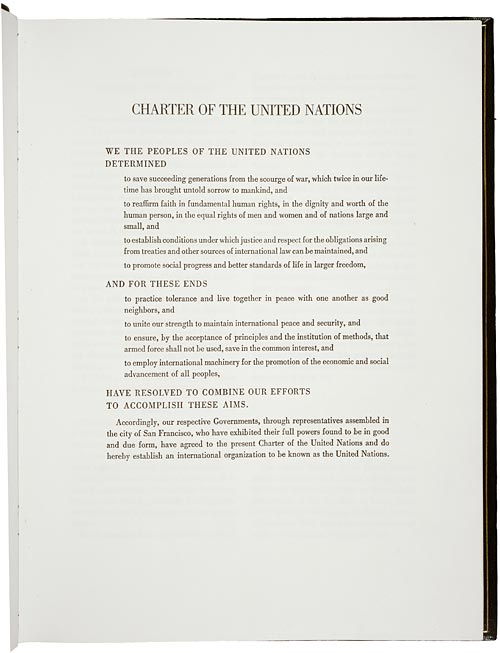


International law heavily favors:
-
Territorial integrity
-
Consent-based governance
-
Non-coercive diplomacy
Any unilateral takeover would likely face:
-
Legal challenges
-
UN scrutiny
-
Global diplomatic backlash
Even for the U.S., such costs would be significant.
What This Means for the Arctic’s Future
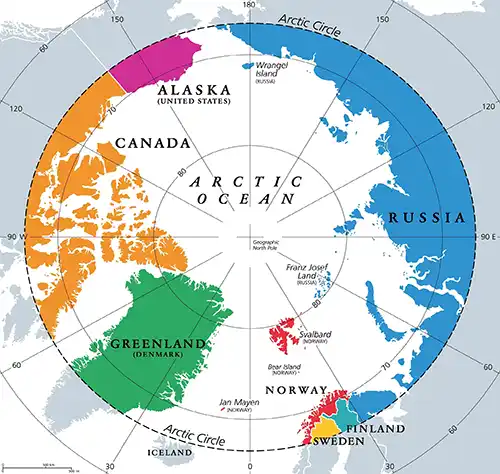


The Arctic is becoming the next major geopolitical theater.
A crisis over Greenland could:
-
Accelerate militarization
-
Undermine environmental cooperation
-
Turn the Arctic into a zone of rivalry rather than stability
That outcome would affect not just NATO—but the entire world.
Final Takeaway
The idea of a U.S. takeover of Greenland may remain hypothetical—but the questions it raises are very real.
NATO would face:
-
A test of its principles
-
A challenge to its unity
-
A moment that could redefine the alliance’s future
Whether through restraint, mediation, or internal crisis, no response would be cost-free. Greenland’s strategic value makes it too important to ignore—and too dangerous to mishandle.
In an era of great-power competition, even allies must navigate power carefully. How NATO would respond to a Greenland crisis may ultimately reveal whether the alliance is built only for external threats—or strong enough to survive internal ones.
Missing Son Found Alive After 20 Years Under a Different Name

The first clue was not a confession or a dramatic reunion. It was a name on a record that did not belong where it appeared, and it sent one mother back into a search she thought had ended in grief. For 20 years, she believed her missing son was gone. Then a paper trail suggested he had been alive under a different identity all along.




Comments 0