Introduction: why a simple song became a global statement
Few songs in modern popular music have traveled as far, lasted as long, or carried as much symbolic weight as John Lennon’s Imagine. Released in 1971, it is often described as a peace anthem, but that label only captures part of its power. The song is also a carefully constructed piece of songwriting, a product of its historical moment, and a reflection of Lennon’s evolving public identity after The Beatles. Over time, Imagine became more than a hit record. It became a cultural shorthand for idealism, a soundtrack for remembrance, and a phrase people use when they want to express hope for a better world.
To understand why Imagine is still so widely recognized, it helps to look at several layers at once: the political climate of the early 1970s, Lennon’s personal circumstances, the song’s musical restraint, and the way its lyrics invite listeners into a shared vision rather than a lecture. That combination is rare. Many protest songs are tied to a specific event or moment. Imagine feels broader. It speaks in the language of possibility, which is one reason it has outlived the era that produced it.
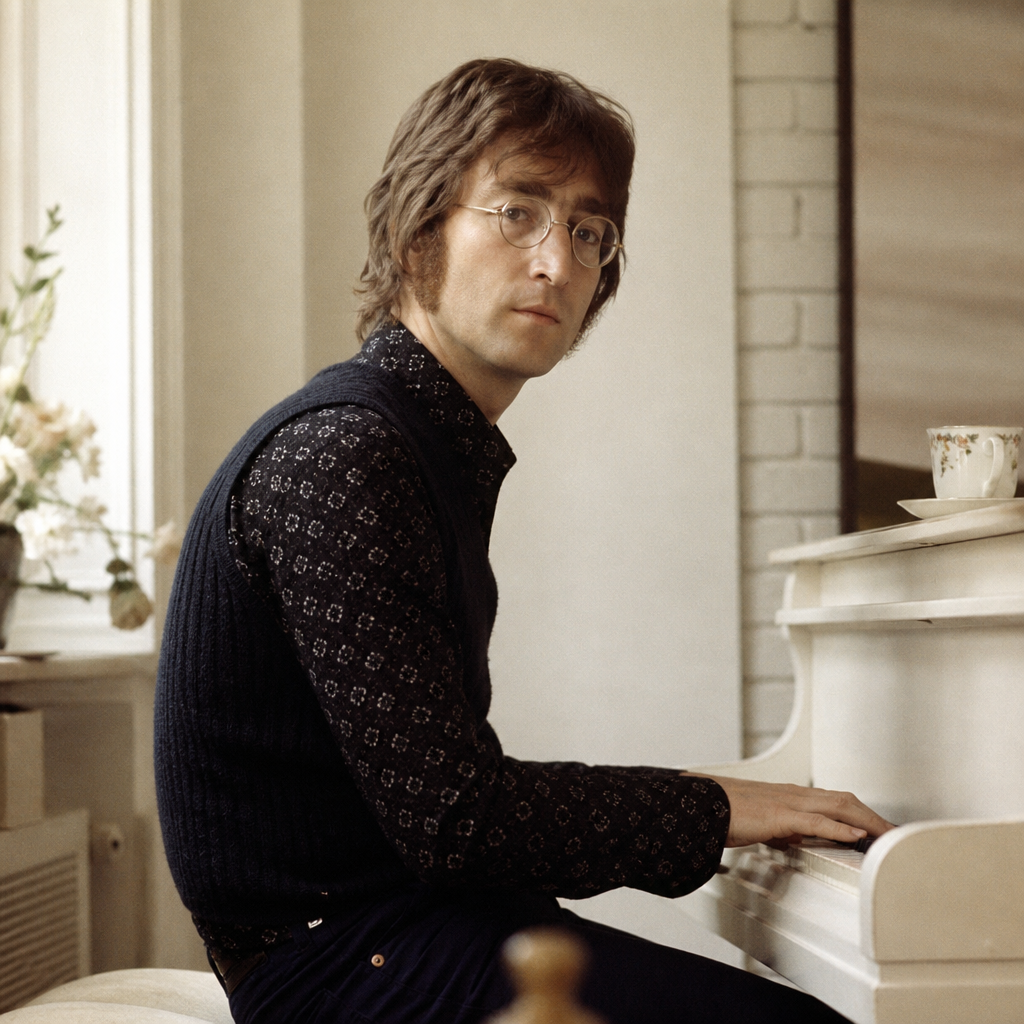
This article explores how the song emerged, why it sounded different from so much other music of its time, and how it became one of the most famous peace statements of the 20th century. Along the way, it also shows how Lennon’s public image, his activism with Yoko Ono, and the long shadow of The Beatles all helped turn a three-minute piano ballad into a lasting piece of cultural memory.
The world of 1971: protest, disillusionment, and the search for hope
Imagine did not appear in a vacuum. In 1971, the Western world was still living with the aftershocks of the 1960s: the Vietnam War, civil rights struggles, student protests, antiwar demonstrations, political unrest, and a growing skepticism toward institutions. The optimism of the previous decade had faded for many people, replaced by a more complicated mood. There was still idealism, but it was tempered by fatigue.
This mattered because popular music had become one of the main places where people negotiated public feeling. Rock stars were no longer just entertainers; they were cultural figures with opinions, platforms, and audiences that crossed borders. John Lennon, especially after the breakup of The Beatles, was one of the most visible examples of that shift. He was no longer speaking as one member of a famous group. He was speaking as an individual artist, and listeners paid close attention.
At the same time, the peace movement itself was evolving. It was not just about opposition to war, but about broader questions of social imagination: Could the world be organized differently? Could people live without the structures that seemed to divide them—nations, religions, property, and even the idea of possession? Imagine enters that debate directly, but it does so in a calm, almost gentle voice. That contrast between radical idea and soft delivery is part of what made the song so memorable.
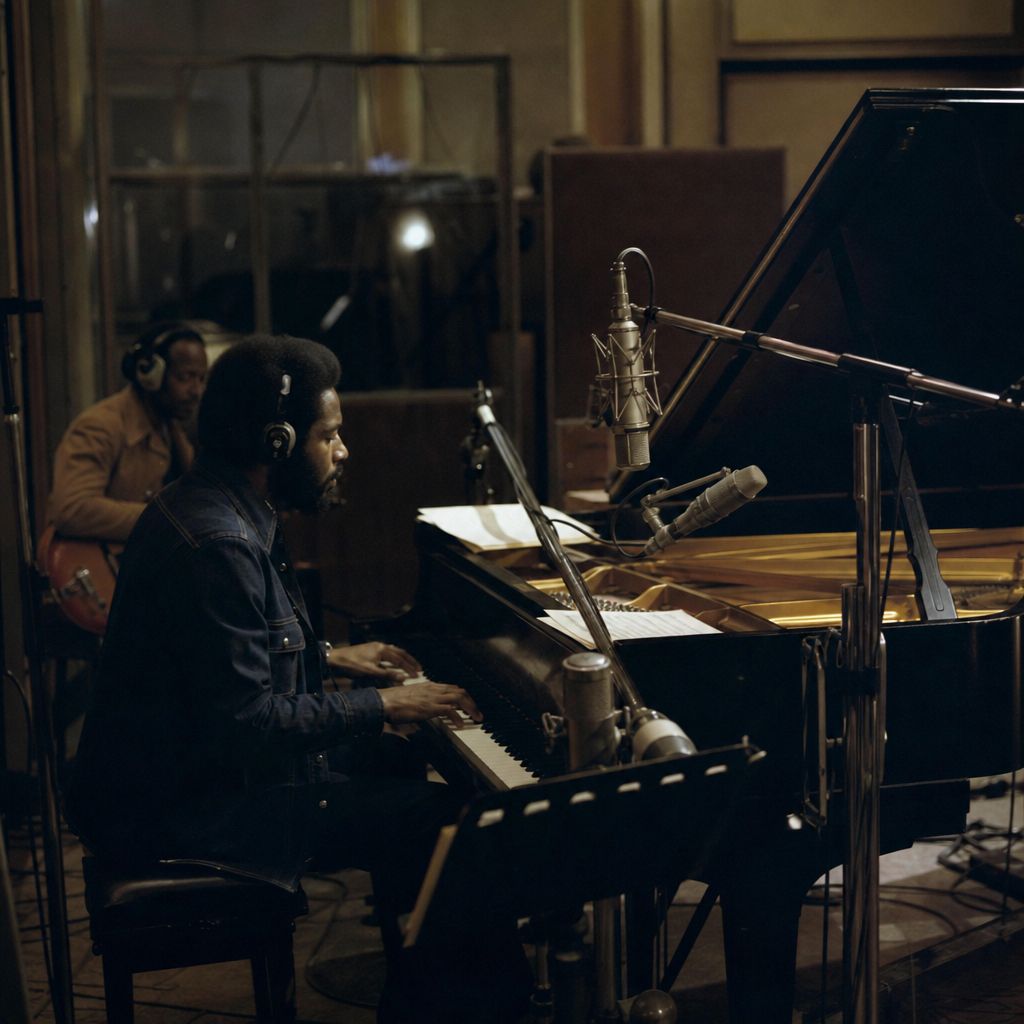
Lennon and Ono were also highly visible as public activists. Their peace campaigns, performance art, and media appearances often drew both admiration and criticism. Some people saw them as sincere idealists; others dismissed them as self-conscious provocateurs. Regardless of opinion, they had made peace activism part of mainstream pop culture. Imagine is the clearest musical expression of that project.
How the song was written: from personal vision to universal message
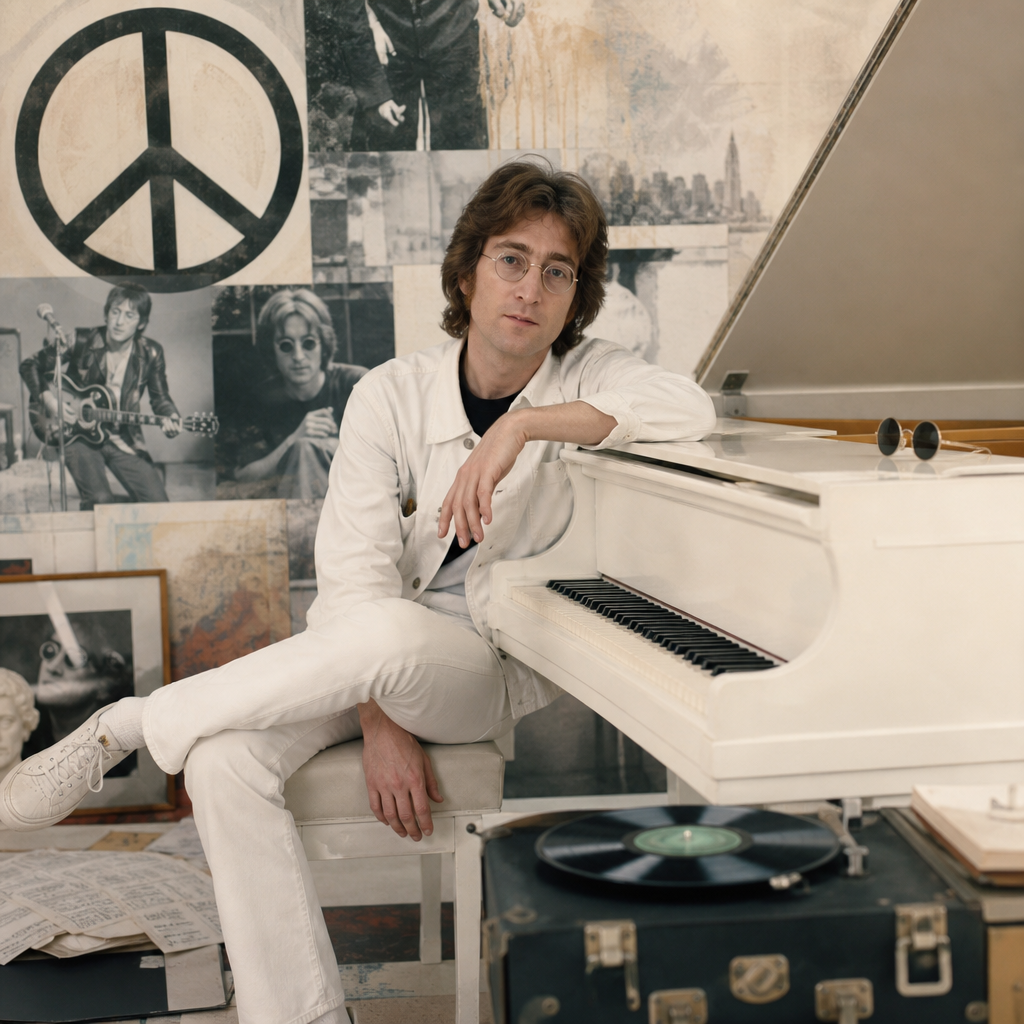
John Lennon later said that the song’s concept was influenced in part by a poem-like set of ideas shared with Yoko Ono, whose own artistic work often dealt with imagination, instruction, and conceptual art. That context matters. Imagine is not a conventional narrative song with verses that tell a story in the usual sense. Instead, it unfolds like a sequence of invitations. “Imagine there’s no heaven,” “Imagine there’s no countries,” “Imagine no possessions.” Each line asks the listener to step into a thought experiment.
That structure makes the song feel open-ended. Rather than telling people what to think, it asks them to picture a world without certain boundaries. The result is both simple and provocative. For some listeners, the song sounds like a plea for peace. For others, it sounds like a philosophical challenge. For many, it is both.
The genius of the writing lies in how accessible it is. The language is plain, almost childlike, but the implications are enormous. Lennon avoids technical political jargon. He does not anchor the song to a particular government, conflict, or ideology. Instead, he uses universal terms that almost anyone can understand. That decision is one reason the song has survived across generations and cultures.
There is also a tension at the heart of the lyrics. Lennon invites listeners to imagine the absence of religion, borders, and ownership, but he does not fully explain how such a world would function. That ambiguity has fueled decades of interpretation. Some hear the song as utopian; others hear it as naïve. Yet the very fact that it continues to provoke discussion is part of its cultural importance. A song that merely states a position can fade. A song that creates a space for debate can endure.
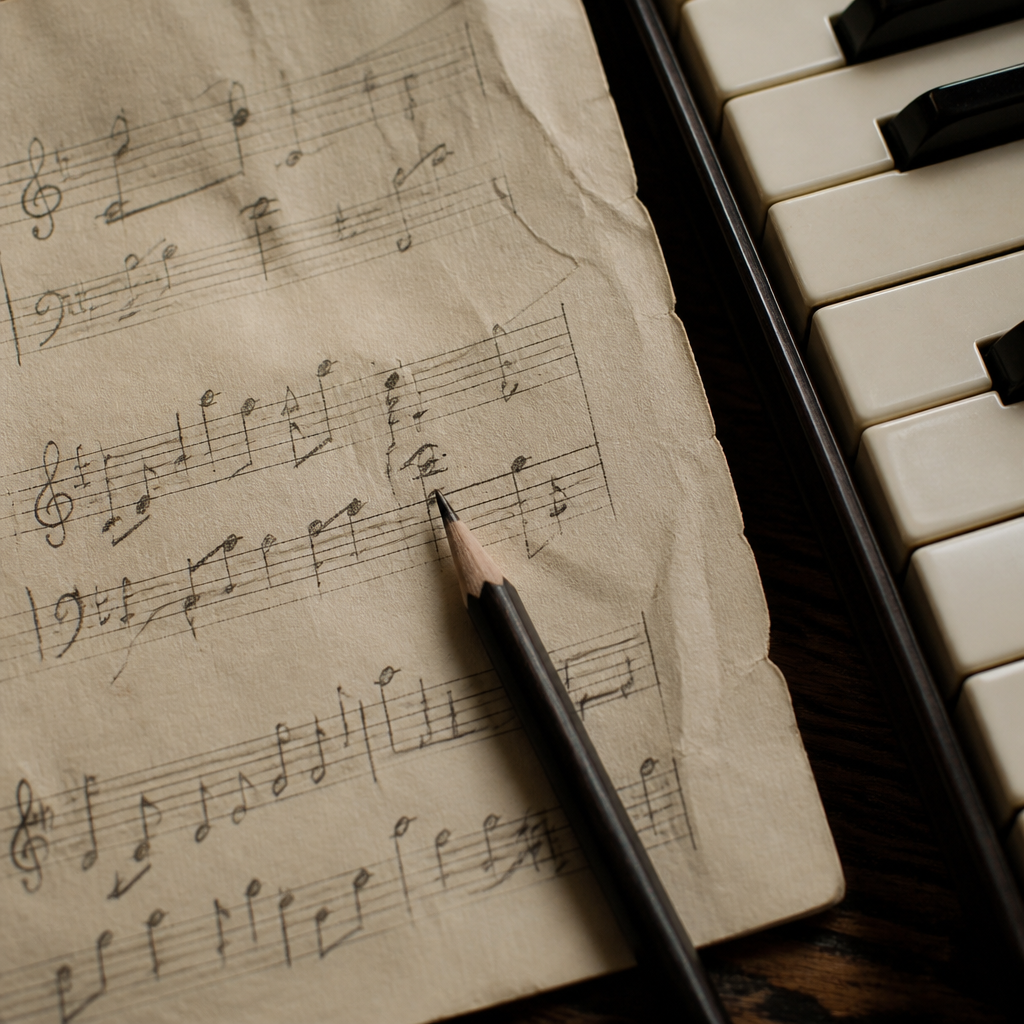
In this sense, Imagine is less like a slogan and more like a mirror. It reflects the listener’s own beliefs back at them. Those who value idealism may hear hope. Those who value realism may hear a challenge. Lennon understood, perhaps better than many artists, that ambiguity can be a source of strength.
The music itself: why the arrangement is so effective
One of the most striking things about Imagine is how little it seems to do, musically, while accomplishing so much emotionally. The song is built around a simple piano progression, a steady tempo, and Lennon’s restrained vocal delivery. There is no grand orchestration at the start, no dramatic instrumental flourish, and no attempt to overwhelm the listener. The track feels intimate, almost private, as if Lennon is sitting in the room and speaking quietly to one person at a time.
That restraint is crucial. If the song had been arranged with heavier production, it might have sounded preachy or overly sentimental. Instead, its simplicity gives the lyrics room to breathe. The piano acts like a frame, not a spectacle. The melody is easy to remember, and the harmonic movement supports the song’s reflective mood without distracting from it.
Lennon’s vocal performance is equally important. He sings without theatrical force. His voice is clear, direct, and emotionally controlled. That choice makes the song feel sincere. He is not performing outrage or demanding agreement. He is offering an image.
There is also a subtle balance between softness and conviction. The song is gentle, but it is not weak. It has a quiet authority. That quality helps explain why it has been used in so many different contexts: memorials, peace events, concerts, documentaries, and public ceremonies. The arrangement gives it flexibility. It can feel personal in one setting and communal in another.
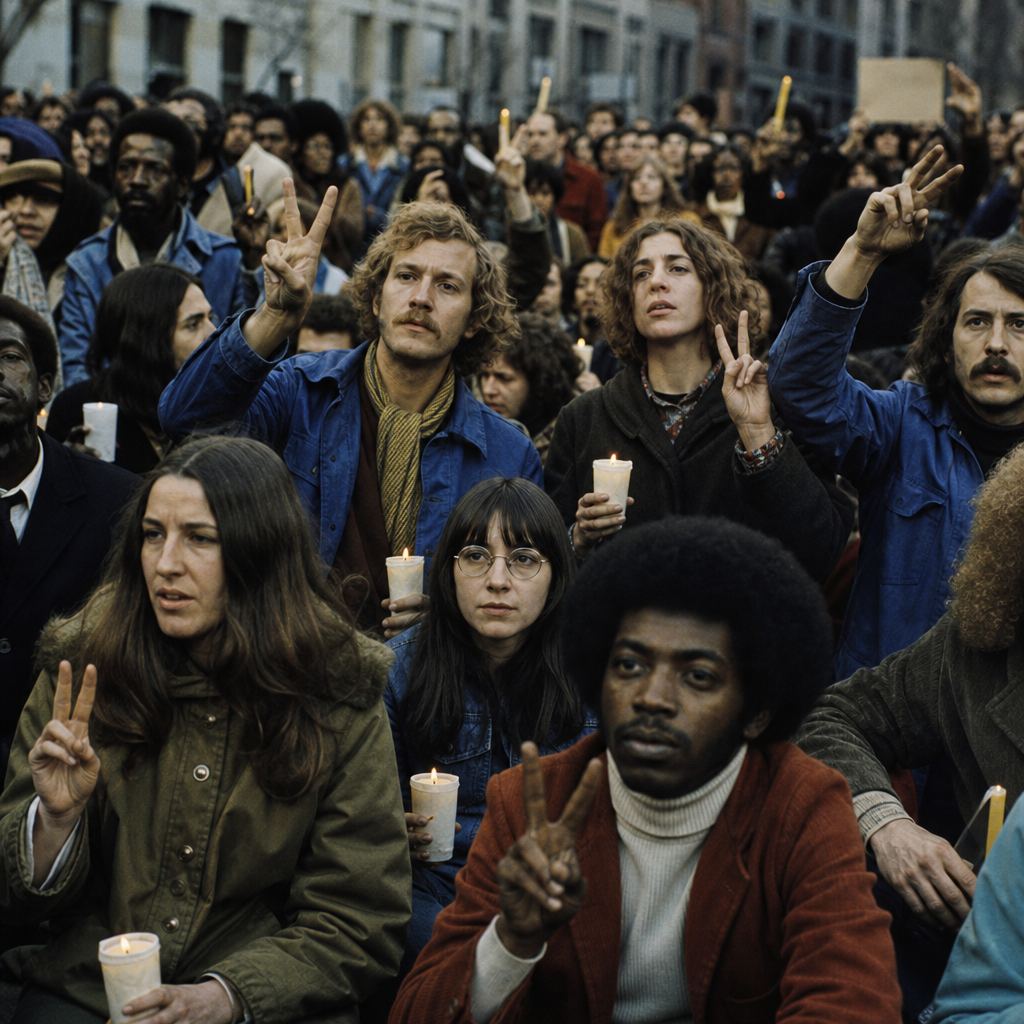
For listeners, the musical effect is almost paradoxical. The song sounds easy, but it is hard to forget. It sounds modest, but it carries enormous symbolic weight. This is one reason many musicians and critics regard it as one of Lennon’s most successful compositions outside The Beatles. It does not rely on complexity. It relies on clarity.
John Lennon after The Beatles: a new public identity
By the time Imagine was released, Lennon had already entered a new phase of life and career. The Beatles had broken up in 1970, and the aftermath was emotionally and legally complicated. For many fans, Lennon’s solo work represented both continuity and rupture: the same artist, but in a different register. He was freer, more personal, and more openly political.
That matters because Imagine is often heard not only as a song, but as a statement about Lennon himself. After years of global fame inside a band, he had become a solo public intellectual of sorts—an artist whose words were treated as commentary on society. He was not always consistent, and he often embraced contradiction, but he was undeniably influential.
The post-Beatles period also gave Lennon the chance to redefine his relationship with fame. He was no longer part of a four-person phenomenon that could diffuse attention. Instead, his individuality was front and center. That made his peace message more personal, but it also exposed him to criticism. Some people admired his sincerity; others accused him of hypocrisy because he lived a privileged life while singing about a world without possessions.
That criticism is not trivial. It points to a real tension in the song’s legacy. Lennon was a wealthy celebrity advocating radical simplicity. Yet this contradiction may also be part of the song’s appeal. The fact that Imagine comes from someone so embedded in fame gives it a strange force. It suggests that even from within systems of privilege, an artist can imagine something different.
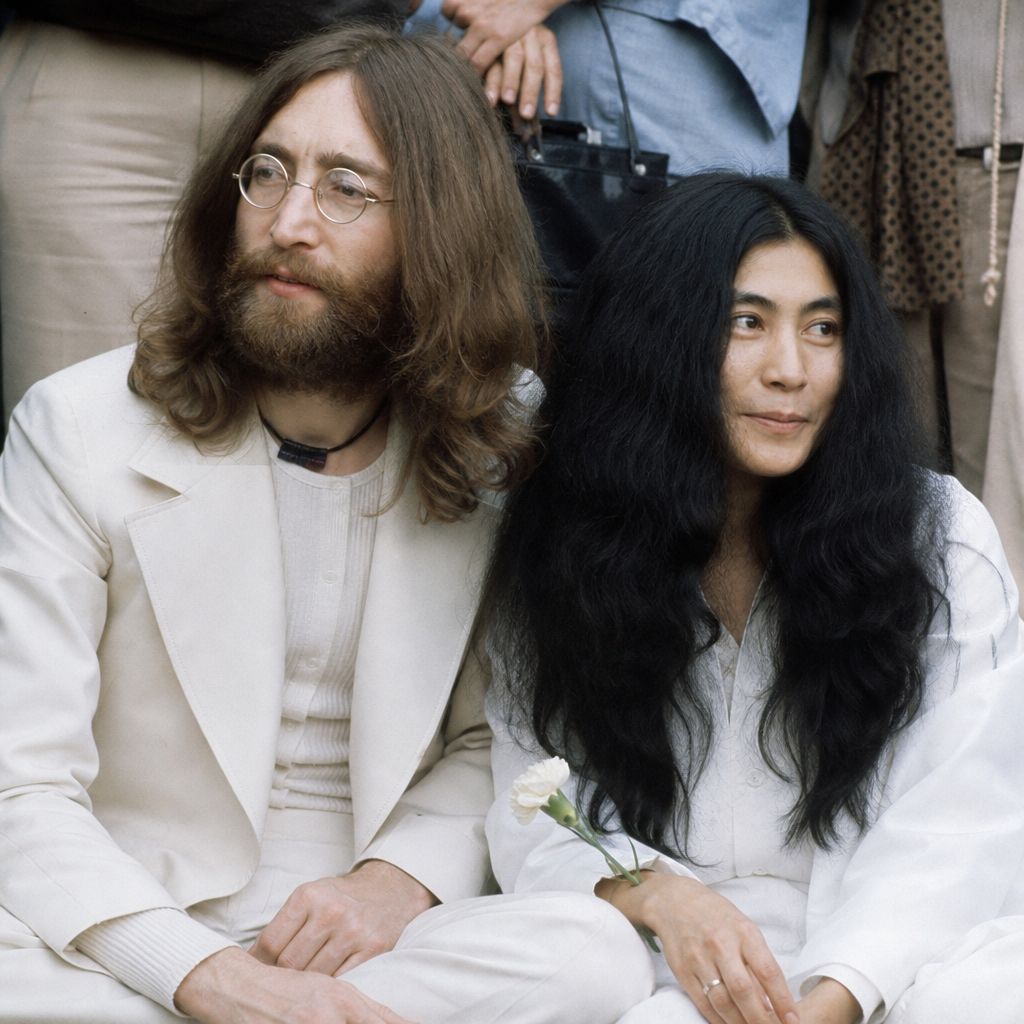
In the early 1970s, Lennon was also deeply associated with Yoko Ono, whose influence on his art and politics was substantial. Their partnership shaped not only his public image but also the conceptual openness of his work. In that sense, Imagine belongs to a larger creative and political collaboration, even if Lennon’s name became the one most closely attached to it.
Why the lyrics feel universal
Part of the song’s endurance comes from the way its lyrics avoid local color. There are no place names, no date stamps, and no specific political parties. The song speaks in broad terms about heaven, countries, possessions, and brotherhood. This universality allows listeners in different countries and eras to project their own concerns onto the song.
The opening line—“Imagine there’s no heaven”—is especially powerful because it begins with a phrase that can sound either liberating or unsettling depending on the listener. Lennon immediately places the audience in a space of uncertainty. He is not simply rejecting belief; he is asking what might happen if certain inherited structures were removed from the imagination. That is a philosophical move, not just a political one.
Then comes the line about no countries. In a world shaped by war, nationalism, and borders, the idea can sound utopian. But it also captures a basic peace-oriented instinct: if nations are one of the causes of conflict, what would the world look like without them? The song does not answer the question. It simply makes it impossible to ignore.
The image of “no possessions” may be the most controversial of all. To some, it sounds like a call for equality. To others, it sounds like an unrealistic rejection of material life. Yet the line’s power lies in its moral clarity. Lennon is asking listeners to imagine a world where ownership no longer defines human value. Whether or not one agrees, the idea is hard to dismiss casually.
The refrain, “You may say I’m a dreamer,” is perhaps the song’s most famous line because it anticipates criticism before the critic can speak. Lennon acknowledges the charge of naïveté and turns it into a badge of honor. In doing so, he transforms vulnerability into strength. That rhetorical move is one reason the song remains so quotable and so emotionally effective.
The peace anthem label: earned, but complicated
Imagine is often called the greatest peace anthem of the 20th century, and there are good reasons for that. It is widely known, easy to sing, emotionally resonant, and associated with a powerful message of coexistence. It has been performed at benefit concerts, memorials, and peace gatherings around the world. Few songs have entered the public imagination so fully.
But the label “peace anthem” can also flatten the song’s complexity. It suggests a straightforward message when the reality is more layered. The song is not a marching chant or a protest slogan. It is reflective, almost meditative. Its power comes from persuasion rather than mobilization. It does not demand action in the way some protest songs do. Instead, it changes the emotional climate in which action becomes thinkable.
That is an important distinction. Some peace songs are tied to specific campaigns. Imagine became something broader: a cultural symbol of peace itself. It is less a document of one movement than a vessel that different movements have used. In that sense, it functions like a public language for hope.
The song’s association with peace also owes much to Lennon’s own activism. His antiwar stance, public statements, and symbolic acts with Ono made his music feel connected to a larger moral project. When he sang Imagine, listeners heard not only the song but the persona behind it. The song and the man reinforced each other.
Yet the song’s fame also created a kind of burden. Because it became so iconic, it sometimes overshadowed Lennon’s other work. Some critics argue that Imagine is too often treated as the only Lennon song that matters politically or culturally. In reality, his broader catalog contains many songs that are darker, more ironic, or more emotionally complex. Still, the fact that Imagine rose above the rest says something about how deeply its message connected with the public.
Reception then and now: admiration, criticism, and reinterpretation
When Imagine first appeared, it was admired by many listeners and critics, but it was not universally treated as an instant masterpiece. Over time, however, its reputation grew. It became one of those songs that gradually moved from hit record to cultural monument. As decades passed, its meaning expanded through use in films, television, public events, and commemorations.
That expansion also brought criticism. Some listeners have argued that the song’s vision is too vague, too idealistic, or too detached from the realities of politics. Others have pointed out the irony of a wealthy rock star singing about a world without possessions. These criticisms are fair to consider, and they have become part of the song’s legacy rather than threats to it.
In fact, the song’s ability to absorb criticism may be part of why it remains alive. It is not protected by perfect consensus. People continue to argue about what it means and whether it can be taken literally. That debate keeps it in circulation. A song that everyone agrees on can become background. A song that people discuss remains active in culture.
Over the years, Imagine has also been reinterpreted by different generations. For some, it is a nostalgic relic of 1970s idealism. For others, it is a timeless call to empathy in a world still marked by war and division. Younger listeners often encounter it through tribute performances, documentaries, or major public events, which gives the song a new life each time it is heard.
The song’s adaptability is striking. It can sound hopeful at a charity concert, solemn at a memorial, or even ironic in a political context. That flexibility is part of its cultural power. It does not lock itself into one meaning. It invites reuse.
How the song shaped Lennon’s legacy
John Lennon’s legacy is larger than any single song, but Imagine became one of the central pillars of that legacy. For many people around the world, it is the first song they associate with him, even before his Beatles-era classics. That tells us something important about memory: a solo statement can sometimes become more symbolic than a group achievement.
The song helped define Lennon as an artist of conscience. It reinforced the idea that popular music could carry moral aspiration without losing mass appeal. It also helped secure his place in the broader history of 20th-century culture, where he stands not only as a musician but as a figure in the history of activism, media, and public imagination.
At the same time, Imagine can sometimes simplify Lennon into a single image: the peace-loving idealist at the piano. That image is incomplete. Lennon was also witty, contradictory, angry, vulnerable, experimental, and often difficult. His greatness lies partly in that complexity. The song captures one side of him with extraordinary clarity, but not the whole person.
Still, the song’s endurance has made it a kind of public monument. It is performed at moments when societies want to express grief, solidarity, or hope. It is quoted in speeches, printed on posters, and remembered in documentaries. In that sense, it has escaped the boundaries of pop music and entered civic life.

Very few songs achieve that status. To do so, they must be simple enough to remember, rich enough to interpret, and emotionally honest enough to survive changing tastes. Imagine meets all three conditions.
Why it still matters in the 21st century
More than fifty years after its release, Imagine still feels relevant because the questions it raises have not disappeared. War, inequality, nationalism, religious conflict, and materialism remain central concerns in global life. The song’s vision may be idealistic, but idealism is not the same as irrelevance. Sometimes a culture needs a clear image of what it wants before it can move toward it.
In a century shaped by rapid media change, the song also demonstrates the staying power of a strong artistic idea. It has survived shifts in production style, changes in political language, and the fragmentation of attention that defines modern media. People still know the melody. They still recognize the opening line. They still react to the song emotionally, even if they have heard it many times before.
Another reason it endures is that it works across settings. It can be sung by a single pianist, arranged for orchestra, performed by choirs, or used in stripped-down acoustic form. Its structure is durable. Its message is portable. Its emotional register is broad enough to cross generations.
At the same time, the song now carries historical weight. It is not just a piece of music; it is part of the archive of the 20th century. When people hear it today, they often hear both the song and everything that has happened since: the Cold War’s end, new wars, global movements for rights and justice, and the continuing search for common ground.
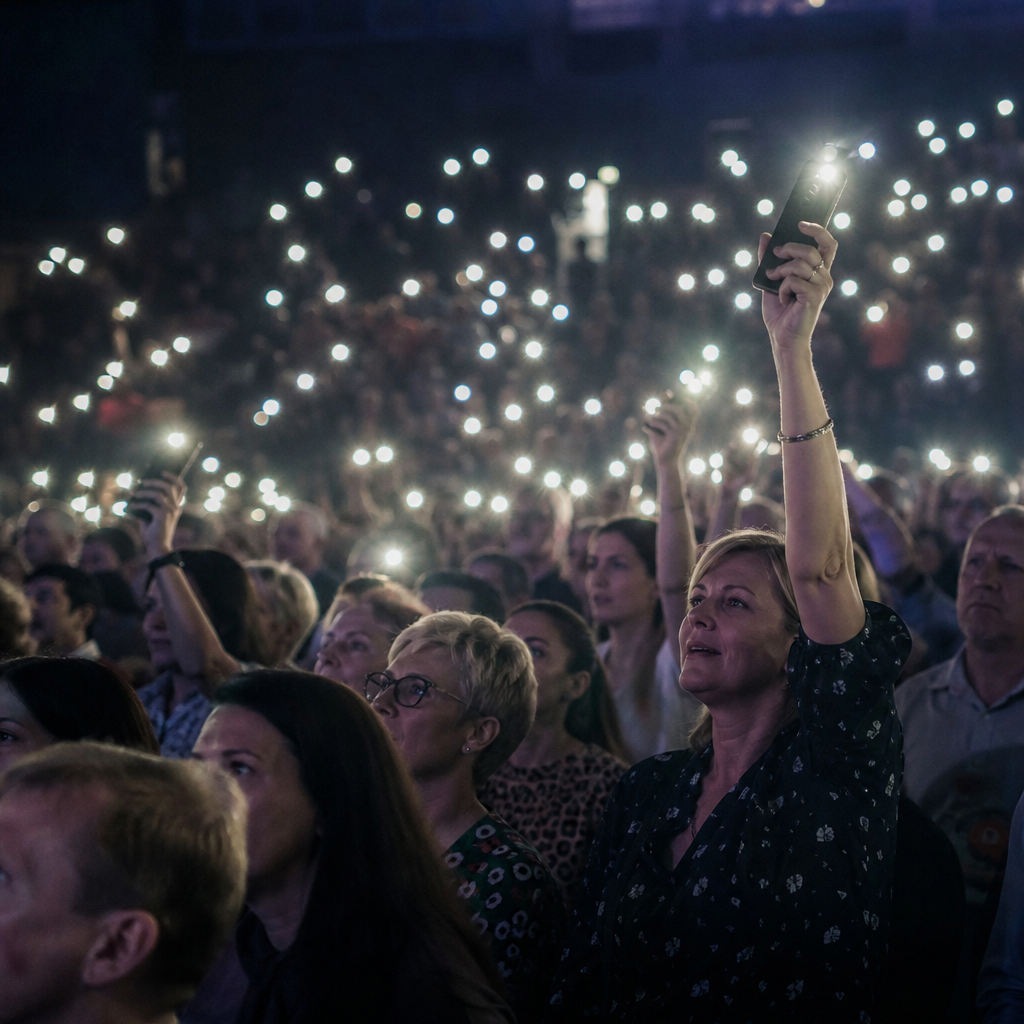
That layered listening experience is one reason Imagine remains powerful. It is not frozen in 1971. It keeps collecting meaning.
Conclusion: the power of imagining together
What makes Imagine extraordinary is not that it offers a perfect plan for peace. It doesn’t. What it offers is something more elusive and, in many ways, more important: a shared mental space in which peace can be imagined as real. Lennon understood that before people can build a different world, they often need to picture it first.
The song’s success comes from the meeting of several elements: a historical moment hungry for hope, a songwriter capable of radical simplicity, an arrangement that avoids excess, and a public figure whose life gave his words added force. Together, those elements turned a modest piano ballad into one of the most recognizable songs ever written.
Its legacy is not only musical but cultural. Imagine has become a reference point for conversations about peace, idealism, and the role of artists in public life. It remains a song people return to when they want to mourn, to dream, or to believe that another way of living is possible.
That is why it endures. Not because it answers every question, but because it asks the right ones in a voice the world has not forgotten.
Cynthia Lennon’s Final Days and Julian’s Last Goodbye
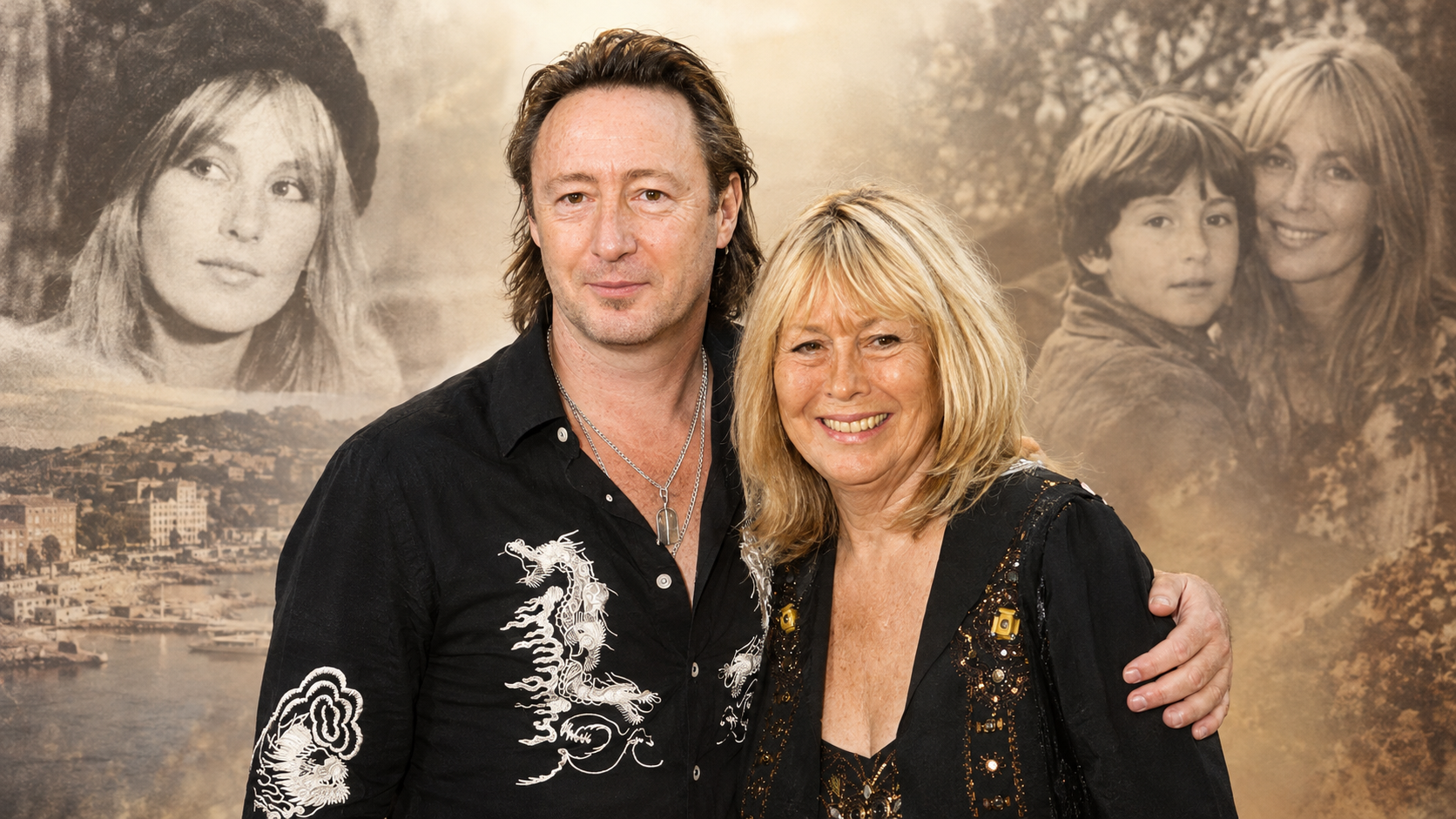
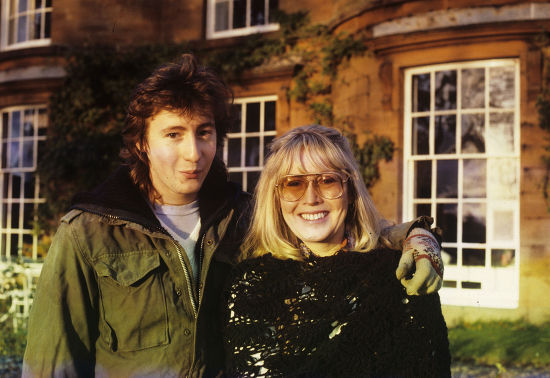
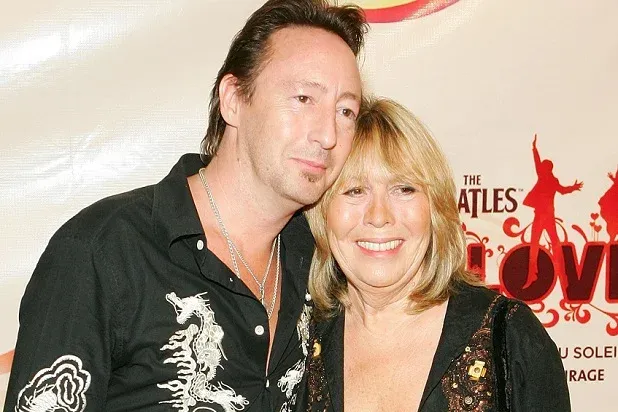
Cynthia Lennon’s Final Days were marked by a deeply personal farewell far removed from the worldwide fame that had surrounded her family for decades. On April 1, 2015, Cynthia died at her home in Mallorca, Spain, at the age of 75, following a short battle with cancer. Her son, Julian Lennon, was by her side, and the tribute he shared afterward transformed his grief into a moving musical remembrance of the woman who had shaped his life. Behind the famous Lennon name was a mother and son whose bond deserved to be remembered in its own right.

Comments 0