An iPhone user recently took to social media after noticing something unusual while typing—a strange keyboard behavior that seemed subtle at first, but quickly became impossible to ignore.
What started as a small curiosity turned into a viral conversation. Screenshots were shared. Theories flew. Some blamed a software bug. Others suspected hidden settings. A few even joked about digital “ghost typing.”
But what was actually happening?
Here’s a deep dive into the mysterious iPhone keyboard behavior that caught people’s attention—and what it reveals about how Apple’s typing system really works.
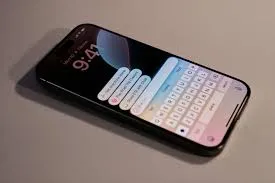
What the iPhone User Noticed
The issue appeared during everyday typing. Letters seemed to behave slightly differently than expected. Some keys displayed unusual capitalization shifts. Others appeared to momentarily change formatting or spacing.
At first glance, it looked like a glitch.
The user shared their experience online, explaining that the keyboard didn’t behave the way it normally had. The post quickly gained traction, with many iPhone owners checking their own devices to see if the same thing was happening.
Some users reported similar experiences. Others insisted everything was normal.
So what gives?
How the iPhone Keyboard Actually Works
To understand the “strange behavior,” it helps to understand how Apple’s iOS keyboard is designed.
The iPhone keyboard isn’t static. It adapts dynamically based on context. Several features operate simultaneously:
-
Auto-capitalization
-
Predictive text
-
Auto-correction
-
Smart punctuation
-
Context-aware formatting
-
Language detection
Many users don’t realize how many layers of automation are running in the background while they type.
Small visual changes—like a shift in capitalization or spacing—can actually be part of an intentional system designed to improve typing speed and accuracy.
Auto-Capitalization Confusion
One major theory circulating online was related to auto-capitalization.
By default, iOS automatically capitalizes:
-
The first letter of a sentence
-
Proper nouns it recognizes
-
The pronoun “I”
-
Certain location names
If a user edits a sentence mid-typing or deletes punctuation, the system may re-evaluate capitalization in real time.
To someone watching closely, this can appear like the keyboard is “changing its mind.”
In reality, it’s simply reprocessing grammar rules.
Smart Punctuation and Formatting
Another potential explanation involves smart punctuation.
Apple introduced features that automatically:
-
Replace straight quotes with curly quotes
-
Convert double hyphens into em dashes
-
Insert periods after double space taps
-
Adjust apostrophes
These changes happen instantly.
If someone notices punctuation shifting or text briefly appearing one way before adjusting, it may be the smart formatting engine at work.
Predictive Text: More Powerful Than You Think
Predictive text is one of the most advanced—and misunderstood—parts of the iPhone keyboard.
Using machine learning, the system:
-
Analyzes writing style
-
Learns frequently used phrases
-
Adapts to tone
-
Suggests next words
Sometimes predictive text can temporarily alter spacing or highlight words differently as it processes suggestions.
If a user types quickly, the keyboard may appear to “jump” or adjust slightly.
In most cases, it’s not malfunctioning. It’s thinking.
iOS Updates and Subtle Changes
Another factor that often goes unnoticed is software updates.
Apple regularly tweaks keyboard behavior in iOS updates. These changes might include:
-
Improved autocorrect logic
-
Faster predictive suggestions
-
Adjusted capitalization rules
-
Bug fixes
Users may not consciously register update details, but they notice behavioral differences.
A keyboard that feels “off” might simply be operating under revised logic.
Could It Be a Glitch?
While many cases of strange keyboard behavior can be explained by built-in features, genuine glitches do happen.
Common iPhone keyboard bugs include:
-
Delayed response time
-
Random freezing
-
Autocorrect errors
-
Predictive text disappearing
Occasionally, cache conflicts or software hiccups cause temporary odd behavior.
The good news? Most keyboard issues are easily resolved.
How to Fix iPhone Keyboard Issues
If your keyboard seems to behave strangely, try these troubleshooting steps:
1. Restart Your iPhone
A simple restart clears temporary memory issues.
2. Check Keyboard Settings
Go to:
Settings → General → Keyboard
Review features like:
-
Auto-Capitalization
-
Auto-Correction
-
Smart Punctuation
-
Predictive Text
Turning features off and back on can reset minor glitches.
3. Reset Keyboard Dictionary
If autocorrect seems unusually aggressive:
Settings → General → Transfer or Reset iPhone → Reset → Reset Keyboard Dictionary
This clears learned words.
4. Update iOS
Make sure you’re running the latest version:
Settings → General → Software Update
Updates often fix known bugs.
Why Small Tech Changes Go Viral
It may seem surprising that a minor keyboard behavior sparked widespread attention. But small digital quirks often resonate deeply.
Why?
Because smartphones are personal.
We use them:
-
For work
-
For relationships
-
For finances
-
For creativity
-
For communication
When something behaves unexpectedly—even slightly—it feels intrusive.
The iPhone keyboard is one of the most frequently used interfaces in daily life. A subtle change can feel significant.
The Psychology of “Tech Paranoia”
There’s also a psychological element.
In an era of AI-powered tools and predictive systems, users sometimes worry about:
-
Hidden data collection
-
Overly intrusive automation
-
Devices “learning too much”
When a keyboard behaves in unfamiliar ways, some interpret it as more than a design tweak.
It becomes a symbol of technology’s growing autonomy.
However, in most cases, these behaviors are transparent system functions rather than secret features.
Expert Perspective: It’s Likely Normal
Technology analysts point out that Apple invests heavily in keyboard refinement. Minor updates are often part of performance optimization.
Context-aware typing is now the norm.
Features that once felt futuristic—like automatic sentence corrections—are now standard.
If something appears unusual, it’s often just software adapting faster than we realize.
When to Be Concerned
There are rare cases when keyboard behavior could signal a larger issue.
Watch for:
-
Persistent lag across apps
-
Unresponsive keys
-
Text input appearing without typing
-
Third-party keyboard malfunctions
If these occur, it could indicate:
-
A corrupted app
-
Malware (rare on iOS but possible via risky downloads)
-
A faulty update
In such cases, contacting Apple Support is recommended.
The Bigger Conversation About AI Keyboards
The viral moment also opens a broader discussion about AI-driven typing.
Modern keyboards now incorporate:
-
On-device machine learning
-
Natural language processing
-
Personalized usage patterns
Future updates may include even more adaptive behavior—possibly completing entire sentences or adjusting tone automatically.
As automation increases, transparency becomes crucial.
Users want control over how their devices behave.
Balancing Convenience and Control
Apple’s keyboard features are designed to:
-
Increase typing speed
-
Reduce errors
-
Improve readability
-
Enhance accessibility
But not everyone prefers automation.
Thankfully, most iOS keyboard features can be customized or disabled.
This balance between convenience and user control is central to smartphone design philosophy.
Final Takeaway: Not All Strange Behavior Is a Bug
The viral iPhone keyboard story serves as a reminder: not every unusual digital experience signals a malfunction.
Often, it’s the result of:
-
Smart automation
-
Context processing
-
Software refinement
-
Machine learning updates
In a world where our devices are constantly evolving, subtle behavioral shifts are part of the landscape.
If your iPhone keyboard seems slightly different, take a moment before assuming the worst.
Check your settings. Restart your device. Update your software.
More often than not, your phone isn’t broken.
It’s just getting smarter.
A Big Shift on Wall Street? The SEC Is Considering Ending Quarterly Earnings Reports

A Big Shift on Wall Street? The SEC Is Considering Ending Quarterly Earnings Reports
For decades, quarterly earnings reports have been a cornerstone of the American financial system.
Every three months, publicly traded companies release detailed financial statements that give investors insight into performance, growth, and future expectations.




Comments 0