Few actors embody joyful chaos quite like Jack Black. With a career spanning comedy classics, blockbuster films, and beloved animated roles, Black has long been considered one of Hollywood’s most versatile performers. Yet even with decades of success, the actor recently revealed a rare professional regret—one tied to Pixar’s iconic superhero film, The Incredibles.
In a candid reflection, Black admitted that a specific request he made during discussions for a voice role ultimately cost him the opportunity to be part of one of animation’s most celebrated franchises. The revelation offers a fascinating glimpse into how even small creative choices can alter the course of a career—and why humility and flexibility matter in Hollywood.
A Career Built on Voice Acting Success
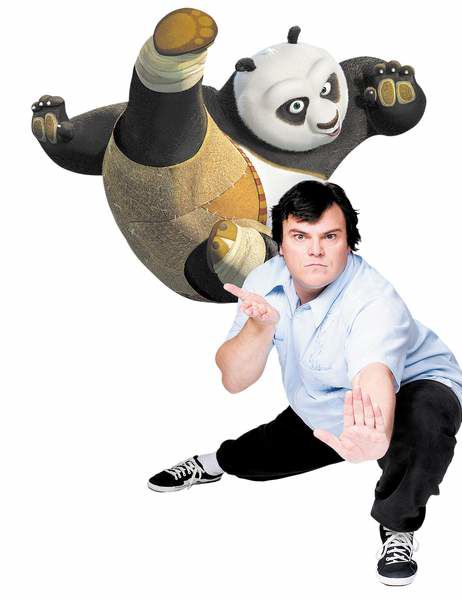


Ironically, Jack Black is no stranger to animated success. His portrayal of Po in Kung Fu Panda turned him into one of the most recognizable voices in modern animation. The role showcased his ability to blend humor, warmth, and emotional depth—qualities that would have fit seamlessly into Pixar’s storytelling style.
That makes his missed opportunity with The Incredibles all the more striking.
The Role That Got Away
According to Black, he was in conversations for a voice-over role during the early stages of The Incredibles. Pixar, known for its meticulous casting process, often seeks actors who can bring nuance and originality without overshadowing the character.
Black revealed that he made a specific creative request—one he believed would enhance the role or better align with his strengths. In hindsight, that request may have signaled a lack of flexibility, something Pixar tends to avoid when shaping tightly controlled narratives.
While Black hasn’t framed the moment as a bitter loss, he openly acknowledged it as a learning experience.
Why Pixar Casting Is Uniquely Competitive



To understand why a single request could derail an opportunity, it’s important to understand Pixar Animation Studios and its culture.
Pixar is famously collaborative—but also highly selective. Its casting philosophy prioritizes:
-
Story over star power
-
Character authenticity
-
Willingness to serve the script
-
Long-term franchise potential
Actors are expected to adapt to the character, not the other way around.
In that environment, even well-intentioned creative suggestions can be interpreted as resistance to the studio’s vision.
Jack Black’s Honest Reflection
What makes Black’s admission compelling isn’t the regret itself—but the way he frames it. Rather than blaming Pixar or lamenting lost fame, he uses the moment as an example of creative humility.
Black acknowledged that, at the time, he didn’t fully grasp how collaborative animation differs from live-action comedy, where improvisation and personal flair are often encouraged.
“I should have just said yes,” he implied—a simple but powerful lesson.
The Incredibles’ Legacy Without Jack Black


Released in 2004, The Incredibles became a cultural phenomenon. Directed by Brad Bird, the film combined superhero spectacle with family drama and sharp social commentary.
The voice cast—carefully curated—played a huge role in its success. While it’s tempting to imagine what Jack Black might have brought to the film, the finished product stands as one of Pixar’s most acclaimed works.
In many ways, Black’s absence underscores Pixar’s casting philosophy: the right voice isn’t always the most famous one.
A Pattern of Learning, Not Losing
This isn’t the only time Jack Black has spoken openly about career crossroads. Throughout his career, he has:
-
Turned down roles he later admired
-
Missed opportunities due to scheduling conflicts
-
Chosen passion projects over guaranteed hits
What sets him apart is his willingness to discuss these moments publicly—without bitterness.
How This Regret Shaped His Later Choices


Following the Incredibles experience, Black became more adaptable in collaborative environments—especially in animation. His later work demonstrates:
-
Greater trust in directors
-
Less insistence on reshaping roles
-
A stronger emphasis on ensemble storytelling
That evolution likely contributed to his long-running success with Kung Fu Panda and other family-friendly projects.
What Aspiring Actors Can Learn
Jack Black’s story resonates far beyond Hollywood insiders. It offers valuable lessons for anyone working in creative fields:
-
Flexibility matters more than ego
-
Even small requests can carry big implications
-
Listening is as important as performing
-
Regret can be a teacher, not a burden
In competitive industries, talent opens doors—but attitude determines how long they stay open.
Fans React: “He Would’ve Been Perfect!”
Unsurprisingly, fans have strong opinions. Many argue that Jack Black’s energetic style would have added a memorable layer to The Incredibles. Online discussions frequently imagine him as:
-
A scene-stealing side character
-
A comic relief villain
-
An eccentric superhero
While fun to speculate, these reactions also highlight how deeply audiences connect actors to animated characters—even hypothetical ones.
Why This Story Still Matters Today



In an era where celebrities often curate flawless narratives, Jack Black’s honesty stands out. His willingness to say, “I messed up—and learned from it” feels refreshingly human.
The entertainment industry thrives on reinvention, and Black’s career proves that one missed role doesn’t define a legacy.
The Bigger Picture: Success Without Perfection
Jack Black remains:
-
A global box-office draw
-
A beloved voice actor
-
A respected musician and performer
Missing out on The Incredibles didn’t derail his career—it enriched his perspective.
In fact, the regret may have helped him become the artist audiences love today.
Final Thoughts
Jack Black’s regret over a lost Incredibles voice role isn’t a story about failure—it’s a story about growth. It reminds us that even the most successful creatives face moments they wish they could redo.
But as Black’s career shows, what matters isn’t the door that closes—it’s how you walk through the next one.
And for fans, that honesty only makes him more relatable, more respected, and more human than ever.
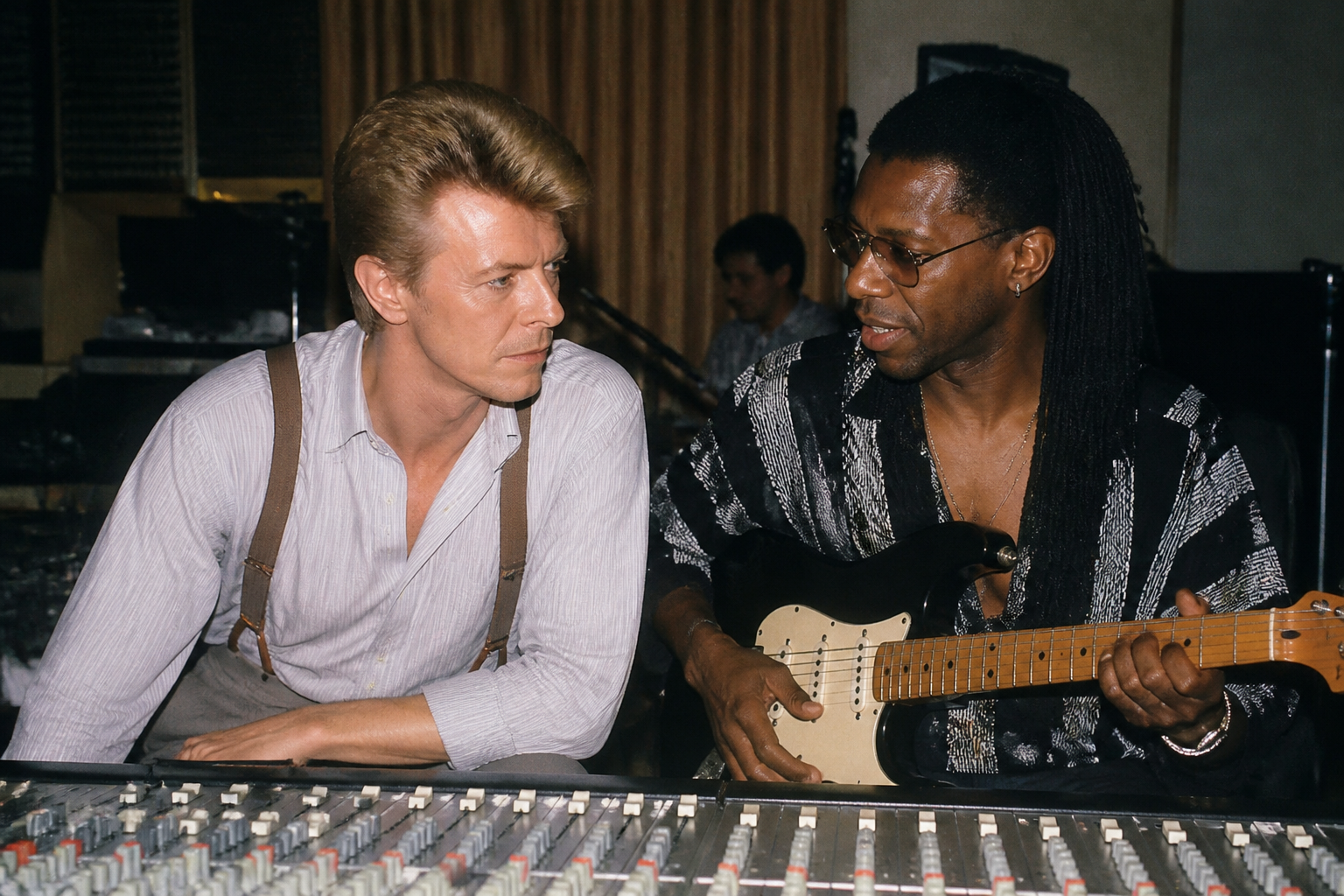
How David Bowie Reinvented Himself and Changed Music Forever
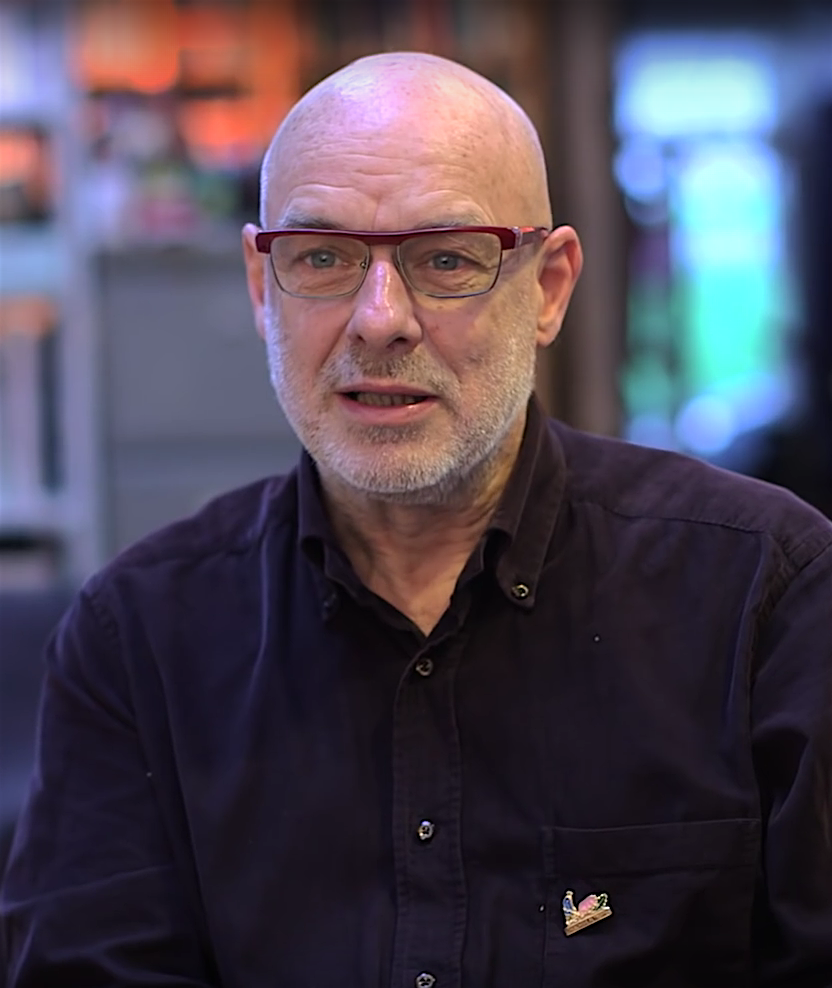
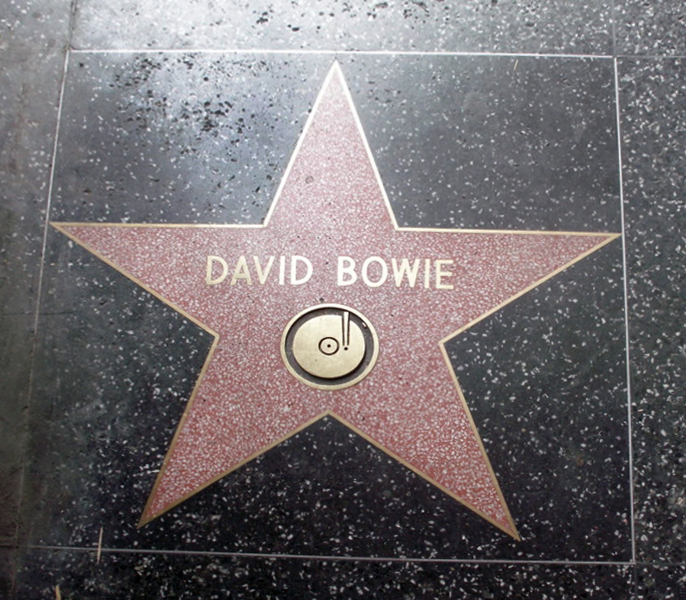
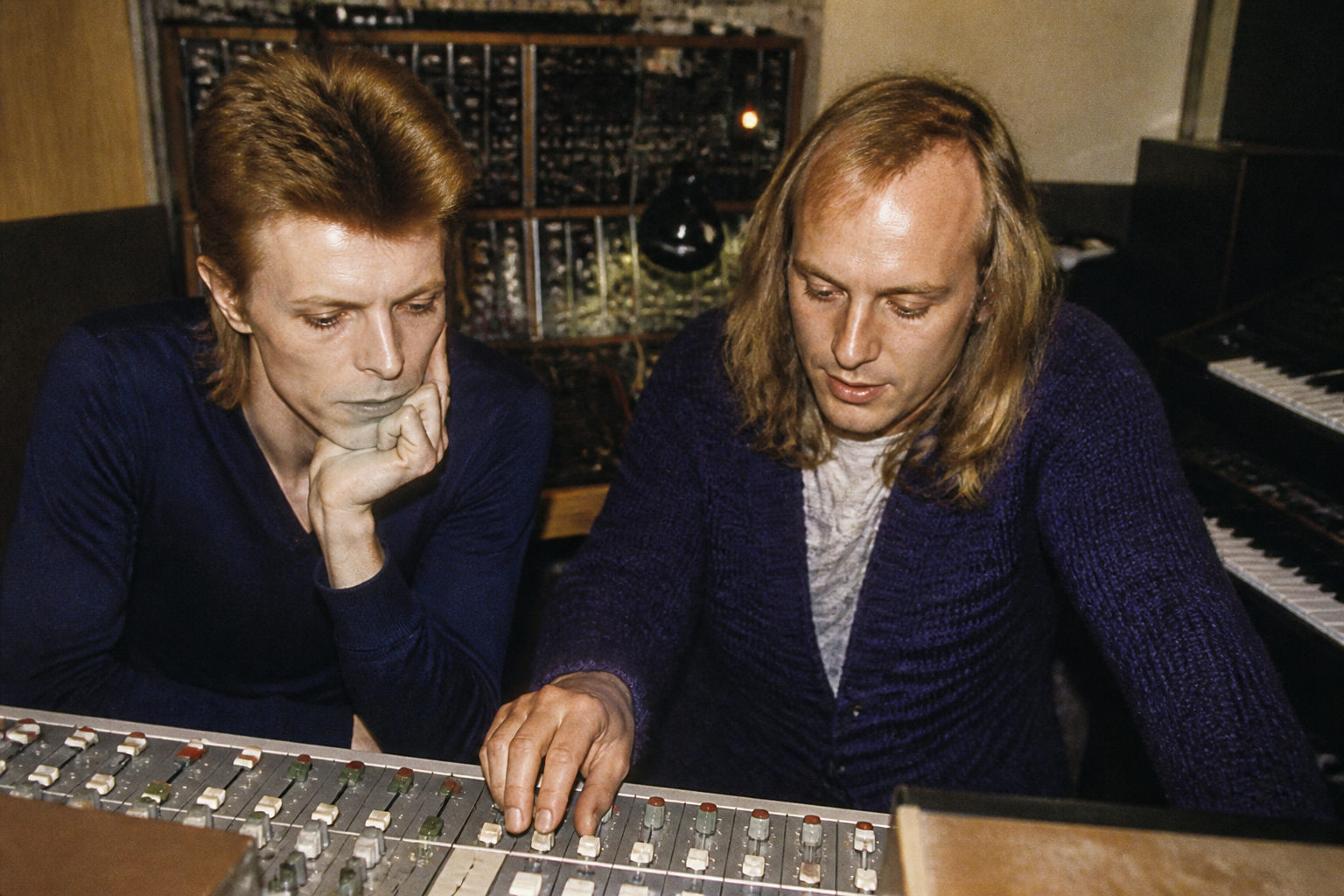
David Bowie made reinvention part of his artistic identity, and popular music has never quite looked the same. Across five decades, he treated image, sound, and performance as connected pieces of one creative vision. That approach made him one of the clearest examples of how a single artist could reshape an era without staying in one place for long.

Comments 0