A Major Fast-Food Brand Scales Back Its Footprint
One of America’s most recognizable fast-food brands is shrinking its physical presence. Jack in the Box, known for its quirky mascot and late-night menu staples, has announced plans to close a significant number of underperforming restaurants across the United States.
The move reflects mounting pressure across the fast-food and casual dining industry, where rising labor costs, inflation, and shifting consumer habits are forcing even long-established chains to rethink how—and where—they operate.
While Jack in the Box has not framed the closures as a crisis, the decision underscores a broader reality: the fast-food business model is changing faster than many brands expected.
What We Know About the Restaurant Closures
According to the announcement, Jack in the Box will shutter dozens of locations nationwide. These closures primarily target restaurants that are:
-
Consistently underperforming
-
Located in highly competitive markets
-
Burdened by rising operating costs
-
Less suited to drive-thru or digital-first service models
Company leadership has emphasized that the decision is part of a longer-term strategy to strengthen profitability rather than a sign of financial distress.
Image suggestion: Exterior of a Jack in the Box restaurant with signage
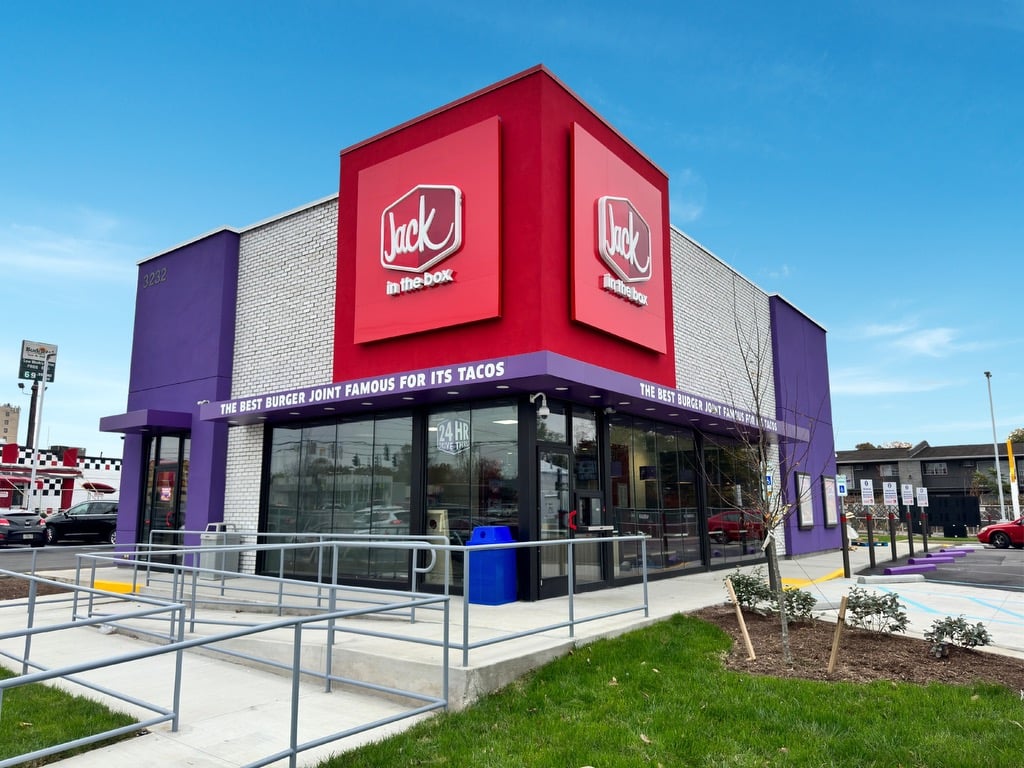
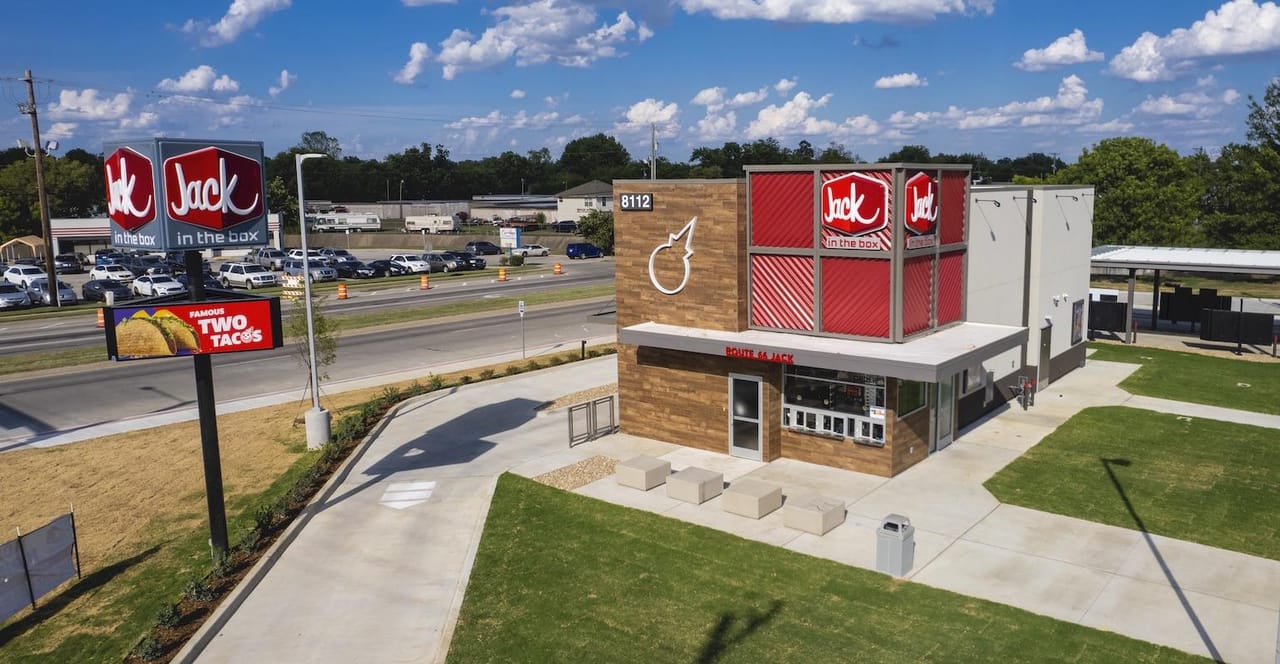
In a statement to investors, executives noted that trimming weaker locations allows the company to reinvest in stronger markets, remodel existing stores, and expand digital ordering capabilities.
Why Jack in the Box Is Closing Locations
Rising Costs Are Squeezing Margins
Fast-food chains are facing unprecedented cost pressures, including:
-
Higher wages: Many states and cities have increased minimum wages, particularly affecting labor-intensive restaurants.
-
Food inflation: Beef, chicken, cooking oil, and packaging costs remain elevated.
-
Rent and utilities: Commercial leases and energy prices continue to climb in urban and suburban areas.
For restaurants already operating on thin margins, these factors can quickly turn marginal locations into financial liabilities.
Changing Consumer Behavior
The way Americans eat fast food has evolved dramatically in recent years. Customers increasingly prefer:
-
Drive-thru and curbside pickup
-
Mobile app ordering and delivery
-
Fewer dine-in experiences
Older restaurant layouts that rely heavily on in-store dining or lack efficient drive-thru access are becoming less viable. Jack in the Box, like many competitors, is prioritizing locations that align with modern ordering habits.
Is This a Sign of Bigger Trouble in Fast Food?
Not necessarily—but it is part of a wider trend.
Over the past two years, multiple restaurant chains across the U.S. have announced closures, restructuring plans, or scaled-back expansion. Industry analysts point to a “market correction” rather than a collapse.
In simple terms:
There are too many restaurants chasing customers who are spending more carefully.
Consumers are dining out less frequently, trading down to cheaper menu items, or opting to eat at home. Fast-food brands that fail to adapt quickly risk losing relevance.
How Many Locations Will Close—and Where?
Jack in the Box has not released a full list of affected restaurants, which is common in early stages of closure plans. However, industry watchers expect closures to be spread across multiple states rather than concentrated in one region.
Typically, chains evaluate factors such as:
-
Local sales trends
-
Franchisee performance
-
Market saturation
-
Long-term lease obligations
Franchised locations may also be impacted differently than company-owned stores, depending on individual agreements.
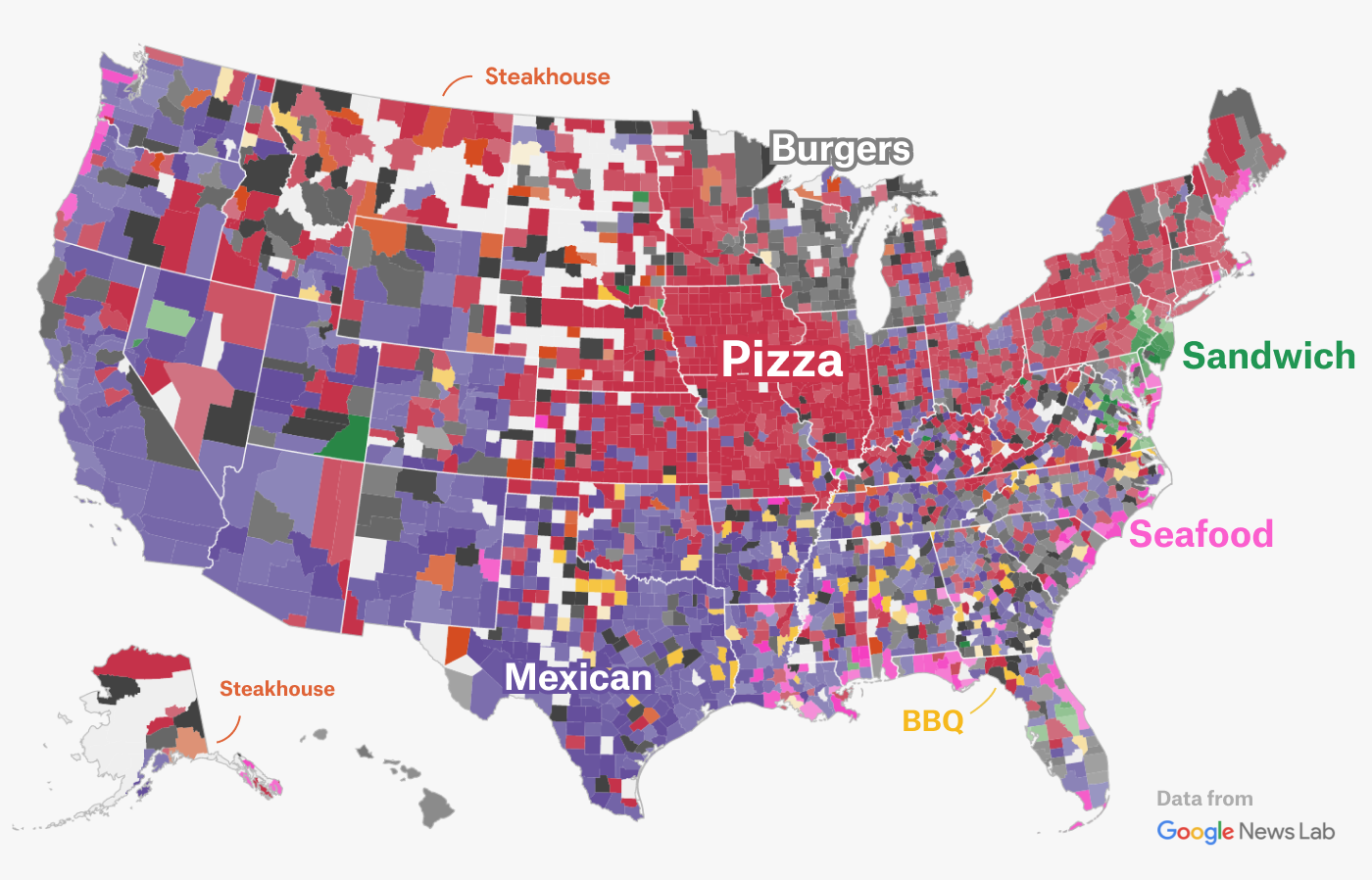
Image suggestion: Map of the United States highlighting restaurant locations

What This Means for Employees
Restaurant closures almost always raise concerns about job losses. While Jack in the Box has not provided specific numbers, each closure can affect dozens of workers, from crew members to managers.
In many cases, companies attempt to:
-
Transfer employees to nearby locations
-
Offer severance packages
-
Assist with job placement
Still, for workers in areas with limited restaurant density, relocation may not be an option. Labor advocates argue that frequent closures highlight the need for stronger worker protections in the service industry.
Impact on Customers and Local Communities
For loyal customers, a neighborhood Jack in the Box can be more than just a place to grab tacos or a late-night burger. These restaurants often serve as:
-
Late-night dining options in small towns
-
Affordable meal sources for working families
-
First-job opportunities for young workers
When a location closes, nearby alternatives may be limited—especially in rural or suburban areas. Communities can feel the loss both economically and socially.
How Jack in the Box Plans to Move Forward
Despite the closures, Jack in the Box is not retreating from growth altogether. Instead, the company is refocusing on:
1. Stronger Core Markets
Resources will be directed toward high-performing regions where brand loyalty and demand remain strong.
2. Store Remodels and Modernization
Updated designs emphasize faster service, smaller dining rooms, and improved drive-thru efficiency.
3. Digital and Delivery Expansion
Mobile ordering, loyalty programs, and third-party delivery partnerships continue to be a priority.
4. Menu Innovation
Limited-time offers and value-focused deals aim to attract price-sensitive customers without sacrificing margins.
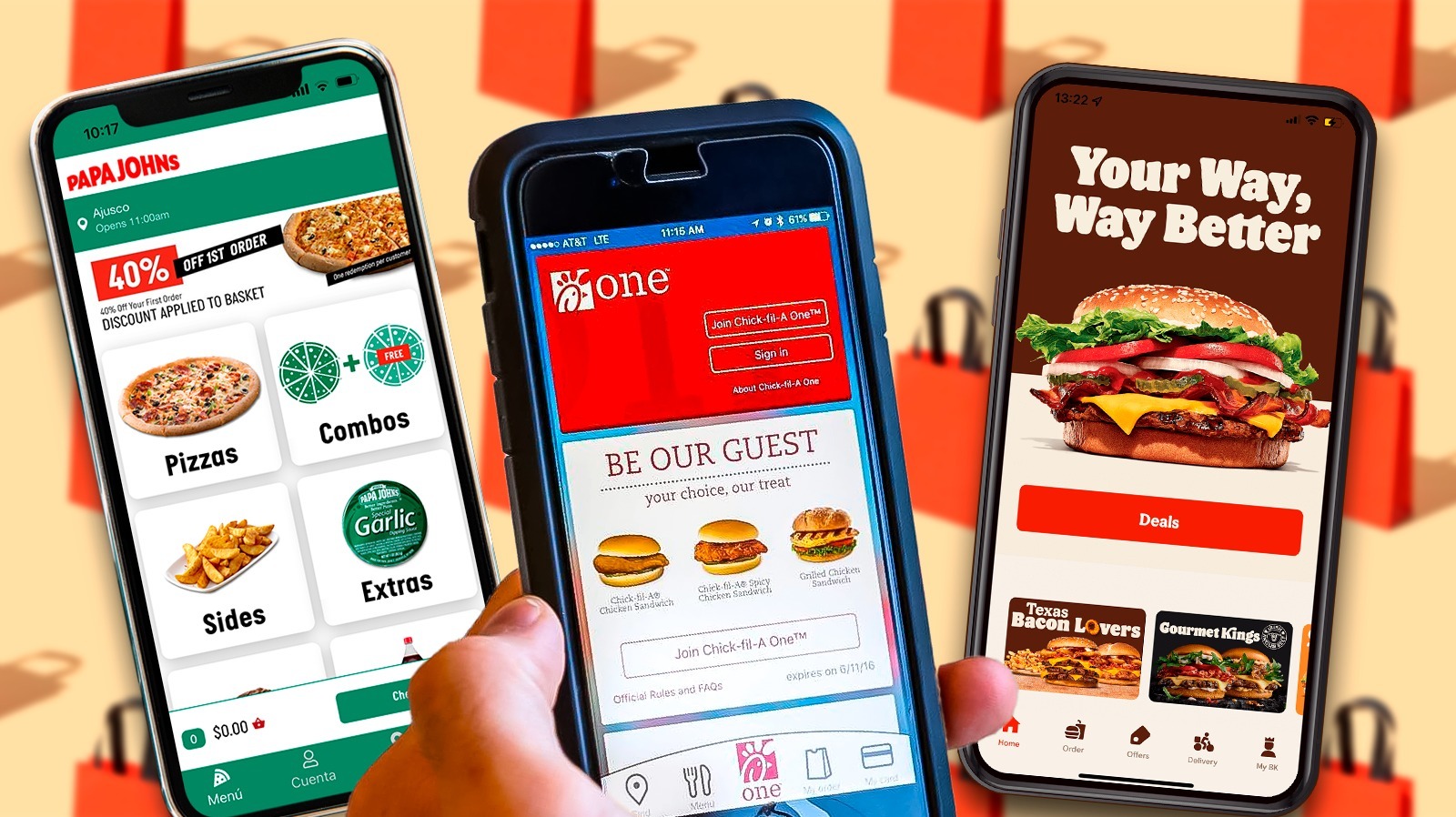
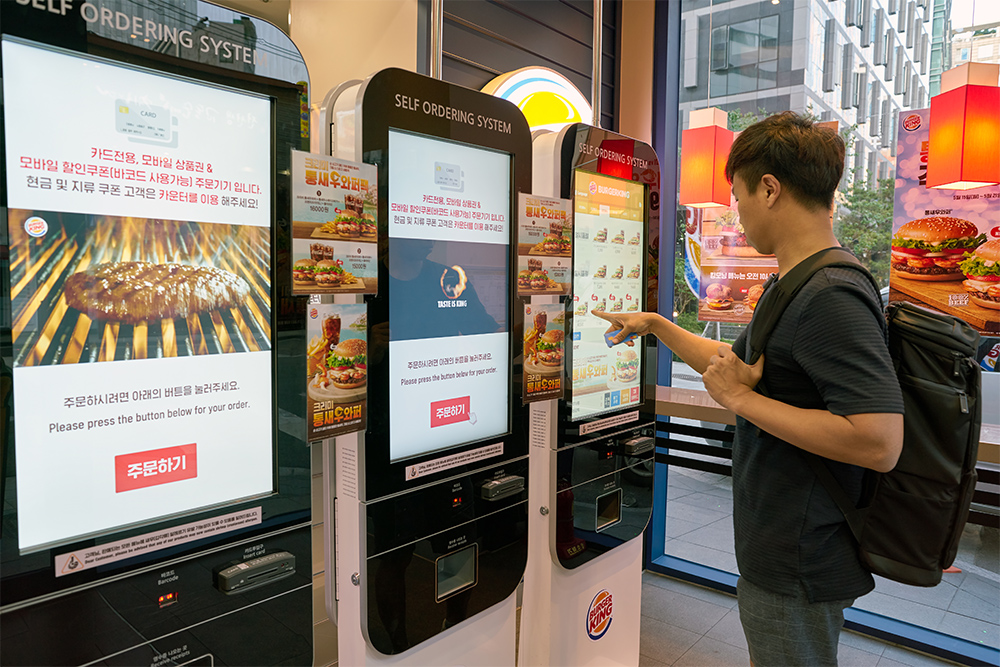
Image suggestion: Mobile food ordering app interface
How This Fits Into the Broader Restaurant Industry Shift
The fast-food sector is increasingly split between winners and laggards. Brands that adapt quickly to technology and consumer expectations tend to outperform those that rely on legacy models.
Key industry shifts include:
-
Smaller, more efficient restaurant footprints
-
Greater reliance on data and loyalty programs
-
Fewer but stronger locations
-
Emphasis on speed and convenience over dine-in experience
Jack in the Box’s decision aligns with this broader transformation.
What Analysts Are Saying
Restaurant industry analysts generally view the closures as a pragmatic move.
One retail analyst explained it this way:
“Closing underperforming units isn’t a failure—it’s often the healthiest decision a brand can make in a crowded market.”
Investors tend to favor disciplined cost management, especially during periods of economic uncertainty. By trimming weaker locations now, Jack in the Box may be positioning itself more competitively for the next growth cycle.
Could More Closures Be Coming?
While Jack in the Box has framed this as a targeted adjustment, analysts caution that additional closures across the industry are likely if consumer spending remains soft.
Factors to watch include:
-
Interest rate changes
-
Inflation trends
-
Consumer confidence
-
Labor market conditions
If economic pressures ease, closures may slow. If not, even more well-known brands could follow suit.
Final Thoughts: A Strategic Reset, Not a Retreat
Jack in the Box closing restaurants is undoubtedly disruptive for employees and communities—but it is not an isolated event, nor does it signal the brand’s decline.
Instead, it reflects a fast-food industry in transition, one that is being reshaped by economic realities and evolving consumer expectations. For Jack in the Box, fewer locations could ultimately mean a stronger, more resilient brand.
As diners continue to demand convenience, value, and speed, the chains that survive—and thrive—will be the ones willing to make tough decisions today to stay relevant tomorrow.
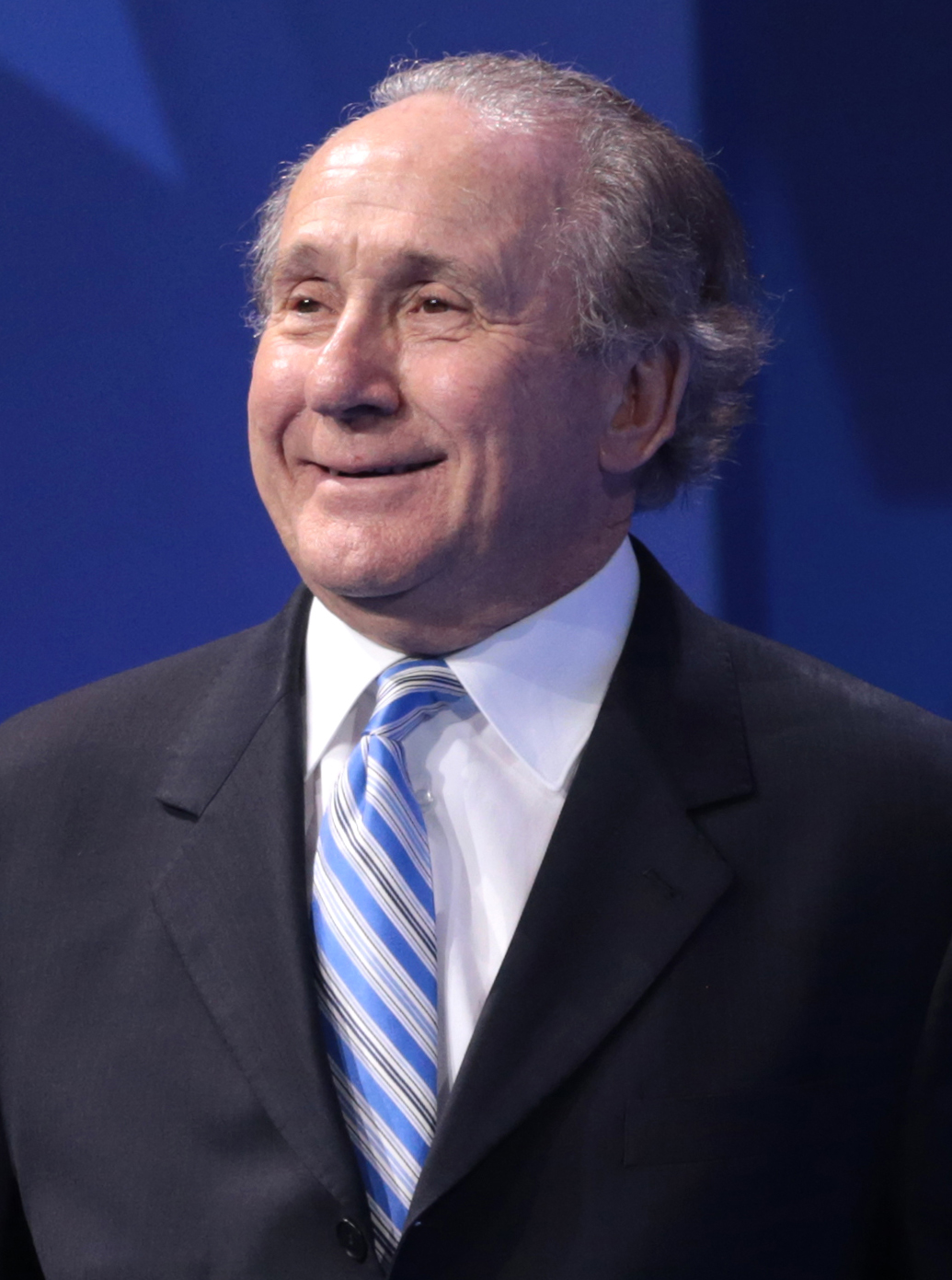
Michael Reagan Dies at 80: The Complicated Legacy of Ronald Reagan’s Most Outspoken Son
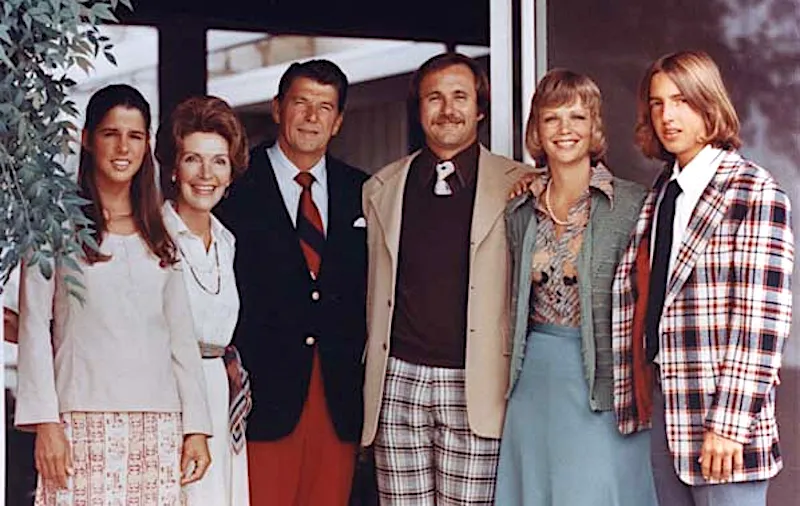
The death of Michael Reagan at the age of 80 marks the end of a life lived under one of the most recognizable names in American history—and often in its shadow.
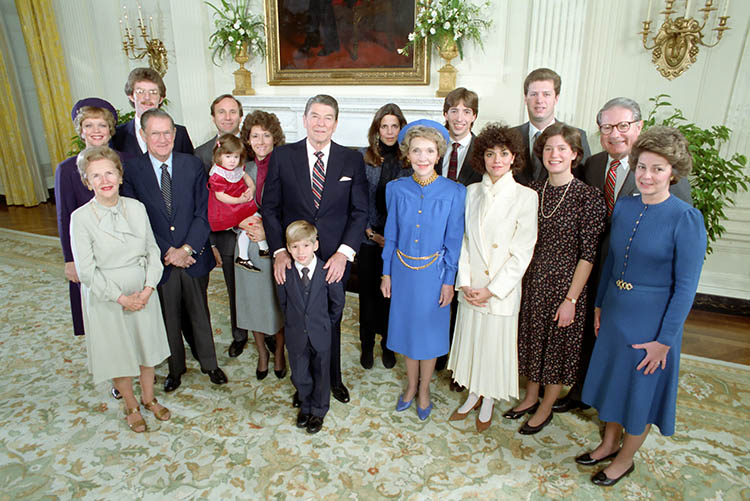
As the adopted son of Ronald Reagan, Michael Reagan spent decades navigating a complicated personal and public identity. He was at once a devoted defender of his father’s legacy and an unapologetically combative conservative voice in his own right. Loved by supporters, criticized by detractors, and frequently at odds with members of his own family, Michael Reagan carved out a role that was both influential and deeply controversial.















Comments 0