John Lennon in 1971: why “Jealous Guy” still feels so personal
“Jealous Guy” is one of the most revealing songs John Lennon ever recorded. It is gentle on the surface, but underneath that softness lies something unusually frank: a portrait of a person trying to understand how insecurity can twist love into hurt. Lennon wrote the song during a period of intense self-examination, and although it appeared on the 1971 album Imagine, its emotional roots reach back several years earlier, to an unfinished Beatles-era composition called “Child of Nature.”
That long journey matters. “Jealous Guy” did not arrive fully formed. It began as a different song, in a different mood, at a different point in Lennon’s life, and only later became the ballad listeners know today. The transformation from “Child of Nature” to “Jealous Guy” mirrors a larger shift in Lennon’s songwriting after The Beatles: from outward experimentation and symbolic imagery toward direct, personal reflection. In that sense, the song is not only a beautiful recording. It is also a document of change.
For listeners who know Lennon primarily as the sharp-edged Beatle with the cutting wit, “Jealous Guy” can be surprising. It is not defensive, clever, or ironic. It is vulnerable. Lennon sounds like someone willing to admit that fear can cause damage, and that growing up may mean confronting the parts of yourself that you would rather hide. That honesty is one reason the song continues to resonate.
The track also sits within a crucial phase of Lennon’s career. The Beatles had split in 1970, and by 1971 Lennon was defining himself as a solo artist while also navigating activism, family life, and the emotional aftermath of the band’s breakup. The early solo years were a time of reinvention, but also of exposure. Lennon’s songs from this period often feel like they are testing how much truth popular music can carry without losing melody or grace.
“Jealous Guy” answers that question by proving that a confession can be tender, memorable, and musically elegant all at once. It is one of Lennon’s clearest demonstrations that emotional candor does not need to be loud to be powerful.
From “Child of Nature” to “Jealous Guy”: the song’s unusual path
The story begins in 1968, when The Beatles traveled to Rishikesh, India, to study meditation with Maharishi Mahesh Yogi. Lennon wrote a song called “Child of Nature” after hearing a lecture in which the phrase reportedly struck him. The original lyric was reflective and nature-inspired, shaped by the atmosphere of retreat and introspection that surrounded the group at the time.
The Beatles did record a demo of “Child of Nature” during the sessions that produced the White Album, but the song was not completed for the band. In the same broad creative moment, Lennon also wrote “Mother Nature’s Son,” which shared some of the same pastoral impulse. “Child of Nature,” however, was left behind.
Years later, Lennon returned to the melody and reshaped it into something entirely different. By the time he was working on Imagine, the song was no longer about a spiritual encounter with nature. It had become a song about emotional self-knowledge, regret, and jealousy. That shift is striking because it takes a song that once looked outward and turns it inward.
The title change is also revealing. “Child of Nature” suggests innocence, openness, and a kind of harmony with the world. “Jealous Guy” suggests the opposite: a person aware of a flaw, naming it directly, and trying to account for the harm it can cause. Lennon did not merely revise a lyric; he revised the emotional center of the song.
That kind of reuse was typical of Lennon’s creative process. He often revisited fragments, melodies, and unfinished ideas, allowing older material to gain new meaning in a later context. In his hands, a discarded Beatles-era sketch could become a deeply personal solo statement. “Jealous Guy” is one of the best examples of that process.
It is also a reminder that songs do not always have a single life cycle. Some begin as one thing and become another when an artist’s perspective changes. In Lennon’s case, the years between 1968 and 1971 were enough to transform a reflective nature song into a quietly devastating confession.
The 1971 Imagine album and the question of release history
“Jealous Guy” is associated with the 1971 album Imagine, which is the correct album context for the song. The wording matters, though, because release history can be easy to oversimplify. The album was issued in September 1971 in the United States and in October 1971 in the United Kingdom, with release timing varying by market. So it is more precise to say that “Jealous Guy” appears on Lennon’s 1971 album Imagine, rather than implying a single universal release date for every country.
That precision is worthwhile because Imagine was a major statement in Lennon’s solo career. It followed the stark emotional intensity of John Lennon/Plastic Ono Band (1970), and while Imagine is often remembered for its title track and its broader, more melodic sound, it still contains songs that are deeply personal. “Jealous Guy” is one of them.
Compared with the rawness of Lennon’s 1970 debut solo album, Imagine feels more spacious and polished. But it would be a mistake to hear that polish as emotional distance. Instead, the album often places intimate feelings inside arrangements that are warm, accessible, and carefully balanced. “Jealous Guy” is a perfect example of that approach.
The song also helps explain why Imagine remains such an important record in Lennon’s catalog. It is not just a collection of famous tracks. It is an album in which Lennon explores different registers of honesty: political idealism, domestic tenderness, spiritual searching, and personal remorse. “Jealous Guy” contributes the last of those in a particularly memorable way.
Because the song is so strongly associated with the album, it is sometimes discussed as if it were simply one more track on a classic LP. But its backstory gives it extra depth. The song carries the history of an unfinished Beatles idea, the emotional uncertainty of Lennon’s post-Beatles life, and the broader cultural shift toward confessional songwriting in the early 1970s.
Why “Jealous Guy” sounds so vulnerable
One of the most striking things about “Jealous Guy” is how exposed it feels. Lennon does not mask the central emotion with metaphor or distance. He names jealousy, regret, and the harm that can follow from insecurity. That directness is part of the song’s strength, but so is its restraint.
The song is not dramatic in the theatrical sense. It does not escalate into rage or collapse into self-pity. Instead, it stays in a reflective register, as though the singer is trying to speak carefully about something painful. That tonal choice makes the song feel mature. It sounds like someone who has learned that shouting is not the same as understanding.
Lennon’s vocal performance deepens that effect. He sings with a softness that feels almost conversational, but he does not flatten the emotional stakes. Certain phrases land with particular weight, especially the admissions of fault. The result is a performance that feels intimate without becoming sentimental.
The arrangement supports that intimacy. Built around piano and a restrained instrumental texture, the song gives Lennon’s voice room to carry the emotional meaning. Nothing in the production tries to overwhelm the listener. Instead, the track creates space, and in that space the lyric can breathe.
That restraint is significant because it allows the song to feel honest rather than performatively confessional. Lennon is not trying to impress the listener with how self-aware he is. He is trying to articulate a difficult feeling as plainly as possible. That plainness is part of what makes the song moving.
It also helps explain why the song has aged so well. Emotional honesty tends to survive changes in style better than cleverness alone. “Jealous Guy” still feels alive because it speaks to a pattern of human behavior that remains familiar: fear, possessiveness, apology, and the hope that understanding might still be possible.
What the lyrics are doing beneath the surface
“Jealous Guy” is often remembered for its refrain and for its apologetic tone, but the lyric is doing something more subtle than simply saying sorry. Lennon presents jealousy not as a single outburst but as a recurring pattern of feeling that can lead to pain. The song is less about one mistake than about the emotional conditions that make mistakes likely.
That distinction matters. If the lyric were only an apology, it would be easier to reduce it to sentiment. Instead, the song asks listeners to consider how insecurity, fear, and emotional immaturity can shape behavior over time. The result is a song about responsibility as much as regret.
There is also an important tension in the lyric between explanation and excuse. Lennon does not deny the harm caused by jealousy, but he also tries to understand where that jealousy comes from. The song does not absolve the speaker. It simply insists that self-knowledge is necessary if change is to happen.
That is one reason the song feels more adult than many love songs. It does not pretend that love is always pure or that hurt always comes from the other side. It acknowledges the possibility that the person doing the loving may also be the one causing pain. That recognition can be uncomfortable, but it is honest.
Listeners often respond strongly to that honesty because it is rare to hear a major pop song place responsibility so clearly on the speaker. Many songs about jealousy dramatize betrayal from the outside. “Jealous Guy” turns inward and asks what it feels like to be the person whose insecurity becomes someone else’s burden.
That inward turn gives the song its moral weight. It does not romanticize jealousy, and it does not treat possessiveness as proof of devotion. Instead, it frames jealousy as something corrosive that must be faced and understood. In a culture that often confuses intensity with love, that message remains useful.
The emotional climate of Lennon’s early solo years
To understand “Jealous Guy,” it helps to place it within Lennon’s early solo period. After The Beatles broke up in 1970, Lennon entered a phase of artistic reinvention that was both liberating and unsettling. He no longer had to work within the collective identity of the band, but he also had to confront his own interior life more directly.
His first major solo album, John Lennon/Plastic Ono Band, was famously stark. Influenced in part by primal therapy, it stripped away ornament and exposed pain, anger, and unresolved family trauma. In comparison, Imagine sounds more melodic and accessible, but it is still deeply personal. The emotional temperature is lower, not the emotional honesty.
“Jealous Guy” belongs to that second phase of solo expression. It is less abrasive than “Mother” or “God,” but it shares their commitment to self-examination. Lennon was not interested in presenting a polished public image. He wanted to show a self in motion, a self still working through contradiction.
The early 1970s were also a period in which Lennon and Yoko Ono were highly visible in peace activism and political expression. Their public actions, from bed-ins to anti-war statements, made them unusual figures in popular culture. Lennon’s songs from this era cannot be separated entirely from that public role, because they reflect the same impulse toward honesty and change.
That does not mean every song is a political statement. “Jealous Guy” is not a protest song in the usual sense. But it does align with Lennon’s broader belief that peace begins in the way people treat one another. If fear and possessiveness damage intimate relationships, then emotional self-awareness becomes part of the larger ethic of peace.
In that sense, the song belongs to the same world as Lennon’s public idealism. It is a private song with a public implication: human beings cannot build a better world without first learning how to face themselves.
How the music shapes the meaning
The musical setting of “Jealous Guy” is essential to its effect. The song is built with a light touch, and that lightness prevents the lyric from becoming heavy-handed. The piano-led arrangement creates a gentle forward motion, while the surrounding instrumentation leaves enough open space for the voice to feel close and immediate.
This is not the sound of a confession shouted across a room. It is the sound of someone speaking quietly, perhaps after a difficult conversation, perhaps while still trying to understand what went wrong. That intimacy is part of the song’s emotional architecture.
Lennon’s phrasing matters as much as the arrangement. He does not sing with perfect polish, and that is an advantage. The slight roughness in his voice makes the performance feel lived-in. He sounds human, not symbolic. That humanity is what allows the song to move beyond the level of a well-written apology and become something more enduring.
The melody itself is also important. It is memorable without feeling flashy, and it carries a sense of sadness that never becomes despair. The song is reflective, but it is not hopeless. That balance between sorrow and warmth gives it a special place among Lennon’s solo recordings.
In the context of Imagine, the track serves as a reminder that emotional change begins in small, personal places. Grand ideals can be inspiring, but inner habits matter too. A person who cannot face jealousy honestly will struggle to practice the kind of empathy that peace requires.
That connection between private emotion and public ethics is one of the most interesting things about Lennon’s work. He often understood that political imagination and personal responsibility are linked. “Jealous Guy” sounds tender because it is tender, but it also carries a serious moral idea: self-knowledge is part of becoming less harmful to others.
The song’s restraint therefore has a purpose. It is not just beautiful; it is disciplined. The arrangement and performance keep the emotion focused, allowing regret to remain clear without turning into melodrama.
John Lennon after The Beatles: candor, contradiction, and reinvention
After The Beatles, Lennon became even more openly contradictory in public. He could be funny and combative, idealistic and impatient, affectionate and defensive. That complexity made him fascinating, but it also meant that his music often carried the burden of explaining a self that was still changing.
“Jealous Guy” fits that pattern because it offers candor without certainty. Lennon is not presenting himself as a finished moral example. He is presenting himself as someone who knows he has failed and is trying to understand why. That willingness to remain unfinished is one of the most compelling features of his solo work.
It is also one reason his post-Beatles songs feel so different from the mythology surrounding the band. The Beatles were often discussed as a collective phenomenon, a cultural event larger than any single member. Lennon’s solo career, by contrast, exposed him as an individual who could no longer hide behind the group’s chemistry or shared image.
That exposure could be uncomfortable, but it produced some of his most revealing songs. “Jealous Guy” is among them because it combines the precision of a great songwriter with the vulnerability of a person speaking plainly about emotional failure.
Lennon’s broader legacy as a Beatle and as a solo artist makes the song even more significant. He was not only the co-founder and co-leader of the most influential band in popular music; he was also an artist who kept pushing toward greater honesty in his own work. “Jealous Guy” is one of the clearest examples of that push.
For readers interested in Lennon’s role in the larger history of The Beatles Break Up: What Really Happened In Their Final Meetings?, it is useful to remember that the band’s breakup was not just a business event. It was also an artistic and emotional turning point that reshaped how each member understood himself. Lennon’s solo songwriting in the early 1970s reflects that aftershock in powerful ways.
Why the song still matters to modern listeners
“Jealous Guy” remains relevant because the emotions it describes have not gone away. Jealousy, regret, and the desire to be forgiven are part of ordinary life. The song’s longevity comes from the fact that it does not treat those feelings as melodramatic or exceptional. It treats them as recognizably human.
Modern listeners may also hear the song as an early and unusually clear example of emotional accountability in popular music. Lennon is not merely lamenting a breakup or dramatizing romantic pain. He is asking what happens when insecurity becomes behavior that harms someone else. That question still feels contemporary.
At the same time, the song never becomes didactic. It is not a lecture about relationships. It is a piece of music that carries feeling with unusual grace. That combination of emotional intelligence and musical warmth is what gives it staying power.
Another reason the song continues to matter is that it resists easy closure. Forgiveness is desired, but not guaranteed. Regret is expressed, but not magically resolved. The song leaves room for the complexity of real relationships, where apologies may be sincere and still not enough.
That openness is part of its maturity. It respects the listener enough not to force a neat ending. Instead, it acknowledges that becoming better is a process, not a single moment.
For many people, the song becomes more moving with age. Younger listeners may hear a beautiful ballad. Older listeners may hear the ache of self-recognition inside it. As life experience accumulates, the lyric can feel less like abstract confession and more like a familiar human pattern.
That is one of the reasons Lennon remains such an enduring cultural figure. He wrote songs that could be heard differently across generations, while still preserving their core emotional truth. “Jealous Guy” is one of the clearest examples of that cross-generational appeal.
Cover versions and the song’s afterlife
Although Lennon’s original recording is definitive, “Jealous Guy” has had a notable second life through cover versions. The best-known is probably Roxy Music’s 1981 rendition, released after Lennon’s death in 1980. That version became a major hit and introduced the song to many listeners who may not have known the original in depth.
Cover versions are important because they show how durable a song is. If a composition can survive a change in voice, arrangement, and historical moment, that usually means its emotional core is strong. “Jealous Guy” has exactly that kind of durability. Its melody and lyric can carry different interpretations while remaining unmistakable.
The song’s afterlife also reflects Lennon’s broader status in popular culture. His work has continued to circulate long after his death, not only as historical material but as living music. Some songs become monuments; others become companions. “Jealous Guy” is both.
It is studied as part of Lennon’s artistic evolution, but it is also still heard privately, in moments of reflection, heartbreak, or self-assessment. That dual existence is one of the hallmarks of truly lasting pop songs.
The early 1970s were a period when singer-songwriters were increasingly associated with personal revelation. Lennon belonged to that moment, but he was never simply following a trend. He brought to the form a combination of Beatles-era discipline, emotional directness, and a willingness to expose contradiction. That is why the song feels distinctive even within a crowded field of confessional music.
How “Jealous Guy” connects to Lennon’s larger body of work
Across Lennon’s career, certain themes recur: identity, memory, conflict, peace, vulnerability, and the search for something more honest than performance. “Jealous Guy” belongs to that larger pattern, even though it is quieter than some of his more confrontational songs.
It can be heard alongside “Mother,” “God,” and “Working Class Hero” as part of Lennon’s effort to strip away illusion and confront emotional reality. Each of those songs approaches selfhood differently, but all of them show an artist unwilling to settle for easy answers. “Jealous Guy” is distinct because its honesty is gentler, but it is no less serious.
The song also connects to Lennon’s lifelong interest in peace. For Lennon, peace was never only a matter of global politics or public slogans. It was also about the habits of mind that shape daily life. Jealousy, possessiveness, and fear are small but destructive forces. A song that recognizes them honestly is, in its own way, part of a peace ethic.
That link between the personal and the political is one of the reasons Lennon remains culturally important. His songs do not simply document a famous life; they offer a way of thinking about how private emotions and public ideals influence one another. “Jealous Guy” is a particularly clear example because it turns emotional self-criticism into a form of humanistic reflection.
It also shows why Lennon’s legacy extends beyond nostalgia. He was not just a symbol of the 1960s or a relic of rock mythology. He was an artist who kept asking what honesty should sound like in popular music. That question is still relevant.
Listening now: what the song asks of us
Listening to “Jealous Guy” today, it is hard not to hear it as an invitation to self-examination. The song asks a simple but difficult question: what happens when fear distorts love? Lennon’s answer is not abstract. He suggests that the first step is to name the feeling honestly. The second is to recognize the damage it can do. The third is to hope, however uncertainly, for understanding and forgiveness.
That is not a neat moral lesson, and it is not meant to be one. Real growth is rarely neat. The song understands that maturity often begins with discomfort, and that the ability to admit fault is part of what makes relationships humane.
The track also reminds us that great artists are not defined by perfection. Lennon was brilliant, influential, and often contradictory. He could be provocative and tender, idealistic and impatient, self-critical and self-protective. “Jealous Guy” does not hide that complexity. It turns it into art.
That is why the song endures as more than a beautiful ballad. It is a model of how popular music can hold emotional complexity without losing warmth. It is intimate without being trivial, regretful without being self-pitying, and vulnerable without collapsing into weakness.
For listeners who come to Lennon through The Beatles, the song offers a different kind of entry point: not the myth of the genius, but the reality of a person still learning how to love without fear. For listeners who already know his solo work, it remains one of the clearest statements of his gift for turning private uncertainty into something shared.
In that sense, “Jealous Guy” is not just a song about jealousy. It is a song about becoming. It captures a moment when John Lennon looked inward and found not a finished self, but a human being still working toward greater honesty, greater tenderness, and a more difficult kind of forgiveness.
That is why it still matters. It speaks to the unfinished work of being human, and it does so with uncommon grace.
The sound of regret: why the arrangement works
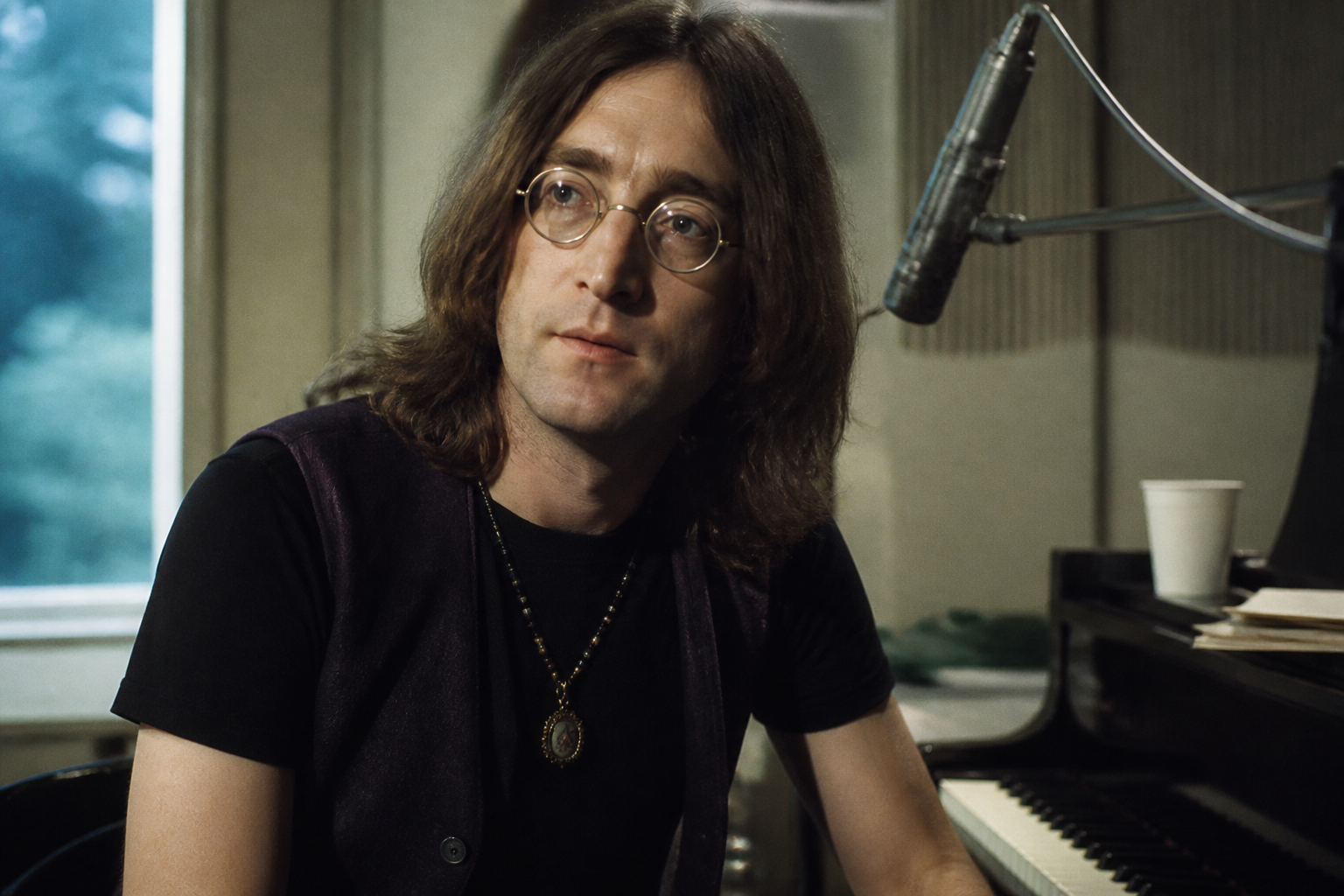
Beyond the lyric, the arrangement is a major part of the song’s emotional force. The music never tries to overpower the confession. Instead, it frames it with care. The piano-centered foundation gives the track a calm pulse, while the surrounding instrumentation remains understated enough to keep the focus on Lennon’s voice.
This restraint matters because it keeps the song from sounding theatrical. A more dramatic production might have turned the lyric into a bigger spectacle, but Lennon and the musicians around him chose a subtler path. The result feels more believable. It sounds like a private admission made in a quiet room rather than a performance staged for applause.
That intimacy also helps explain why the song has remained so accessible. Even listeners who do not know the details of Lennon’s life can hear the emotional shape immediately. The music does not require explanation to communicate regret, softness, and the wish to repair damage.
The song’s melody is memorable, but it never feels showy. That balance between simplicity and depth is one of Lennon’s great strengths as a songwriter. He could write lines that were easy to remember while still leaving room for emotional ambiguity. “Jealous Guy” is a textbook example of that skill.
There is also a subtle dignity in the performance. Lennon does not wallow. He does not dramatize his own pain for effect. He accepts the possibility that the listener may judge him, and he sings anyway. That willingness to remain exposed gives the song its moral and artistic weight.
Why the song belongs in Lennon’s larger story
“Jealous Guy” is often discussed as a standalone classic, but it also belongs to the larger arc of Lennon’s life and work. He was a songwriter who kept returning to the problem of self-knowledge. From the Beatles years through his solo career, he repeatedly asked how identity is formed, how it breaks, and how it might be rebuilt.
The song fits that pattern because it is both specific and universal. It clearly emerges from Lennon’s own emotional world, yet it reaches beyond biography. Many listeners recognize themselves in its mixture of apology, fear, and hope. That is one of the signs of a durable song: it can be personal without becoming narrow.
It also reflects Lennon’s unusual position in popular culture. As a founder and leader of The Beatles, he was already one of the most famous musicians in the world. As a solo artist, he became even more legible as an individual voice. “Jealous Guy” captures that transition beautifully. It is the work of someone famous enough to be widely heard, but honest enough to sound unguarded.
That combination is rare. It is part of why Lennon remains such a compelling subject for readers interested in music, history, and cultural change. His songs are not only artifacts of a legendary career. They are expressions of a restless mind trying to make sense of love, peace, and human weakness.
In that broader context, “Jealous Guy” stands as one of his most humane achievements. It does not solve the problems it raises, and it does not pretend that a confession erases harm. But it does something valuable: it makes room for remorse to become reflection, and for reflection to become the first step toward change.
That is a quiet kind of greatness, but it is greatness nonetheless.
Conclusion: a small, honest song with a lasting reach
“Jealous Guy” endures because it is honest about a feeling many people would rather hide. It does not celebrate jealousy, and it does not excuse the damage it can cause. Instead, it treats jealousy as something to be named, examined, and, if possible, outgrown. That makes the song more than a tender ballad. It makes it a record of moral attention.
The song’s history is equally important. What began as “Child of Nature” in 1968 became, by 1971, one of Lennon’s most intimate solo statements. That transformation tells us something about Lennon himself: he was an artist capable of revisiting old material and finding in it a new emotional truth. Few songwriters could do that with such grace.
As part of the 1971 album Imagine, the track also helps show that Lennon’s solo work was not limited to grand slogans or famous title tracks. He was equally capable of writing a song that speaks softly but leaves a deep impression. Its power lies not in scale, but in sincerity.
For modern listeners, “Jealous Guy” remains moving because it captures an experience that never really goes out of date: the painful realization that fear can distort love, and the harder realization that growth begins with admitting it. That is why the song still sounds fresh, even decades after its release.
More than a beautiful recording, “Jealous Guy” is a reminder that John Lennon’s greatest songs often came from his willingness to be unfinished in public. He did not always offer answers. Sometimes he offered a question, a regret, or a vulnerable attempt at understanding. In this song, that attempt becomes music of lasting grace.
And that is why “Jealous Guy” remains one of the most enduring pieces in Lennon’s solo catalog: it turns private uncertainty into something shared, memorable, and quietly consoling.

Why Kevin Costner Hesitated to Speak at Whitney Houston’s Funeral

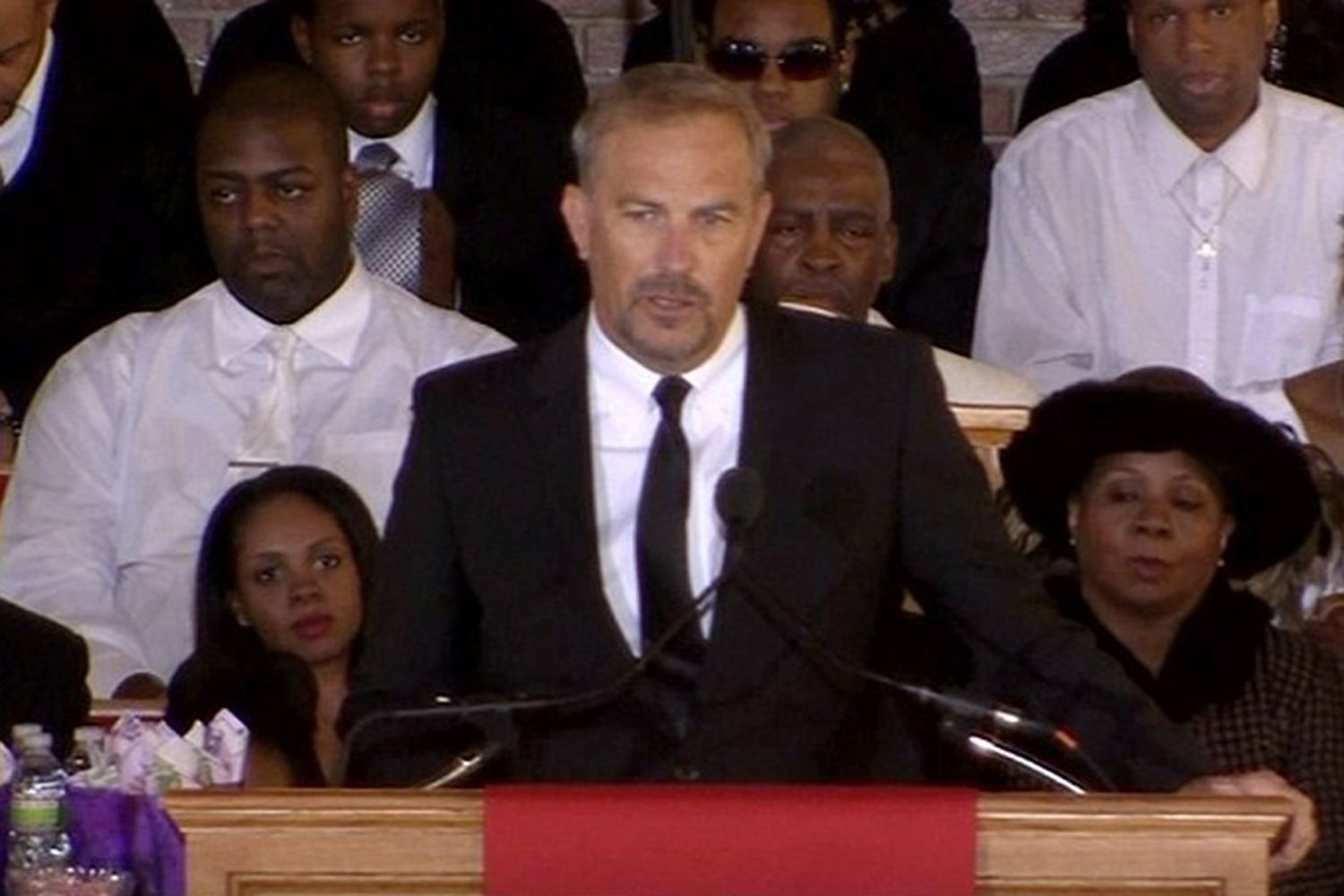
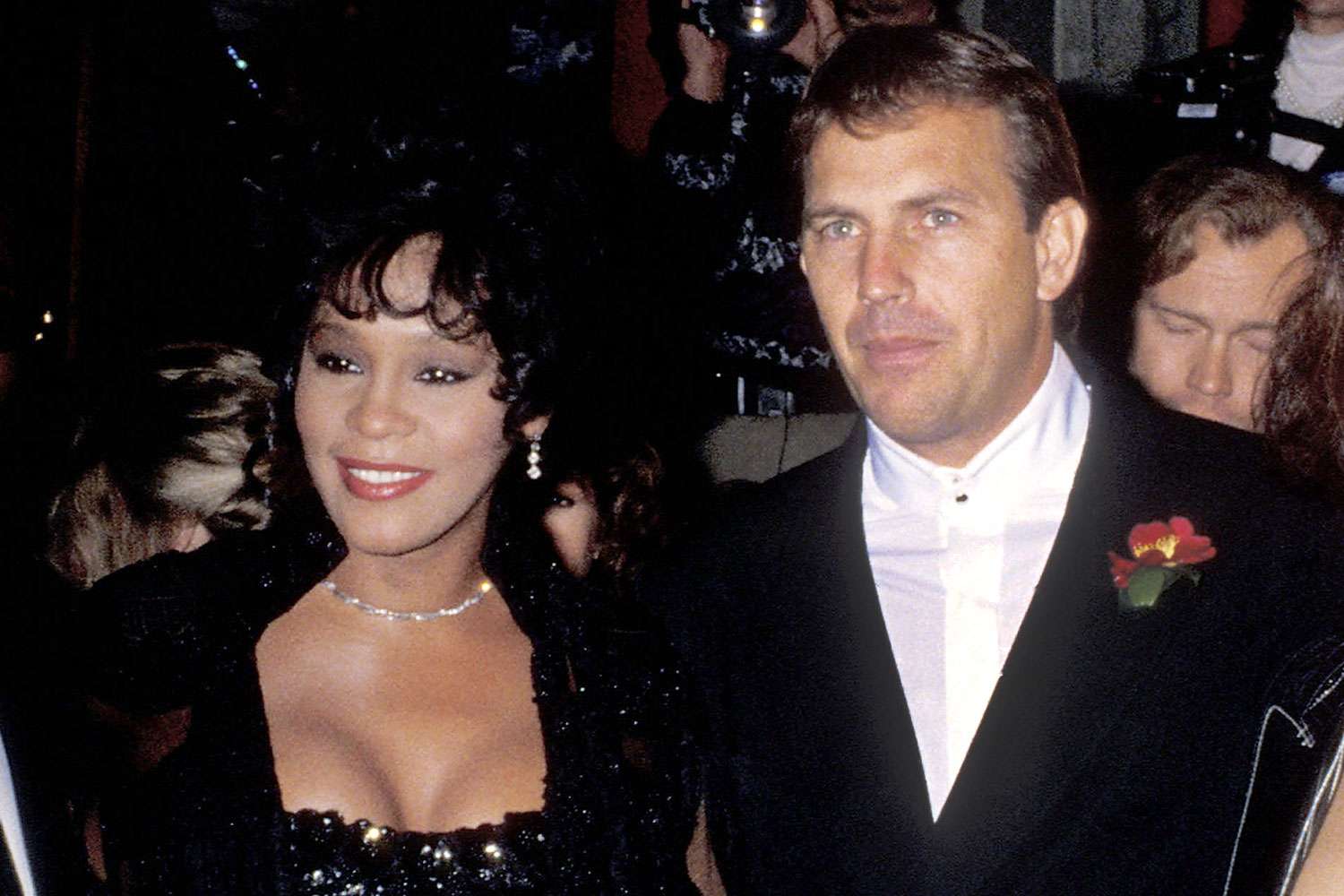
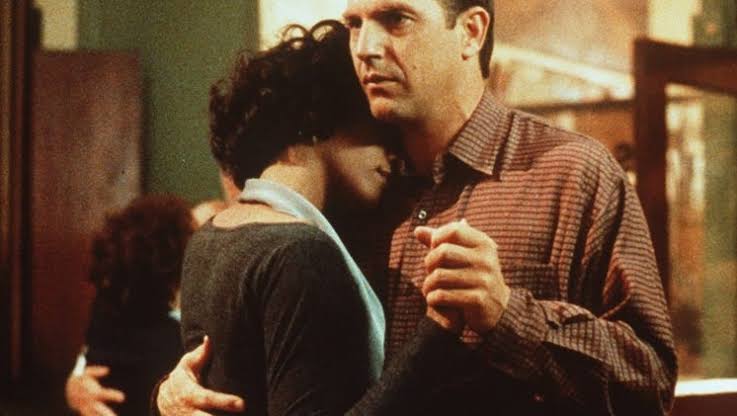
Whitney Houston’s Funeral brought together family, friends, and music legends to remember one of the greatest voices of her generation. Among those asked to speak was Kevin Costner, her co-star in The Bodyguard and a longtime friend. Yet, despite their meaningful connection, Costner initially questioned whether he was the right person to deliver a tribute. A heartfelt phone call from Dionne Warwick ultimately changed his mind, leading to one of the most memorable moments of the service.

Comments 0