John Lennon, 1970, and the Moment He Stopped Hiding
In the public imagination, John Lennon often appears in two overlapping forms. He is the sharp, witty Beatle who helped change popular music forever, and he is the later activist-artist whose voice could be tender, confrontational, or painfully direct. Working Class Hero, released in 1970 on John Lennon/Plastic Ono Band, belongs to the second image—but it also reveals how impossible it is to separate the two. The song is not just a solo debut highlight. It is a statement of purpose, a stripping away of glamour, and one of the most unsettling pieces Lennon ever wrote.
At first listen, Working Class Hero seems almost too simple to carry its weight. There is little to distract the ear: an acoustic guitar, Lennon’s voice, and words that feel less sung than spoken into the listener’s face. Yet that sparseness is exactly why the song endures. It sounds like a confession, but it also sounds like an accusation. Lennon is talking about class, education, conformity, fame, and the emotional cost of becoming someone the world can consume.
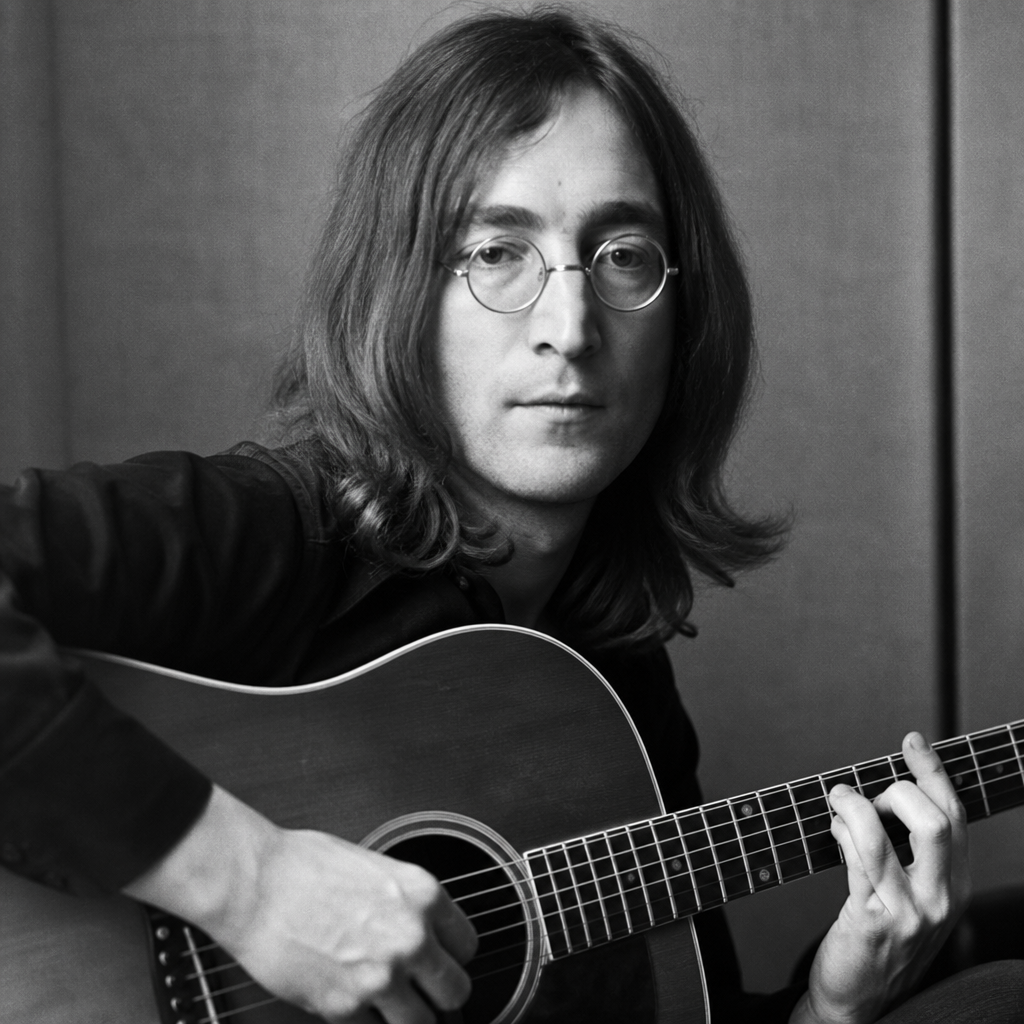
To understand why the song hit so hard in 1970, it helps to remember where Lennon was standing in his life. The Beatles were over, though the split had not yet fully settled into history. The late 1960s had left him exhausted, politically outspoken, and personally unsettled. He had moved from being one quarter of the most famous band on earth to trying to define himself as a solo artist, husband, and activist. The old machinery of Beatlemania had created a myth around him, but myths rarely leave room for private pain.
Working Class Hero emerged from that tension. It is a song about social class, but not in the abstract language of policy or ideology. Lennon writes from the inside of a life shaped by institutions: school, family, religion, celebrity, and the music business. He presents these forces as systems that train people to obey, to perform, and to accept their place. The result is a song that sounds both personal and universal, because it is built from one man’s experience of being formed—and deformed—by the world around him.
The World of 1970: After the Beatles, Before the Legend
By 1970, Lennon had already lived several artistic lives. He had grown up in Liverpool, absorbed American rock and roll, and become part of the cultural explosion that made the Beatles a global phenomenon. But the end of the 1960s brought a different atmosphere. The optimism of the decade had darkened. Political violence, generational conflict, and social upheaval made the idea of easy liberation feel less convincing. Lennon, who had become increasingly interested in protest and peace activism, was also becoming more skeptical of the myths that pop stardom could sell.
That skepticism runs through Working Class Hero. The song does not celebrate success. It distrusts the systems that define success in the first place. Lennon had become famous through music, yet fame itself had become a kind of prison. The public wanted the Beatle, the rebel, the clown, the icon. The private person underneath had to navigate a world where every gesture could be interpreted as meaning something larger.

His first solo album, John Lennon/Plastic Ono Band, was shaped by this mood of emotional excavation. The record is famously raw, with arrangements that avoid the lushness or studio polish associated with much late-Beatles work. Instead of hiding behind production, Lennon exposed the voice, the lyric, and the wound. Working Class Hero fits that philosophy perfectly. It is almost deliberately unadorned, as if adding more instruments would only dilute the force of the words.
This was not a random aesthetic choice. In 1970, stripping a song down could feel radical. Rock music had already become capable of grandeur, excess, and virtuosity. Lennon chose austerity. That decision made the song sound less like a performance and more like testimony. The listener is not invited to admire technique. The listener is invited to confront the emotional truth of the song.
What the Song Says About Class
The title Working Class Hero sounds, at first glance, almost celebratory. But Lennon uses the phrase with irony and unease. The song does not imagine a triumphant rise from poverty to glory. Instead, it tracks the way social class can become a system of discipline. The lyrics suggest that people are taught to accept humiliation, to internalize authority, and to confuse obedience with maturity. In Lennon’s telling, class is not only an economic category but a psychological condition.
That is one reason the song remains so discussed. It does not offer a neat political program. It is not a manifesto in the conventional sense. Rather, it is a critique of how society shapes consciousness. Lennon points toward institutions that normalize submission, and he does so in language that is blunt, memorable, and often uncomfortable. The song’s power comes partly from the fact that it refuses to soften its own edge.
Yet the song is also more complicated than a simple attack on class hierarchy. Lennon himself was not speaking from a purely working-class position by 1970. He had been born into a modest Liverpool background, but fame had dramatically altered his life. That tension matters. He is both insider and outsider: someone who knows the texture of class aspiration and someone who has been transformed by extraordinary privilege. The song’s honesty lies partly in that contradiction. Lennon is not pretending to be untouched by success; he is acknowledging that success has not solved the deeper problem of selfhood.
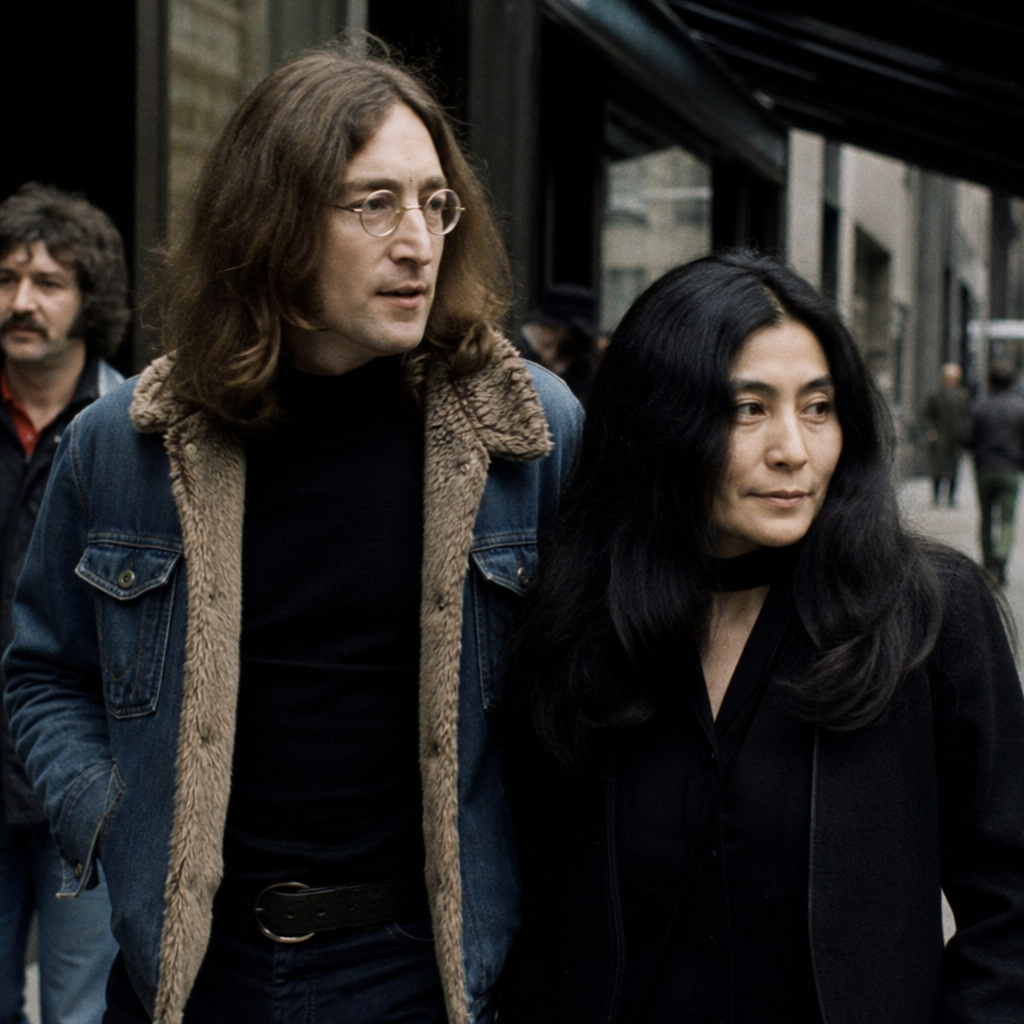
In Britain, class has long been more than a matter of income. It shapes accent, education, confidence, access, and expectation. Lennon understood that deeply, even if his expression of it was filtered through the language of rock and personal confession. Liverpool itself was central to his perspective. The city’s working-class identity, maritime history, and postwar realities formed the background of his imagination. In that sense, Working Class Hero is not just about class as an idea. It is rooted in a lived British social world.
For listeners in other countries, especially the United States, the song can sound like a universal statement about power and conformity. That universality is part of its appeal. But its Britishness matters too. Lennon’s irony, his use of plain speech, and his refusal of sentimental uplift all reflect a cultural sensibility shaped by postwar Britain. The song’s anger is not theatrical. It is dry, controlled, and deeply aware of how institutions can make people smaller.
Why the Acoustic Arrangement Matters So Much
One of the most striking things about Working Class Hero is how little it needs. The acoustic guitar is steady and unspectacular. There is no elaborate build, no dramatic chorus release, no production trick designed to make the song more radio-friendly. That restraint is not a limitation; it is the point. The arrangement clears space for the lyric to land with maximum force.
In a more polished setting, the song might have felt like a protest anthem. Here, it feels more intimate and more disturbing. Lennon’s voice is close, sometimes almost weary, and the phrasing carries a mixture of resignation and defiance. He sounds as though he has thought these thoughts for a long time and no longer has patience for pretending otherwise. The listener hears not only the words but the emotional exhaustion behind them.

This is one reason the song has been so influential among singer-songwriters. It demonstrates how minimalism can sharpen meaning. When there is nowhere to hide, the lyric becomes the architecture of the piece. Lennon’s verses move with a kind of cumulative pressure, each line adding to the sense that socialization is a process of erosion. The song’s spareness makes it feel timeless, because the emotional mechanics are so direct.
There is also a kind of bravery in leaving the song exposed. Lennon was already globally famous, and fame often encourages artists to protect themselves behind scale, spectacle, or irony. Working Class Hero does the opposite. It invites scrutiny. It says, in effect: here is a man who knows how the world works, and who is willing to say that the world can be brutal even when it rewards you.
Personal Confession and Public Argument
What makes Working Class Hero endure is the way it combines private confession with public critique. Lennon is not only talking about society; he is also talking about himself. The song carries traces of his own childhood, his schooling, his emotional conflicts, and his complicated relationship to success. It is hard to hear the lyric without sensing that Lennon is processing his own history at the same time he is criticizing the structures around him.
That dual function is a hallmark of his best solo writing. Lennon often turned inward in ways that were brutally honest. But his inwardness was never merely self-absorption. He used autobiography to examine wider cultural patterns. In Working Class Hero, the personal becomes political without losing its emotional weight. The song feels lived rather than theorized.
It also helps explain why Lennon’s solo work can be so different from the Beatles catalog, even though the same artistic intelligence is present. In the Beatles, Lennon often worked within a collaborative frame, balancing his instincts with Paul McCartney’s melodic gifts, George Harrison’s emerging songwriting, and the band’s collective identity. On his own, he could be more direct, more abrasive, and more willing to let discomfort remain unresolved. Working Class Hero is one of the clearest examples of that freedom.
Fame as a New Kind of Class System
By the time Lennon wrote the song, fame itself had become one of the central themes of his life. Beatlemania had transformed four young men from Liverpool into symbols of modern youth culture. But fame is not simply visibility. It creates hierarchy, expectation, and isolation. It can separate a person from ordinary experience while also making that person intensely available to strangers. Lennon understood this contradiction better than most.
Working Class Hero can be heard as a meditation on how celebrity reshapes class identity. The song suggests that even when someone escapes one social structure, another may replace it. The music industry can be as disciplinary as any schoolroom. Public image can become a role that must be maintained. Success can demand a performance of authenticity, and that performance can become exhausting.
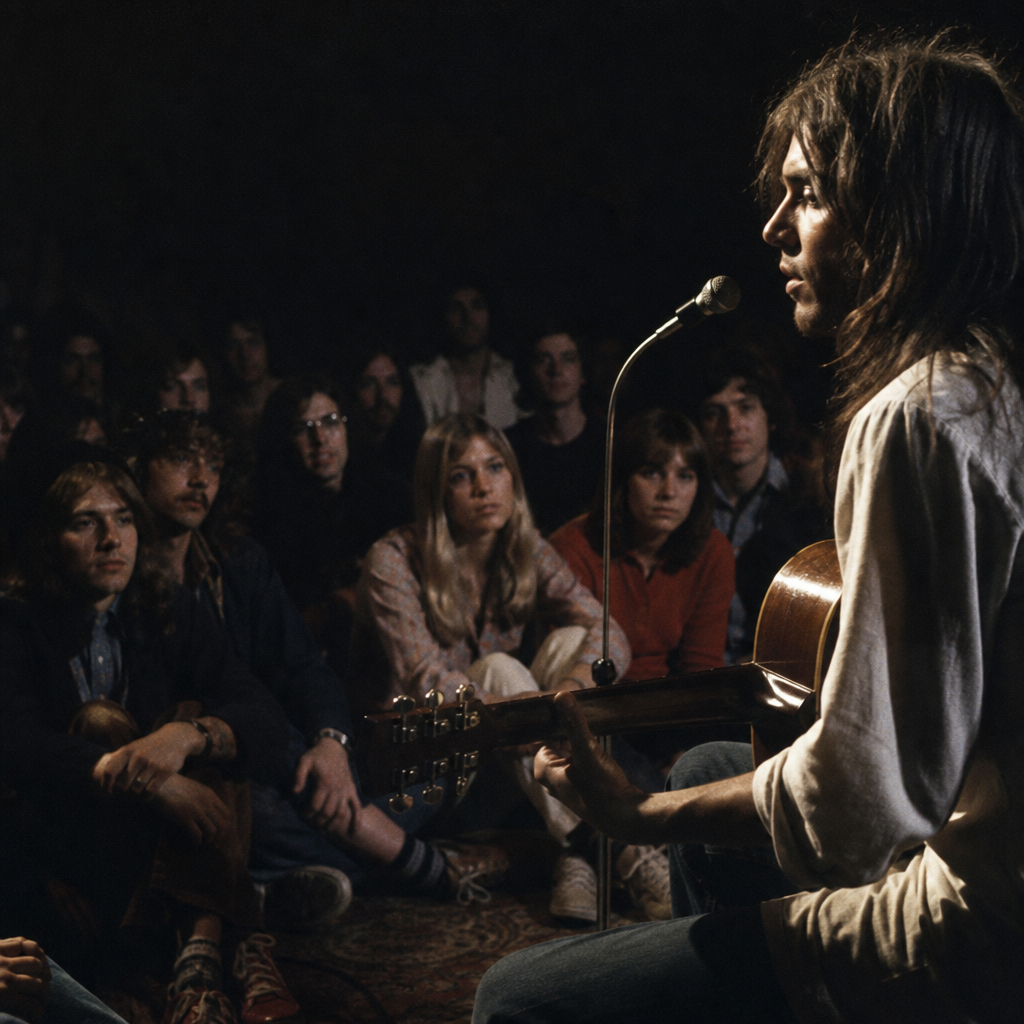
That is part of what gives the song its emotional sting. Lennon is not simply denouncing the system from a safe distance. He is inside it. He has been rewarded by it. He has also been wounded by it. The song therefore reads less like a lecture and more like a warning from someone who has seen the cost of getting what the culture says you should want.
In this sense, Working Class Hero speaks to a modern anxiety that remains current: the fear that visibility does not equal freedom. Today, social media and digital celebrity have intensified that feeling, but Lennon was already diagnosing its older form. He recognized that public attention can flatten a person into a symbol. The song resists that flattening by insisting on complexity, irritation, and pain.
The Lyric’s Uncomfortable Honesty
Listeners often remember Working Class Hero for its most direct lines, but the song works because the entire lyric is structured as a chain of hard truths. Lennon’s language is plain, almost conversational, yet the cumulative effect is devastating. He writes in a register that sounds accessible, but the meaning is anything but easy. The song’s emotional honesty is precisely what makes it difficult to hear casually.
Part of that difficulty comes from the way Lennon refuses sentimentality. There is no comforting resolution, no uplift, no promise that suffering leads to wisdom or that struggle guarantees dignity. Instead, the song presents a world where people are shaped by pressure and then expected to call that growth. That is a bleak vision, but it is also a clarifying one. Lennon is asking listeners to look at the machinery of social conditioning without romanticizing it.
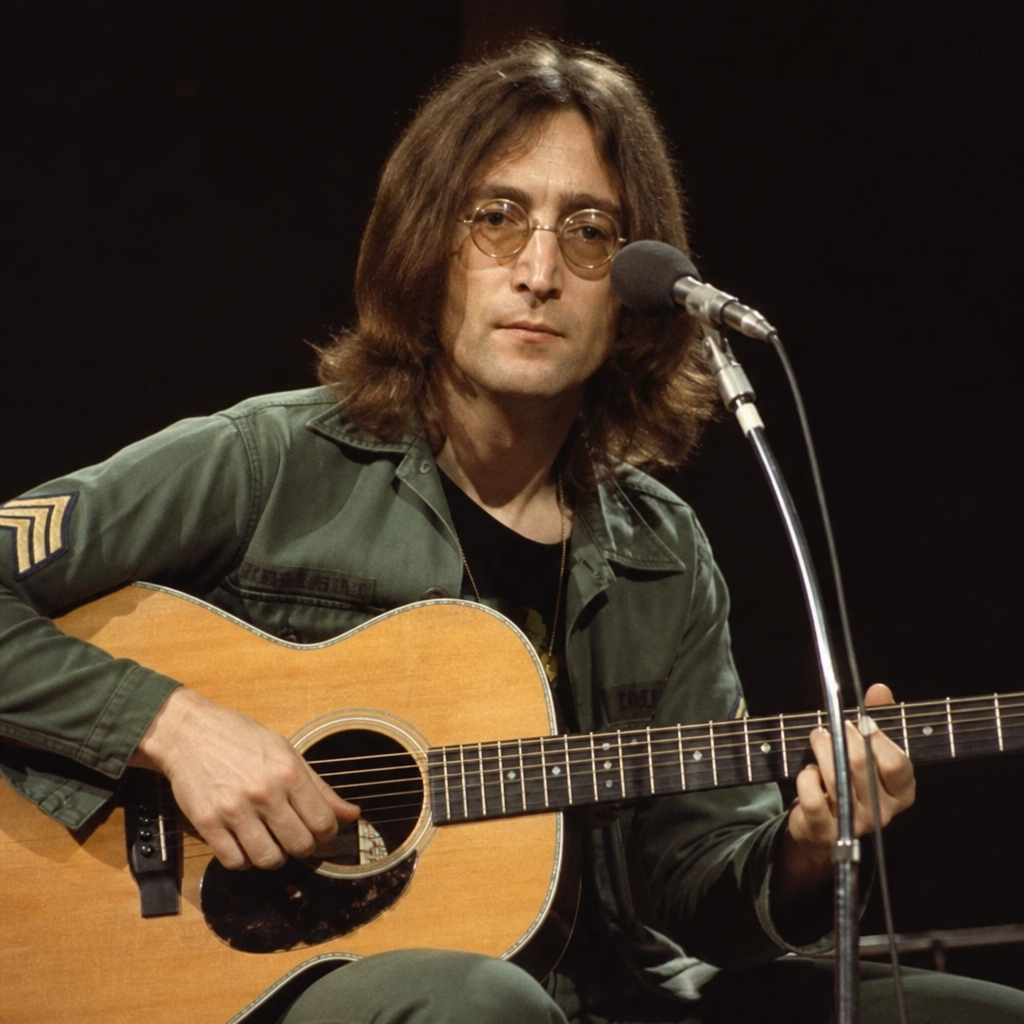
For some audiences, this bluntness can feel harsh. For others, it feels liberating. The song gives voice to frustrations that are often polite society prefers to keep hidden: resentment at class expectations, anger at emotional manipulation, and exhaustion with the demand to conform. Lennon does not offer a solution. He offers recognition. Sometimes that is enough to make a song feel revolutionary.
It is worth noting, too, that the song’s honesty is not the same as neutrality. Lennon is clearly taking sides, even if he is not presenting a detailed ideology. He is siding with the damaged, the pressured, and the disillusioned. He is also questioning the idea that success automatically produces fulfillment. That skepticism has made the song appealing far beyond its original moment.
How the Song Fits Lennon’s Solo Identity
Working Class Hero is not an isolated statement. It fits into the larger arc of Lennon’s early solo work, which was marked by emotional exposure and a willingness to challenge his own image. Songs on John Lennon/Plastic Ono Band often confront childhood, family, dependency, and identity with unusual directness. Together, they form a portrait of an artist trying to dismantle the myths that had surrounded him for years.
This is important because Lennon’s solo identity was never simply about “leaving the Beatles behind.” It was about deciding what kind of truth his music would now carry. In the Beatles, he had already written songs of extraordinary emotional depth, but the solo period allowed him to move further into rawness. Working Class Hero shows that shift in full. It is less polished than much Beatles work, but that roughness is inseparable from its meaning.
At the same time, the song preserves something recognizably Lennon-esque: the blend of wit, bitterness, and vulnerability. He could sound caustic without becoming cold. He could sound wounded without becoming sentimental. That balance is one reason his best songs remain so alive. They do not flatten experience into slogans. They keep contradiction in play.

In later years, Lennon would continue to explore peace, domestic life, and political engagement in different ways. But Working Class Hero remains one of the clearest windows into the early solo phase, when he was most intent on stripping himself bare. If the Beatles represented collective brilliance, this song represents individual reckoning. It is a song about becoming a single voice after years inside a legendary chorus.
Reception, Controversy, and Lasting Influence
Because the song is so direct, it has always invited strong reactions. Some listeners have admired its honesty and clarity; others have found its language provocative or abrasive. That tension is part of the song’s cultural life. Lennon was never a neutral figure, and Working Class Hero does not try to be one. It is designed to unsettle as much as to explain.
Over time, the song has been covered and reinterpreted by artists who recognize its unusual power. Its influence can be heard in acoustic protest songs, in confessional singer-songwriter traditions, and in music that treats minimal arrangement as a form of moral seriousness. The song’s legacy lies not just in the words Lennon wrote, but in the permission it gave later artists to be blunt about pain, class, and self-critique.
Its continued relevance also reflects a broader truth about Lennon’s place in music history. He was not only a writer of catchy melodies and iconic hooks. He was also an artist capable of making discomfort into art. That ability gives his work a durability that goes beyond nostalgia. Working Class Hero still feels current because the social pressures it describes have not disappeared. If anything, they have changed shape and become easier to disguise.
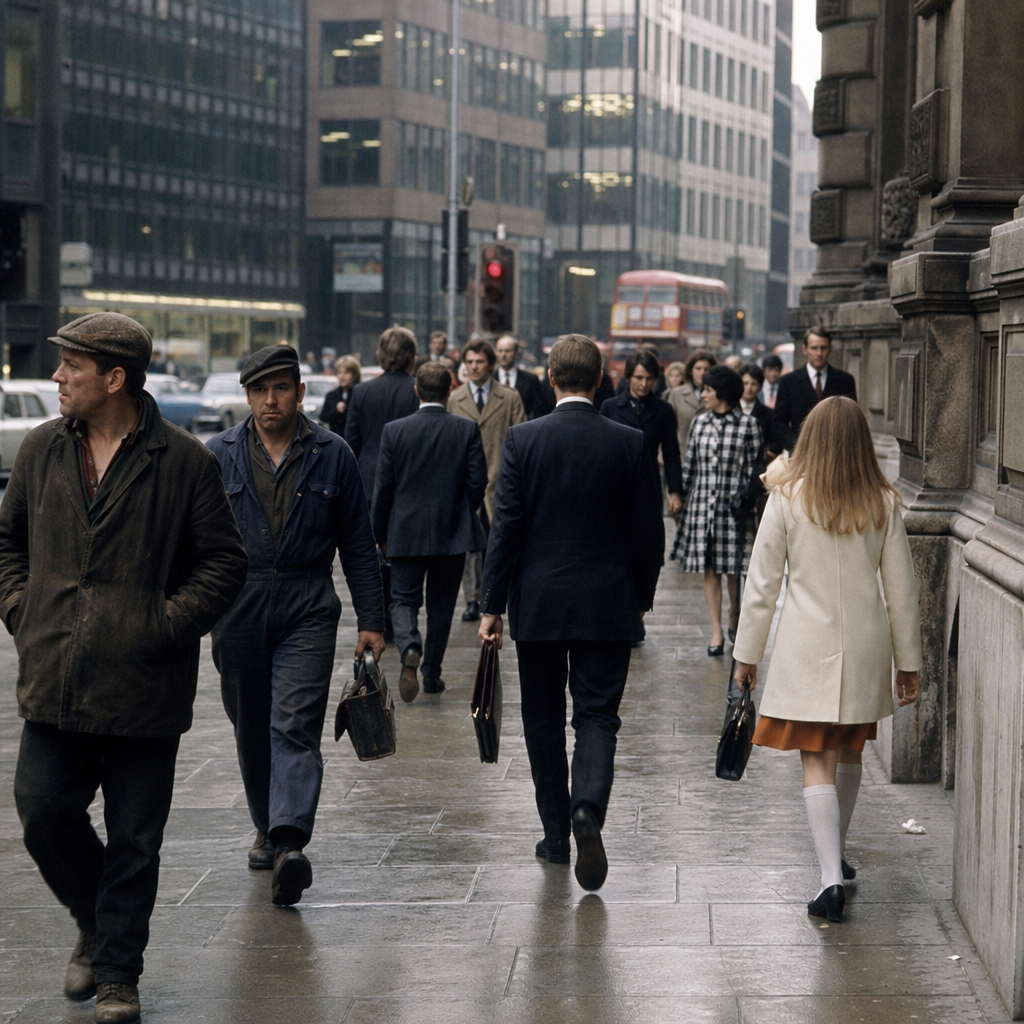
The song’s afterlife has also been shaped by the way Lennon’s image has been remembered. He is often celebrated as a peace advocate, an icon of counterculture, or a martyr of rock history. All of that is true in its own way, but Working Class Hero reminds us that Lennon was also something less comfortable: a deeply self-questioning artist who could look at the world and refuse to flatter it. That refusal is part of his legacy.
Listening Today: Why It Still Hits Hard
Why does a song from 1970 still feel so sharp? One answer is that it speaks to conditions that remain familiar: pressure to succeed, anxiety about identity, resentment toward systems that promise freedom while demanding conformity. Another answer is that Lennon’s performance is so direct that it bypasses fashion. The song does not depend on the sonic trends of its era. It depends on emotional truth, and emotional truth ages well.
Modern listeners may also hear the song differently because we now live in a culture saturated with personal branding. Lennon’s critique of image-making feels especially resonant in a world where authenticity is constantly marketed. Working Class Hero cuts through that by refusing to sound polished or easy. It reminds us that the cost of becoming legible to the world can be a gradual loss of self.
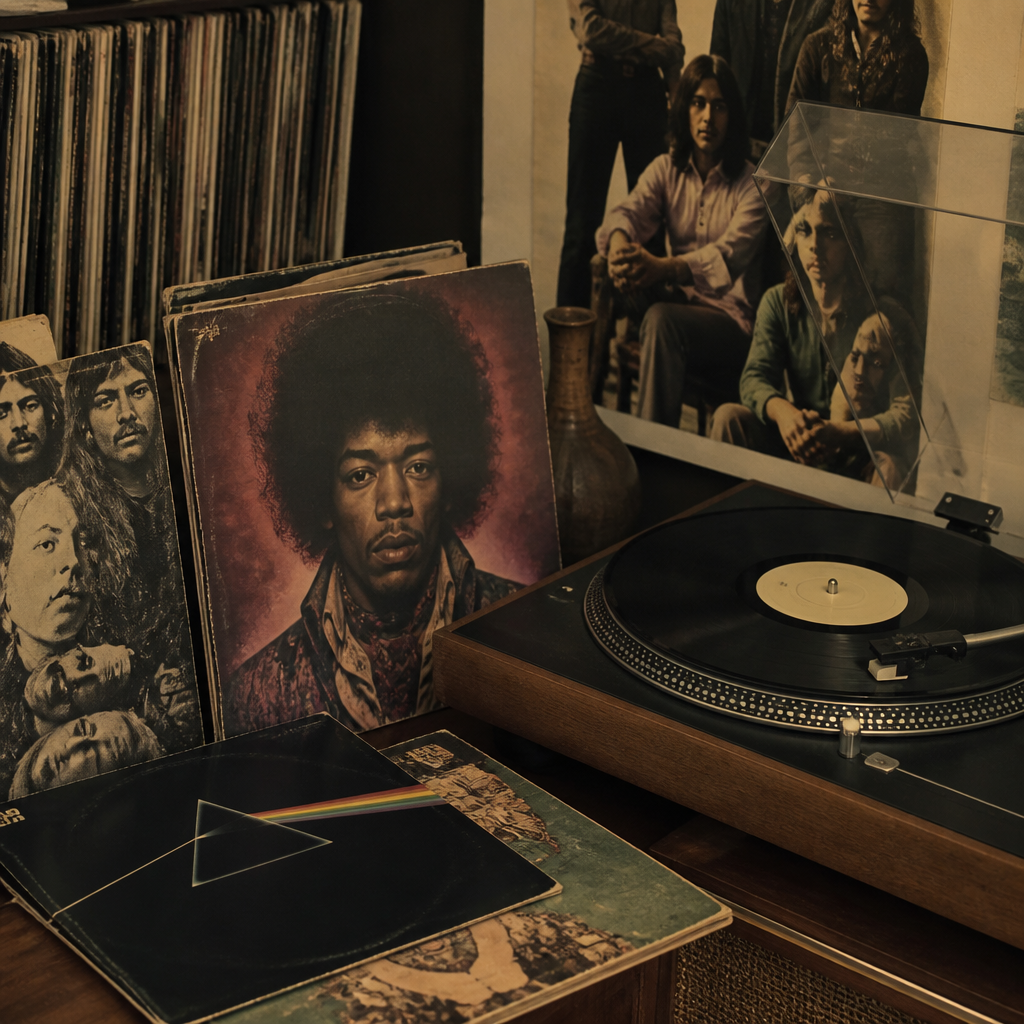
There is also something deeply human in the song’s loneliness. Lennon is not merely angry; he is isolated. That isolation gives the lyric its ache. The song suggests that class mobility, fame, and public recognition do not automatically heal the damage of being shaped by institutions that teach people to hide their vulnerability. In that sense, it is one of Lennon’s most emotionally modern songs.
For listeners discovering it today, the song can feel like a door into a more difficult understanding of Lennon himself. He was not just the charismatic Beatle or the peace activist on posters. He was an artist who could confront the uglier parts of social life and his own biography without softening them. That seriousness is part of why his music remains studied, argued over, and loved.
The Song as a Mirror of Lennon’s Era
Working Class Hero also captures something essential about the early 1970s. It reflects a moment when the idealism of the previous decade had collided with disillusionment. Many artists were rethinking the promises of pop culture, politics, and personal liberation. Lennon’s song stands out because it does not simply mourn lost innocence. It interrogates the conditions that made innocence a fragile fantasy in the first place.
That is why the song feels historically important, not merely personally revealing. It belongs to a broader cultural shift in which artists became more willing to expose fracture instead of hiding it. The confessional mode in rock and folk was gaining force, but Lennon gave it a distinct edge. He made self-revelation sound less therapeutic than accusatory. He wanted the listener to feel the pressure of the system, not just the pain of the individual.
In this way, the song bridges several of Lennon’s identities: the working-class Liverpool boy, the Beatle, the activist, the husband, the celebrity, and the uneasy observer of his own myth. Few songs compress so much biography into so few minutes. Fewer still do it without losing their artistic focus.

Conclusion: A Small Song With a Large Shadow
Working Class Hero is one of those rare songs that appears simple but reveals new layers with each listen. Its acoustic minimalism is deceptive. Beneath the plain surface lies a dense meditation on class, conformity, fame, and the loneliness that can follow success. Lennon turned a sparse arrangement into a psychological portrait and a social critique at once.
That is why the song still matters. It is not only a relic of 1970, nor merely a chapter in the story of John Lennon after the Beatles. It is a lasting reminder that popular music can carry serious thought without losing emotional force. Lennon’s achievement here was to make a song that feels intimate enough to be personal and broad enough to speak across generations.
In the end, Working Class Hero endures because it refuses easy consolation. It asks hard questions about what society does to people and what fame does to those who survive it. It leaves us with no simple answer, only the unsettling clarity of a voice that has seen through the performance. That may be the most Lennon-like thing of all.
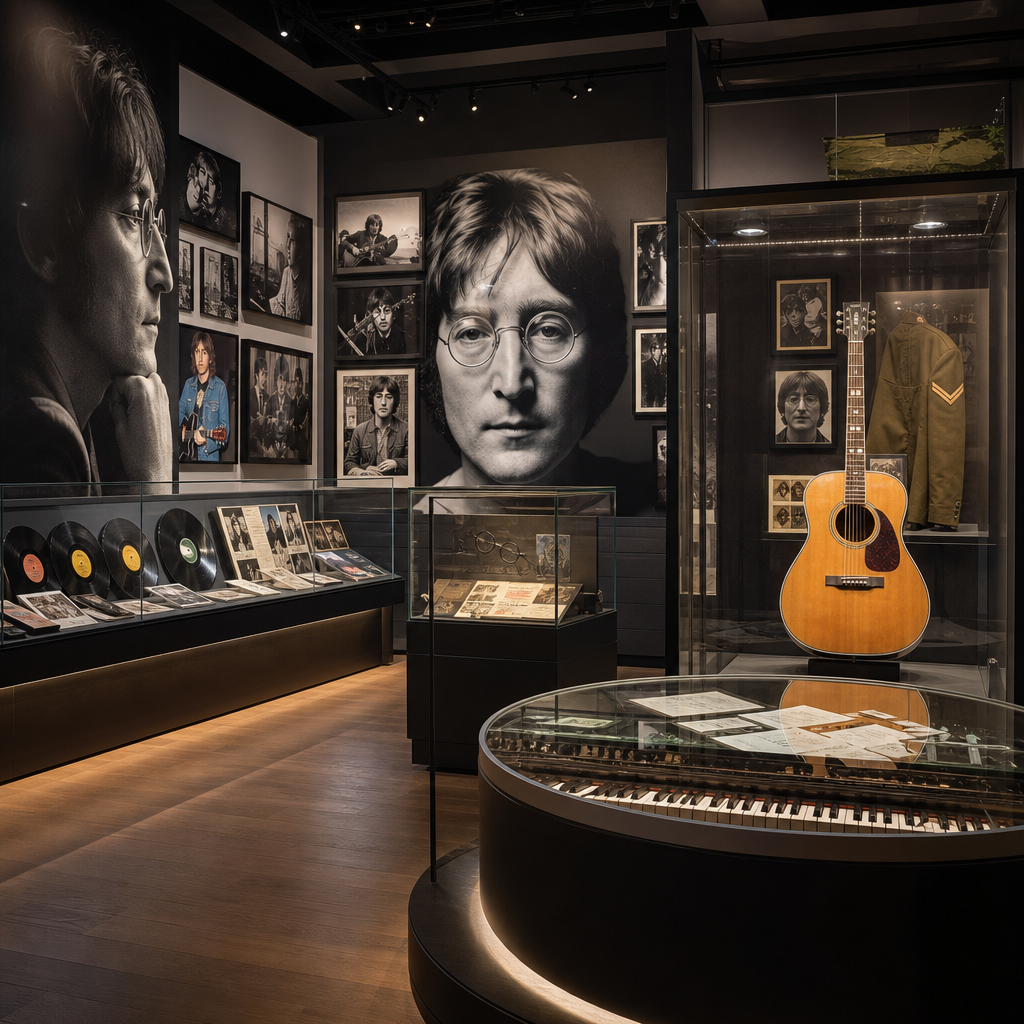
Cynthia Lennon’s Final Days and Julian’s Last Goodbye

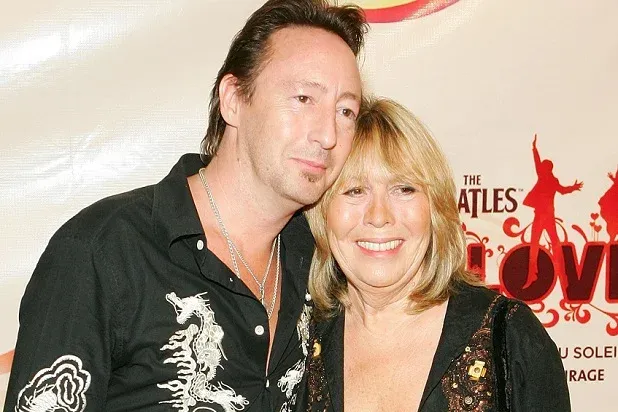
Cynthia Lennon’s Final Days were marked by a deeply personal farewell far removed from the worldwide fame that had surrounded her family for decades. On April 1, 2015, Cynthia died at her home in Mallorca, Spain, at the age of 75, following a short battle with cancer. Her son, Julian Lennon, was by her side, and the tribute he shared afterward transformed his grief into a moving musical remembrance of the woman who had shaped his life. Behind the famous Lennon name was a mother and son whose bond deserved to be remembered in its own right.


Comments 0