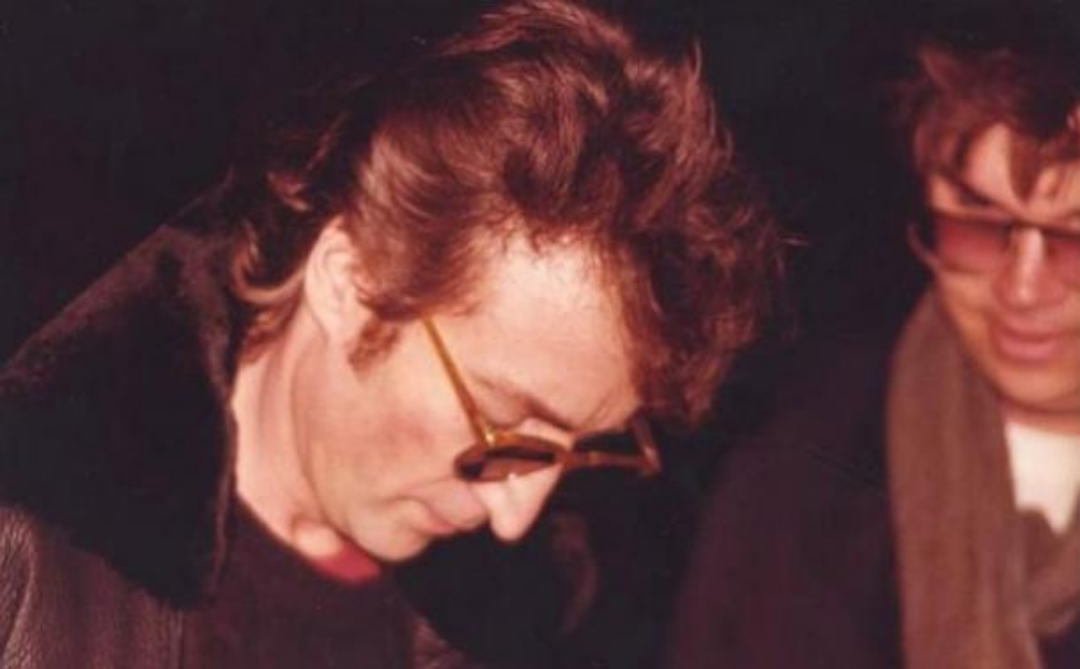
John Lennon’s Final Autograph captures a seemingly ordinary moment outside the Dakota in New York City on December 8, 1980. That afternoon, Lennon signed a copy of Double Fantasy for Mark David Chapman while amateur photographer Paul Goresh captured the encounter. Just hours later, Chapman would kill the former Beatle, transforming the photograph into a haunting reminder of Lennon’s final day.
The Ordinary Moment That Became Part of Music History
On the afternoon of December 8, 1980, John Lennon was preparing to leave the Dakota, the historic apartment building overlooking Central Park where he lived with his wife, Yoko Ono. The day had already included interviews and photographs, and he had plans to return to the Record Plant studio to work on music. At the time, Lennon was enjoying a renewed period of creativity after spending several years away from the demands of a full-time recording career.
Outside the building, fans sometimes waited in the hope of seeing the former Beatle. Lennon was known to sign albums, acknowledge admirers and occasionally stop for photographs. These encounters were part of his everyday life in New York, where he had become a familiar figure to people who recognized him around the Dakota.
That afternoon, a man approached Lennon carrying a copy of Double Fantasy, the album he had released with Yoko Ono in November 1980. Lennon agreed to sign it. Nearby, Paul Goresh, an amateur photographer and longtime admirer of the musician, captured the interaction with his camera. At that moment, the photograph appeared to be nothing more than a record of another fan meeting a famous artist.
The Man Who Asked John Lennon for an Autograph
The man standing beside Lennon was Mark David Chapman, a 25-year-old from Hawaii who had been waiting near the Dakota. He approached Lennon with the album and received the signature he wanted. Goresh photographed the two men together, preserving the encounter in a single frame.
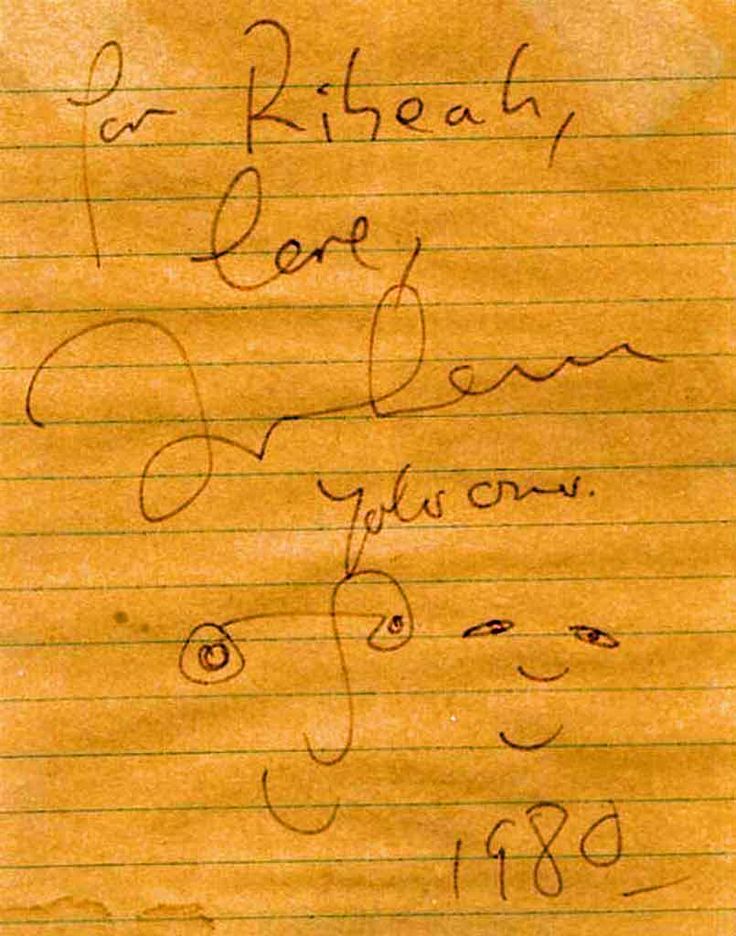
According to historical accounts, Lennon signed the album cover with his name and the year. The exchange was brief, and Lennon continued with his plans. There was no public indication in the photograph that the encounter would become connected to one of the most shocking crimes in modern music history.
Chapman later admitted to killing Lennon and was convicted of his murder. In the hours before the shooting, however, the autograph request appeared to be a familiar interaction between a celebrity and a fan. Lennon had no apparent reason to know what would happen later that night.
This contrast is central to the photograph’s lasting impact. Lennon was simply signing a record, something he had done countless times during his career. The man receiving the signature would later become permanently associated with the singer’s death. What made the encounter historically significant was not anything Lennon intended to communicate, but what the world learned afterward.
Paul Goresh and the Photograph He Never Expected to Take
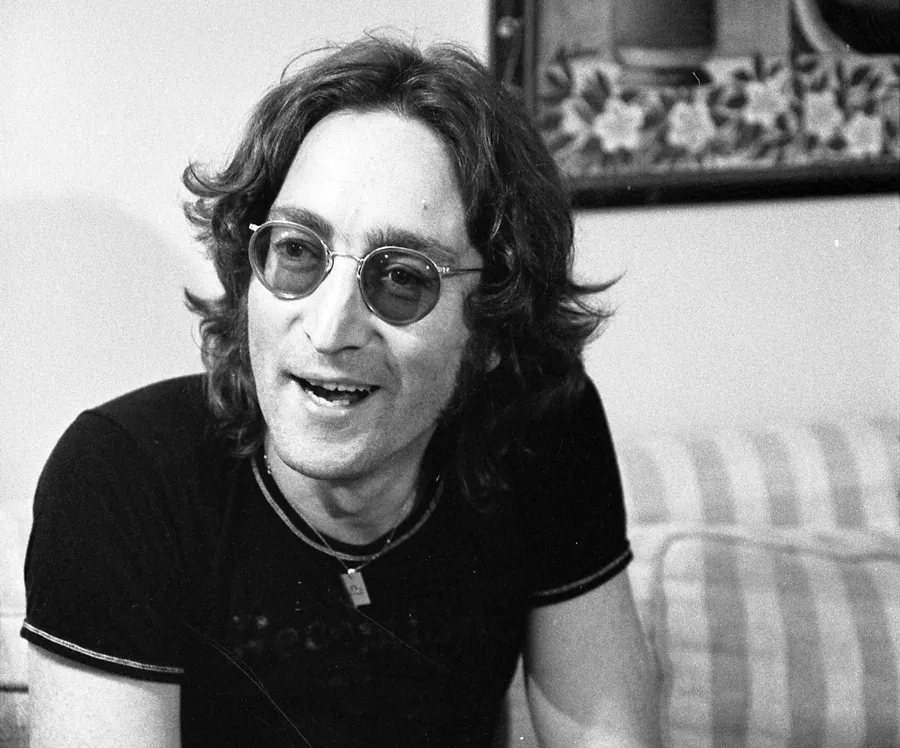
Paul Goresh was not a professional press photographer covering Lennon’s every move. He was an amateur photographer and devoted fan who regularly visited the Dakota, hoping to see the musician and take pictures. Goresh had photographed Lennon on previous occasions and had developed a friendly familiarity with him.
On December 8, Goresh happened to be outside the building when Lennon signed Chapman’s album. He took the photograph without knowing that it would become one of the defining images of the singer’s final day. Only after the murder did the scene acquire its terrible significance.
The United Press International report published on December 9, 1980, identified Goresh as the photographer who captured Lennon signing an album for his accused killer. The picture quickly attracted international attention, and the New York Daily News featured it on its front page. Goresh suddenly found himself connected to a historic event he had never intended to document.
The experience was deeply upsetting. Goresh had taken photographs because he admired Lennon and valued the opportunity to meet him. His image was not created as a crime photograph or as a deliberate record of a final encounter. Its importance emerged only after the events that followed.
What Happened Hours After the Autograph?
After leaving the Dakota that afternoon, Lennon and Ono went to the Record Plant studio. They worked on music, including the song “Walking on Thin Ice,” before returning home later that evening.
When the couple arrived back at the Dakota on December 8, Chapman was waiting outside. Lennon was shot near the entrance to his residence and was taken to Roosevelt Hospital, where he was pronounced dead. He was 40 years old. The news spread rapidly, shocking fans around the world and prompting an outpouring of grief for the former Beatle.
The sequence of events transformed the afternoon autograph into something far more disturbing. The man who had stood beside Lennon for a photograph was the same man responsible for his murder hours later. The signature itself had been given without any indication of what was to come.
It is important not to mistake the photograph for a prediction or a warning. Nothing in the image proves that Lennon understood the danger he faced. Its power comes from hindsight: viewers know the outcome, while the people in the frame were living through a moment that seemed ordinary at the time.
Why John Lennon’s Final Autograph Still Haunts Fans
The photograph continues to affect viewers because it places an ordinary human interaction beside an extraordinary tragedy. Lennon was not performing on a stage, giving a speech or posing for an official portrait. He was outside his home, signing an album for someone who had approached him.
That everyday quality makes the image especially difficult to forget. It shows how history can transform the meaning of a moment without changing a single detail in the original photograph. The signature, the album and the expressions on the two men’s faces remain the same. What changes is the knowledge that came afterward.
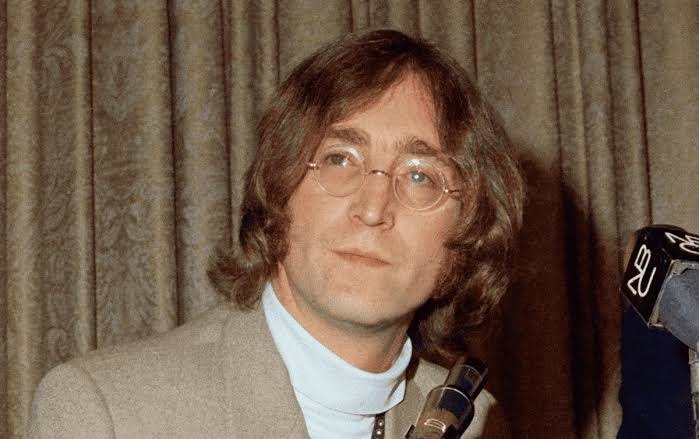
For fans, the image also offers a glimpse of Lennon as he was during his final hours: a musician continuing with his day, working on new music and interacting with people who recognized him. His death abruptly ended a life and career that had already influenced generations through the Beatles, his solo recordings and his outspoken views on peace.
The photograph is also a reminder of Paul Goresh’s role as an accidental witness to history. He did not set out to capture the final hours of a music legend. He wanted to photograph someone whose work he admired. Yet his camera preserved a moment that would become inseparable from the story of Lennon’s murder.
The Album Double Fantasy and Its Unexpected Place in the Story
The album Lennon signed that afternoon was Double Fantasy, his collaborative release with Yoko Ono. Issued in November 1980, it marked a major return to recording after a period in which Lennon had devoted much of his attention to family life, particularly raising his son Sean.
The album explored relationships, domestic life and the experience of beginning a new chapter. Songs such as “Starting Over” reflected a sense of renewal, making the events of December 8 even more painful in retrospect. Lennon was not simply a figure from the Beatles’ past; he was an active artist making plans and creating new work.
After his death, Double Fantasy became closely associated with his final months and the abrupt loss of his future. The signed copy carried an additional layer of historical significance because it connected the album directly to the encounter outside the Dakota. The autograph was originally a personal keepsake for a fan. It later became part of the documented story of Lennon’s final day.
The album and the photograph are now remembered together because they preserve two sides of the same moment: Lennon’s continuing connection with the public and the tragedy that would soon end his life.
Conclusion: A Signature That Became a Haunting Reminder
John Lennon’s Final Autograph was never meant to be a farewell. It was a simple gesture from a musician who stopped to sign an album for someone waiting outside his home. But after Lennon was murdered hours later, the photograph taken by Paul Goresh became an unforgettable record of their final encounter. Decades later, the image continues to haunt fans because it captures an ordinary moment that history would forever change.
Why Kevin Costner Hesitated to Speak at Whitney Houston’s Funeral
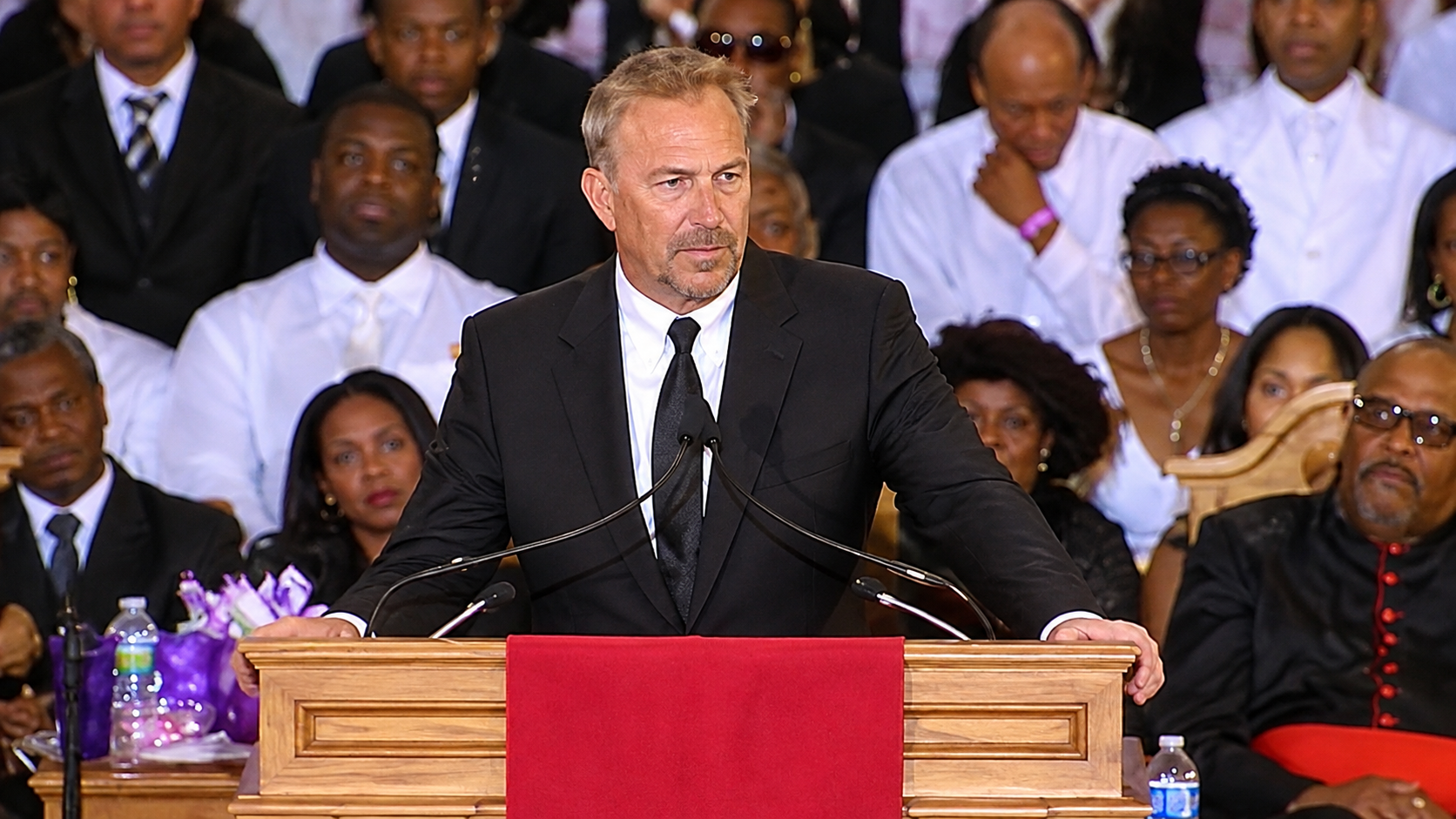
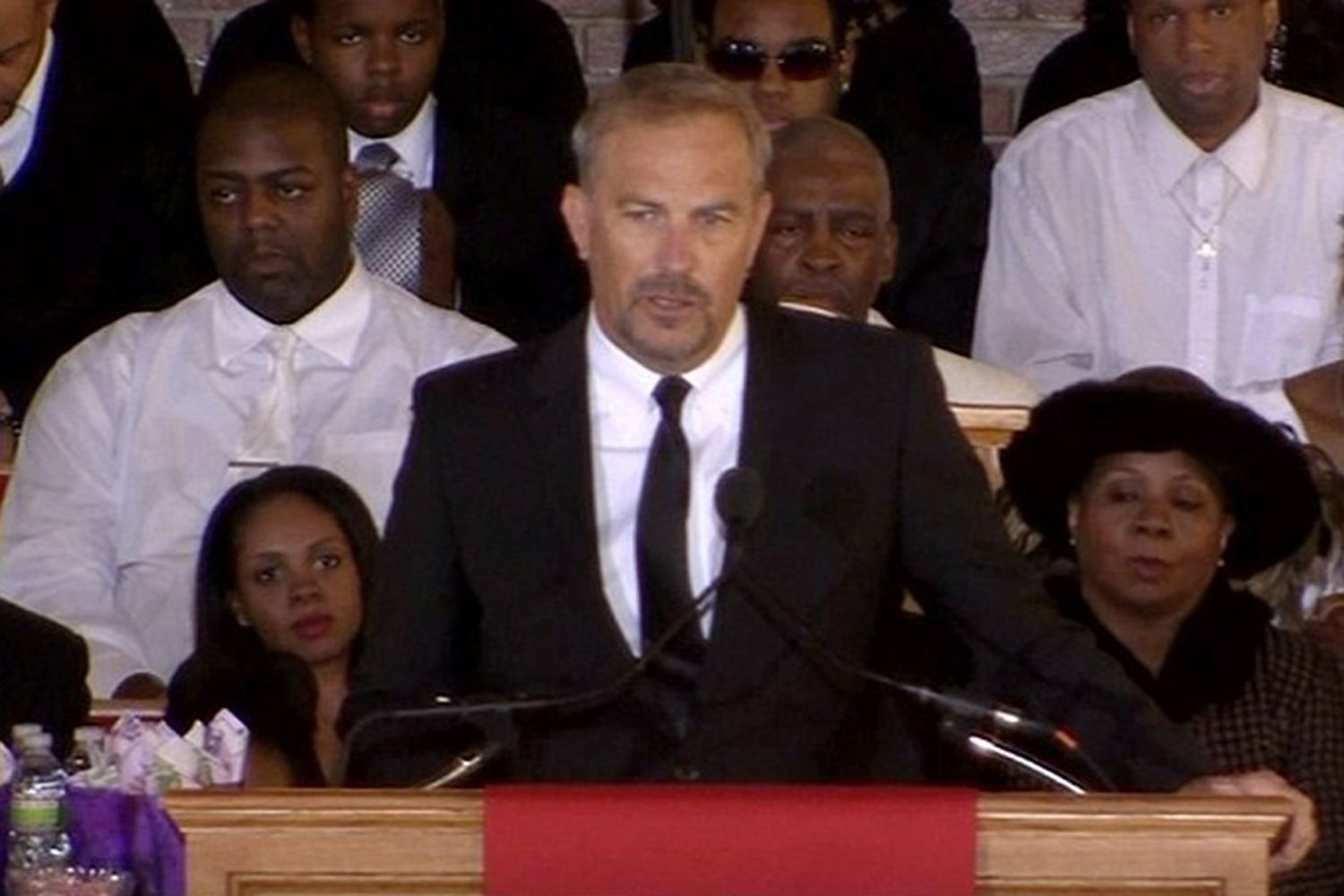
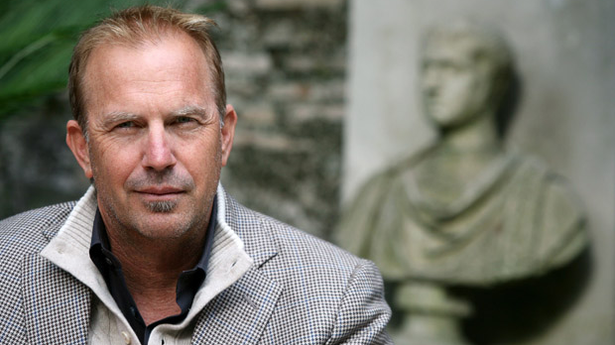
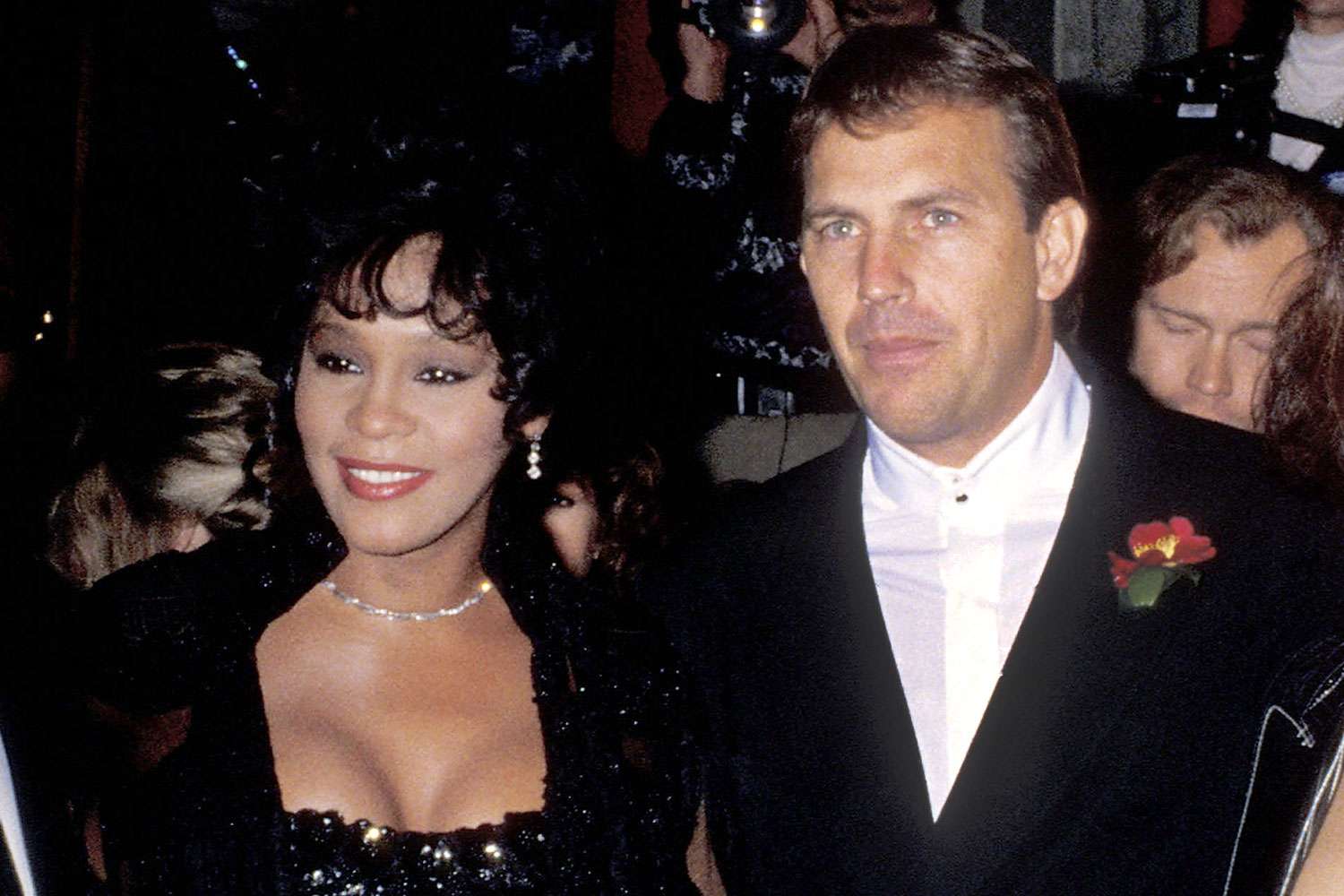
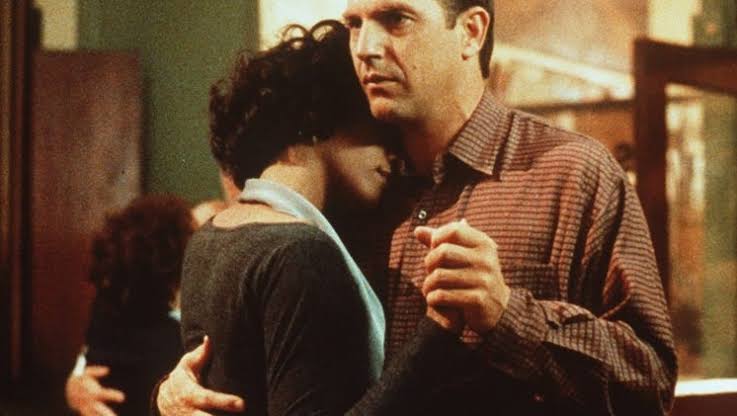
Whitney Houston’s Funeral brought together family, friends, and music legends to remember one of the greatest voices of her generation. Among those asked to speak was Kevin Costner, her co-star in The Bodyguard and a longtime friend. Yet, despite their meaningful connection, Costner initially questioned whether he was the right person to deliver a tribute. A heartfelt phone call from Dionne Warwick ultimately changed his mind, leading to one of the most memorable moments of the service.
Comments 0