Why Has John Lennon’s Killer Been Denied Parole 14 Times?
John Lennon’s death remains one of the most painful chapters in music history. More than four decades after the former Beatle was murdered outside his New York apartment, the man convicted of killing him has now been denied parole 14 times. But why has the parole board repeatedly refused to release him?
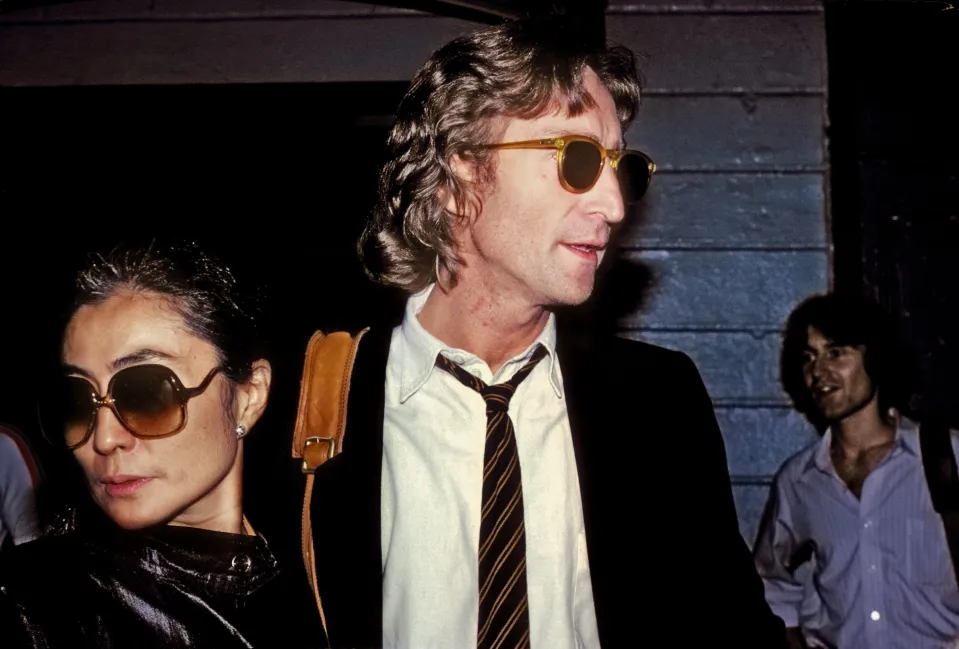
The Murder That Shocked the World
On December 8, 1980, John Lennon and Yoko Ono were returning to their apartment at The Dakota in Manhattan when Mark David Chapman approached Lennon. Earlier that day, Chapman had asked Lennon to autograph a copy of Double Fantasy. Later that night, he shot Lennon four times outside the building. Lennon was 40 years old.
Chapman was arrested shortly afterward near the scene. He had been carrying a copy of J.D. Salinger’s The Catcher in the Rye, a detail that became closely associated with the case. In 1981, he pleaded guilty to second-degree murder and received a sentence of 20 years to life in prison.
For fans around the world, the killing was almost impossible to comprehend. John Lennon had spent years speaking about peace, creativity and human connection, and his death abruptly ended the life of one of the most influential musicians of the 20th century.
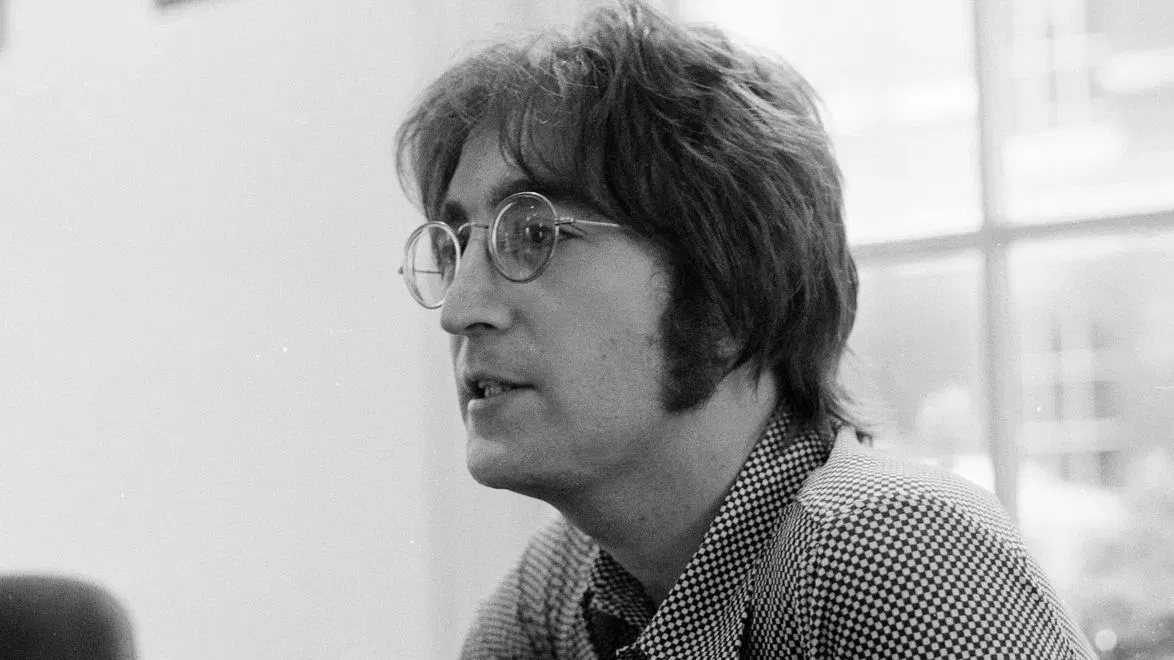
Why Has John Lennon’s Killer Been Denied Parole?
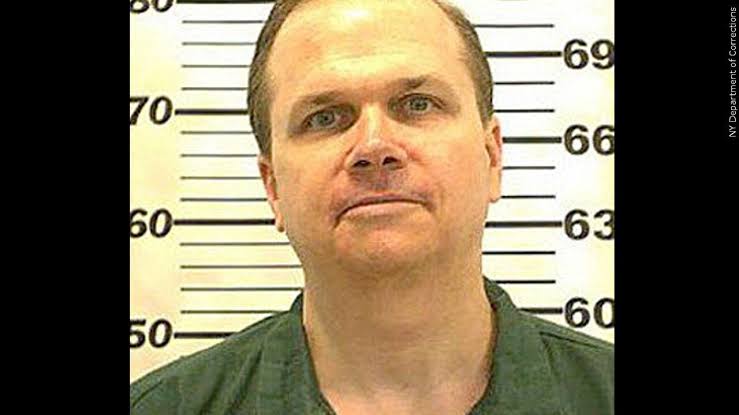
Chapman first became eligible for parole in 2000. Since then, he has repeatedly appeared before the New York parole board, but release has never been granted. His 14th parole request was denied following a hearing on August 27, 2025. He remains incarcerated at Green Haven Correctional Facility in New York, and his next scheduled parole hearing is February 2027.
One important point is that the transcript from the 2025 hearing was not immediately made public. That means it would be misleading to claim that a particular statement made during that hearing directly caused the latest denial. What is clear from earlier proceedings, however, is that the board has repeatedly considered the seriousness of the crime, Chapman’s motivation and whether his rehabilitation is sufficient to justify release.
New York’s parole process also requires the board to provide reasons when discretionary release is denied. The state explains that a person denied parole receives a decision notice explaining the denial and receives a date for another appearance.
Chapman’s Motive Has Remained a Major Part of the Story
One of the most disturbing elements of the case has been Chapman’s own explanation of why he targeted John Lennon.
During an earlier parole hearing, Chapman acknowledged that he knew what he was doing was wrong but said he wanted fame badly enough to take a human life. His statements have repeatedly shown that notoriety was central to his motivation.
That motive has made the case especially difficult to separate from the question of rehabilitation. Chapman has expressed remorse over the years and has described his actions as deeply wrong. Yet remorse alone does not erase the circumstances surrounding a deliberate killing or automatically establish that someone is ready to return to society.
Earlier parole decisions also focused heavily on the nature of the offense. In 2010, for example, the board described the crime as involving a profound disregard for human life and emphasized that Chapman had traveled to New York with the purpose of killing John Lennon.
Yoko Ono Has Continued to Oppose His Release
The parole question has also remained deeply personal for Yoko Ono, who was with John Lennon when he was killed.
Ono has consistently opposed Chapman’s release. Her position has been reported in multiple parole proceedings, reflecting the continuing emotional consequences of Lennon’s murder for his family.
For Ono and Lennon’s family, the issue is not simply about how many years Chapman has spent in prison. It is also connected to the irreversible consequences of the crime and the possibility of having the man responsible for Lennon’s death living outside prison.
That perspective has remained an important part of the broader discussion surrounding every new parole application.
Fourteen Denials Later, the Case Is Still Not Over
Chapman’s 14th denial does not mean he can never seek parole again. His next hearing is scheduled for February 2027, meaning the possibility of another parole request remains.
The extraordinary number of denials also shows why John Lennon’s murder continues to generate public interest decades later. The case is not only about a famous musician whose life was taken. It is also about the difficult question of whether remorse, rehabilitation and decades in prison can eventually outweigh the circumstances of an irreversible crime.
For now, the answer from New York’s parole system remains no.
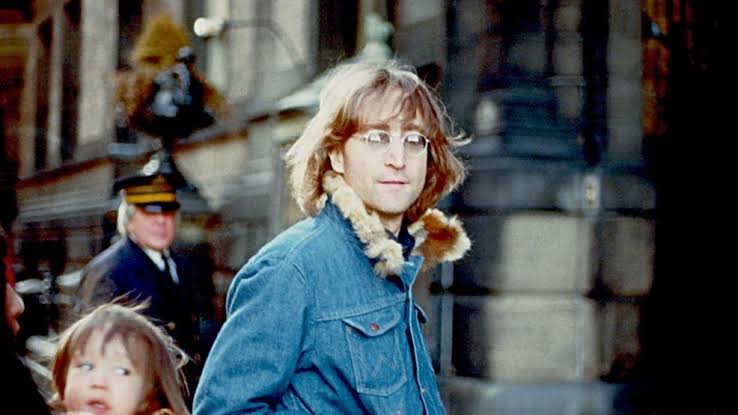
Conclusion: John Lennon’s Legacy Outlived the Tragedy
John Lennon’s life ended violently in 1980, but his music and ideas continued to influence generations. More than 40 years later, the man responsible for his death remains behind bars after 14 unsuccessful parole attempts. The latest decision does not close the story. With another hearing scheduled for February 2027, the question of whether John Lennon’s killer will ever be released remains unanswered.
Why Kevin Costner Hesitated to Speak at Whitney Houston’s Funeral
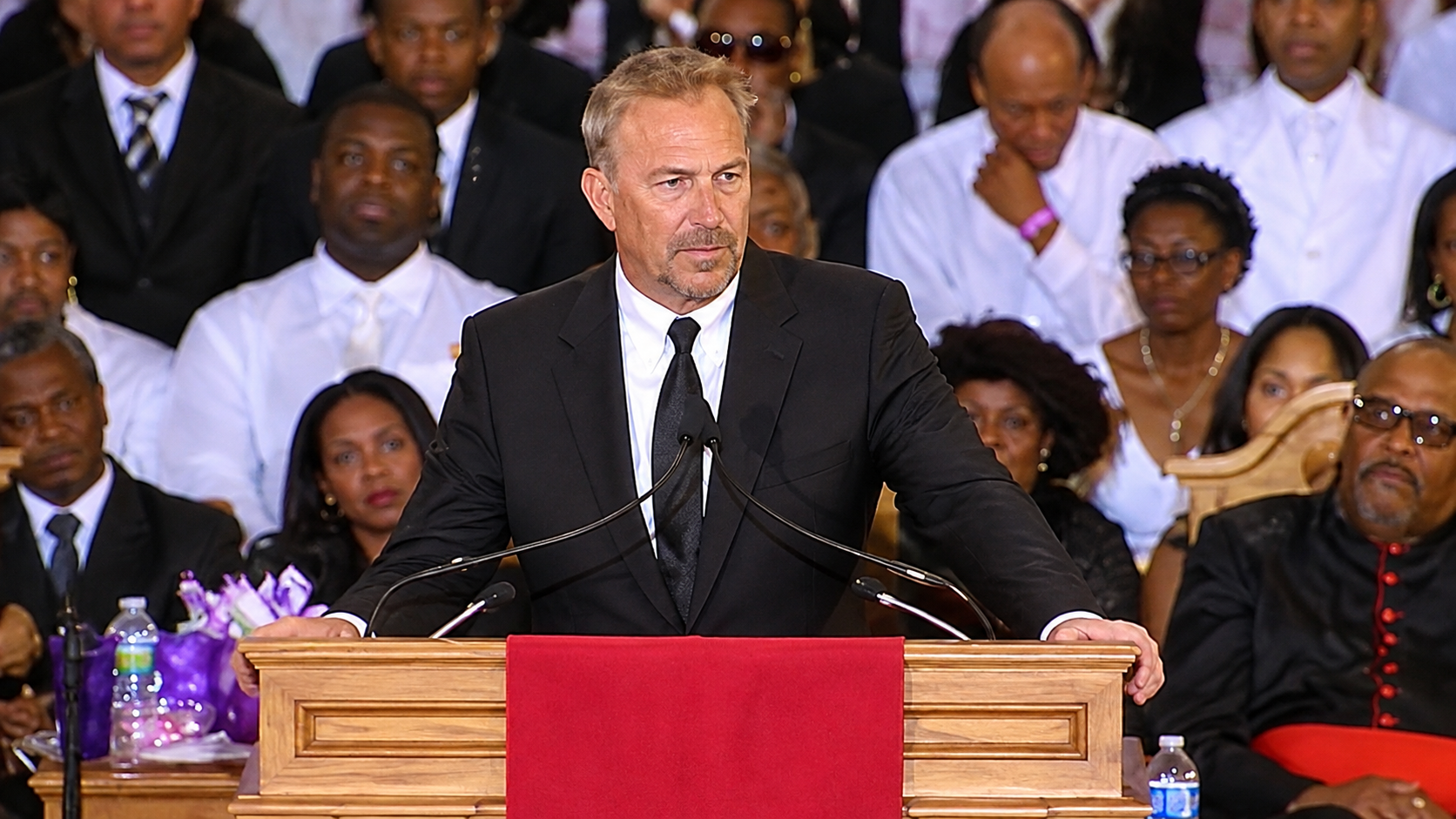
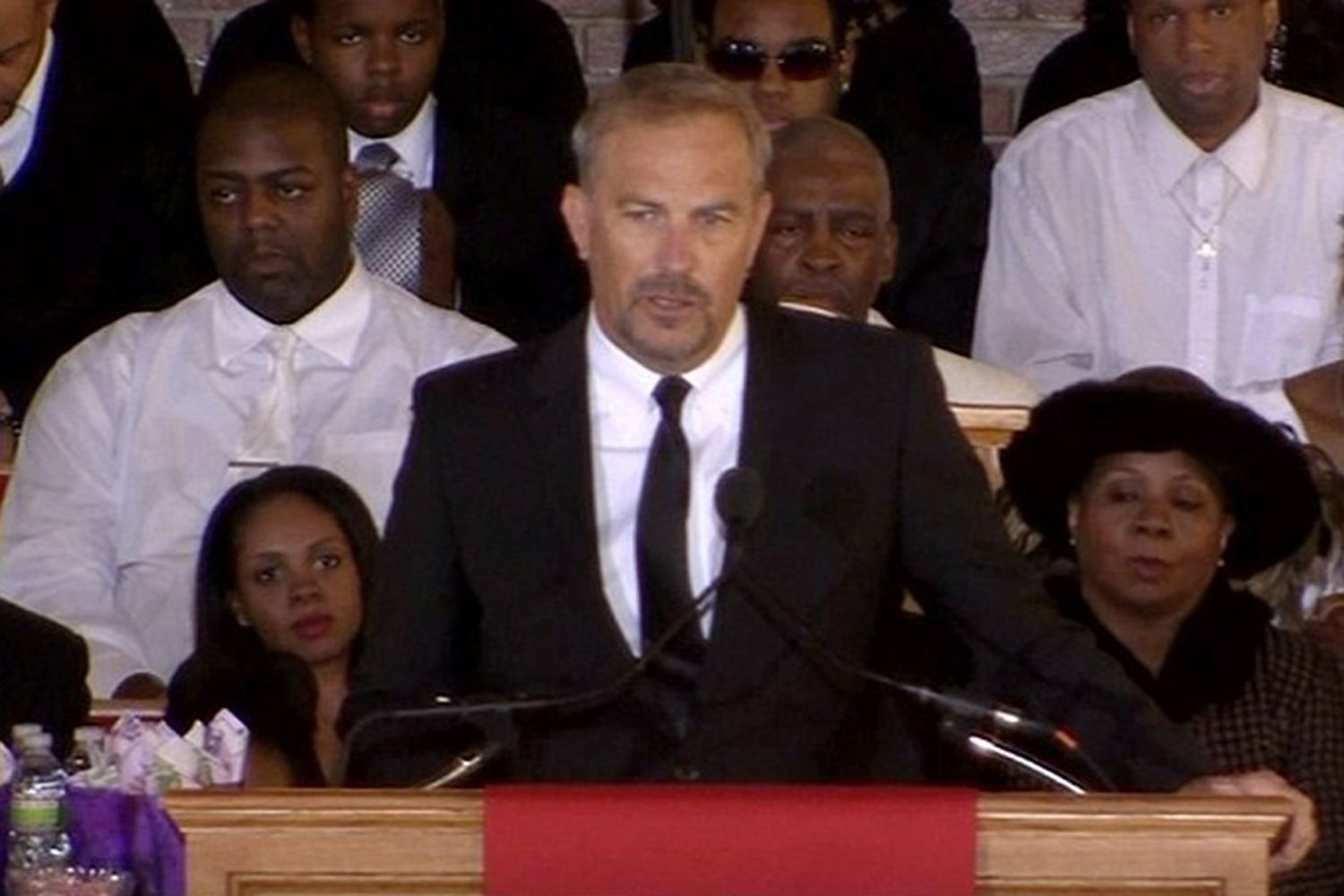
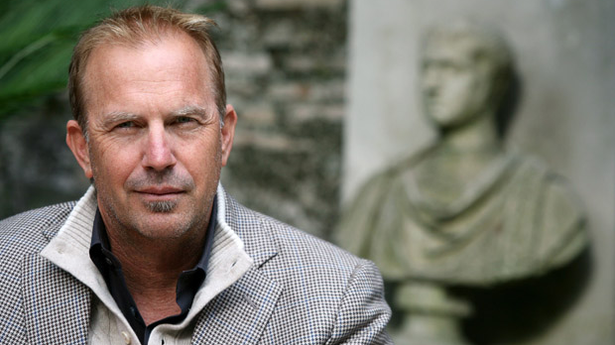
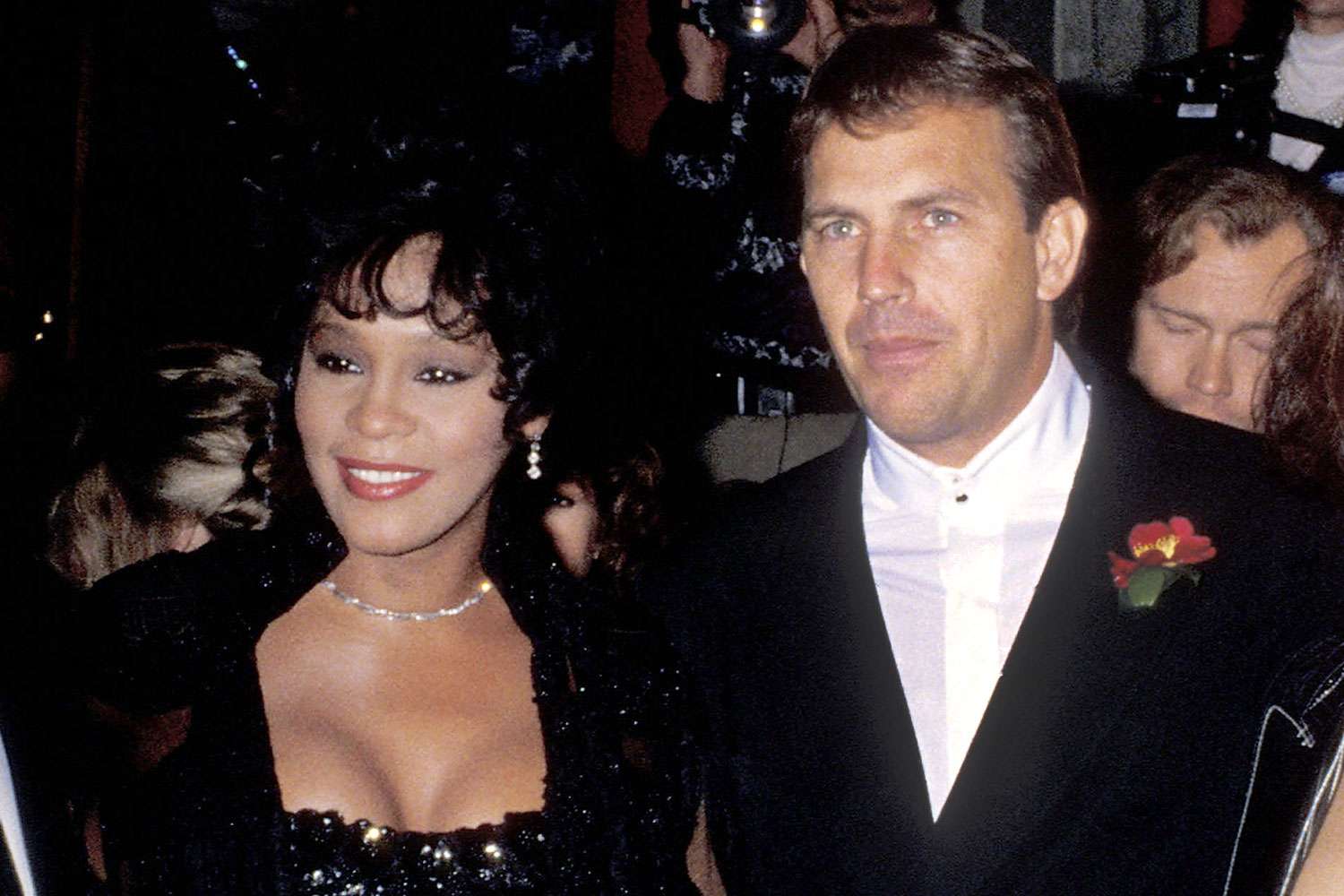
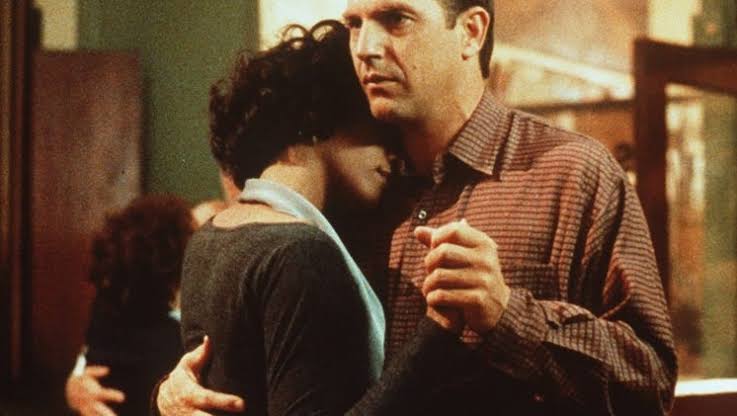
Whitney Houston’s Funeral brought together family, friends, and music legends to remember one of the greatest voices of her generation. Among those asked to speak was Kevin Costner, her co-star in The Bodyguard and a longtime friend. Yet, despite their meaningful connection, Costner initially questioned whether he was the right person to deliver a tribute. A heartfelt phone call from Dionne Warwick ultimately changed his mind, leading to one of the most memorable moments of the service.
Comments 0