John Lennon remains one of the most recognizable figures in modern popular music: a singer, songwriter, guitarist, and outspoken public activist whose influence extended far beyond the stage. Born in Liverpool in 1940 and killed in New York City on December 8, 1980, Lennon became famous as a founding member of The Beatles, then built a solo career that helped define the sound and spirit of the 1970s. More than four decades after his death, people still search for John Lennon’s music, his ideas, his activism, and the cultural meaning of his life.
This article takes a broad, readable look at Lennon’s story: how he rose from postwar Liverpool to global fame, how his work with The Beatles changed popular music, why his solo songs still resonate, and how his public image as an artist and activist shaped his legacy. It also places his life in historical context, noting both his achievements and the complexities that came with being one of the most famous musicians of the 20th century. If you are looking for a clear, useful overview of John Lennon, this guide covers the essential milestones while keeping the focus on his artistic impact and historical importance.
Early life in Liverpool: the making of a restless artist
John Winston Lennon was born on October 9, 1940, during the Second World War, in Liverpool, England. His early life was marked by family disruption, a theme that has often been discussed in biographies because it helps explain some of the emotional intensity that later appeared in his writing. Lennon was raised largely by his aunt, Mimi Smith, while maintaining a complicated relationship with his mother, Julia Lennon. Those early experiences did not simply create a “sad backstory”; they also helped form a personality that could be witty, defensive, imaginative, and deeply observant all at once.
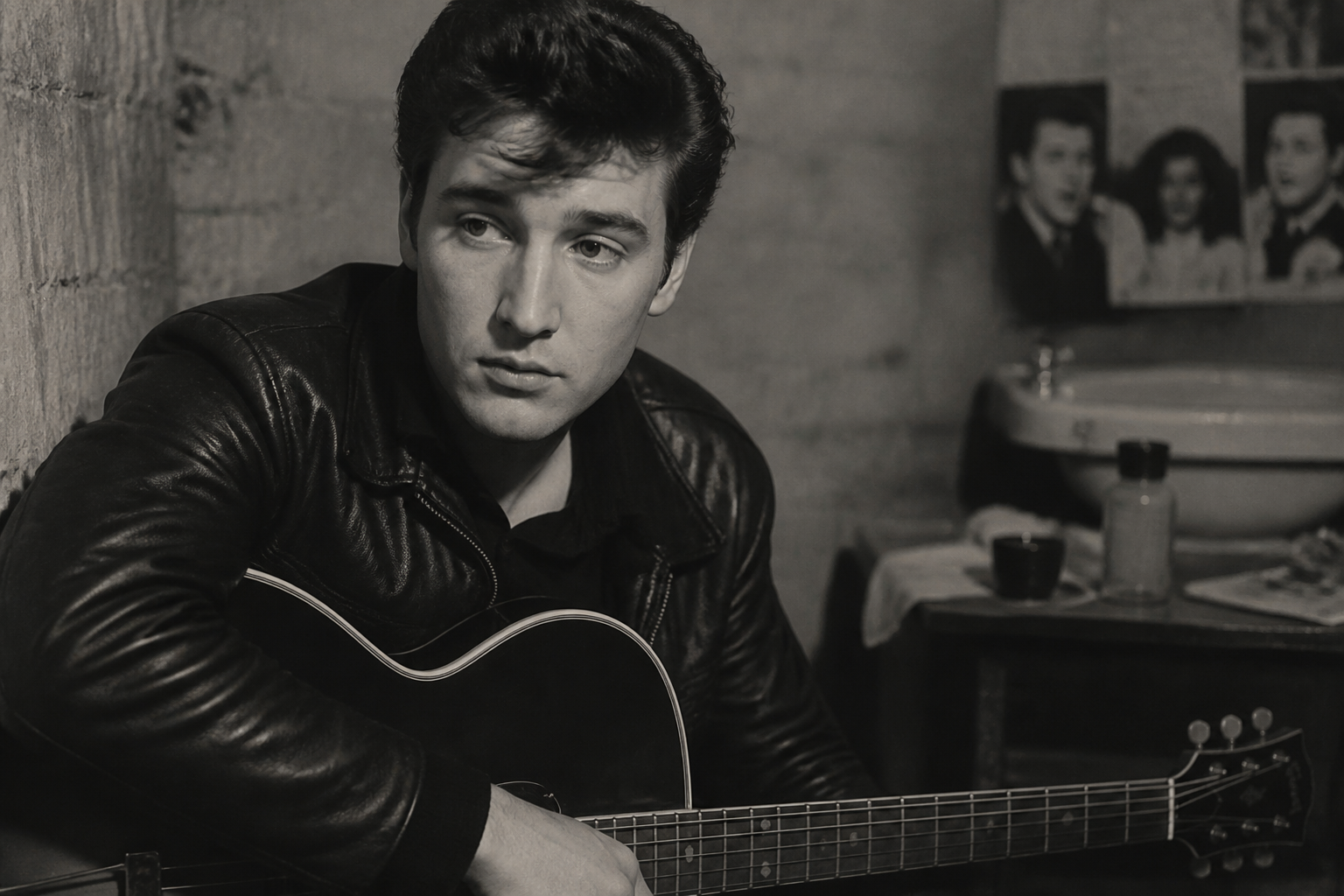
As a teenager, Lennon became absorbed in skiffle, rock and roll, and the energy of American popular music. He formed a group called the Quarry Men in 1956, a key early step in the story of The Beatles. In 1957, he met Paul McCartney, and that meeting became one of the most important partnerships in music history. George Harrison soon entered the circle, and the group evolved through a series of name changes and lineup shifts before becoming The Beatles. Lennon’s early musical development was shaped by local clubs, church halls, and the vibrant working-class culture of Liverpool, a city whose postwar atmosphere influenced the band’s identity in ways that remain central to Beatles history.
Why Lennon’s early years mattered
- They gave him a sharp, often skeptical worldview.
- They connected him to the raw energy of rock and roll.
- They helped form the creative tension that later defined his songwriting.
The Beatles years: from local band to global phenomenon
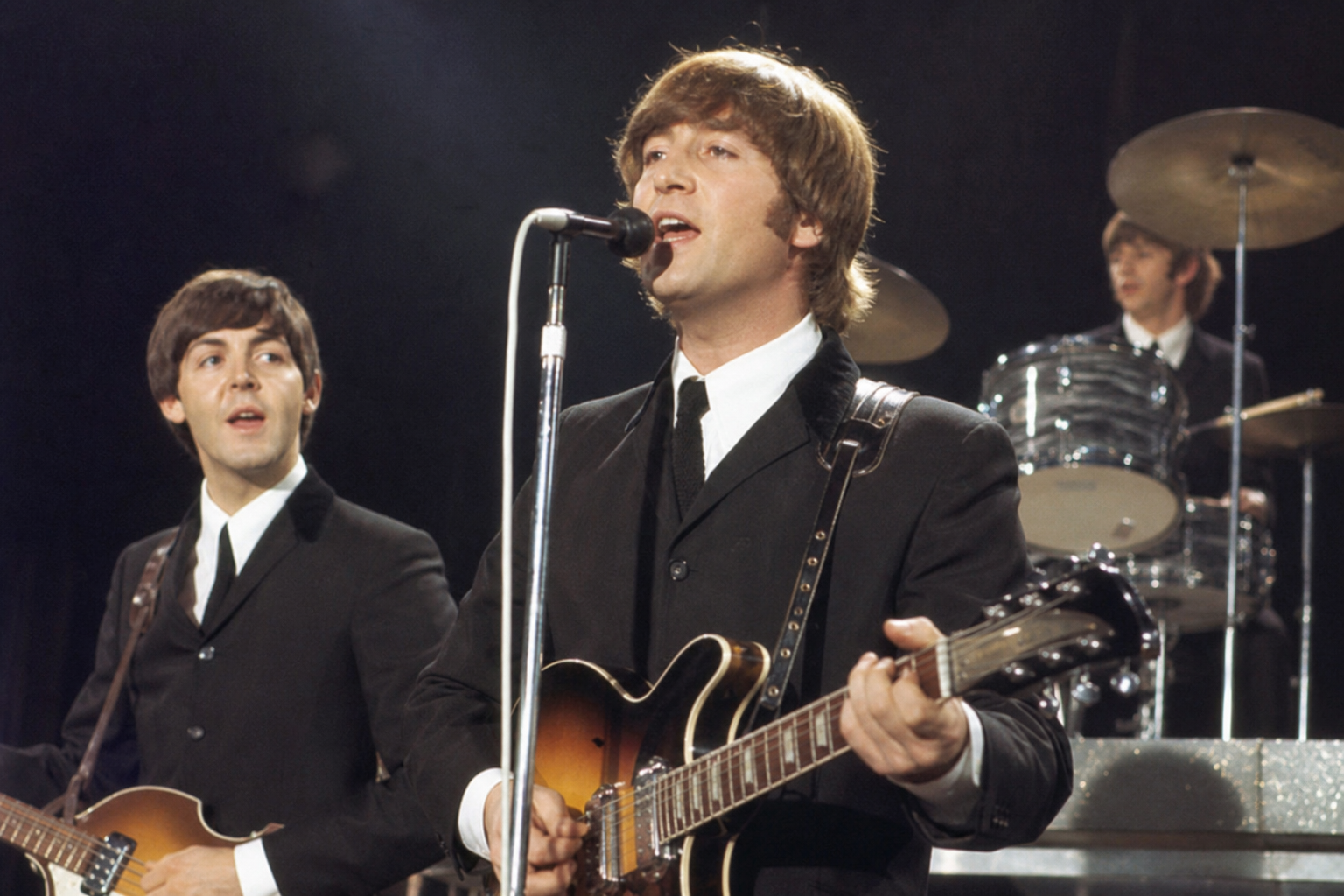
John Lennon’s place in The Beatles is impossible to separate from the band’s larger story. By the early 1960s, The Beatles had become a phenomenon in Britain, then in the United States and across the world. Lennon was not simply “the frontman”; he was one of the group’s central creative forces, a lead singer with a distinctive voice and a songwriter whose work often carried a sharper edge than the polished image that surrounded Beatlemania.
Many listeners first encountered Lennon through the early Beatles sound: energetic, catchy, and full of youthful confidence. Songs such as “Please Please Me,” “All My Loving” (co-written with McCartney), and “She Loves You” helped establish the band’s momentum. As the decade progressed, Lennon’s writing became more adventurous and emotionally complex. He moved from straightforward pop toward songs that reflected uncertainty, irony, introspection, and experimentation. That shift mirrored The Beatles’ own evolution from a hit-making group into an album-oriented artistic force.
Lennon’s role in the band was also shaped by collaboration. The Lennon–McCartney songwriting partnership is one of the most famous in music history, and while the two writers often worked closely, their individual voices remained distinct. Lennon frequently brought a harder emotional edge, a taste for wordplay, and a willingness to confront discomfort. McCartney often contributed melodic polish and a different kind of emotional accessibility. Together, they produced a body of work that changed expectations for what pop music could do.
The Beatles’ later albums, including Rubber Soul, Revolver, Sgt. Pepper’s Lonely Hearts Club Band, and The White Album, are often discussed as milestones in popular music. Lennon’s contributions to these records include songs such as “Norwegian Wood (This Bird Has Flown),” “In My Life,” “Tomorrow Never Knows,” “Lucy in the Sky with Diamonds,” “A Day in the Life” (co-written with McCartney), “Strawberry Fields Forever,” and “Revolution.” These songs show how far he traveled as a writer: from concise pop to surreal imagery, studio experimentation, and deeper personal reflection.
It is also important to note that The Beatles were a group effort. George Harrison’s songwriting blossomed, Ringo Starr brought steadiness and personality to the drums, and producer George Martin played a major role in shaping the sound. Lennon’s genius mattered, but it worked inside a larger creative ecosystem. That is one reason The Beatles continue to fascinate historians, musicians, and fans: the band was both a collective and a set of individual artistic identities.
John Lennon as a songwriter: wit, honesty, and experimentation
One reason John Lennon still matters to music lovers is that his songs are unusually layered. He could be playful one moment and devastating the next. He could write a tune that sounded simple on the surface while hiding emotional tension underneath. He could use humor, surrealism, and direct confession within the same career. That range is a major part of his legacy.
Some Lennon songs feel intimate and personal, such as “Help!,” which he later described as a real cry for assistance, and “In My Life,” a reflective song that remains one of the most admired tracks in the Beatles catalog. Others are more abstract or experimental, like “Tomorrow Never Knows,” which helped point popular music toward studio innovation and psychedelic soundscapes. “Strawberry Fields Forever” is another landmark, blending memory, identity, and atmosphere in a way that still feels modern.
His writing could also be confrontational. “Revolution” captures the political uncertainty of the late 1960s, while “Yer Blues” and “I’m So Tired” show the darker, more self-questioning side of his artistry. Even his love songs often carry a plainspoken emotional directness. Lennon did not always write to comfort; sometimes he wrote to expose contradiction. That quality made his work feel real to many listeners.
His voice mattered too. Lennon’s singing was not about technical perfection. It was about character, urgency, and tone. He could sound vulnerable, sarcastic, angry, or tender, sometimes within the same phrase. That expressive range helped define the emotional identity of many Beatles recordings and later supported his solo work.
From Beatles breakup to solo identity
The end of The Beatles in 1970 is one of the most discussed events in pop music history, but it is important not to reduce it to a single dramatic moment. The band’s breakup was the result of multiple pressures: business disputes, creative differences, changing personal lives, and the simple fact that all four members were growing in different directions. Lennon was not the only cause, and no serious historical account should treat the breakup that way.
After the Beatles era, Lennon moved into solo work with a new sense of directness. His first major solo albums, including John Lennon/Plastic Ono Band (1970) and Imagine (1971), are often considered among his most important artistic statements. The first is stark and emotionally raw, shaped in part by primal therapy and by the stripping away of studio ornament. The second is more melodic and accessible, while still carrying serious ideas about peace, identity, and social possibility.
The title track “Imagine” became Lennon’s signature song and one of the most famous songs of the 20th century. Its vision of a world without borders, possessions, or religious division has inspired many listeners, even as some critics have debated its idealism. Whatever one thinks of its politics, the song’s cultural reach is undeniable. It is frequently used in public ceremonies, tribute performances, and moments of reflection around the world.
Other solo songs such as “Mother,” “Working Class Hero,” “Jealous Guy,” and “Instant Karma!” reveal different sides of Lennon’s post-Beatles identity. He could be confessional, political, romantic, and self-critical. In solo form, he was no longer one voice among four; he became a more exposed artist, and that exposure helped deepen his appeal.
Key solo themes
- Personal honesty and emotional vulnerability
- Political and social idealism
- Experimentation with sound and form
Activism, peace, and public symbolism
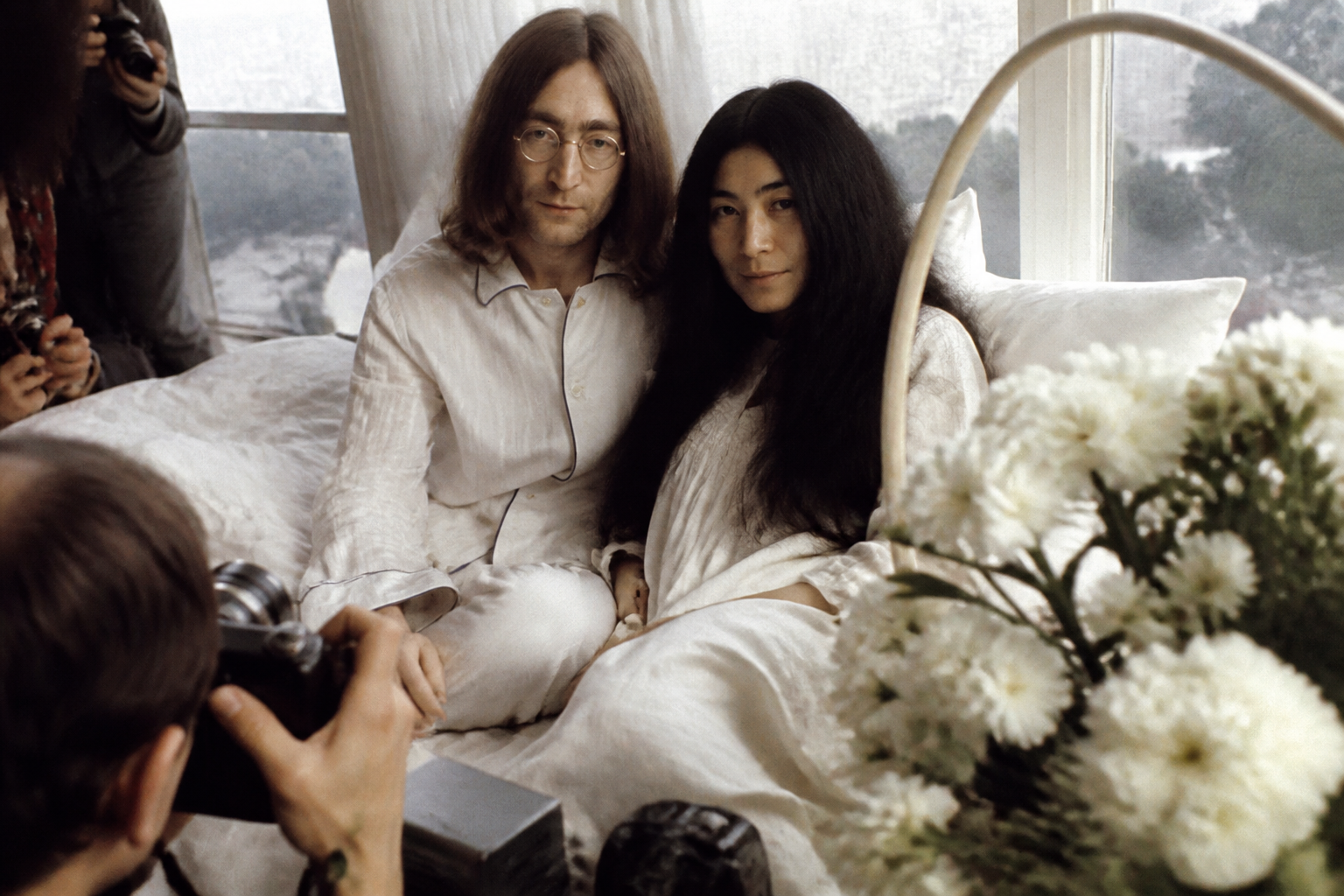
John Lennon is remembered not only as a musician but also as a public advocate for peace. His activism, especially in the late 1960s and early 1970s, made him one of the most visible artist-activists of his era. With Yoko Ono, whom he married in 1969, he used media attention in deliberately public ways to promote anti-war messages. Their “Bed-Ins for Peace” in Amsterdam and Montreal became iconic examples of performance-based activism, blending celebrity, protest, and media strategy.
Lennon’s political statements were sometimes idealistic, sometimes provocative, and often controversial. He spoke against war, supported peace movements, and expressed sympathy for broader social change. At the same time, his public life was complicated, and like many famous figures, he was not free from contradiction. That complexity matters. A historically accurate view of Lennon should acknowledge both the sincerity of his peace work and the tensions that came with being a globally famous activist.
His song “Give Peace a Chance,” recorded during the Montreal Bed-In, became an anthem associated with anti-war protest. The song’s simplicity is part of its power: it is easy to sing, easy to remember, and easy to adapt to public gatherings. That accessibility helped it move far beyond its original moment.
Lennon’s activism also influenced how later generations imagine the role of musicians in public life. He helped establish the idea that a pop star could be more than an entertainer; a musician could also be a cultural commentator, a symbol, and a participant in political debate. Even when people disagreed with his views, they were often engaging with the broader question of what artists owe the public.
Life with Yoko Ono and the New York years
John Lennon’s relationship with Yoko Ono is one of the most discussed partnerships in popular culture. Their marriage in 1969 marked a major turning point in his life and public image. Ono was already an established artist, and their relationship brought together music, conceptual art, and performance. Over time, they became inseparable in the public imagination, both admired and criticized as a couple who challenged conventional expectations.
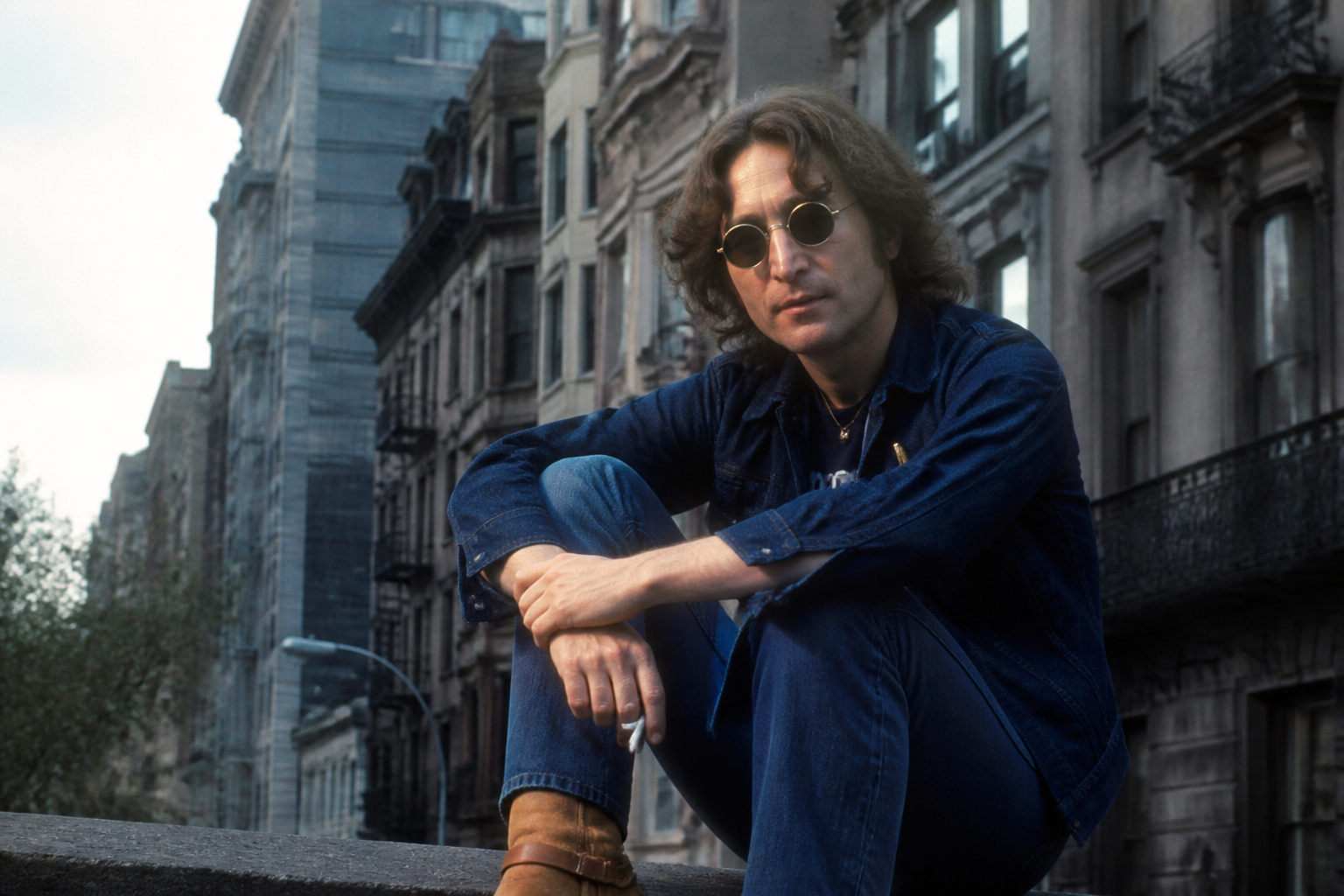
After the Beatles era, Lennon spent significant time in the United States, especially in New York City. The city became an important setting for his later life, offering both creative energy and a degree of personal freedom. His years there included artistic work, activism, and a period away from the constant pressure of Beatle-era fame. In the mid-1970s, he also took a break from the music industry, focusing on family life, especially after the birth of his son Sean in 1975. That quieter period is sometimes overlooked, but it was an important part of his story.
When Lennon returned to recording with Double Fantasy in 1980, the album reflected a mature, domestic phase of life. Some listeners were surprised by its gentler tone, but it showed an artist who had not stopped evolving. Songs such as “(Just Like) Starting Over” suggested renewal rather than nostalgia. The album’s release was followed by renewed attention to Lennon’s public presence, but his comeback was tragically short-lived.
On December 8, 1980, John Lennon was shot and killed outside The Dakota apartment building in New York City. His death shocked the world and produced an outpouring of grief across many countries. Because the event is so widely known, it can be easy to lose sight of the larger truth: Lennon’s death was not just the end of a famous life, but a profound cultural moment that made people reassess the meaning of his work, his activism, and his place in modern history.
The cultural legacy of John Lennon
John Lennon’s legacy is enormous, but it is best understood in layers. First, he was a key architect of The Beatles’ artistic transformation. Second, he was a solo artist whose best work still feels urgent and emotionally alive. Third, he became a symbol of peace, artistic honesty, and the possibility that popular music could carry serious cultural meaning.
His influence can be heard in generations of songwriters who value directness, self-examination, and sonic experimentation. His public image also helped shape the idea of the modern rock star as a figure who can be both vulnerable and outspoken. Whether people admire him for “Imagine,” “Strawberry Fields Forever,” “Working Class Hero,” or his Beatles catalog, they are often responding to the same core quality: Lennon made art that sounded personal while speaking to a wider world.
At the same time, a complete view of Lennon should remain honest and balanced. He was brilliant, influential, and often compassionate in his public ideals, but he was also human, complicated, and at times difficult. That tension does not weaken his importance. If anything, it makes him more historically interesting. Great cultural figures rarely fit neatly into simple categories, and Lennon is no exception.
For music fans, Lennon’s story is a reminder that songs can shape memory, politics, identity, and emotion all at once. For readers interested in cultural history, he represents a moment when popular music became a central force in public life. And for anyone searching for John Lennon today, his life still offers something rare: a mix of artistry, controversy, idealism, and enduring emotional power.
Why John Lennon still matters today
Decades after his death, John Lennon continues to attract attention because his work remains easy to revisit and hard to exhaust. His songs are still streamed, studied, covered, and debated. His image appears in documentaries, museum exhibits, books, and tributes. His words are quoted in conversations about peace, creativity, and celebrity culture. In that sense, Lennon is not only a figure from the past; he is part of an ongoing cultural conversation.
People often return to Lennon when they want to understand how a musician can become more than a musician. He was a songwriter, yes, but also a public thinker, a celebrity, a husband, a father, and a symbol. Those roles sometimes sat uneasily together, and that is part of what makes him memorable. His life was not a neat story; it was a vivid one.
If you are revisiting Lennon’s catalog, a useful path is to move across eras: start with early Beatles songs, then explore the more adventurous middle period, then compare the raw intensity of John Lennon/Plastic Ono Band with the openness of Imagine and the maturity of Double Fantasy. That progression reveals an artist who kept changing, even when the world tried to freeze him in one image.
Ultimately, John Lennon’s enduring power comes from the combination of music and meaning. He wrote songs that people can sing together, but he also asked listeners to think about peace, identity, loss, and the shape of the world. That is a rare achievement, and it helps explain why his name still matters in music history, cultural memory, and everyday conversation.
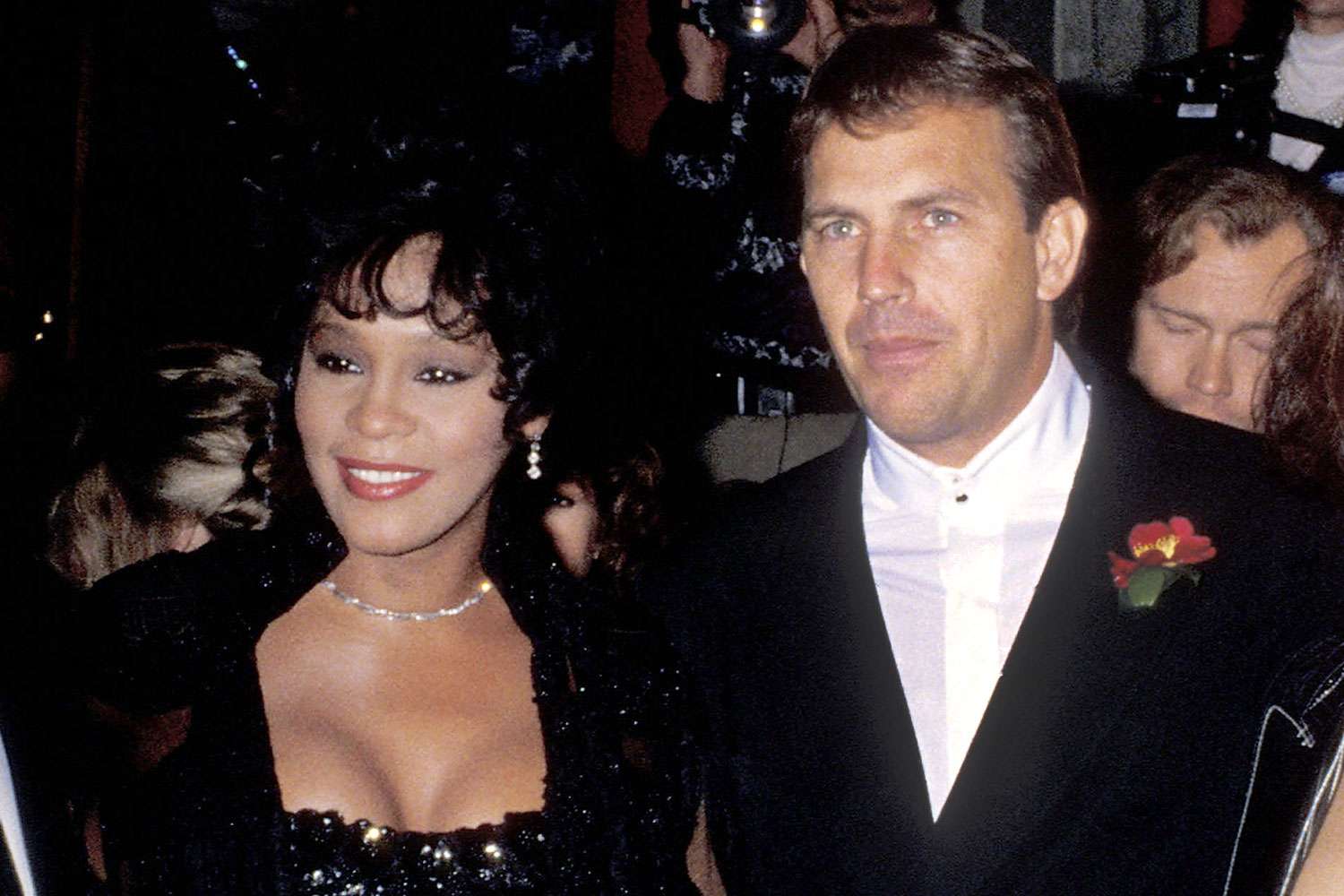
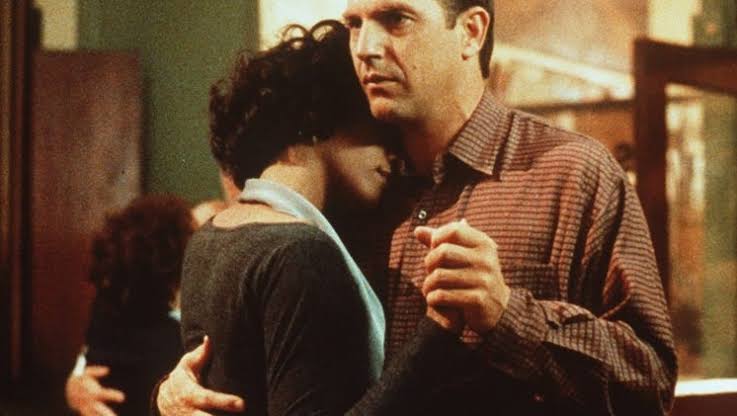
Why Kevin Costner Hesitated to Speak at Whitney Houston’s Funeral
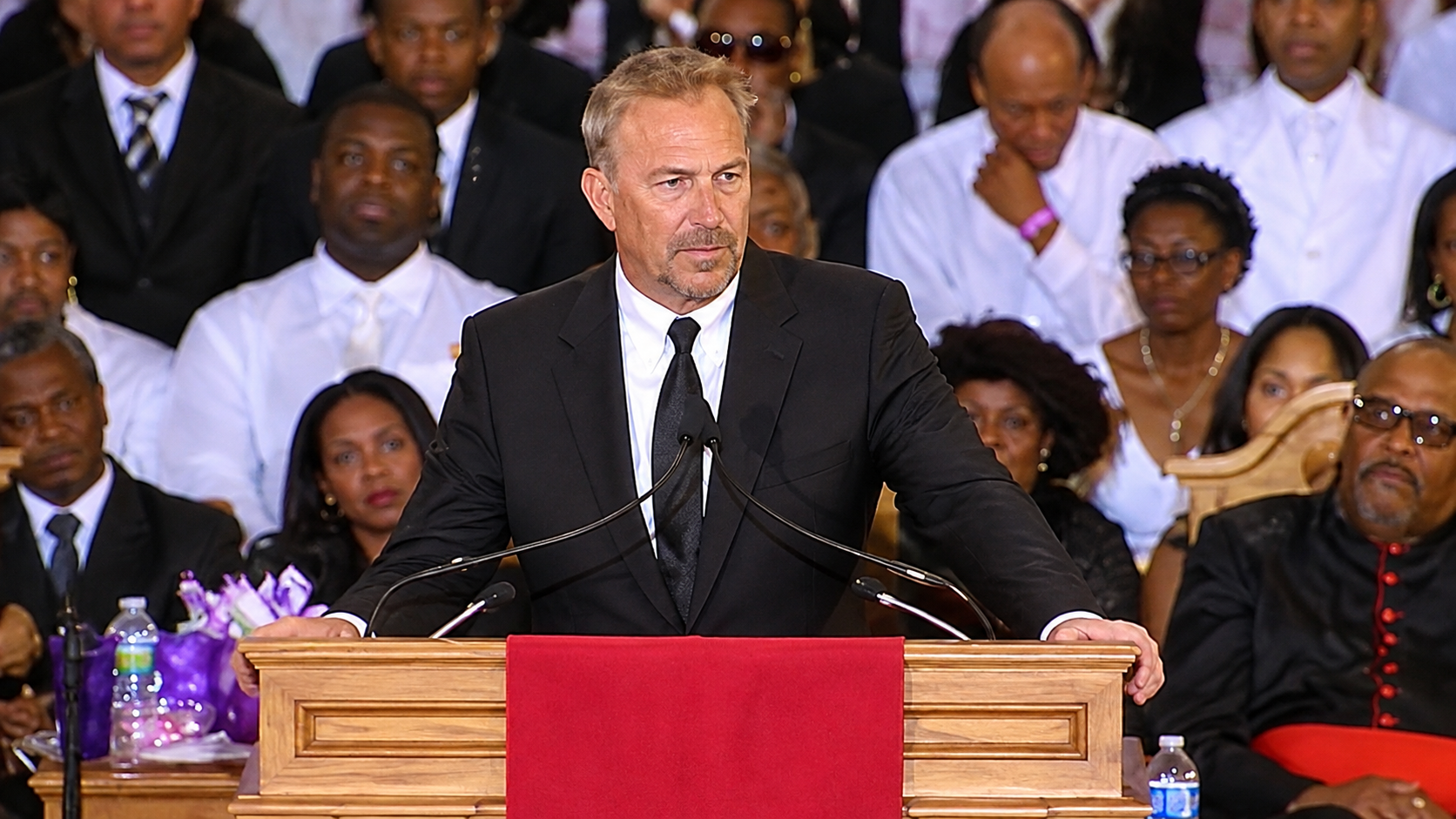
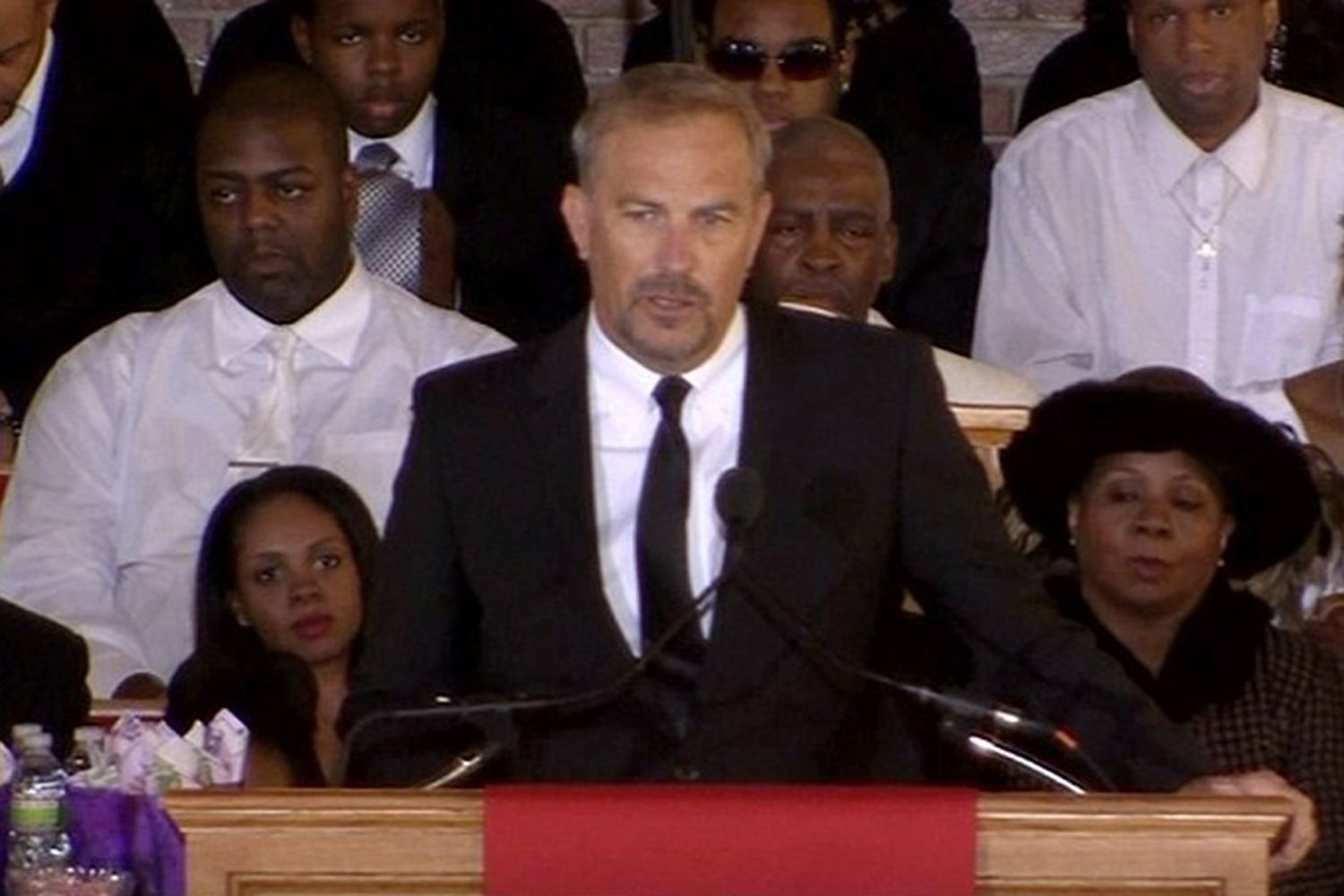
Whitney Houston’s Funeral brought together family, friends, and music legends to remember one of the greatest voices of her generation. Among those asked to speak was Kevin Costner, her co-star in The Bodyguard and a longtime friend. Yet, despite their meaningful connection, Costner initially questioned whether he was the right person to deliver a tribute. A heartfelt phone call from Dionne Warwick ultimately changed his mind, leading to one of the most memorable moments of the service.
Comments 0