Whitney Houston’s Funeral brought together family, friends, and music legends to remember one of the greatest voices of her generation. Among those asked to speak was Kevin Costner, her co-star in The Bodyguard and a longtime friend. Yet, despite their meaningful connection, Costner initially questioned whether he was the right person to deliver a tribute. A heartfelt phone call from Dionne Warwick ultimately changed his mind, leading to one of the most memorable moments of the service.
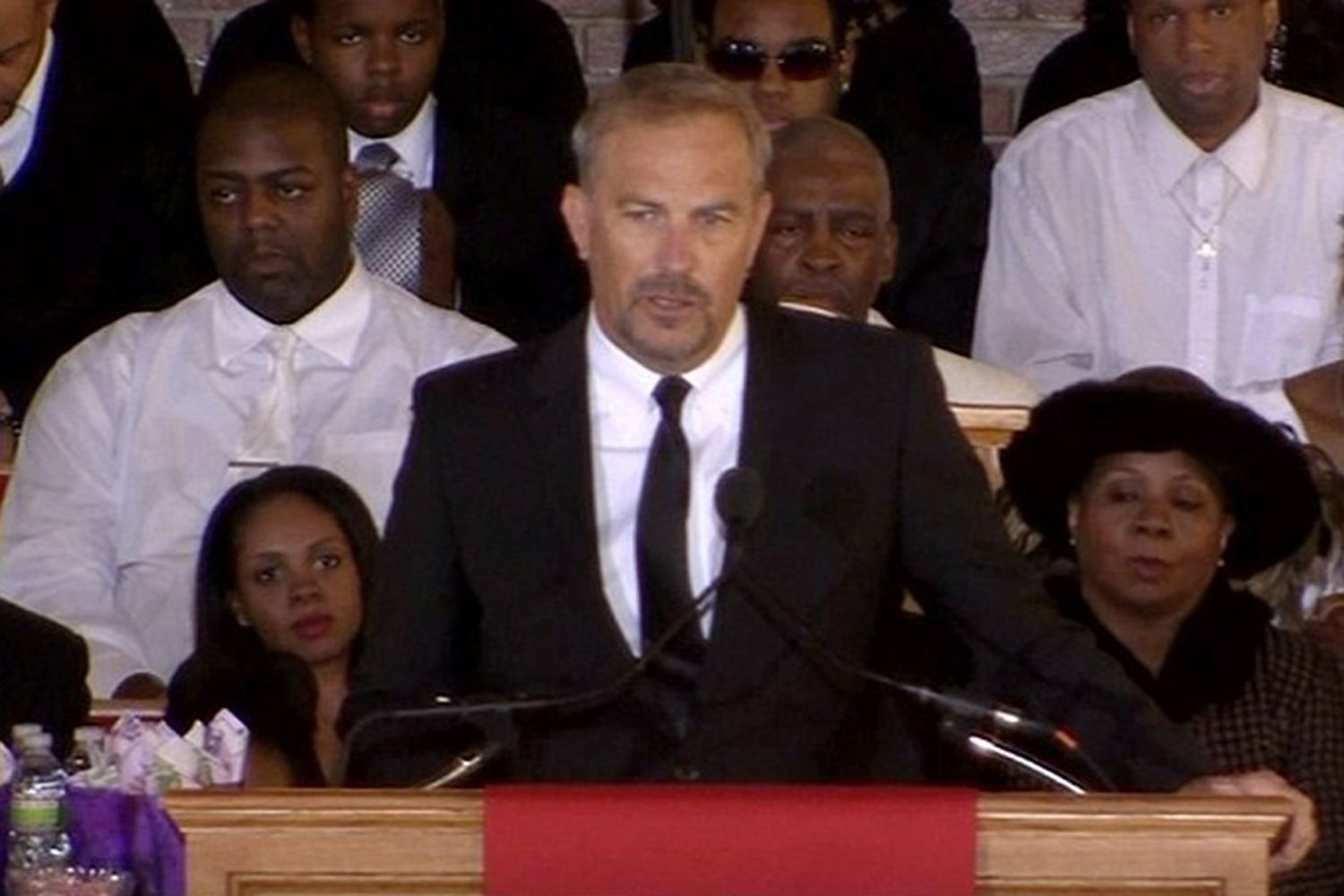
Why Kevin Costner Was Reluctant to Speak
When Whitney Houston died on February 11, 2012, the world struggled to understand the loss of a voice that had defined an era. Her death at just 48 years old left family, friends, and millions of fans searching for words to express their grief.
For Kevin Costner, the loss was deeply personal. The two had starred together in the 1992 film The Bodyguard, where their on-screen partnership became part of pop culture history. But Costner’s connection to Houston extended beyond their famous movie. He had supported her casting in the film and remained a friend long after production ended.
Even so, he did not immediately feel comfortable speaking publicly about her death. Costner later explained that he had turned down requests to discuss Houston in interviews and on television. He did not want to reduce his feelings to a brief sound bite, especially when he was still trying to process the loss himself.
In an interview with ABC News, Costner recalled the question that troubled him after he agreed to speak: why was he the person standing up to remember her? With so many people who had known Houston throughout her life and career, he wondered whether someone else might be better suited to the task.
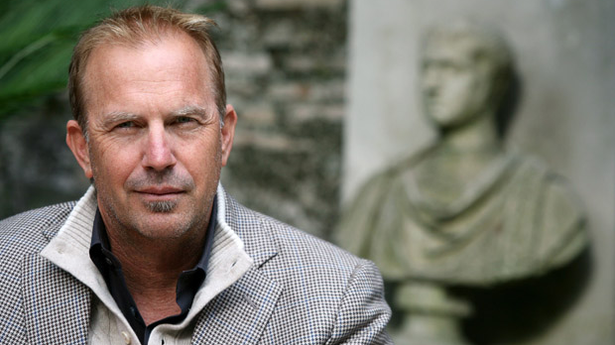
The Phone Call From Dionne Warwick That Changed His Mind
The turning point came when Dionne Warwick called and asked Costner to speak at Whitney Houston’s Funeral. Warwick, Houston’s cousin and fellow singer, was grieving too. Costner said he could hear how devastated she was, and her request made the decision feel less like a public obligation and more like a personal responsibility.
In his conversation with ABC News, Costner recalled that he could sense how broken and exhausted Warwick was. He agreed to speak, then immediately wondered what he had committed himself to doing. The moment mattered to so many people, and he knew that whatever he said would carry enormous emotional weight.
Still, he chose to honor her request. Rather than appearing on a television program or offering a short statement to the press, he would speak at the church where Houston’s musical journey had begun. The decision gave him a chance to remember his friend in a place deeply connected to her life.
Standing Before a Church Full of Grief
On February 18, 2012, mourners gathered at New Hope Baptist Church in Newark, New Jersey, for Houston’s memorial service. The church had been an important part of her childhood, and the service brought her story back to its beginnings.
Costner later described the atmosphere as electric. Yet standing among the mourners and seeing familiar faces, including Oprah Winfrey and Diane Sawyer, did not make him feel more qualified. If anything, he became more aware of how difficult the moment would be. He even found himself wishing that someone else could deliver his prepared remarks.
But he went to the podium and began to speak.
His eulogy lasted approximately 17 minutes. In later interviews, Costner explained that he had spent considerable time preparing, writing down the memories and thoughts he did not want to leave out. When he was told that CNN was broadcasting the service and that shorter remarks would help accommodate commercial breaks, he refused to cut his tribute simply to fit the schedule.
His response reflected how seriously he took the responsibility. He had agreed to speak because he believed Houston deserved a sincere remembrance, not a hurried farewell.
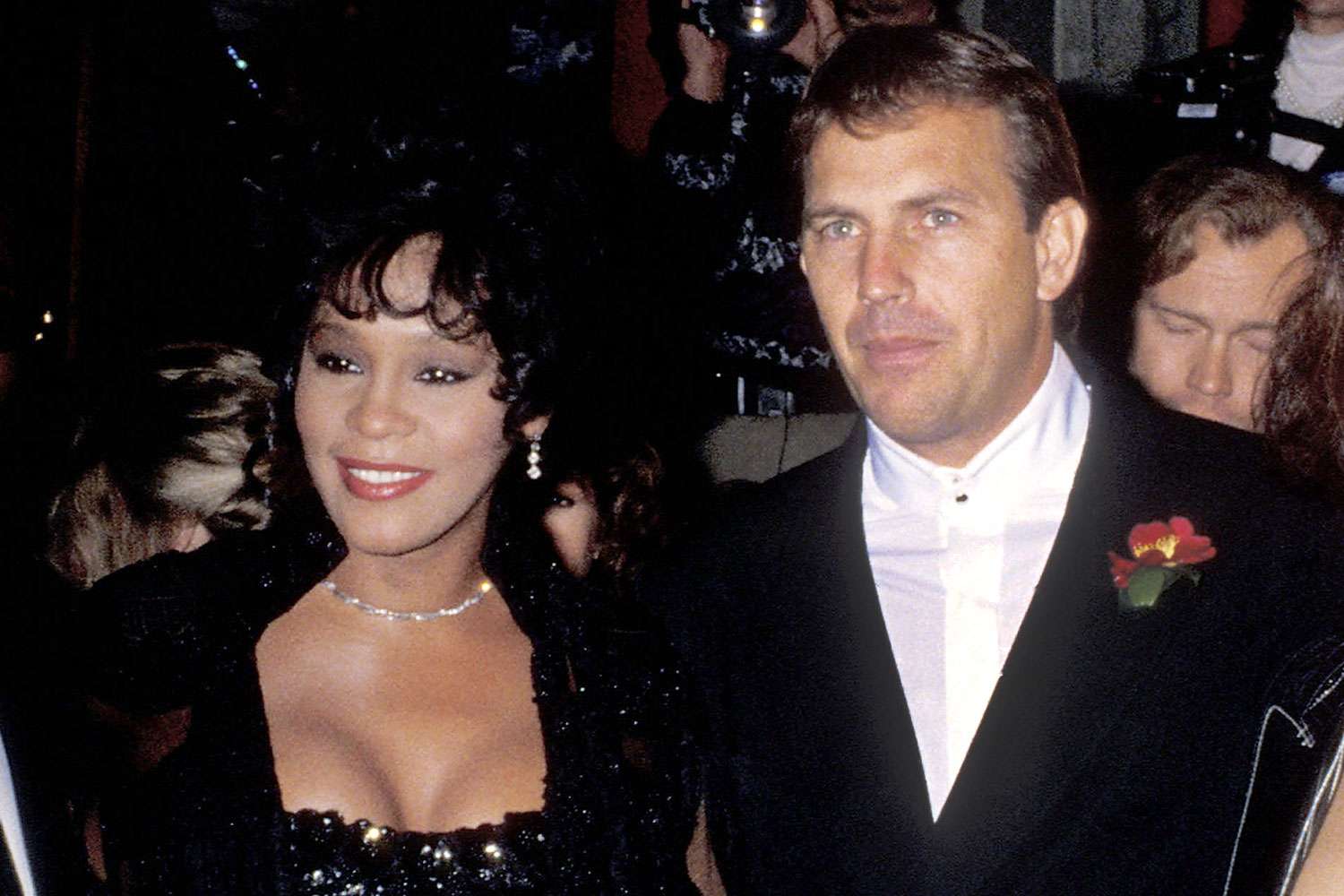
The Words That Revealed a Different Side of Whitney
One of the most moving parts of Costner’s eulogy was his recollection of Houston’s doubts about herself. Although the public saw a superstar with extraordinary talent, Costner remembered someone who could still wonder whether she was good enough or whether people would accept her.
He had witnessed that uncertainty when they worked together on The Bodyguard. Costner had fought for Houston to play the lead, even though it was her first major acting role. He believed she was the right person for the part and stood behind that decision when others questioned it.
At the funeral, he reminded mourners that her greatness did not mean she had never struggled with insecurity. He spoke directly to that tension between the confidence the world expected from Houston and the vulnerability she sometimes felt privately.
His words became especially memorable when he told her, “You weren’t just good enough, you were great.” The message was simple, but it carried the weight of their shared history. He was not only praising her voice or her fame. He was affirming the person he had believed in years before The Bodyguard became a worldwide success.
Why His Eulogy Still Resonates Today
Costner’s tribute remains memorable because it did not attempt to explain every part of Houston’s life. Instead, it offered a personal perspective on the woman behind the global fame. He remembered their shared experiences, defended the talent he had recognized in her, and urged mourners to remember what made her extraordinary.
At the close of the speech, he returned to the power of her voice and her faith, imagining her singing before God without fear that she would fall short. It was an emotional farewell that connected the singer’s extraordinary gift with the insecurities she had sometimes carried.
Years later, Costner revisited the experience and explained why he had initially resisted speaking. His hesitation was not evidence that he cared less. It reflected how difficult it was to find words worthy of the moment and how uncomfortable he felt speaking for someone whose life had touched so many people.
Ultimately, Dionne Warwick’s call gave him the reason to step forward. And once he did, he delivered a tribute that reminded the world that Whitney Houston was more than a legendary performer. She was also a friend, a woman of faith, and a person whose talent deserved to be remembered alongside her humanity.
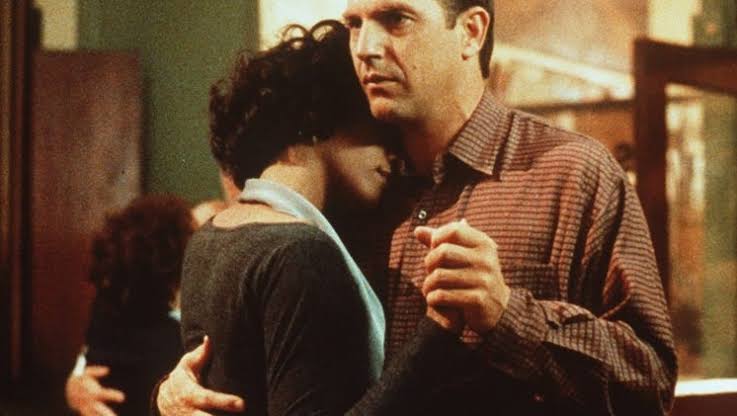
Whitney Houston’s Funeral: A Goodbye That Still Matters
Whitney Houston’s Funeral was a farewell to a singer whose voice shaped generations, but Kevin Costner’s eulogy made it deeply personal. He had questioned whether he was the right person to speak, yet his memories offered something a grand celebration of her achievements could not: a glimpse of the friendship, doubts, and quiet courage behind the legend.
His decision to speak was ultimately an act of remembrance. He did not need to tell the whole world who Whitney Houston was. He simply shared what he knew of her, and why he believed she was great.
That may be why his words continue to move people today. Even after the applause fades and the songs become part of music history, the memory of a friend standing up to say goodbye reminds us that behind every icon is a human life worth remembering.
Cynthia Lennon’s Final Days and Julian’s Last Goodbye
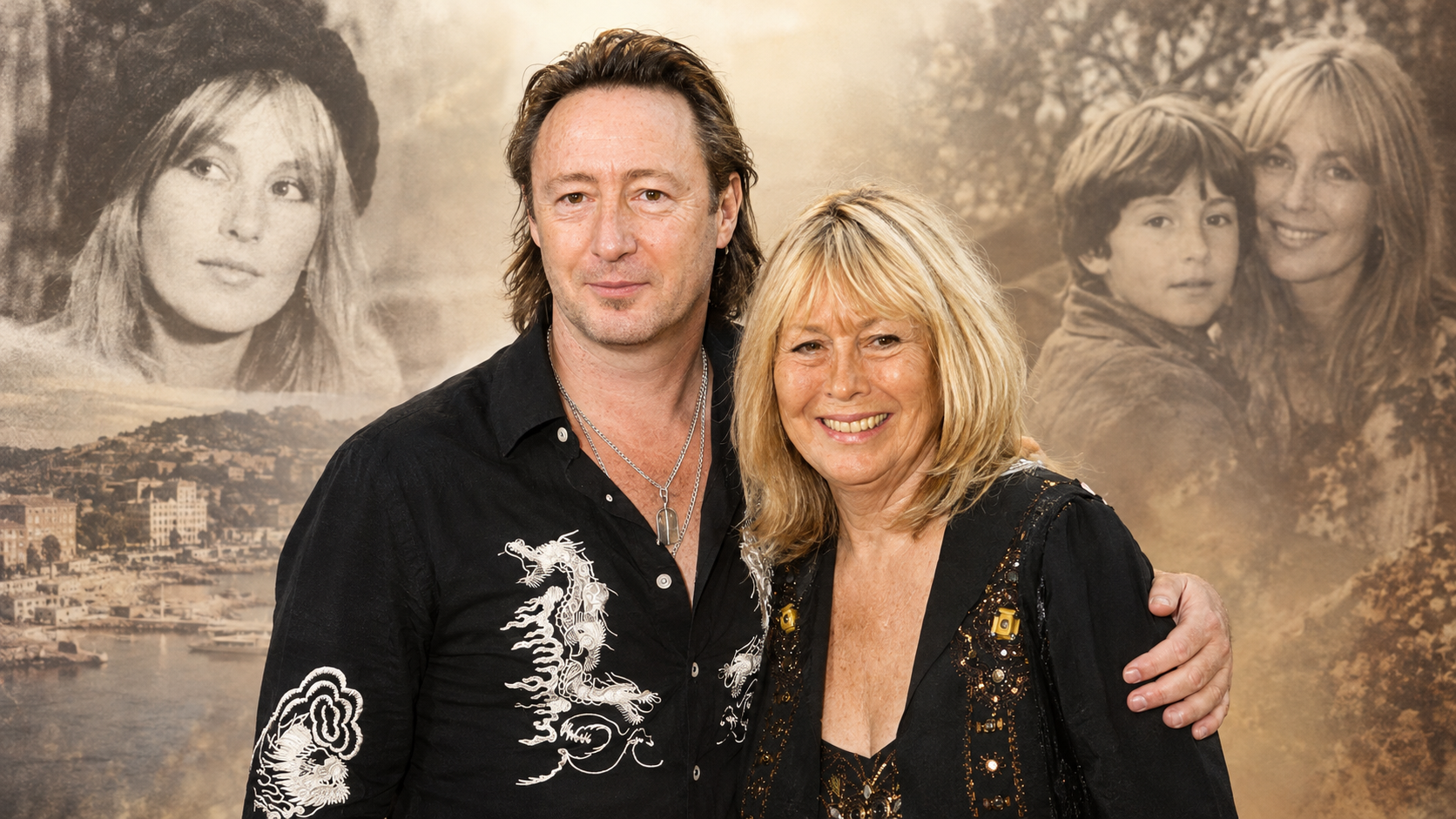
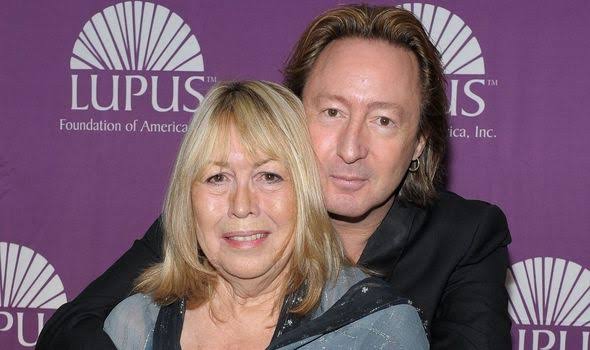
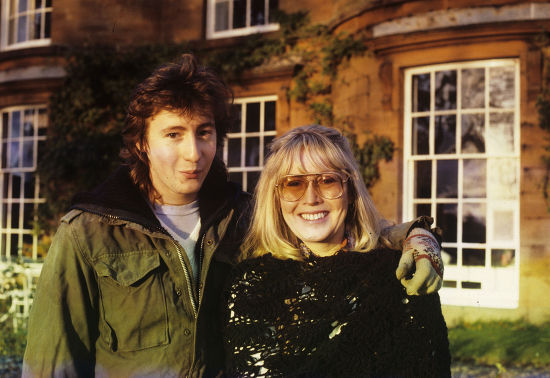
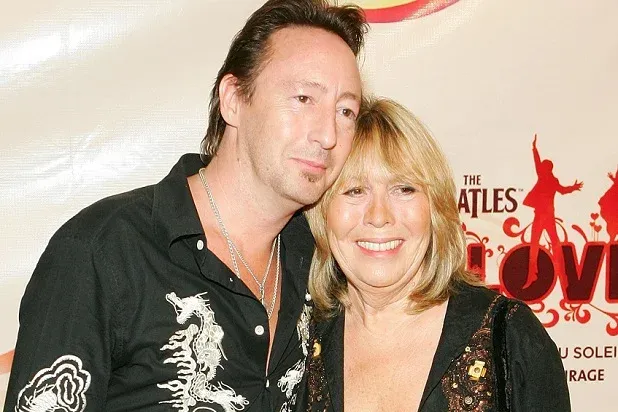
Cynthia Lennon’s Final Days were marked by a deeply personal farewell far removed from the worldwide fame that had surrounded her family for decades. On April 1, 2015, Cynthia died at her home in Mallorca, Spain, at the age of 75, following a short battle with cancer. Her son, Julian Lennon, was by her side, and the tribute he shared afterward transformed his grief into a moving musical remembrance of the woman who had shaped his life. Behind the famous Lennon name was a mother and son whose bond deserved to be remembered in its own right.
Comments 0