Kid Rock has never been a stranger to controversy. But after his recent halftime show appearance at a Turning Point USA event, the outspoken musician once again found himself at the center of a national conversation—one that extends far beyond music.
Following intense online reaction and media coverage, Kid Rock publicly addressed the performance, offering clarity on his intentions and reinforcing his long-held stance on politics, culture, and free expression. The moment has since ignited renewed debate over the role of celebrities in political spaces and the increasingly blurred line between entertainment and ideology.
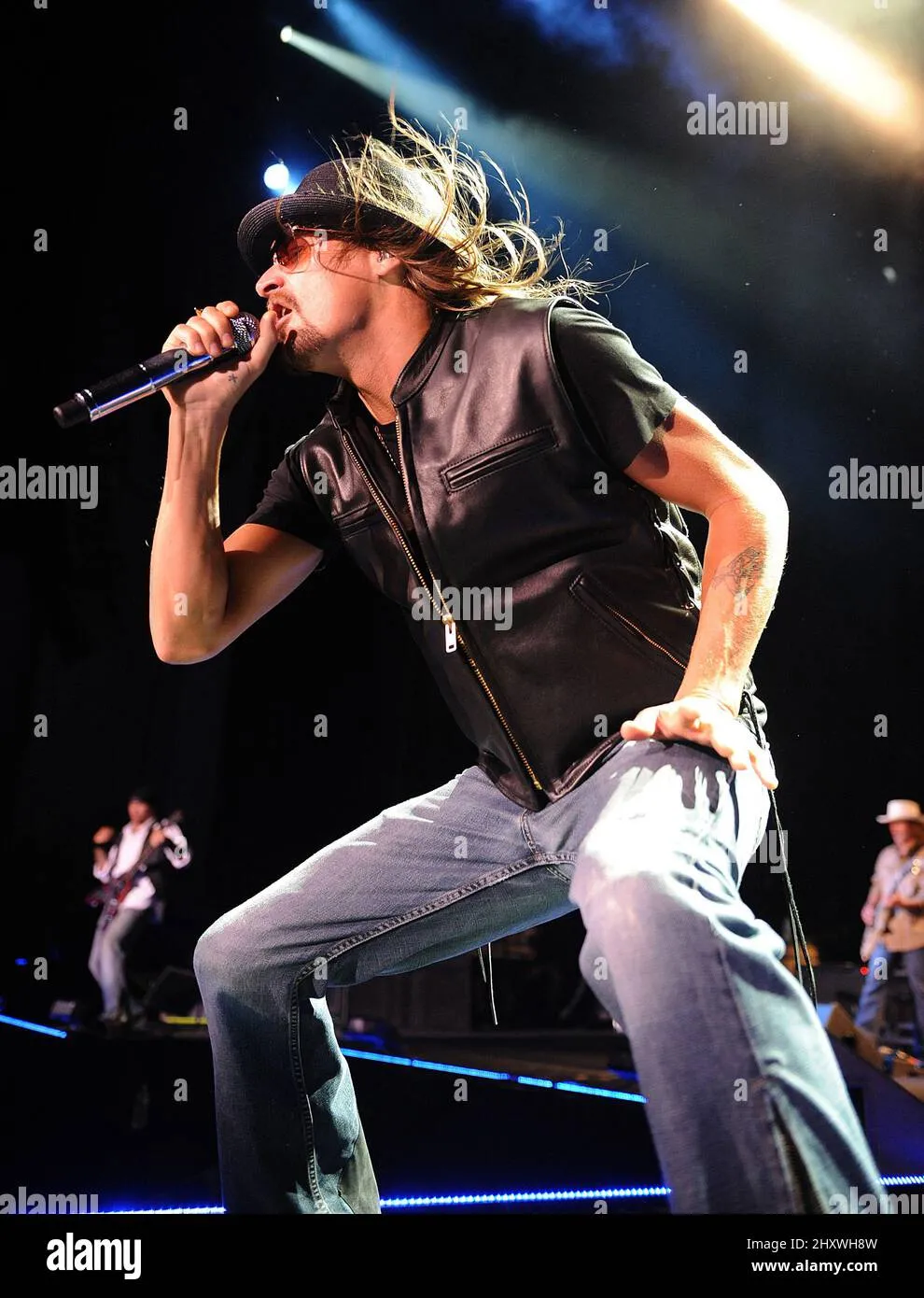
A Halftime Show That Went Far Beyond Music
The performance took place during a high-profile Turning Point USA event, an organization known for its conservative activism and youth-focused political outreach. While halftime shows are typically associated with sports and entertainment, this one carried unmistakable political weight.
Kid Rock’s appearance was seen by supporters as a natural fit—an artist whose public persona aligns with themes of individualism, patriotism, and cultural defiance. Critics, however, viewed the performance as another example of celebrities amplifying partisan messages under the banner of entertainment.
Within hours, clips of the show circulated widely on social media, sparking polarized reactions.
Kid Rock Responds: “I Know Who I Am”
In response to the growing attention, Kid Rock addressed the situation directly. Rather than walking back the performance, he leaned into it, framing his decision as consistent with his decades-long identity.
His message was clear:
-
He does not perform to please everyone
-
He rejects the idea that artists must remain politically neutral
-
He believes in speaking directly to audiences who share his values
For long-time fans, the response was unsurprising. Kid Rock has built his brand on unapologetic authenticity, even when it comes at the cost of mainstream approval.
Why This Moment Resonated Nationwide
This wasn’t just about a halftime show. It touched a nerve in a country already deeply divided over politics, culture, and media influence.
Several factors amplified the reaction:
-
The setting: Turning Point USA is a lightning rod organization
-
The timing: An election-heavy political climate
-
The messenger: A celebrity with a long, polarizing history
Together, they created a moment that felt symbolic of broader cultural tensions in the United States.

Music and Politics: An Uneasy Marriage
Artists have always intersected with politics—from protest songs of the 1960s to modern benefit concerts and campaign appearances. What’s changed is the speed and scale of reaction.
Today:
-
Performances are clipped, shared, and reframed instantly
-
Artists face immediate backlash or praise
-
Neutrality is often interpreted as complicity
Kid Rock’s decision to embrace the controversy rather than soften his stance reflects a broader shift among some entertainers who see polarization as unavoidable.

Supporters Applaud the “No Apologies” Approach
Fans and supporters praised Kid Rock for what they see as consistency and courage.
Common themes among supportive reactions included:
-
Admiration for refusing to “play both sides”
-
Appreciation for artists who speak plainly
-
Frustration with what they view as cultural double standards
To them, Kid Rock represents resistance to what they consider elite or media-driven narratives.
Critics Push Back Hard
On the other side, critics argued that the performance:
-
Normalized partisan politics in entertainment spaces
-
Alienated fans who once connected with the music, not the message
-
Reinforced divisions rather than fostering dialogue
Some questioned whether celebrities wield too much influence in shaping political opinion—especially among younger audiences.
Turning Point USA and the Power of Pop Culture
For Turning Point USA, the halftime show achieved something crucial: attention.
High-profile performers:
-
Increase event visibility
-
Drive online engagement
-
Attract younger demographics
Whether praised or criticized, the performance ensured the event dominated headlines—an outcome many political organizations aim for.
Kid Rock’s Career: Controversy as a Constant Companion
This isn’t the first time Kid Rock has faced backlash—and it likely won’t be the last.
Throughout his career, he has:
-
Challenged industry norms
-
Shifted musically across genres
-
Publicly criticized media and political figures
Rather than damaging his brand, controversy has often reinforced it, keeping him relevant in an era where attention is currency.

What This Means for Celebrity Culture Moving Forward
The halftime show moment highlights a larger trend:
Celebrities are no longer expected to stay in one lane.
Audiences now anticipate that public figures will:
-
Take clear stances
-
Accept consequences
-
Engage directly with supporters and critics
For artists like Kid Rock, this environment rewards conviction over caution.
The Bigger Picture: Expression vs. Expectation
At its core, the debate raises enduring questions:
-
Should entertainers separate art from politics?
-
Do public platforms come with social responsibility?
-
Who decides what is “appropriate” expression?
Kid Rock’s response suggests his answer is simple: artists owe honesty, not neutrality.
Final Thoughts
Kid Rock’s response to his Turning Point USA halftime show didn’t calm the conversation—it intensified it. And that may have been the point.
In a media landscape driven by clicks, outrage, and identity, moments like this reveal just how powerful—and polarizing—celebrity voices can be. Whether viewed as principled or provocative, Kid Rock remains firmly in control of his narrative.
And in today’s America, that alone is enough to keep the spotlight burning.
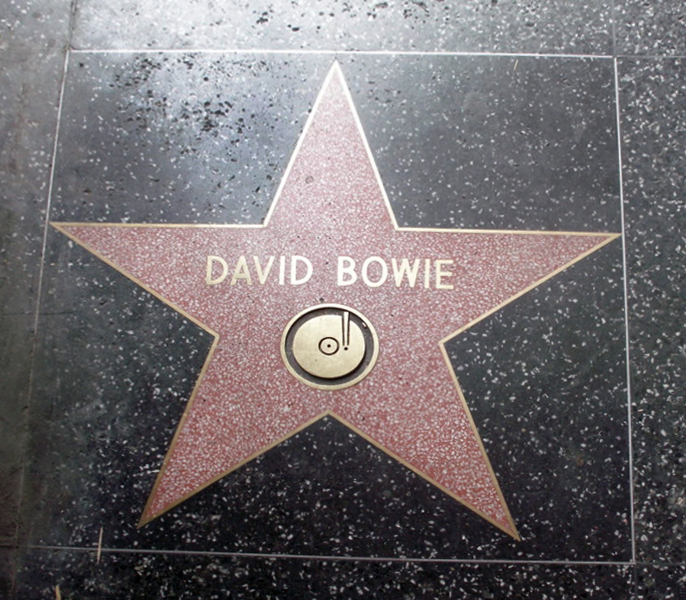
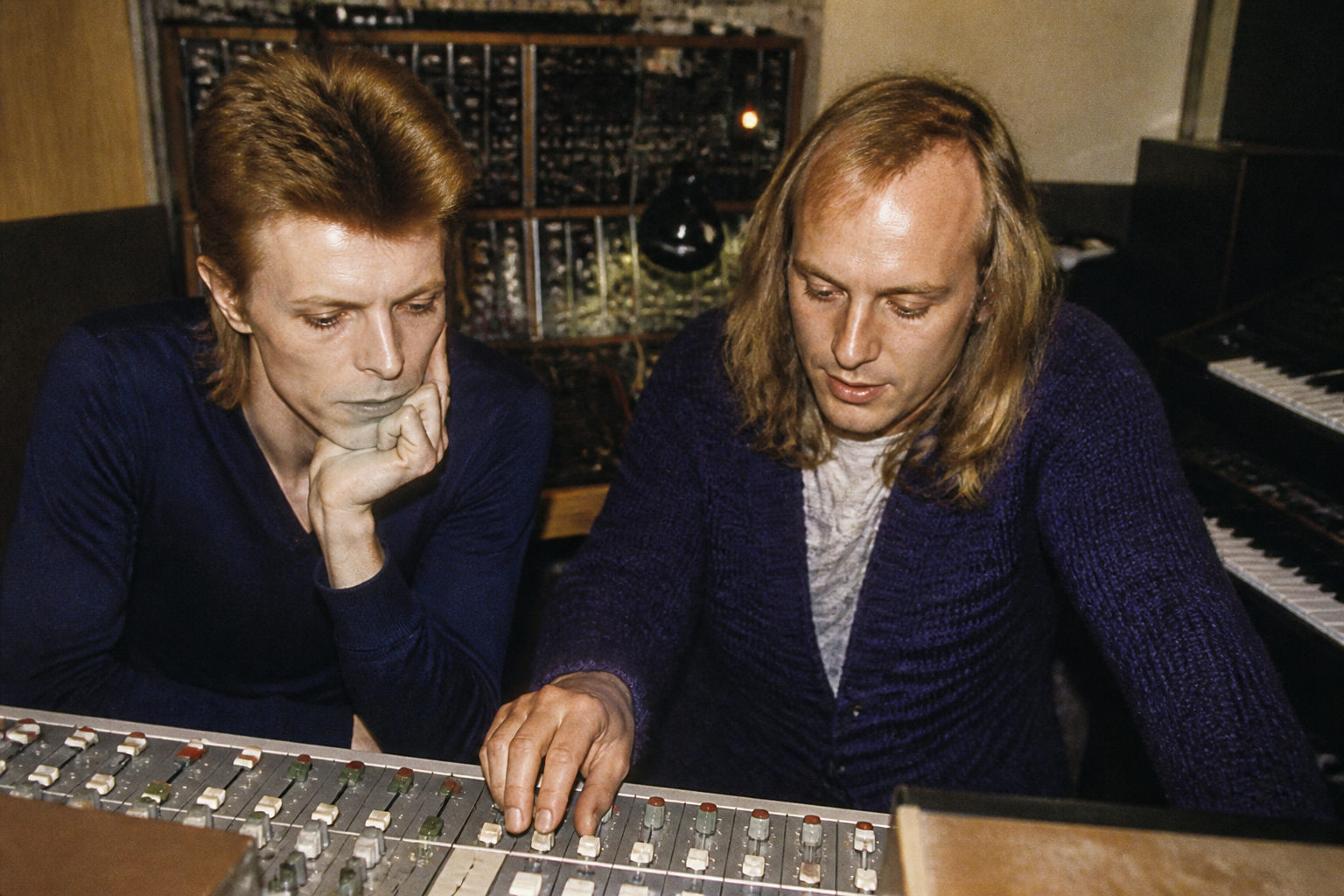
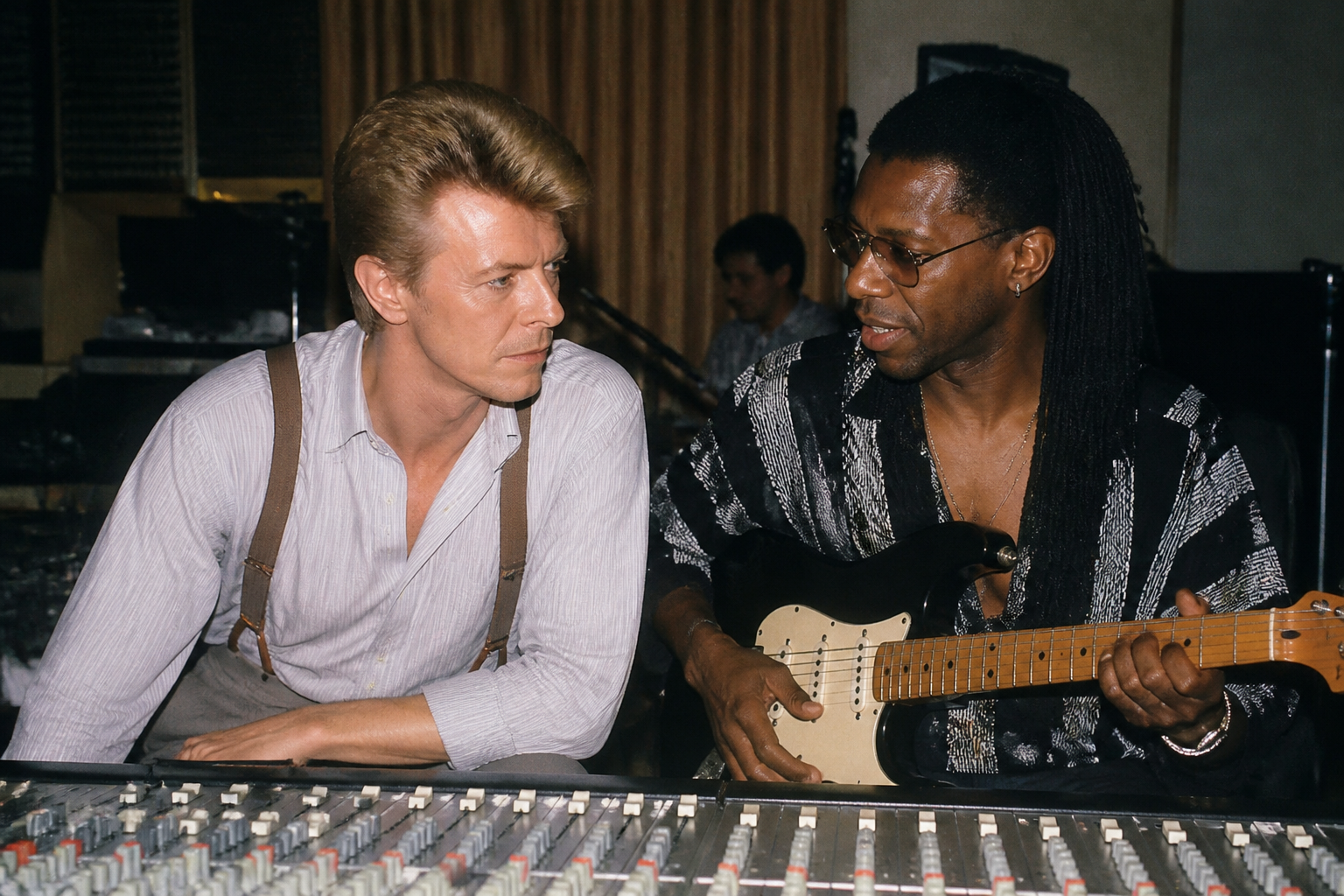
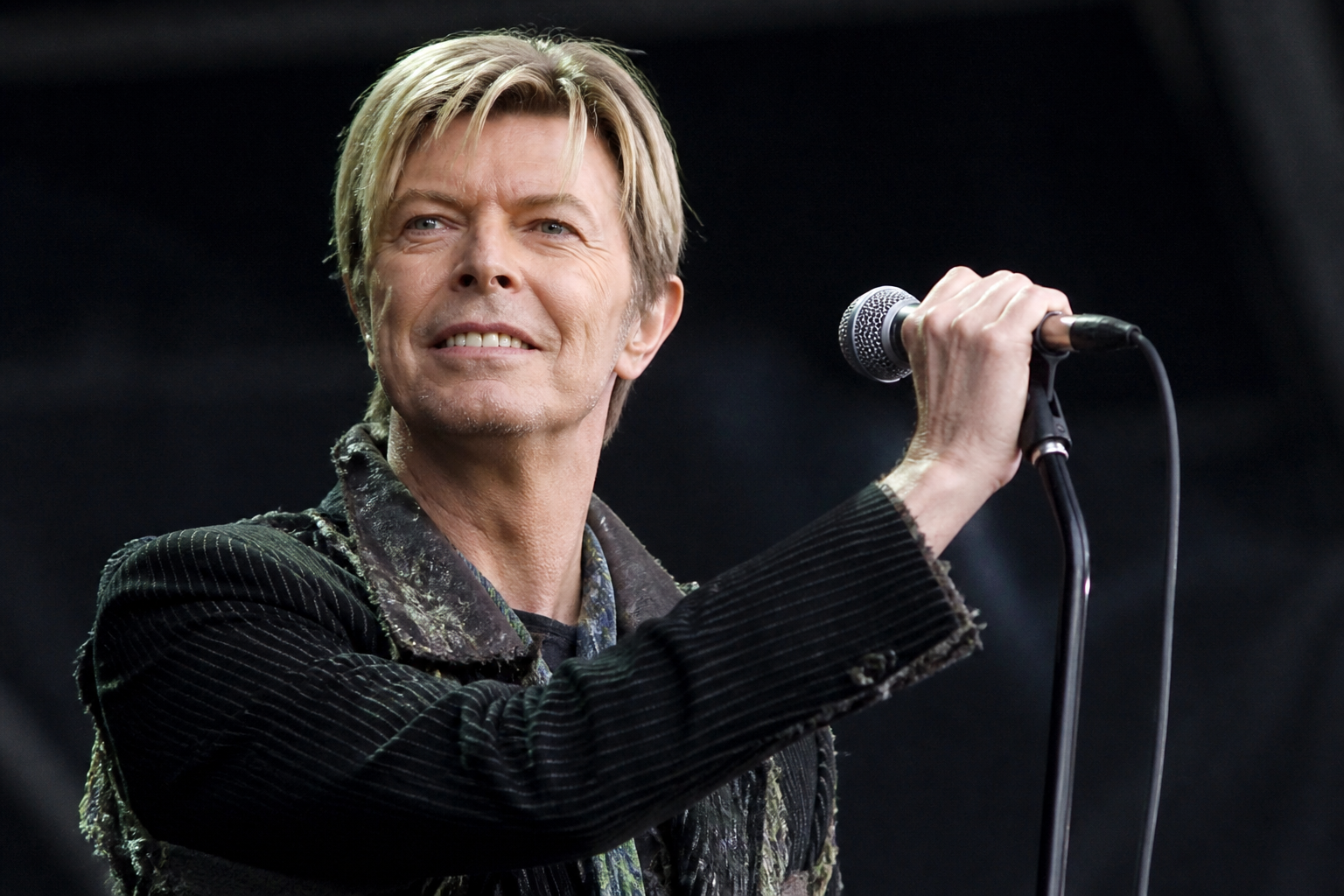
How David Bowie Reinvented Himself and Changed Music Forever
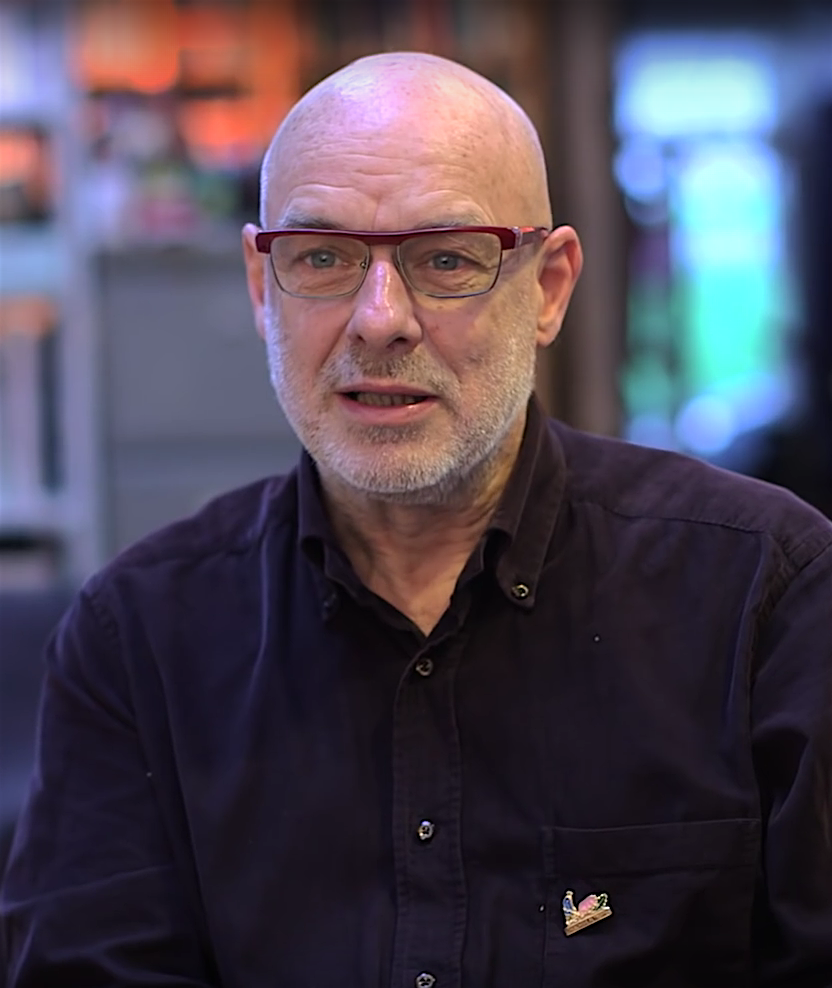
David Bowie made reinvention part of his artistic identity, and popular music has never quite looked the same. Across five decades, he treated image, sound, and performance as connected pieces of one creative vision. That approach made him one of the clearest examples of how a single artist could reshape an era without staying in one place for long.
Comments 0