What Defines Europe’s New Unicorn Class in 2026
Unlike the growth-at-all-costs unicorns of the late 2010s, today’s European unicorns share a more grounded DNA.
Common Traits Among 2026 Unicorns
-
Strong enterprise or B2B focus
-
Clear paths to profitability
-
Revenue-driven valuations
-
Global ambitions from day one
-
Heavy use of AI and automation
This new class reflects lessons learned from the downturn. Founders are building companies designed to last—not just scale.
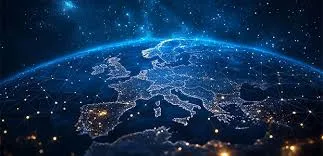
AI Leads the Charge Across the Continent
Artificial intelligence is the single most dominant theme among Europe’s new unicorns.
Rather than consumer chatbots or flashy demos, European AI startups are focused on:
-
Enterprise automation
-
Industrial optimization
-
Healthcare diagnostics
-
Financial risk modeling
Many of these companies quietly embedded AI into existing workflows, helping businesses reduce costs, improve accuracy, and scale operations.
Why Europe Excels in Enterprise AI
-
Strong academic research pipelines
-
Deep industrial and manufacturing base
-
Early regulatory awareness around AI governance
As U.S. AI startups chase scale, Europe’s unicorns are winning trust.

Fintech Isn’t Dead—It’s Just More Mature
Despite predictions of a fintech slowdown, several new European unicorns in 2026 come from the financial technology sector.
The difference? These are not flashy neobanks burning cash. They’re infrastructure players solving hard problems such as:
-
Cross-border payments
-
Embedded finance for enterprises
-
Compliance automation
-
Fraud prevention and identity
Many fintech unicorns now sell directly to banks, governments, and large enterprises—steady customers with long-term contracts.
Climate Tech Moves From Vision to Scale
Climate tech is no longer niche in Europe—it’s mainstream.
Several 2026 unicorns operate in areas like:
-
Grid optimization and energy storage
-
Carbon accounting for enterprises
-
Industrial decarbonization
-
Sustainable materials
Europe’s regulatory environment, once seen as restrictive, is now an advantage. Policies pushing emissions reductions have created massive demand for scalable climate solutions.
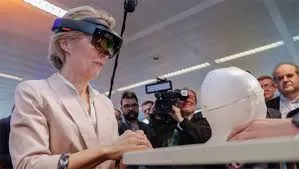
Health Tech and Bio-Software Step Into the Spotlight
Healthcare innovation has quietly become one of Europe’s strongest unicorn-producing sectors.
Rather than consumer wellness apps, these startups focus on:
-
AI-powered diagnostics
-
Hospital workflow automation
-
Drug discovery platforms
-
Medical data infrastructure
By targeting hospitals, research institutions, and pharmaceutical companies, health tech unicorns benefit from:
-
High switching costs
-
Long-term contracts
-
Mission-critical use cases
Where These Unicorns Are Coming From
While London, Paris, Berlin, and Stockholm remain powerhouses, 2026’s unicorn list shows broader geographic diversity.
Emerging Hotspots
-
Southern Europe (Spain, Italy, Portugal)
-
Central and Eastern Europe
-
Nordic countries beyond Sweden
Remote work, pan-European funding, and global-first strategies have weakened the old “location advantage.” Talent matters more than geography.

How Venture Capital Is Fueling the Comeback
European venture capital hasn’t returned to its 2021 peak—but it has become smarter.
Investors now prioritize:
-
Unit economics
-
Sustainable growth
-
Founder discipline
-
Real customer demand
Late-stage rounds are fewer but more meaningful. When startups hit unicorn valuations in 2026, they usually earn them.
Enterprise Software: Europe’s Quiet Superpower
SaaS and enterprise platforms remain Europe’s most reliable unicorn factory.
These companies often:
-
Start with a narrow vertical
-
Solve a painful operational problem
-
Expand internationally after product-market fit
Because many European founders come from corporate or industrial backgrounds, they deeply understand enterprise pain points.
Why These Unicorns Look Different From the Past
The new European unicorns are:
-
Less hype-driven
-
More operationally mature
-
Built for longevity
They grow slower—but stronger.
In many cases, these startups avoided the boom-and-bust cycle entirely, raising capital carefully and scaling only when demand justified it.
Challenges Still Ahead
Even in 2026, European unicorns face obstacles:
-
Fragmented markets
-
Regulatory complexity across borders
-
Talent competition with U.S. tech giants
However, the latest unicorns appear better equipped to navigate these issues than previous generations.
What This Means for Europe’s Tech Future
Europe’s 2026 unicorns signal a maturing ecosystem.
The continent is no longer chasing Silicon Valley’s playbook. Instead, it’s defining its own:
-
Enterprise-first
-
Regulation-aware
-
Globally scalable
This model may produce fewer unicorns—but stronger ones.
Why Global Investors Are Paying Attention Again
International investors are returning to Europe not because it’s trendy—but because it’s resilient.
European startups now offer:
-
Lower valuations than U.S. peers
-
Comparable technical talent
-
Greater capital efficiency
In a world prioritizing stability, that combination is powerful.
Final Thoughts: A New Chapter for European Innovation
The new European unicorns of 2026 represent more than billion-dollar valuations. They embody a shift in mindset.
This is an ecosystem that has learned from volatility, embraced discipline, and doubled down on real-world impact. From AI to climate tech to enterprise software, Europe’s startups are no longer just catching up—they’re leading in their own way.
If the past decade was about proving Europe could build unicorns, 2026 is about proving those unicorns can last.
A Big Shift on Wall Street? The SEC Is Considering Ending Quarterly Earnings Reports

A Big Shift on Wall Street? The SEC Is Considering Ending Quarterly Earnings Reports
For decades, quarterly earnings reports have been a cornerstone of the American financial system.
Every three months, publicly traded companies release detailed financial statements that give investors insight into performance, growth, and future expectations.




Comments 0