Meta Announces Mass Layoffs Amid Strategic Shifts
Meta Platforms, the parent company of Facebook, Instagram, WhatsApp and other major social applications, has announced a new round of layoffs as it restructures its workforce to better align with the company’s evolving goals. The move comes after a period of rapid growth and hiring in artificial intelligence and other high-priority technology areas, followed by renewed emphasis on efficiency and long-term profitability.
According to the company’s announcement, Meta will reduce its workforce by eliminating positions in certain departments while continuing to invest in strategic capabilities such as machine learning and AI infrastructure. The company characterizes this as part of a deliberate shift toward focusing resources on growth areas that will shape its future.
A History of Expansion and Contraction
Over the past few years, Meta has undergone significant workforce fluctuations. During the early pandemic years, the company expanded rapidly, hiring tens of thousands of employees to support growth across its core platforms and new technologies. However, changing economic conditions and shifts in digital advertising revenue led to major workforce reductions.
The most notable of these was a historic layoff in late 2022, when Meta eliminated more than 11,000 jobs, amounting to roughly 13 percent of its global workforce. At the time, CEO Mark Zuckerberg described the cuts as some of the “most difficult changes” in the company’s history, emphasizing the need to tighten spending and become more efficient in a rapidly changing industry landscape.
In the months that followed, the company continued to reassess its priorities. Additional layoffs planned in 2023 were structured in phases, targeting teams across various business units. These changes collectively reshaped Meta’s organizational footprint, reducing the overall number of employees while shifting emphasis to core technology and advertising businesses.
Why Meta Is Cutting Jobs Again
The latest round of job cuts reflects a combination of internal and external pressures. Internally, Meta has been investing heavily in artificial intelligence, including the development of new models and machine learning applications that require specialized talent. These investments have reshaped the company’s hiring priorities, with some teams expanding while others are downsized or eliminated.
In an internal memo shared with employees, Meta executives explained that the layoffs would focus on employees deemed to have lower performance ratings, as measured in recent performance reviews. The goal, according to leadership, is to raise overall productivity and ensure that the workforce is composed of individuals most aligned with Meta’s future strategy.
Another factor driving the layoffs is the broader economic environment. Tech companies across the United States have been recalibrating their hiring plans due to slowing advertising revenues, increased competition for digital ad dollars, rising interest rates, and concerns about economic growth. These pressures have combined to push companies to improve cost structures and streamline operations, with workforce reductions being one of the primary levers.
The Role of AI and Strategic Priorities
Meta’s leadership has repeatedly stressed that artificial intelligence and machine learning will be central to the company’s future. Instead of building large teams across a wide range of projects, Meta is funneling resources into areas where it sees the greatest potential for competitive advantage. This includes not only improving existing platforms like Facebook and Instagram, but also developing next-generation AI systems that can drive new business models.
However, the prioritization of AI and related technologies has led to a shift in where personnel are needed. While some teams will expand, other groups that no longer align with these strategic goals may see reductions or eliminations. This reallocation of labor is a core part of the company’s restructuring efforts.
The emphasis on AI and efficiency aligns Meta with broader trends in Silicon Valley, where companies are balancing investments in high-growth technologies with the need to control costs and deliver returns to shareholders.

How Many Jobs Are Being Cut?
The exact number of positions affected in the latest round varies by report, but Meta’s announcement confirmed that it will impact several hundred employees, particularly within teams not directly tied to the company’s highest-priority technology areas. Internal sources suggest that the changes could extend beyond a single division, affecting roles in infrastructure, product support, and legacy projects.
Earlier in the year, Meta also moved to cut roles in its AI departments, including teams focused on foundational AI research and product development. These cuts have drawn attention because they affect some of the company’s most technically focused and forward-looking units.
The broader context includes nearly 4,000 job eliminations announced in previous phases of layoffs, which were also tied to performance evaluations and shifting corporate priorities. Taken together, these workforce changes represent a substantial transformation in Meta’s labor strategy and organizational structure.
Impact on Employees
For the individuals directly affected, layoffs at Meta can be more than just a job transition. Many employees viewed roles at Meta as stable, long-term career opportunities, with some having spent years building specialized skills within the company’s complex technical ecosystem. Former employees have shared sentiments of surprise, disappointment, and uncertainty about future prospects following layoff notifications. Anonymous accounts from individuals impacted highlight the emotional and practical challenges of navigating sudden job loss, particularly in competitive tech job markets.
Beyond the emotional toll, layoffs can affect career trajectories. Tech workers who lose roles at a major company like Meta often face confusion about how to leverage their experience for future opportunities, especially if their expertise is highly specialized.

Reactions From the Tech Community
Public reactions to the layoffs have ranged from criticism of corporate decision-making to broader reflections on the volatility of tech careers. Some commentators argue that performance-based layoffs can unfairly stigmatize workers who may have weathered shifting organizational priorities beyond their control. Others see the move as a harsh but necessary response to ensure the company adapts in a time of economic uncertainty and technological change.
Industry observers also note that Meta is not alone in making such decisions; major tech firms including Amazon, Microsoft and others have recently announced similar workforce reductions to adapt to changing market conditions. These collective trends highlight the precarious nature of jobs in a sector where strategic priorities can shift rapidly.
Meta’s Official Response and Future Plans
Meta’s official statements emphasize that the layoffs are part of a broader plan to invest in growth areas while maintaining financial discipline. According to spokespeople, the company will continue to hire for critical roles that support its highest priorities, such as AI, machine learning, data science, and essential product teams.
Mark Zuckerberg himself has acknowledged that the tech and economic landscape is evolving and that companies must adapt to remain competitive. While acknowledging the difficulty of workforce reductions, leadership argues that a leaner, more focused Meta will be better positioned to drive innovation and long-term growth.
The company has also indicated that it plans to offer severance packages and job transition support to impacted employees, though the specifics of these benefits have varied depending on geographic location and tenure.
Broader Implications for the Tech Industry
Meta’s layoffs are emblematic of wider shifts in the tech industry. What was once a period of nearly unlimited hiring and expansion has given way to an era of recalibration and efficiency. Many tech workers now face a labor market where job security is less assured and where companies expect employees to adapt quickly to changing priorities.
Economists point out that this trend will likely continue as automation, AI, and changing consumer behavior reshape the demand for labor across sectors. Jobs focused on repetitive tasks are more susceptible to automation, while highly skilled technical and analytical roles may remain in demand. Workers who can adapt by acquiring new competencies and aligning with growth areas may find opportunities, but the transition could be difficult for many.
Policymakers, educators and industry leaders are increasingly debating how to support workers through these shifts, including proposals for reskilling programs, expanded training initiatives and policies designed to smooth transitions for those affected by structural changes in employment.
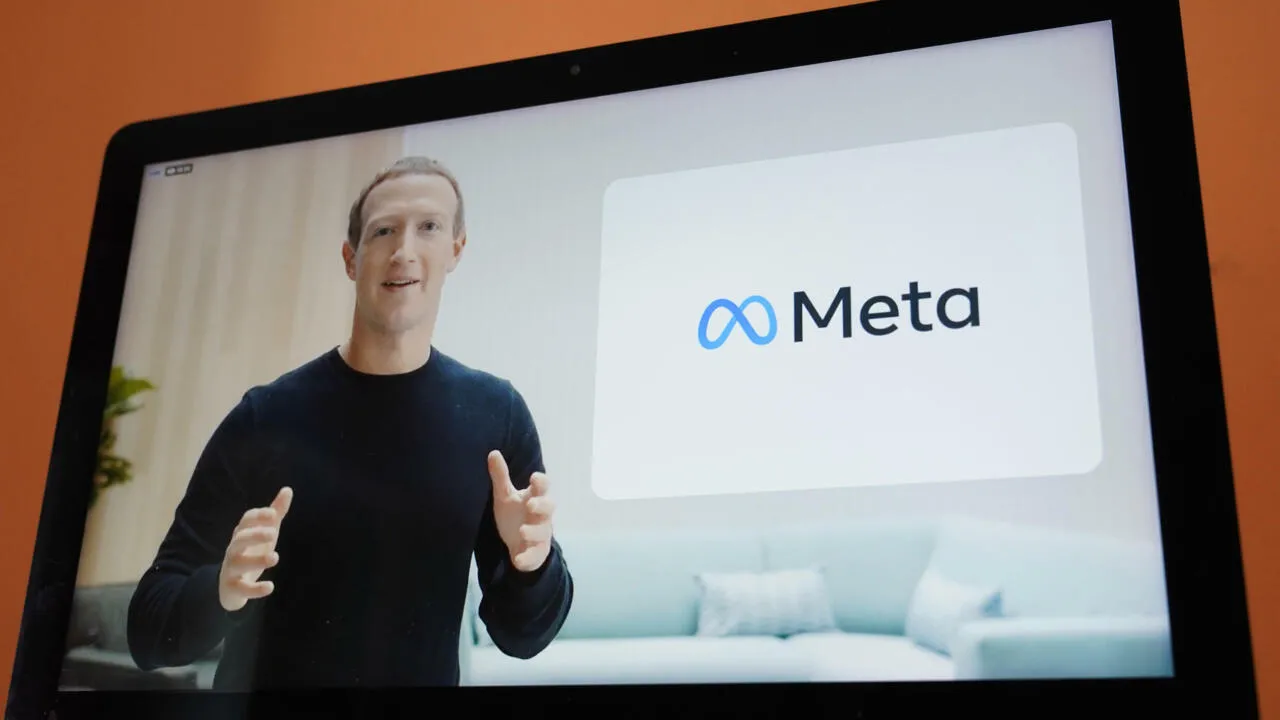
Meta’s announcement of mass layoffs reflects deep shifts in the company’s strategy and the broader challenges facing the tech industry. By trimming its workforce and refocusing on areas like AI and core product strength, Meta aims to navigate a competitive landscape where technological innovation and financial discipline are both critical.
However, the human impact of job cuts — from career disruption to emotional strain — underscores the complex trade-offs that come with rapid technological change. As companies like Meta continue to evolve, workers, leaders and policymakers will need to grapple with how to balance innovation, corporate growth and the well-being of millions of employees whose livelihoods depend on the outcome.
Elvis Presley and the Graceland Title in 1972

Elvis Presley and the Graceland Title in 1972
By the spring of 1972, Graceland was already more than Elvis Presley’s home. It was the Memphis address most closely associated with his public image, his family life, and the private world he built away from the stage. But the commonly repeated claim that Elvis made a clear-cut attempt in April 1972 to “buy Graceland back from RCA” does not hold up cleanly under careful review. The documentary record does not support that simplified version, and the ownership history is more complicated than the familiar shorthand suggests.






Comments 0