The death of Michael Reagan at the age of 80 marks the end of a life lived under one of the most recognizable names in American history—and often in its shadow.
As the adopted son of Ronald Reagan, Michael Reagan spent decades navigating a complicated personal and public identity. He was at once a devoted defender of his father’s legacy and an unapologetically combative conservative voice in his own right. Loved by supporters, criticized by detractors, and frequently at odds with members of his own family, Michael Reagan carved out a role that was both influential and deeply controversial.
His passing has reignited discussion not only about his life, but about the burdens—and privileges—of political lineage in America.
A Son by Adoption, a Reagan by Conviction

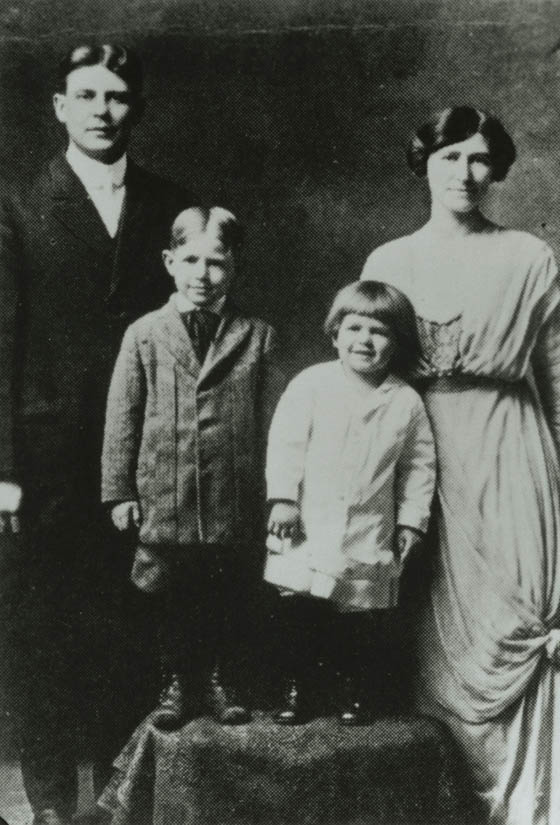

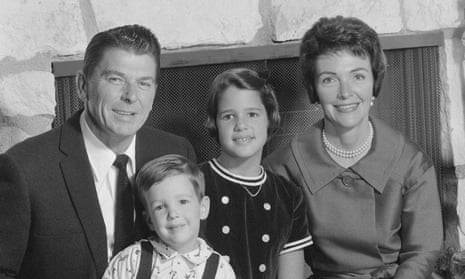
Michael Reagan was born John Charles Flaugher and later adopted by Ronald Reagan and his first wife, Jane Wyman. Though adoption was never hidden, it became a defining undercurrent in Michael’s life—particularly as he grew older and more vocal.
He repeatedly emphasized that adoption did not make him “less” of a Reagan, and he fiercely rejected any suggestion that bloodline mattered more than loyalty or values.
In interviews and writing, Michael often framed his adoption as proof of his father’s compassion—an extension of the values Ronald Reagan later championed publicly as president.
Growing Up Reagan—Before the White House
Before the Oval Office and Cold War summits, Ronald Reagan was an actor and political rising star. Michael Reagan’s early life unfolded in this transitional period, marked by:
-
Frequent moves
-
Media attention
-
The pressures of parental divorce
-
A father whose ambitions often pulled him away
Michael later described his relationship with his father as loving but distant—especially during his teenage years. That distance would later fuel his desire to defend his father publicly, even aggressively, when Ronald Reagan’s legacy came under attack.
Life in the Shadow of a Political Giant
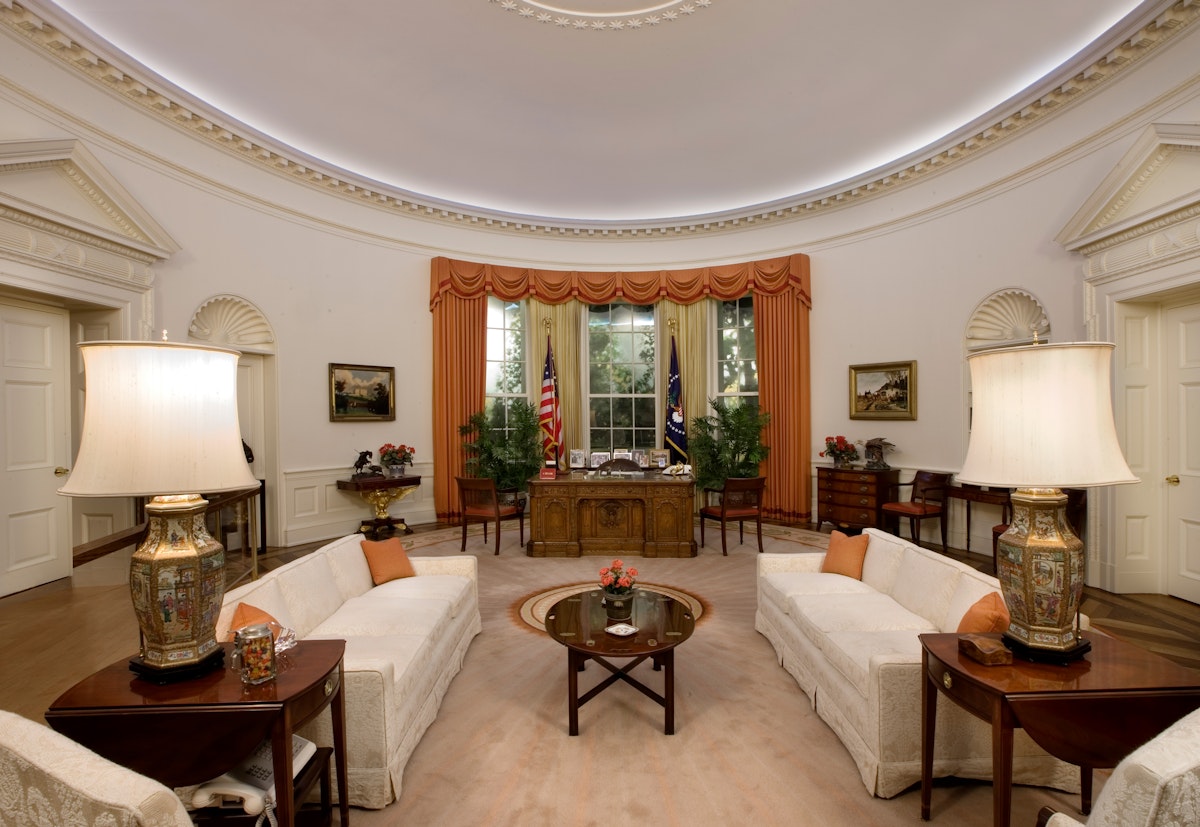


When Ronald Reagan became president in 1981, Michael Reagan was thrust into a new and unforgiving spotlight.
Unlike some presidential children who sought privacy, Michael gravitated toward the public arena. He appeared at political events, gave interviews, and increasingly embraced the role of protector of the Reagan legacy.
Yet this visibility came at a cost. Critics accused him of trading on his father’s name, while family members—particularly his half-siblings—often distanced themselves from his confrontational style.
A Career Built on Conservative Commentary

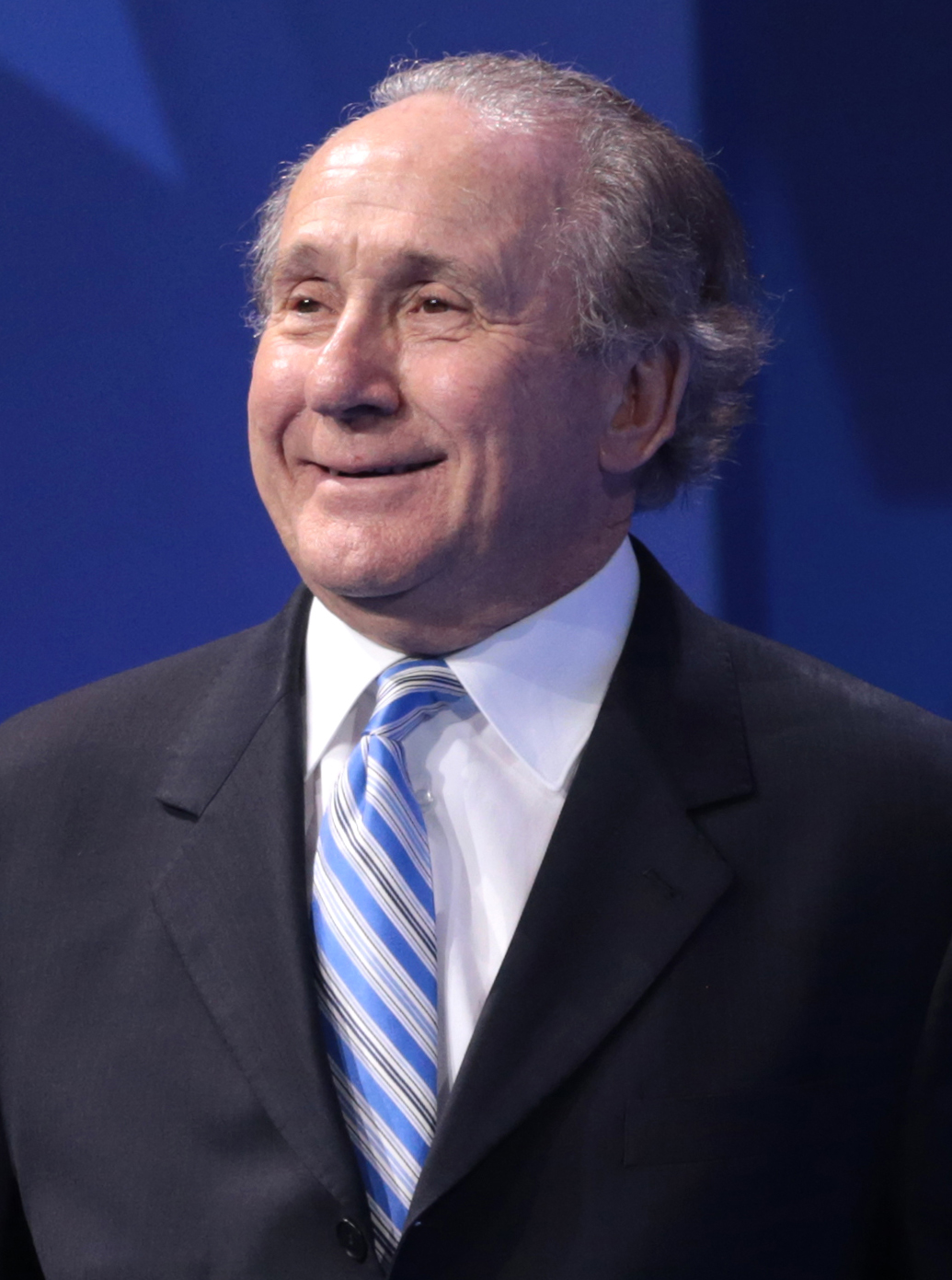


Michael Reagan eventually found his platform in conservative media, most notably as a talk radio host and columnist.
His style was unmistakable:
-
Blunt
-
Ideologically rigid
-
Unapologetically confrontational
He frequently attacked Democrats, the mainstream media, and even Republicans he viewed as insufficiently loyal to conservative principles—or to his father’s memory.
Supporters praised his willingness to “tell it like it is.” Critics accused him of inflaming divisions and reducing his father’s nuanced legacy to political talking points.
Defending Ronald Reagan—Relentlessly


More than anything, Michael Reagan saw himself as his father’s defender.
He was especially vocal about:
-
Countering criticism of Reagan-era policies
-
Pushing back against historical revisionism
-
Condemning portrayals he believed undermined Reagan’s moral clarity
When Ronald Reagan’s Alzheimer’s diagnosis became public, Michael framed his father’s final years as a story of dignity rather than decline—often criticizing media coverage he felt crossed ethical lines.
“My father didn’t forget who he was,” Michael once said. “Other people forgot who he was.”
Family Tensions and Public Disputes
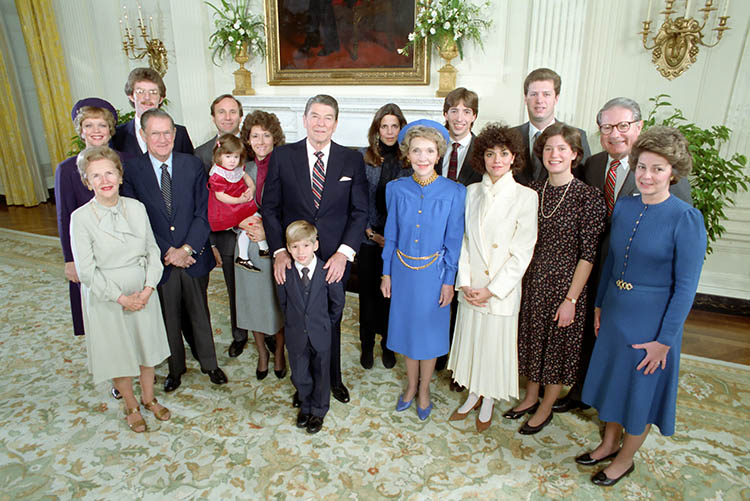


Michael Reagan’s relationship with the broader Reagan family was often strained.
Public disagreements emerged over:
-
Control of Ronald Reagan’s image and legacy
-
Access to presidential archives
-
Media narratives surrounding Nancy Reagan
While he presented himself as the most loyal son, others viewed his approach as divisive. These tensions occasionally spilled into public view, reinforcing his reputation as both fiercely devoted and difficult.
A Polarizing Figure in Modern Politics



In an era of intensifying political polarization, Michael Reagan’s voice became increasingly strident.
He aligned closely with hardline conservative causes and used his platform to criticize what he saw as moral and cultural decline in America. To admirers, he represented clarity and conviction. To critics, he embodied the worst excesses of partisan media.
Yet even his harshest critics acknowledged his sincerity. Michael Reagan never pretended to be neutral—he believed deeply in what he said, and he said it loudly.
How His Death Is Being Remembered


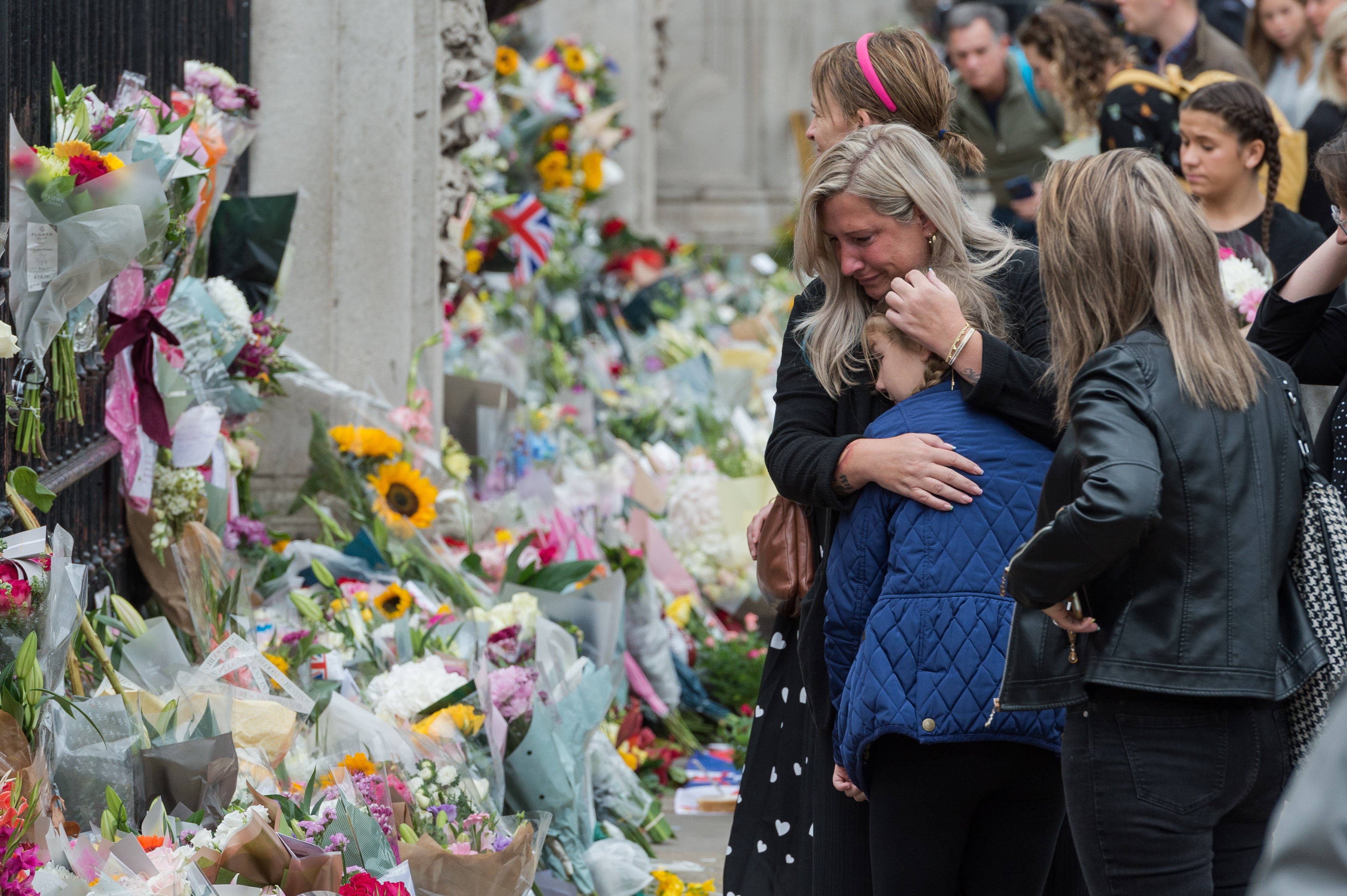
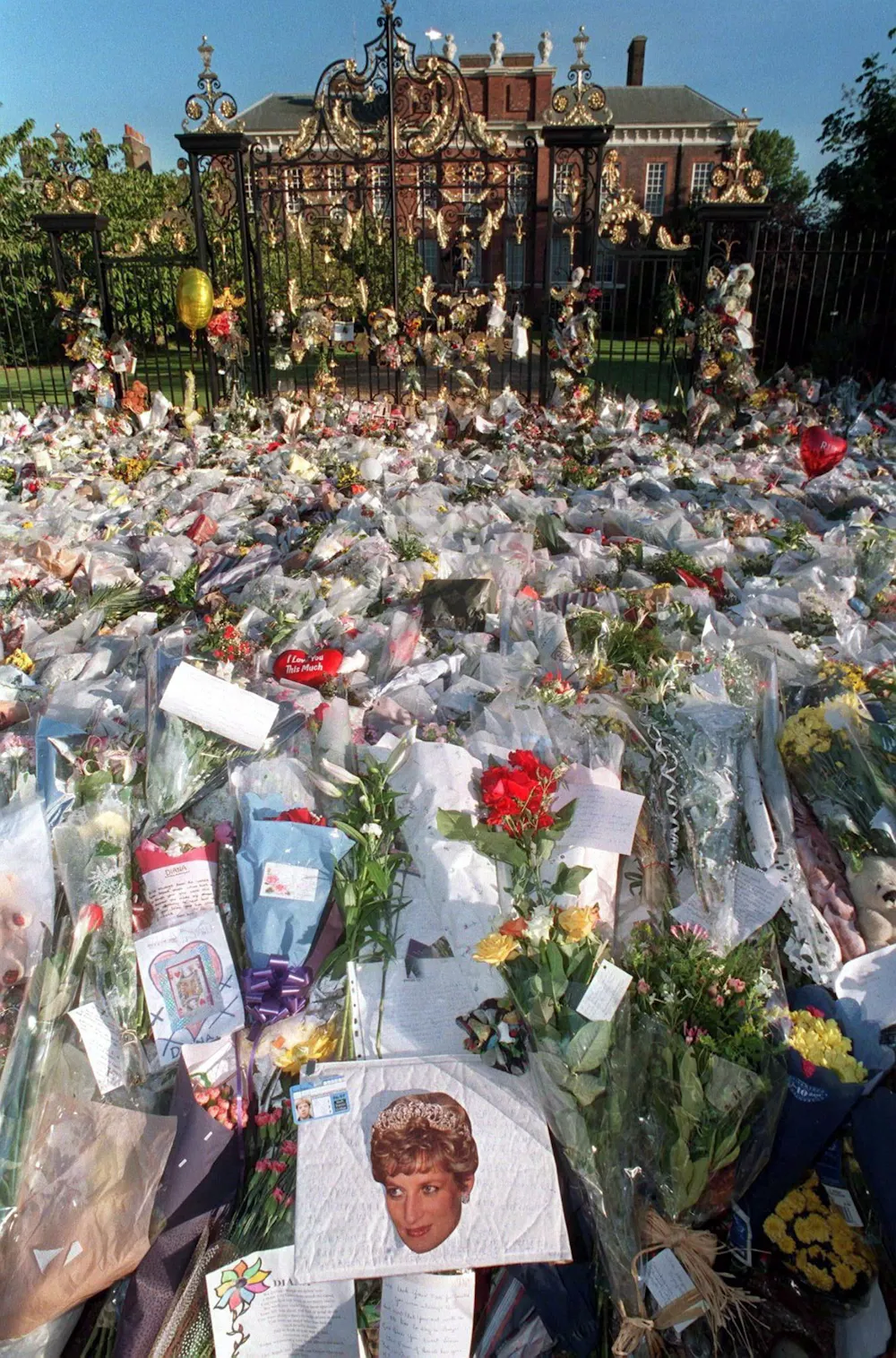
Reactions to Michael Reagan’s death have been mixed but reflective.
-
Conservatives have praised his loyalty to his father’s principles
-
Critics have acknowledged his impact while questioning his tone
-
Historians see him as a case study in political inheritance
What unites these perspectives is recognition that Michael Reagan mattered—not because he held office, but because he shaped how millions remembered Ronald Reagan.
The Burden of a Famous Name
Michael Reagan’s life underscores a broader truth about American politics: family legacy can be both asset and burden.
He never escaped his father’s shadow—nor did he try. Instead, he stepped into it, sharpened it, and wielded it as a tool in modern political combat.
That choice brought him relevance, controversy, and a permanent place in the story of American conservatism.
Final Reflection: More Than a President’s Son
Michael Reagan was not merely Ronald Reagan’s child. He was a political actor, media personality, and cultural symbol of how legacy is contested long after a presidency ends.
His life invites difficult questions:
-
Who “owns” a political legacy?
-
How should history remember powerful leaders?
-
And what happens to children raised in the orbit of national power?
With his death at 80, one of the loudest guardians of the Reagan era has fallen silent—but the debates he fueled are far from over.
Missing Son Found Alive After 20 Years Under a Different Name
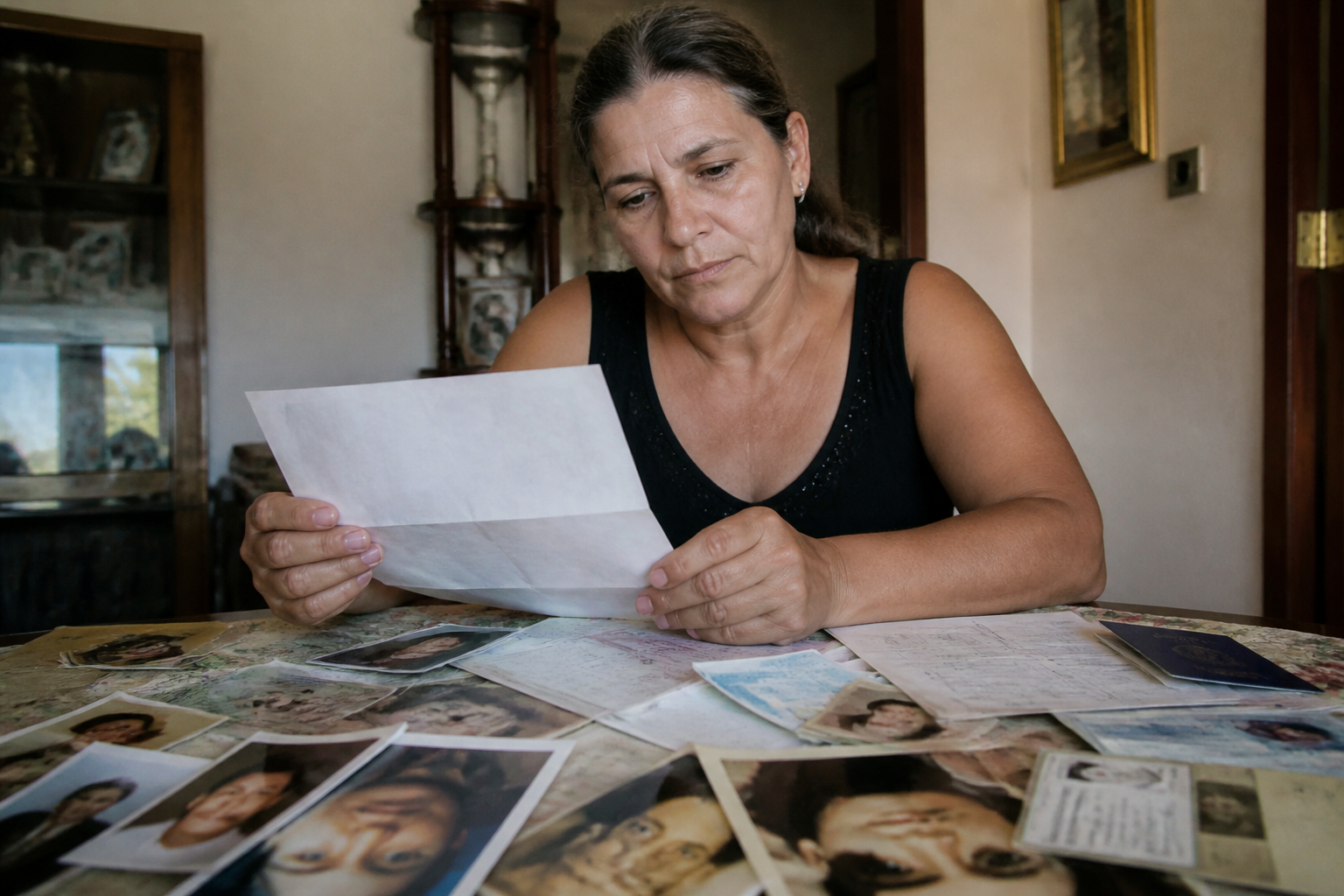
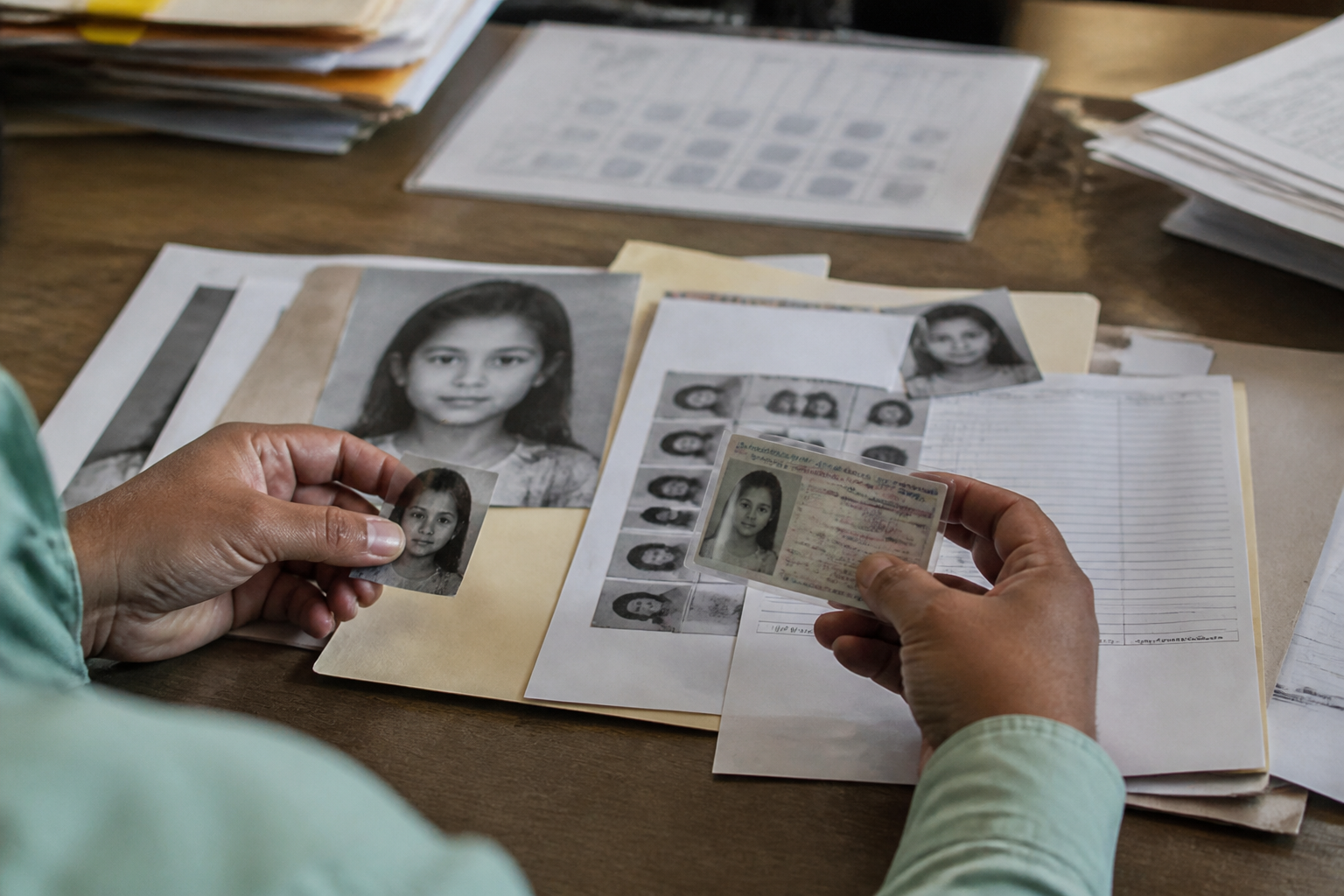
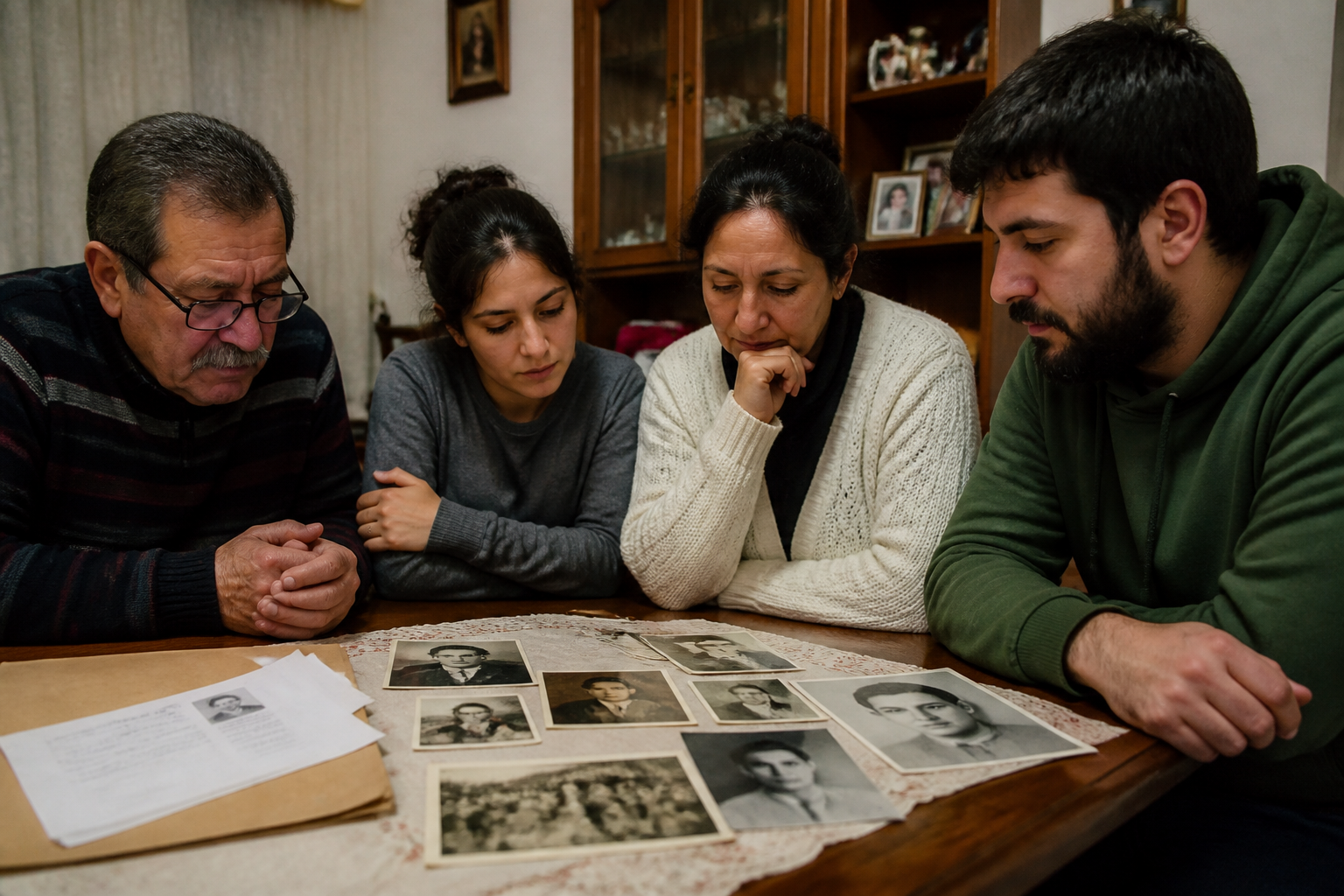
The first clue was not a confession or a dramatic reunion. It was a name on a record that did not belong where it appeared, and it sent one mother back into a search she thought had ended in grief. For 20 years, she believed her missing son was gone. Then a paper trail suggested he had been alive under a different identity all along.


Comments 0