A Classic American Story Returns—This Time on Netflix
Netflix is officially bringing one of the most cherished shows in television history back to life. The streaming giant has announced a full reboot of Little House on the Prairie, the iconic NBC series that originally aired from 1974 to 1983 and became a defining piece of American family television.
The project signals Netflix’s growing investment in nostalgic, story-driven reboots—while also raising big questions: Can a show rooted in 19th-century frontier life resonate with modern audiences? And how do you honor a legacy that millions still hold close?
What Was Little House on the Prairie—and Why It Still Matters
Based on Laura Ingalls Wilder’s autobiographical novels, Little House on the Prairie followed the Ingalls family as they navigated hardship, faith, community, and survival in the American Midwest during the late 1800s.
The original series, produced by NBC, ran for nine seasons and became synonymous with:
-
Family-centered storytelling
-
Moral lessons woven into everyday life
-
A slower, character-driven narrative style
-
Themes of resilience, compassion, and hope
For many viewers, the show wasn’t just entertainment—it was formative. It shaped ideas about family, responsibility, and perseverance, making its return especially meaningful.
Image: Vintage still from the original Little House on the Prairie series


Netflix Steps In: Why Reboot the Series Now?
Netflix’s decision to reboot Little House on the Prairie reflects a broader strategy: pairing recognizable intellectual property with modern storytelling sensibilities.
Over the past few years, Netflix has found success reviving or reimagining well-known franchises, banking on built-in audience awareness while updating themes, pacing, and production values.
Industry insiders point to three main reasons behind the reboot:
-
Nostalgia still drives viewership, especially across generations
-
Family-friendly prestige drama is increasingly valuable in streaming
-
The original story offers timeless themes that can be reinterpreted through a modern lens
The New Cast: Familiar Roles, Fresh Faces
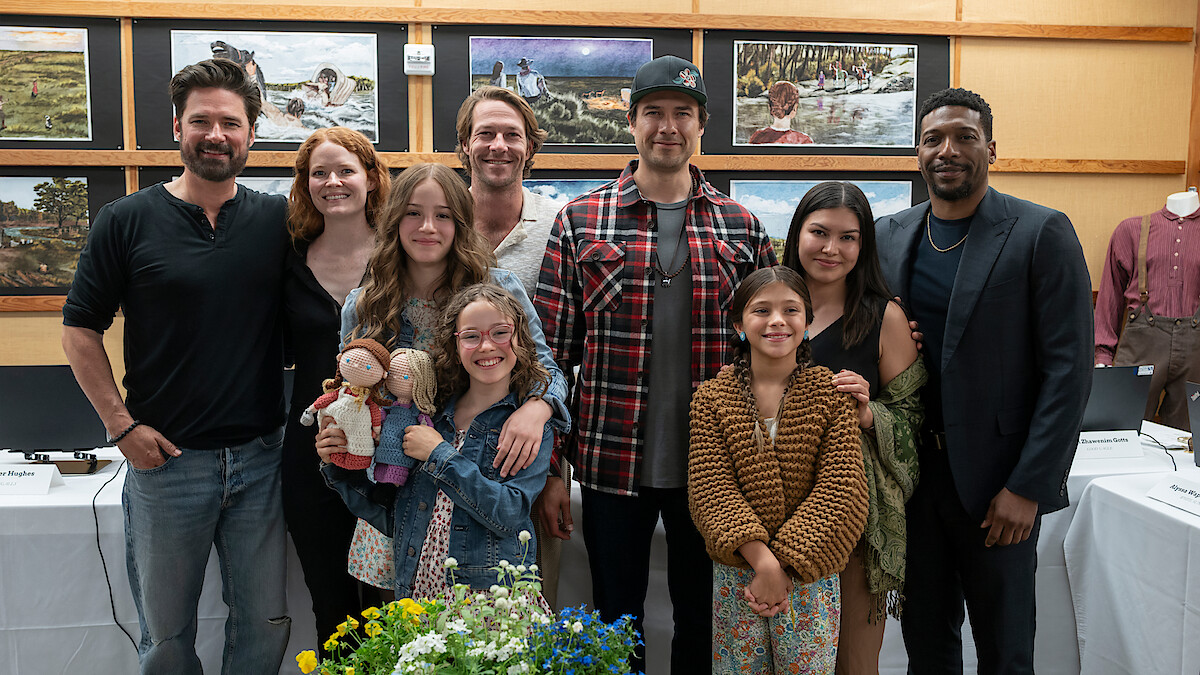
Netflix has confirmed the core cast for the reboot, signaling a blend of youthful energy and seasoned performances.
Key Casting Announcements
-
Alice Halsey (Lessons in Chemistry) as Laura Ingalls
-
Described as curious, strong-willed, emotionally perceptive, and fiercely independent
-
-
Luke Bracey (Elvis, Hacksaw Ridge) as Charles Ingalls
-
A grounded, principled father figure navigating survival and morality
-
-
Crosby Fitzgerald (Palm Royale) as Caroline Ingalls
-
The emotional backbone of the family, balancing strength and compassion
-
The casting choices suggest Netflix is aiming for emotional depth rather than simple imitation of the original characters.
Image: Behind-the-scenes photo of the new Ingalls family cast

How the Reboot Will Be Different From the Original
A Modern Narrative Approach
While the heart of the story remains intact, the reboot is expected to adopt a more serialized, cinematic storytelling style. Viewers can expect:
-
Longer emotional arcs across episodes
-
Deeper psychological exploration of characters
-
More nuanced portrayals of frontier challenges
-
Expanded roles for supporting characters and communities
This reflects how modern audiences consume drama—favoring layered narratives over episodic morality tales.
Visual and Production Upgrades
Netflix is investing heavily in production design, filming the series in Canada to replicate the sweeping landscapes of the American Midwest. Expect:
-
High-end cinematography
-
Historically detailed costumes and sets
-
A more immersive sense of time and place
Staying True While Evolving the Story
One of the reboot’s biggest challenges is balancing respect for the original with the expectations of today’s viewers.
Netflix has emphasized that the series will honor Laura Ingalls Wilder’s original work while acknowledging that modern storytelling often engages with:
-
Gender roles and identity
-
Community diversity
-
Emotional realism
-
Social challenges of the era
Rather than rewriting history, the reboot aims to contextualize it—presenting frontier life with both warmth and honesty.
Why Little House Is a Smart Reboot Choice
Unlike many sitcom or action reboots, Little House on the Prairie offers something increasingly rare: quiet, values-driven storytelling.
In a streaming landscape dominated by high-concept thrillers and franchise universes, the series stands out for its:
-
Intergenerational appeal
-
Emotional accessibility
-
Educational and historical value
-
Family-safe viewing
This positions the reboot as a potential cornerstone for Netflix’s broader family and prestige-drama strategy.
Audience Expectations—and Concerns
Reboots inevitably divide audiences, and Little House is no exception.
What Fans Are Excited About
-
Seeing a beloved story reintroduced with modern visuals
-
Sharing the series with younger generations
-
Expanded depth for characters they grew up with
What Fans Worry About
-
Losing the original’s moral tone
-
Over-modernizing sensitive historical themes
-
Comparisons to the original cast and performances
Netflix will be walking a careful line—one misstep could alienate loyal fans, while thoughtful execution could create a new classic.
The Broader Trend: Nostalgia Meets Streaming
The Little House reboot fits neatly into a wider entertainment trend: streaming platforms mining television history for emotionally resonant properties.
Recent years have shown that:
-
Nostalgia-driven content performs well globally
-
Classic stories gain renewed relevance during uncertain times
-
Audiences crave comfort alongside innovation
What sets Little House apart is its sincerity. It isn’t ironic or flashy—it’s earnest. That authenticity may be its greatest strength in a modern reboot.
Potential Release Timeline
While Netflix has not announced an official premiere date, production schedules suggest a likely 2026 release. This would place the show among Netflix’s major scripted offerings for the year, potentially positioned as a flagship family drama.
Marketing experts expect Netflix to lean heavily into:
-
Cross-generational promotion
-
Nostalgia-focused trailers
-
Behind-the-scenes storytelling about honoring the original
Could This Open the Door to More Classic Drama Reboots?
If successful, Little House on the Prairie could pave the way for more dramatic—not comedic—TV reboots. Industry analysts note that audiences are increasingly receptive to:
-
Slower, character-first storytelling
-
Historically grounded narratives
-
Emotionally safe but meaningful content
A strong reception could encourage networks and streamers to revisit other legacy dramas with similar care.
Final Thoughts: More Than a Reboot—A Cultural Reintroduction
Netflix’s reboot of Little House on the Prairie is more than a nostalgic revival. It’s an attempt to reintroduce a foundational American story to a generation shaped by streaming, social change, and new storytelling norms.
If done well, the series could become a bridge between past and present—reminding audiences why these stories mattered in the first place, while proving they still matter now.
For longtime fans, it’s a chance to return home. For new viewers, it may be the beginning of discovering a story that has endured for over 50 years.
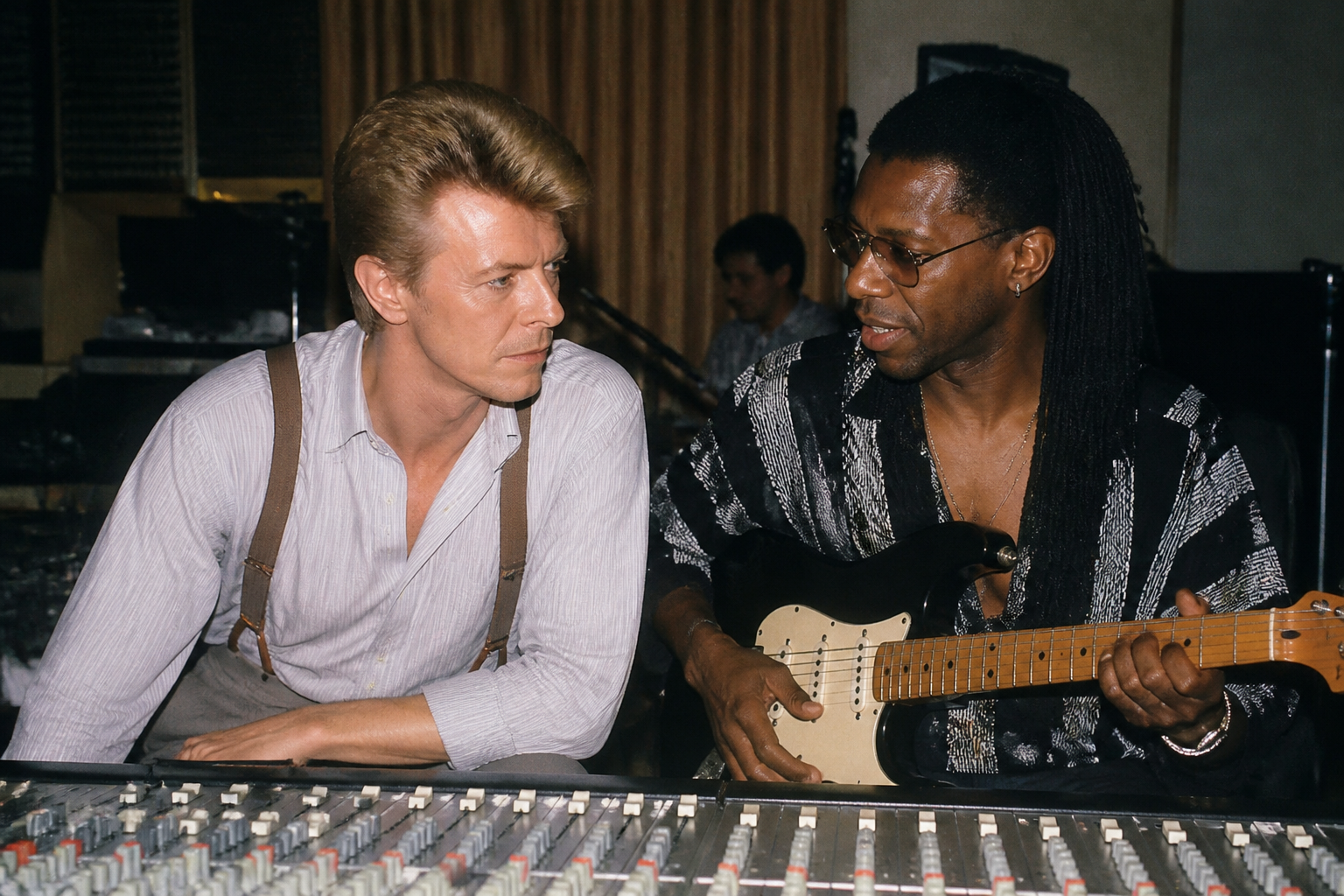
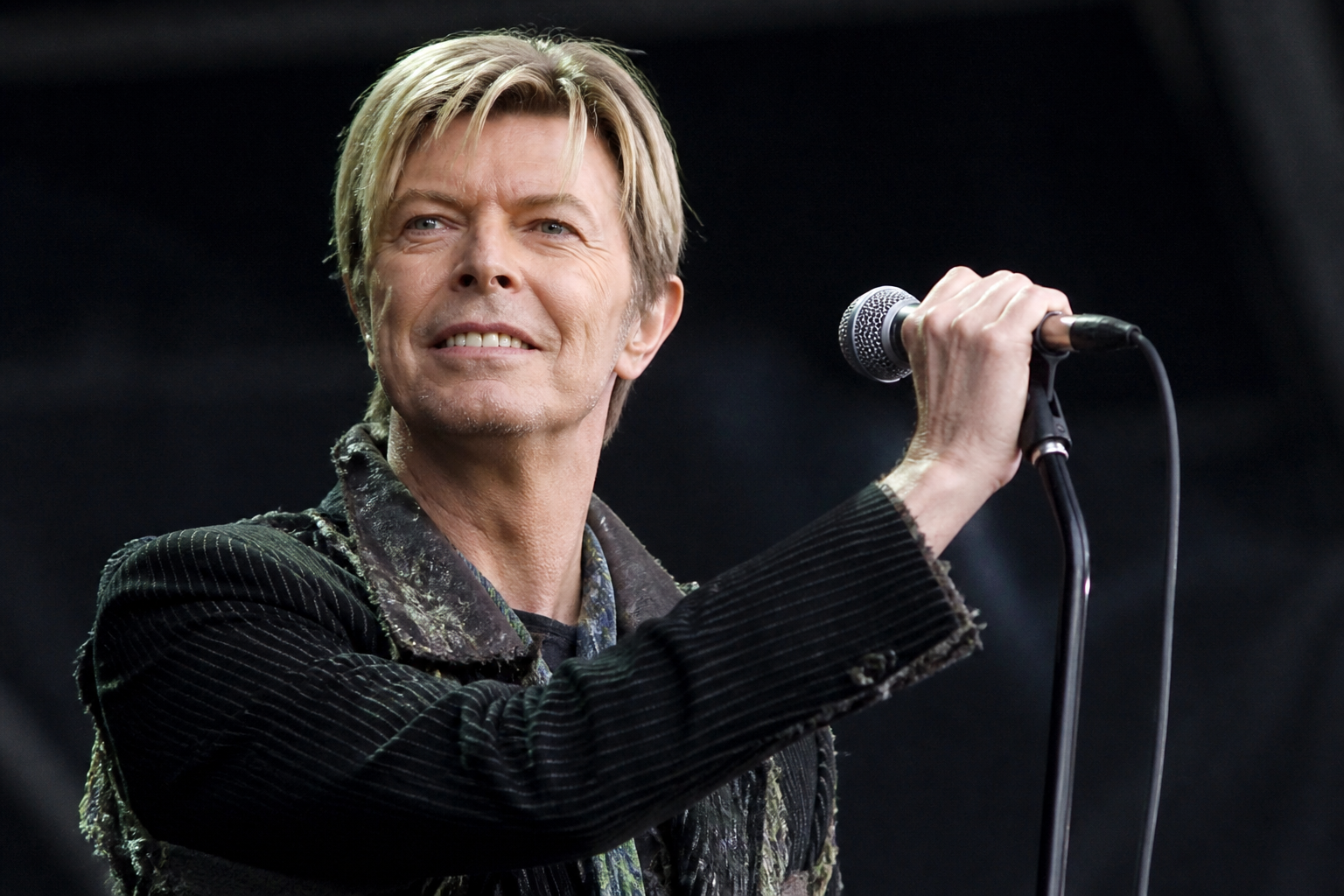
How David Bowie Reinvented Himself and Changed Music Forever
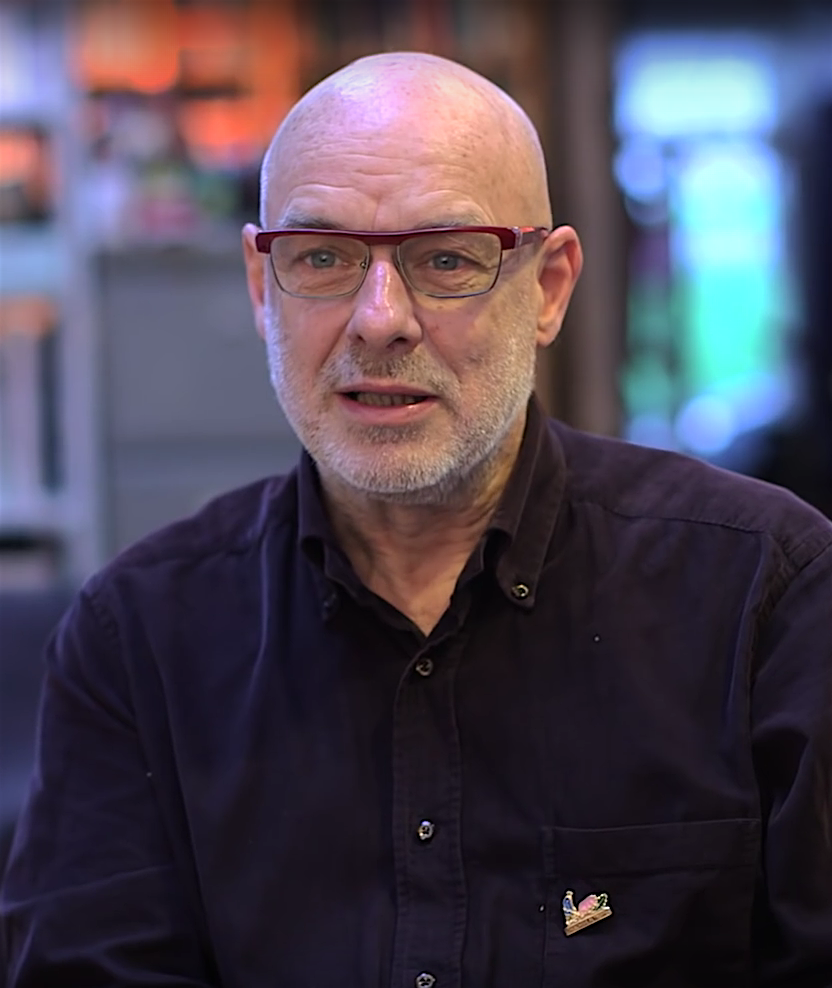
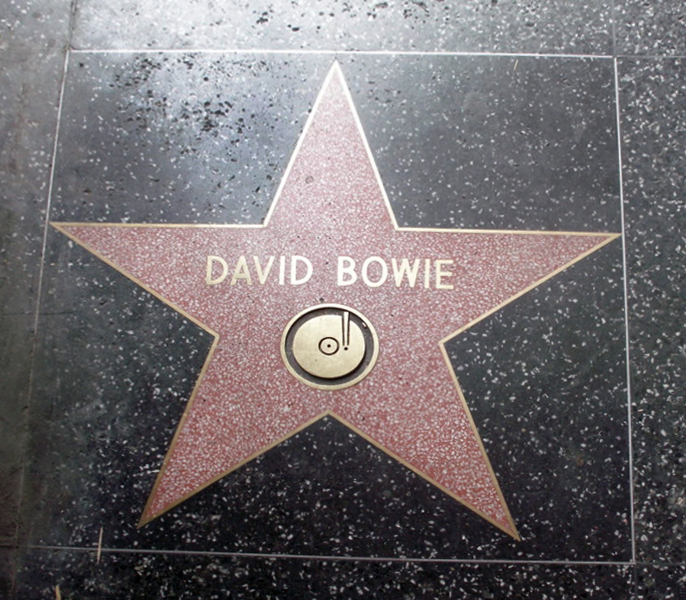
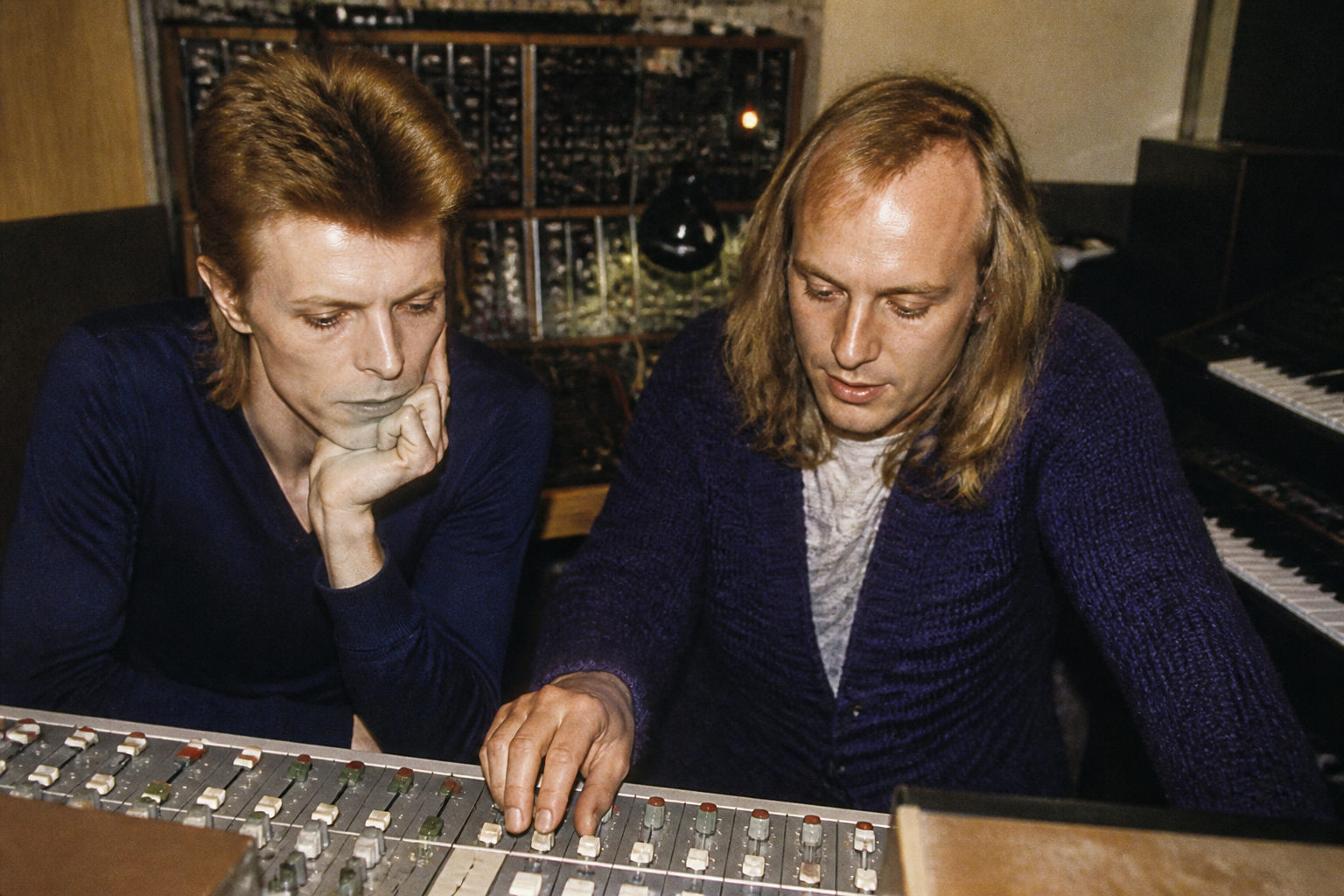
David Bowie made reinvention part of his artistic identity, and popular music has never quite looked the same. Across five decades, he treated image, sound, and performance as connected pieces of one creative vision. That approach made him one of the clearest examples of how a single artist could reshape an era without staying in one place for long.
Comments 0