The United States is on the verge of a significant shift in how it defines healthy eating.
New U.S. dietary guidelines, announced under the MAHA (Make America Healthy Again) initiative associated with the Donald Trump administration, are reshaping long-standing federal nutrition advice—and igniting debate among health experts, policymakers, and everyday Americans.
While federal dietary guidelines traditionally evolve slowly and quietly, this update has drawn unusual attention due to its policy-driven framing, emphasis on chronic disease prevention, and departure from some conventional nutrition narratives.
Here’s a clear breakdown of what we know so far, what’s changing, and why these guidelines could impact millions of Americans.
What Are the U.S. Dietary Guidelines—and Why Do They Matter?


The U.S. Dietary Guidelines are issued by federal agencies roughly every five years and serve as the foundation for:
-
School lunch and breakfast programs
-
Military and federal food standards
-
Nutrition labeling and public health campaigns
-
Medical and dietary counseling recommendations
They influence what Americans eat at scale, from cafeterias to hospitals to grocery store shelves.
A shift in these guidelines is not merely symbolic—it can reshape food systems nationwide.
What Is MAHA (Make America Healthy Again)?



MAHA, short for Make America Healthy Again, is a health-focused initiative aligned with Trump-era policy priorities.
Its stated goals include:
-
Reducing chronic disease rates
-
Addressing obesity and metabolic illness
-
Challenging entrenched food industry influence
-
Emphasizing personal responsibility and prevention
Supporters describe MAHA as a course correction for a country facing rising healthcare costs and declining life expectancy.
Critics argue it risks oversimplifying complex nutrition science.
Key Changes in the New Dietary Guidelines
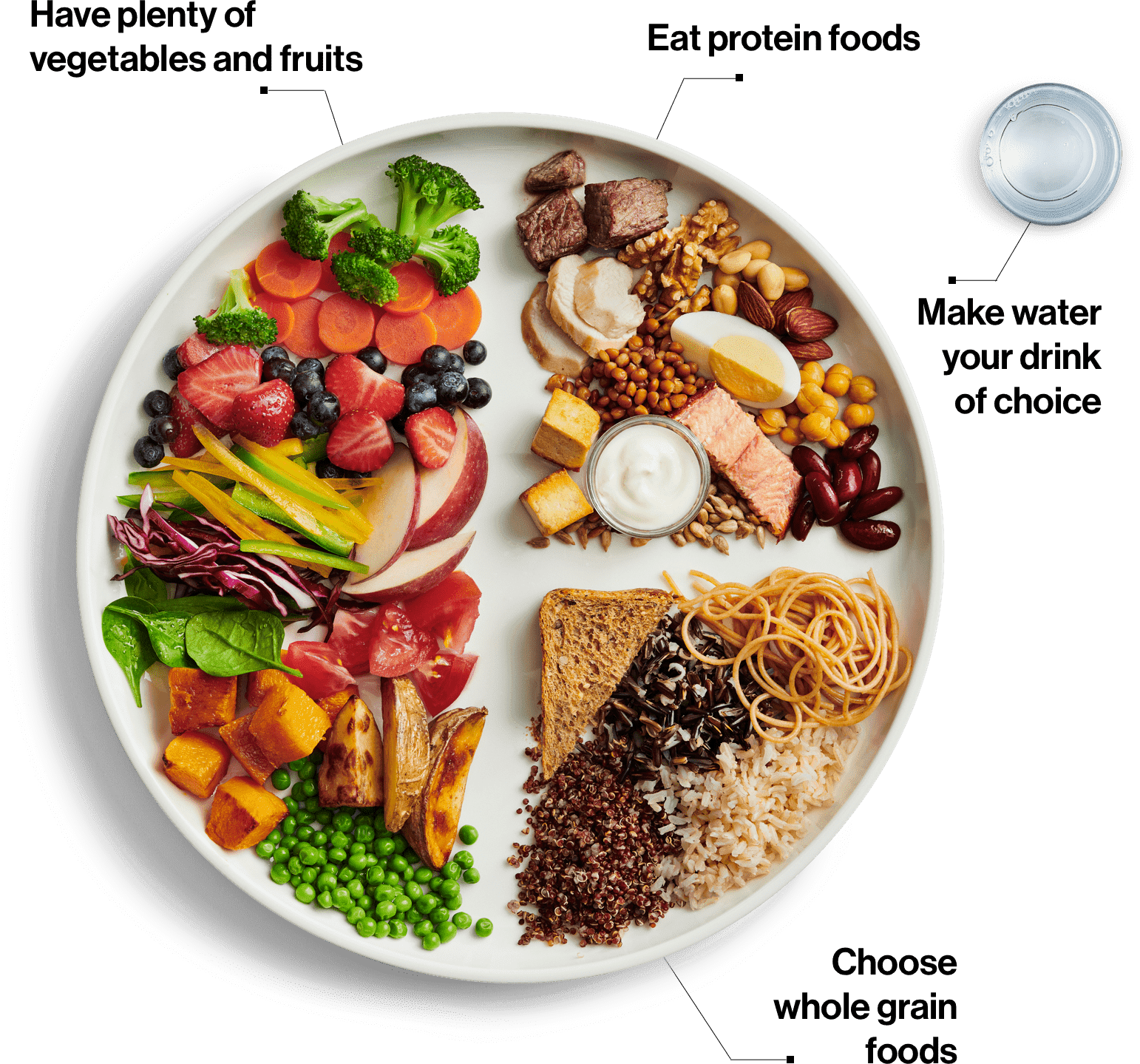


While full technical documentation is still emerging, officials have outlined several core themes in the updated guidelines.
1. Stronger Focus on Whole Foods
The guidelines emphasize:
-
Minimally processed foods
-
Fresh fruits and vegetables
-
Whole protein sources
Ultra-processed foods are increasingly framed as contributors to poor health outcomes.
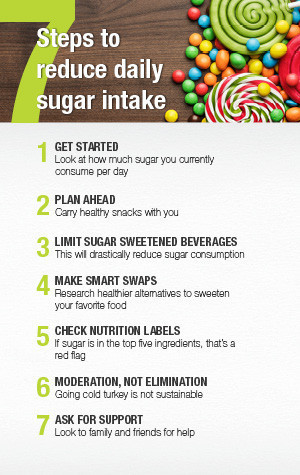
2. More Aggressive Stance on Sugar and Refined Carbs
The new framework highlights:
-
Added sugars as a key driver of obesity and diabetes
-
The importance of stabilizing blood sugar
-
Reduced reliance on refined grains
This marks a sharper tone than previous editions.
3. Reframing Dietary Fats
Rather than blanket warnings, the guidelines differentiate between:
-
Industrial trans fats
-
Highly processed seed oils
-
Naturally occurring fats from whole foods
This nuance reflects evolving research—but remains controversial.
4. Protein Takes Center Stage
Protein is positioned as:
-
Critical for metabolic health
-
Important for aging populations
-
Essential for muscle maintenance
Animal and plant sources are both included, with emphasis on quality.
Why the Trump Administration Backed These Changes


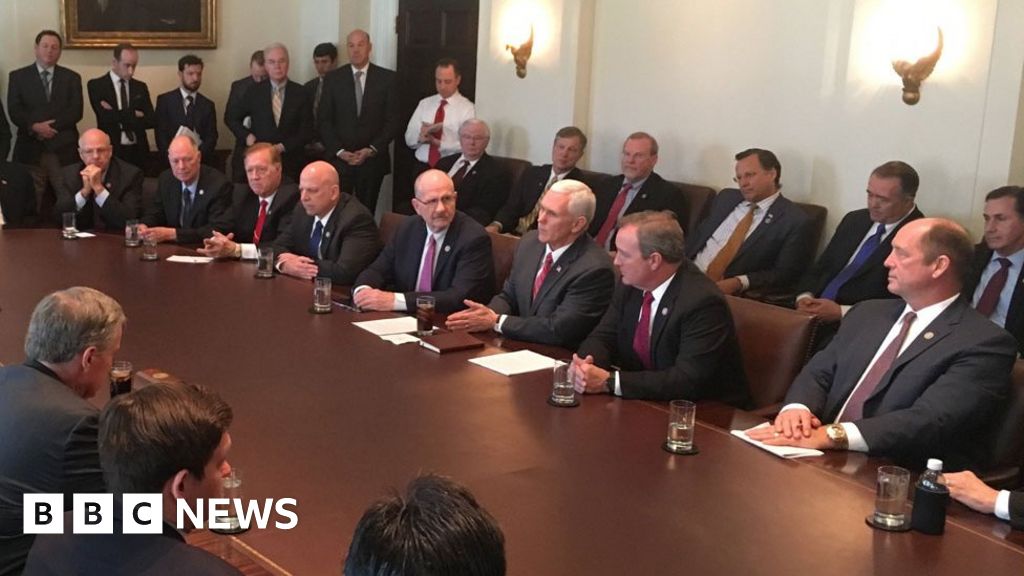

Officials associated with the Trump administration framed the new guidelines as a response to alarming trends:
-
Rising obesity rates
-
Increasing diabetes prevalence
-
Soaring healthcare costs
-
Declining U.S. life expectancy
The argument: previous dietary advice failed to curb chronic disease, and bolder guidance is needed.
Supporters Say the Guidelines Are Overdue

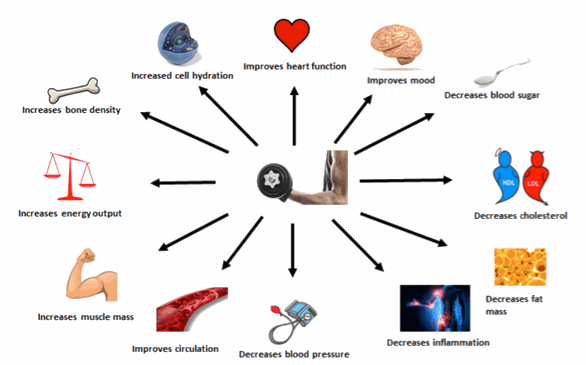

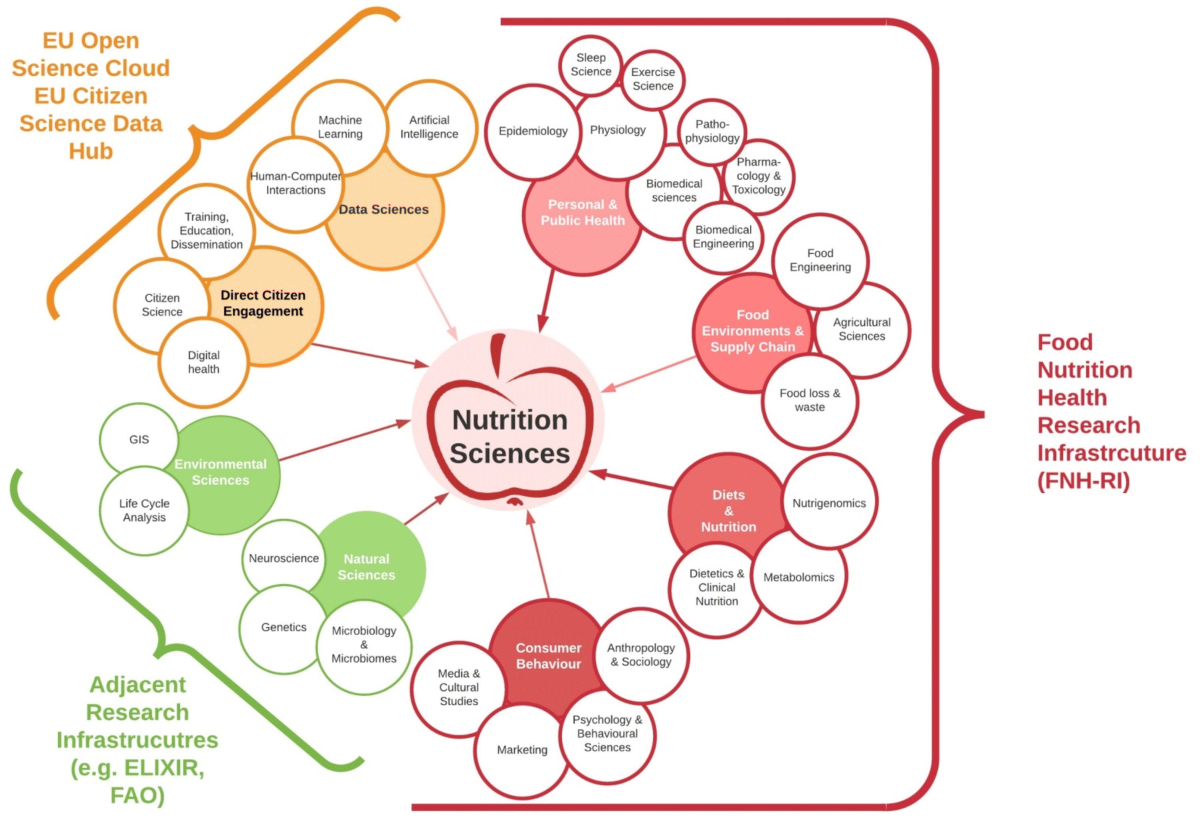
Supporters—including some physicians and nutrition reform advocates—argue the guidelines:
-
Acknowledge metabolic health more directly
-
Move away from one-size-fits-all advice
-
Confront the role of processed foods
They say the shift aligns better with real-world health outcomes.
Critics Warn of Oversimplification
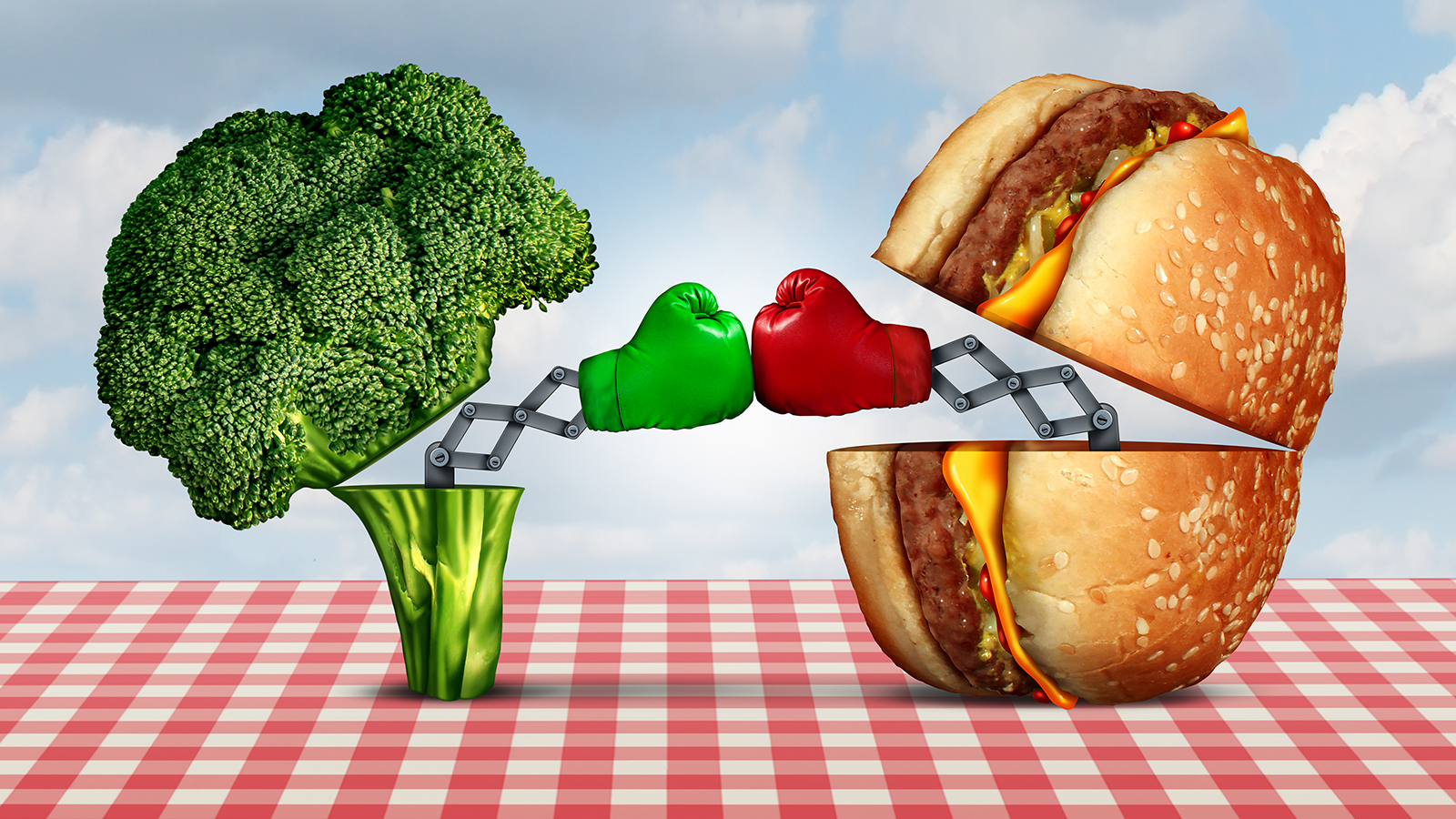
Not everyone is convinced.
Critics caution that:
-
Nutrition science is complex and evolving
-
Strong policy messaging may outpace evidence
-
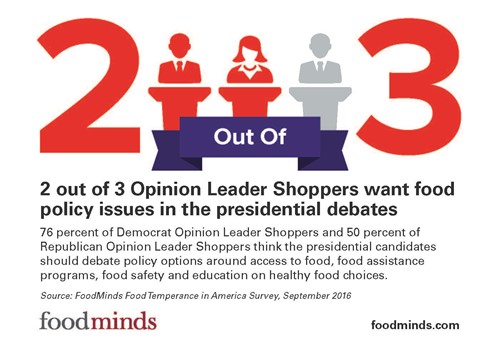
Socioeconomic factors are underemphasized
Some public health experts worry the guidelines could confuse consumers or stigmatize certain food choices.
What This Means for Schools and Federal Programs




Because federal nutrition programs rely on dietary guidelines, changes may affect:
-
School meal standards
-
SNAP education programs
-
Military food services
Implementation timelines and flexibility remain under discussion.
Impact on Everyday Americans




For most people, the practical takeaway is simple:
-
Eat more whole foods
-
Cut back on sugar and ultra-processed items
-
Prioritize protein and nutrient density
The guidelines stop short of prescribing strict diets, instead encouraging long-term habits.
How These Guidelines Compare to Past Versions
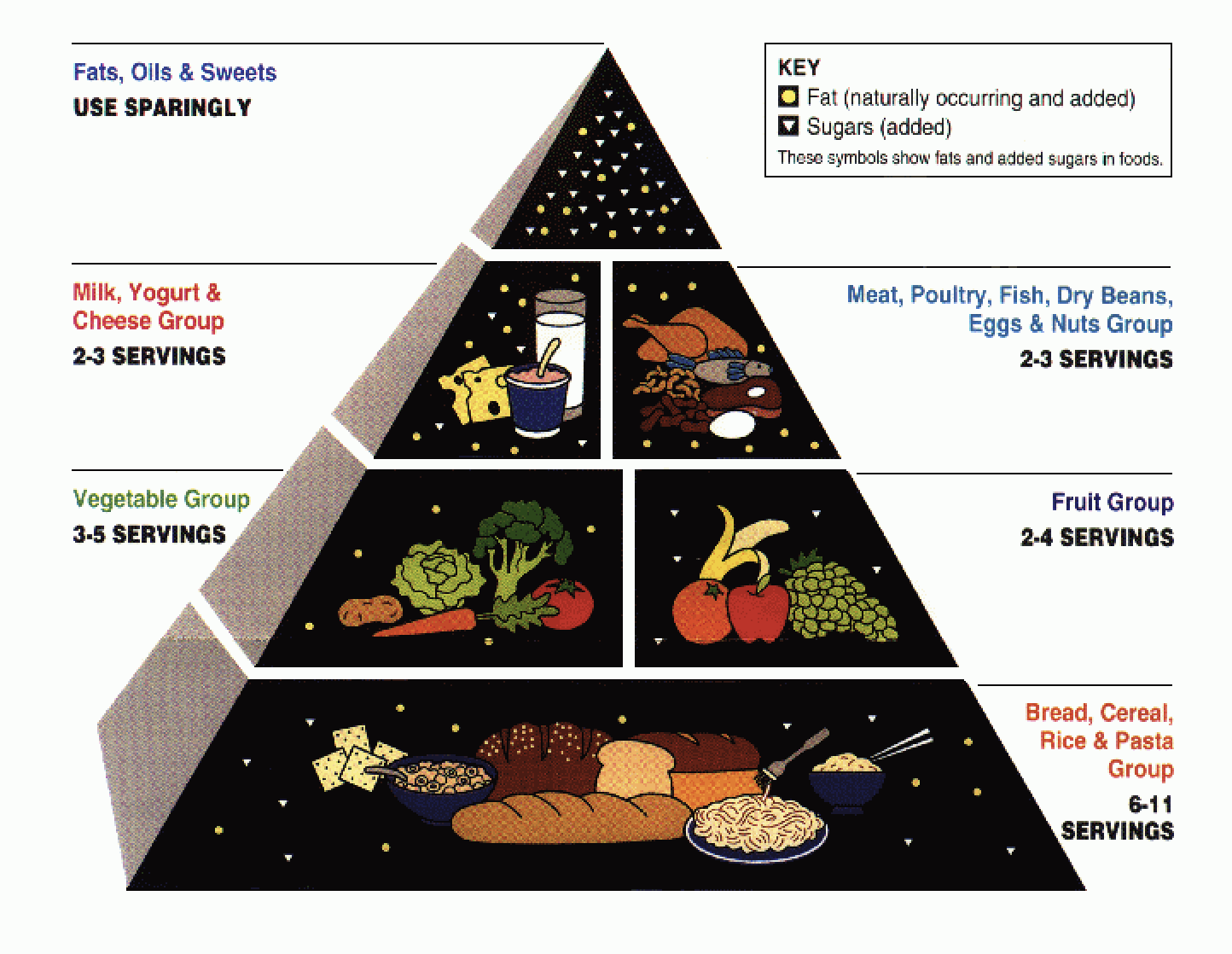


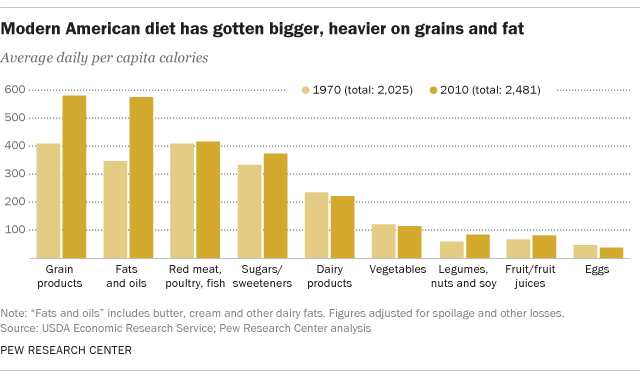
Compared to earlier editions, the MAHA-influenced update:
-
Uses stronger language on metabolic disease
-
Places less emphasis on calorie counting
-
Focuses more on food quality than food groups
It reflects a philosophical shift rather than a complete scientific overhaul.
Political and Cultural Implications

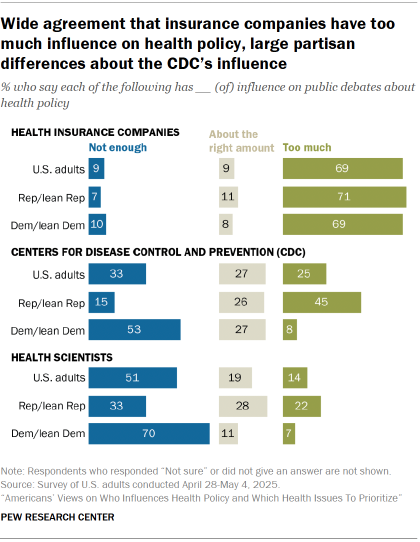


As with many health policies, nutrition guidance does not exist in a vacuum.
Food industry stakeholders, advocacy groups, and political leaders are all watching closely. The guidelines may influence:
-
Food labeling debates
-
Marketing regulations
-
Agricultural subsidies
In that sense, they are as much political as nutritional.
What Happens Next




Next steps are expected to include:
-
Public feedback periods
-
Technical clarification documents
-
Gradual integration into federal programs
Long-term impact will depend on implementation and public adoption.
Final Takeaway
The new U.S. dietary guidelines announced under the MAHA initiative and Trump administration represent one of the most consequential shifts in American nutrition policy in years.
Whether praised as overdue reform or criticized as politically charged, the guidelines reflect growing urgency around chronic disease, metabolic health, and food quality.
For Americans, the message is clear: how we eat is no longer just a personal choice—it’s a national priority.
Missing Son Found Alive After 20 Years Under a Different Name

The first clue was not a confession or a dramatic reunion. It was a name on a record that did not belong where it appeared, and it sent one mother back into a search she thought had ended in grief. For 20 years, she believed her missing son was gone. Then a paper trail suggested he had been alive under a different identity all along.




Comments 0