Only a Few Kids Came to Her Daughter’s Birthday—Then One Realization Changed Everything
Planning a child’s birthday party is supposed to be joyful—decorations, cupcakes, laughter, and the excitement of celebrating another year of growing up. But for one mother, what began as a confusing disappointment turned into a powerful lesson about timing, expectations, and the reality of modern family life.
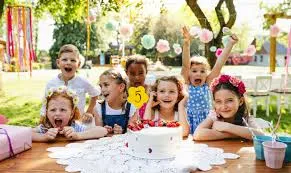
Her daughter’s birthday party had everything: a fun outdoor location, favorite snacks, and invitations sent to plenty of classmates. Yet when the big day arrived, only a handful of children showed up.
At first, the mom couldn’t understand why.
Then she realized something that changed her perspective completely.

A Birthday Party Mystery That Went Viral
The story gained widespread attention after being reported by Newsweek, where it quickly resonated with parents who have experienced similar moments of confusion or disappointment.
According to the report, the mother noticed a stark contrast between the birthday parties of her two children. Her son—whose birthday falls in winter—regularly enjoys large celebrations, with 25 to 30 kids attending each year.
His parties are typically held at indoor venues like bowling alleys, arcades, or gymnastics centers—places that offer structured entertainment regardless of weather.
Her daughter’s birthday, however, tells a completely different story.
Despite planning parties at a nearby park with a splash pad and modern playground—and offering the same food, treats, and invitations—attendance has consistently been low, often just two to four classmates.
The difference left her puzzled.
Both children are outgoing. Both are socially active at school. Both invite classmates who seem to genuinely like them.
So why did one party thrive while the other struggled?
Searching for Answers Online
Like many parents facing a confusing situation, the mother turned to Reddit to ask for advice.
Her post described the consistent turnout gap between her children’s celebrations. She wondered if parents were avoiding “cheap” parties or if expectations around birthday celebrations had changed.
But the internet had a different explanation.
Commenters overwhelmingly pointed to one key factor: timing.
Specifically, the difference between winter and late spring.

The Surprising Influence of Seasonality
It turns out the time of year may matter far more than many parents realize.
Winter birthdays often benefit from a simple advantage: limited entertainment options.
When temperatures drop and daylight shrinks, families search for indoor activities. Birthday parties become convenient, ready-made entertainment for children who might otherwise be stuck at home.
Spring, however, offers the opposite environment.
Warm weather opens up a world of alternatives:
-
Outdoor sports leagues
-
Family travel
-
Weekend events
-
Playdates and park outings
-
School activities and performances
In short, spring schedules fill quickly.
What feels like a fun party invitation to one family may feel like just another commitment to another.
Why Outdoor Parties Can Be Harder for Parents
Another factor discussed in the online debate was logistics.
Indoor party venues typically handle setup, activities, and cleanup. Parents drop off kids, relax, and pick them up later.
Outdoor park parties, however, often require more effort from attending families:
-
Supervising children more closely
-
Packing supplies like sunscreen or towels
-
Managing unpredictable weather
-
Coordinating transportation without structured schedules
Even small inconveniences can influence attendance when families are already busy.
In a season full of competing priorities, convenience often determines decisions.
The Psychology of “Optional” Invitations
There’s also a subtle psychological component to party attendance.
Indoor winter parties often feel structured and time-bound—almost like scheduled events that shouldn’t be missed.
Outdoor park gatherings, by contrast, can feel more flexible or casual. Some parents may assume attendance isn’t essential or that they can skip without consequence.
This perception can unintentionally lower turnout—even when invitations are heartfelt and well planned.
A Growing Concern Among Parents
The mother’s experience is far from unique.
Party planning experts have noted increasing reports of low attendance, even when many children are invited. Some parents describe inviting 20 guests and seeing only a few show up.
Several modern trends contribute to this shift:
1. Overscheduled childhoods
Sports practices, tutoring, and extracurriculars fill calendars.
2. Changing social norms
Some families prioritize small gatherings or family-only celebrations.
3. Increased travel and weekend commitments
Families often plan trips during mild-weather seasons.
4. RSVP uncertainty
Many invitations go unanswered or are declined last minute.
The result is a growing sense among parents that traditional birthday parties are becoming harder to coordinate.

The Emotional Impact on Children
While adults analyze logistics, children experience the situation differently.
A low turnout can feel deeply personal—even when it isn’t.
Kids may interpret empty seats as rejection rather than scheduling conflict. That emotional response can linger longer than the party itself.
Parents often struggle with:
-
Managing their child’s disappointment
-
Explaining why friends didn’t come
-
Balancing expectations with reality
This emotional dimension is why stories like this resonate so strongly online.
They reflect not just planning challenges—but parental concern for a child’s happiness.
The Important Lesson About Meaningful Celebrations
One of the most powerful insights emerging from the discussion is that celebration quality isn’t measured by crowd size.
Many parenting experts emphasize that children remember emotional experiences more than guest counts or decorations.
Memories often center on:
-
Feeling loved
-
Having fun with close friends
-
Shared traditions
-
Special moments with family
A smaller gathering can still create lasting joy—sometimes even more so than a crowded party.
What Parents Can Learn From This Story
The viral story highlights practical lessons for anyone planning a child’s birthday.
Choose timing carefully
Avoid:
-
Holiday weekends
-
School breaks
-
Major local events
-
First warm weekends of spring
Consider convenience
Venues that simplify logistics may boost attendance.
Send reminders
Busy parents appreciate follow-up messages.
Offer flexible scheduling
Shorter time windows or alternate dates may help.
Focus on experience, not numbers
Meaningful moments matter most.
The Modern Reality of Birthday Parties
Today’s birthday parties exist in a very different cultural environment than those of previous generations.
Families are busier. Children have more commitments. Social calendars are fuller than ever.
At the same time, expectations for celebrations have increased—bigger themes, elaborate decorations, and social media documentation.
These two trends collide in a way that can make planning feel overwhelming.
And when turnout falls short, parents may feel they’ve done something wrong—even when external factors are responsible.
Why Timing Truly Was the Key
Ultimately, feedback suggested that the mother’s situation wasn’t about cost, popularity, or party quality.
It was simply about timing.
Winter indoor events provided built-in appeal during a season with limited options.
Spring outdoor parties competed with everything else families wanted—or needed—to do.
Once she understood that difference, the mystery became clear.
The Bigger Message for Families Everywhere
This story resonates because it reflects a universal parenting challenge: wanting to create joyful experiences while navigating an unpredictable world.
Sometimes effort doesn’t produce expected results.
Sometimes love looks like adaptation rather than perfection.
And sometimes the best outcome is understanding—not attendance.
Rethinking What Makes a “Successful” Birthday
Perhaps the most meaningful takeaway is this:
A successful birthday isn’t defined by how many people come.
It’s defined by how celebrated a child feels.
That might mean:
-
A small group of close friends
-
A family outing
-
A meaningful tradition
-
A simple day filled with attention and care
When expectations shift from quantity to connection, disappointment often gives way to gratitude.
Final Thoughts: A Simple Insight With Powerful Meaning
What began as confusion over empty party seats turned into something far more valuable—a reminder that context shapes outcomes, and timing shapes participation.
The mother didn’t change her daughter’s friendships.
She didn’t change the party location.
She didn’t change the invitations.
She simply understood the environment surrounding them.
And that understanding transformed frustration into clarity.
In a world where calendars are crowded and choices are endless, sometimes the most important lesson is this:
Even the best celebrations depend on when—not just how—you plan them.
The Surprising Way People in Your Life Could Be Making You Age Faster, According to Science

The Surprising Way People in Your Life Could Be Making You Age Faster, According to Science
Most people know that poor diet, lack of sleep, and chronic stress can accelerate aging. But emerging research suggests another surprising factor may be quietly influencing how quickly your body ages: the difficult people in your life.




Comments 0