Outrage Erupts After College Instructor’s Shocking Treatment of Student Sparks Calls to Escalate
Posted March 18, 2026
·
13 min read
A Classroom Incident That Ignited a Firestorm
A recent college classroom controversy has sparked widespread outrage online, raising serious questions about fairness, authority, and student rights in higher education.
What began as a routine academic interaction quickly escalated into a viral moment after a student shared their experience involving an instructor’s controversial actions. The story has since captured attention across social media, with many calling for accountability and institutional review.
What Happened in the Classroom?
According to the account that went viral, the situation unfolded when a student found themselves at odds with a college instructor over an academic matter—reportedly involving grading, expectations, or adherence to course policies.
While the exact details vary depending on interpretation, the central issue remains clear: the student felt they were treated unfairly.
The instructor’s response, however, was what truly ignited backlash.
Rather than resolving the issue in a way perceived as supportive or constructive, the instructor reportedly doubled down on their decision—prompting frustration not only from the student but also from a growing online audience.
The Moment That Sparked Outrage
The phrase that fueled the viral reaction? A call to “escalate.”
In the context of the situation, the suggestion—whether directed at the student or as part of the instructor’s response—was interpreted by many as dismissive or confrontational.
For critics, it symbolized a breakdown in communication and empathy.
For others, it raised a deeper concern: Are students being adequately supported when conflicts arise in academic settings?
Social Media Reacts: Divided but Vocal
As the story spread online, reactions poured in from students, educators, and the general public.
The debate quickly split into two major perspectives:
Those Supporting the Student
Many users expressed frustration over what they saw as an abuse of authority.
Common sentiments included:
“Students shouldn’t have to fight for fairness.”
“Power dynamics in classrooms are real.”
“This is why people feel unheard in education systems.”
Those Defending the Instructor
Others argued that instructors must uphold standards and policies.
Their perspective emphasized:
Academic integrity
Consistency in grading
The importance of boundaries
This divide reflects a broader tension in modern education.
The Power Dynamics in Higher Education
At the heart of this controversy lies a critical issue: power dynamics between students and instructors.
In most academic settings, instructors hold significant authority over:
Grades
Classroom policies
Academic evaluations
This imbalance can make it difficult for students to advocate for themselves—especially when they feel wronged.
Why This Matters
When students believe they are being treated unfairly, their options may feel limited:
Accept the outcome
Challenge the decision
Escalate the issue to higher authorities
Each path comes with its own risks.
What Does “Escalation” Really Mean?
In academic environments, escalation is a formal process.
It may involve:
Contacting department heads
Filing official complaints
Requesting academic reviews
Appealing grades
While escalation exists to protect students, it can also be intimidating.
For many, the process feels overwhelming—especially when facing institutional structures.
The Emotional Toll on Students
Situations like this go beyond academics—they affect mental and emotional well-being.
Students dealing with conflicts may experience:
Anxiety
Stress
Loss of confidence
Fear of retaliation
These emotional factors are often overlooked in public discussions.
But they play a significant role in how situations unfold.
The Instructor’s Perspective
While much of the online conversation has focused on the student, it’s important to consider the instructor’s role.
Educators are responsible for:
Maintaining academic standards
Ensuring fairness across all students
Upholding institutional policies
From this perspective, strict decisions may not be personal—they may be procedural.
However, how those decisions are communicated can make all the difference.
Communication: The Missing Link?
Many experts agree that communication is often the key factor in resolving academic conflicts.
A situation that escalates publicly may have been resolved privately with:
Clear explanations
Empathy
Flexibility
Active listening
When communication breaks down, misunderstandings grow.
And in the age of social media, those misunderstandings can quickly go viral.
The Role of Universities
Incidents like this raise questions about how institutions handle disputes.
Universities typically have systems in place, including:
Ombudsman offices
Academic appeals committees
Student support services
But awareness and accessibility remain challenges.
Are Students Informed Enough?
Many students are unaware of:
Their rights
Available resources
Proper channels for complaints
Improving transparency could prevent similar situations in the future.
A Broader Trend in Viral Education Stories
This is not an isolated incident.
In recent years, stories involving:
Classroom disputes
Grading controversies
Instructor behavior
have gained traction online.
Why?
Because they tap into universal experiences.
Almost everyone who has attended school can relate to:
Feeling misunderstood
Questioning fairness
Navigating authority figures
Lessons for Students
For students facing similar situations, there are practical steps to consider:
1. Document Everything
Keep records of emails, assignments, and feedback.
2. Stay Professional
Maintain respectful communication, even in frustration.
3. Understand Policies
Review course guidelines and institutional rules.
4. Seek Support
Reach out to advisors or student services.
5. Escalate When Necessary
Use formal channels if resolution isn’t possible.
Lessons for Educators
For instructors, the situation offers valuable insights as well:
Transparency builds trust
Tone matters as much as policy
Flexibility can prevent escalation
Empathy strengthens relationships
Teaching is not just about delivering content—it’s about guiding people.
The Influence of Viral Moments
Social media has transformed how academic disputes are perceived.
What was once a private matter can now become public within hours.
This shift brings both benefits and challenges:
Benefits
Increased accountability
Awareness of systemic issues
Community support
Challenges
One-sided narratives
Rapid judgment
Lack of full context
Moving Toward Better Solutions
To prevent similar controversies, institutions can take proactive steps:
Improve communication training for faculty
Simplify complaint processes
Promote transparency in grading
Encourage early conflict resolution
Creating a supportive academic environment benefits everyone.
Final Thoughts: More Than Just One Incident
This story is about more than a single disagreement.
It reflects larger issues within education:
Power dynamics
Communication gaps
Student advocacy
At its core, it’s a reminder that education is a human experience.
And like all human experiences, it requires understanding, empathy, and balance.
Missing Son Found Alive After 20 Years Under a Different Name
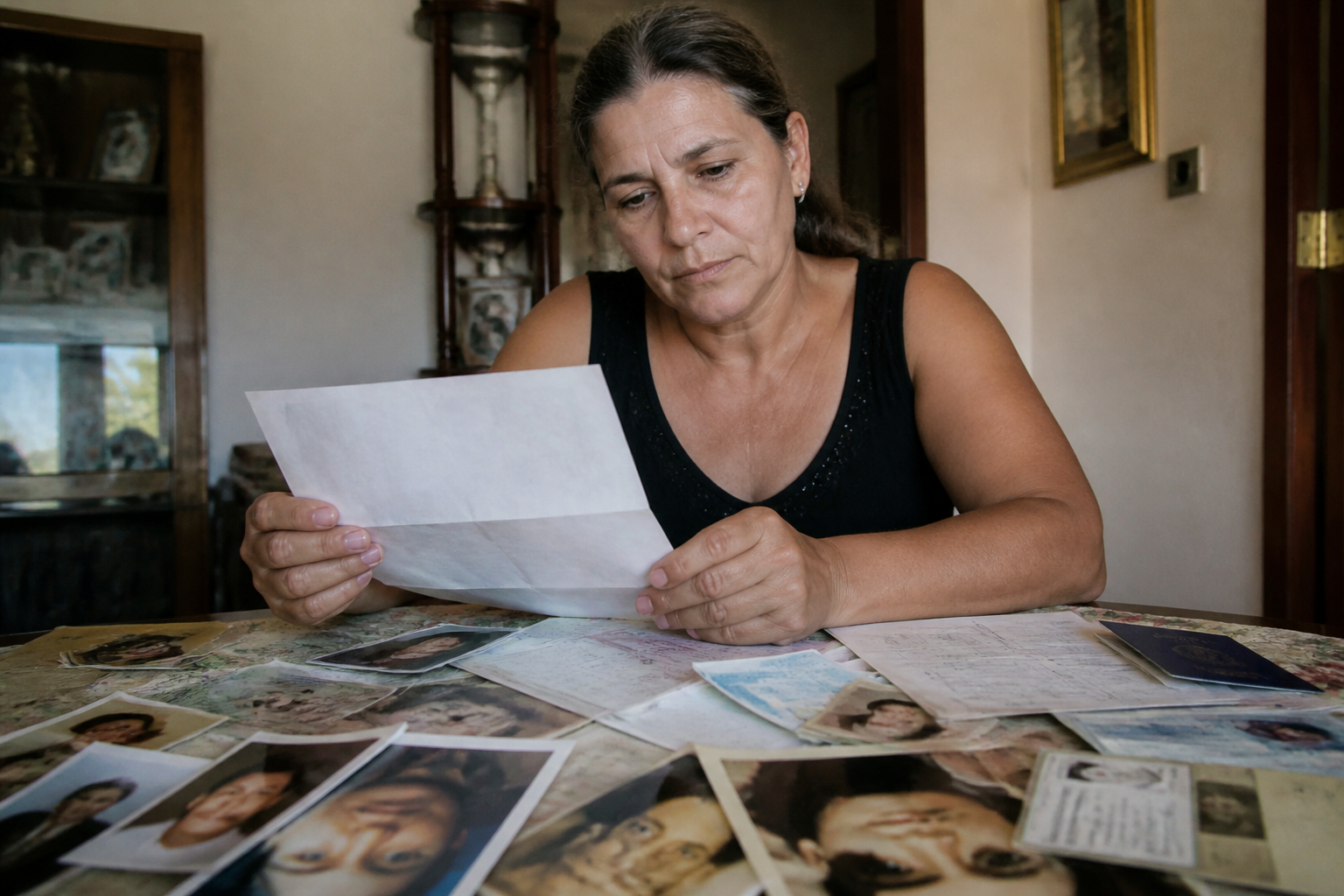
The first clue was not a confession or a dramatic reunion. It was a name on a record that did not belong where it appeared, and it sent one mother back into a search she thought had ended in grief. For 20 years, she believed her missing son was gone. Then a paper trail suggested he had been alive under a different identity all along.
What made the discovery so unsettling was its simplicity. The missing son had not vanished into legend or died in secret. He had built a second life, and someone had helped him maintain it. That meant the family was not only revisiting the day he disappeared, but also the choices that kept his true name hidden for two decades.
The day the missing son left home
The missing son at the center of this story was 17 when he left home and never came back under his own name. His mother first reported him missing after he failed to return from a weekend trip and stopped answering calls. The search began in the ordinary way these cases often do, with police reports, neighbors, and repeated questions that produced few answers.
By the time the case settled into years of waiting, the family had only fragments. He had seemed withdrawn in the weeks before he disappeared, and later accounts suggested he was under strain before he left. The missing son did not disappear in public view, and there was no single dramatic moment everyone agreed on. What the family knew was that he was gone, and the silence stretched from days into years.
For his mother, the missing son remained present in the smallest details. She kept his room, saved photographs, and followed every lead that seemed even remotely possible. Like many families living with a missing son, she was trapped between hope and exhaustion, with no way to measure which was harder to carry.
The search began with papers that never seemed to end.
How the missing son took on a new identity
The missing son later reappeared in records under another identity that had been arranged with help from an older adult in his local circle. According to the records later pieced together, that person helped him secure replacement paperwork and presented him as a relative in another town. The goal was concealment, not reinvention for its own sake.
The missing son had reasons to want distance from home. Before he disappeared, he had been involved in stealing money from people he knew, and he feared both prosecution and the shame of facing his mother. The adult who helped him appears to have believed he was avoiding consequences, and may have thought a new identity would keep him from deeper trouble. Instead, the arrangement gave the missing son a false birthdate, a different surname, and two decades of silence.
That hidden life lasted 20 years. The missing son lived elsewhere, worked ordinary jobs, and became known by the identity that was never his own. In time, the false name became both shield and burden, because it kept his past buried while also keeping him from the family that still searched for him.
The paper trail that found the missing son
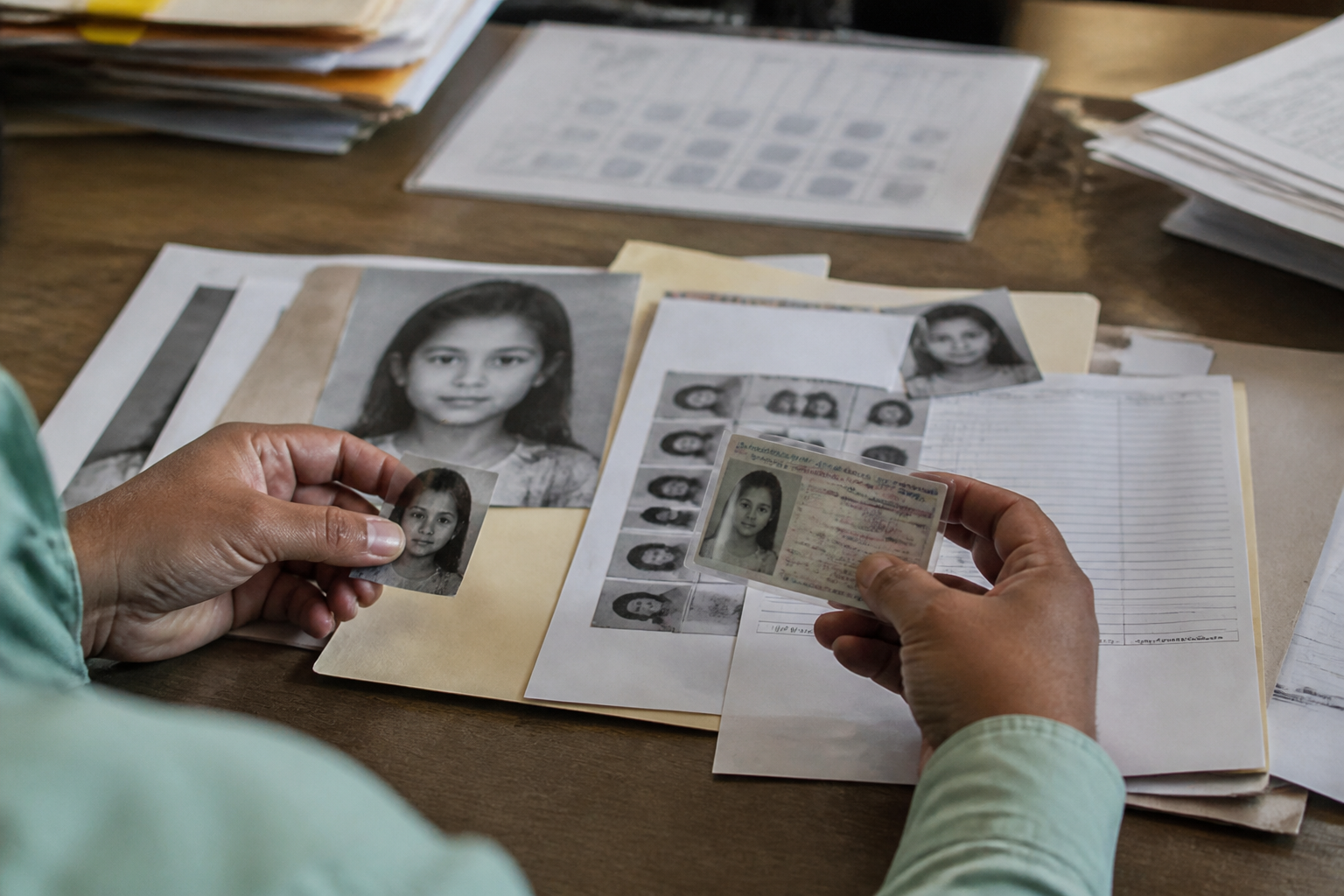
The breakthrough came through records, not a sudden confession. The mother had been checking public databases tied to property, benefits, and death notices when one detail caught her attention. A date of birth was slightly off, and an address history pointed to a town where her missing son had no obvious reason to be, unless he had gone there under another name.
She began comparing the missing-person file with the newer documents and found overlapping details in age, background, and movement from place to place. The match did not prove everything at once, but it gave her enough to press further. The missing son was beginning to emerge in two separate lives, and the gap between those lives was a carefully maintained identity change.
For readers who follow long-running searches, the pattern is familiar in stories of missing person cases, where one document can reshape years of assumptions. In this case, the record did more than redirect the search. It suggested the missing son had not been lost to tragedy, but hidden in plain sight.
One small mismatch opened the case again.
The mother’s first contact with her missing son
The mother’s first contact with her missing son came after she finally reached the man behind the false identity. The exchange was careful and emotionally charged, shaped by years of distance and uncertainty. By then, both sides knew the basic truth, and the question was no longer whether he was alive.
The missing son did not return with one simple explanation. He confirmed that he had been living under another name and said he had wanted to escape the consequences of what he had done before disappearing. The conversation brought together two realities that had never stopped hurting each other. His mother had spent 20 years mourning a missing son she thought was gone, while he had spent those years carrying fear, shame, and a life built to hide them.
No public account has turned the meeting between mother and son into a neat ending. Reports do not support a clean resolution, and the facts do not allow one. What is clear is that the mother learned her missing son had survived, and the son had to face the person he left with no explanation for two decades. That kind of truth changes grief, even when it cannot erase it.
Why the missing son stayed away
The missing son stayed away because of panic and responsibility, not because of death or kidnapping. He had stolen money before he disappeared, and he feared exposure, family disgrace, and legal trouble if he came home. The false identity let him work and move on the surface while avoiding the life he believed he had already ruined.
Fear of his mother’s reaction also shaped the decision. He appears to have expected pain, disappointment, and final judgment if he returned. Instead of facing that conversation, he let the distance harden into a long separation. For the missing son, each year under another name made it harder to step back into the life he left behind.
Stories like this often tempt people to reduce the choice to one motive, but the facts point to a mix of shame, self-preservation, and outside help. The mother never got the simple answer she may have prayed for. She learned that her missing son had been alive all along, and that he had decided hiding was easier than coming home.
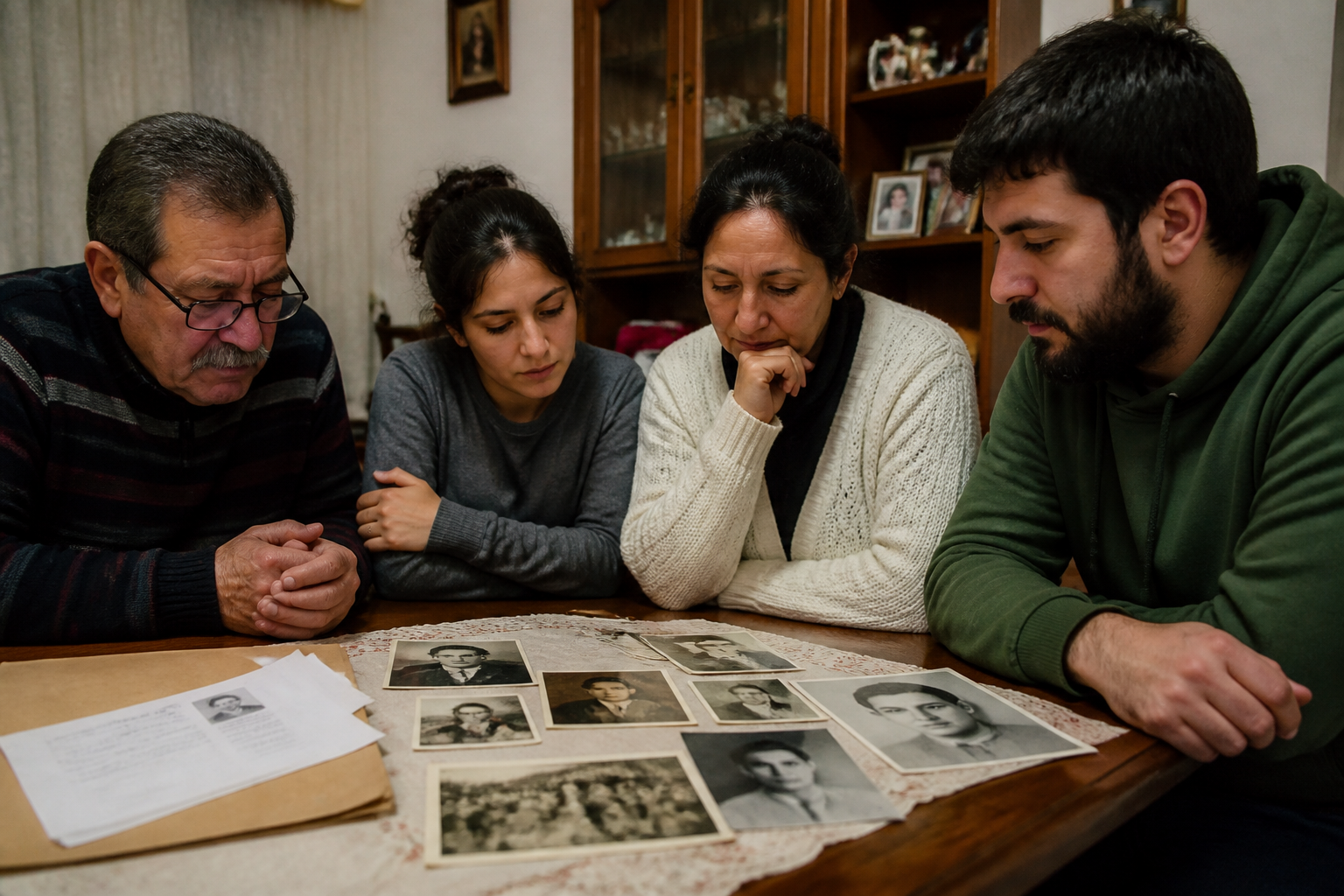
The first conversation carried two decades of silence.
The family fallout after finding the missing son
The fallout inside the family was immediate, even without a public spectacle. The mother had to absorb the shock of learning that her missing son had been living a second life while she kept searching. Relatives who had followed the case for years were left with a mix of sympathy and anger, because his choice stole time from everyone around him.
The adult who helped create the false identity also became central to the story. That role matters because the missing son did not build the paper trail alone. The paperwork, introductions, and long silence all depended on someone choosing concealment over honesty. What started as help for a frightened teenager became a lasting wound for the family that had never stopped looking.
For other families facing disappearance and reunion, the lesson is often painful. Information can arrive late, and when it does, it can be harder than not knowing. The mother did not need proof that her missing son had been alive in order to grieve. She needed the truth to understand why the silence had lasted so long.
A missing son found alive, but not made whole
The mystery was solved when the identity records, the timeline, and the son’s own account pointed to the same conclusion. He had disappeared as a frightened teenager, been sheltered into a new identity by an older helper, and lived for 20 years under another name while his mother believed he was gone. The case was no longer about whether the missing son had died. It was about where he had chosen to hide.
The ending is not neat, and it does not pretend to be. A mother found her missing son alive after two decades, but the reunion carried the weight of deception, legal risk, and a life already split in two. His decision came from fear of his own wrongdoing, yet the cost was paid in another currency: years of unanswered grief.
What remains is the difficult human aftermath. The mother knows the truth, the missing son knows the damage, and the family has to live with a story that is both miracle and betrayal. The missing child was never a ghost. He was a man with another name, hiding from the past until the past found him first.
The truth changed the family, but it did not erase the past.






Comments 0