After The Beatles broke up, Paul McCartney went through one of the darkest periods of his life. He struggled with depression, heavy drinking, and even questioned whether he should continue making music at all.
Paul McCartney After The Beatles Breakup
When The Beatles effectively came to an end in 1970, McCartney was only 27. He had spent his formative years building the band with John Lennon, George Harrison and Ringo Starr, so the breakup was not simply the end of a musical partnership.
McCartney later described the experience as deeply depressing. In a 2016 discussion about his career, he explained that he had been separating from his lifelong friends and began drinking heavily as he struggled to deal with the situation.
The uncertainty was also professional. The Beatles had reached a level of success that seemed almost impossible to follow, leaving McCartney unsure whether there was any meaningful next step for him as a musician. As he later put it, the question was essentially how anyone could follow The Beatles.
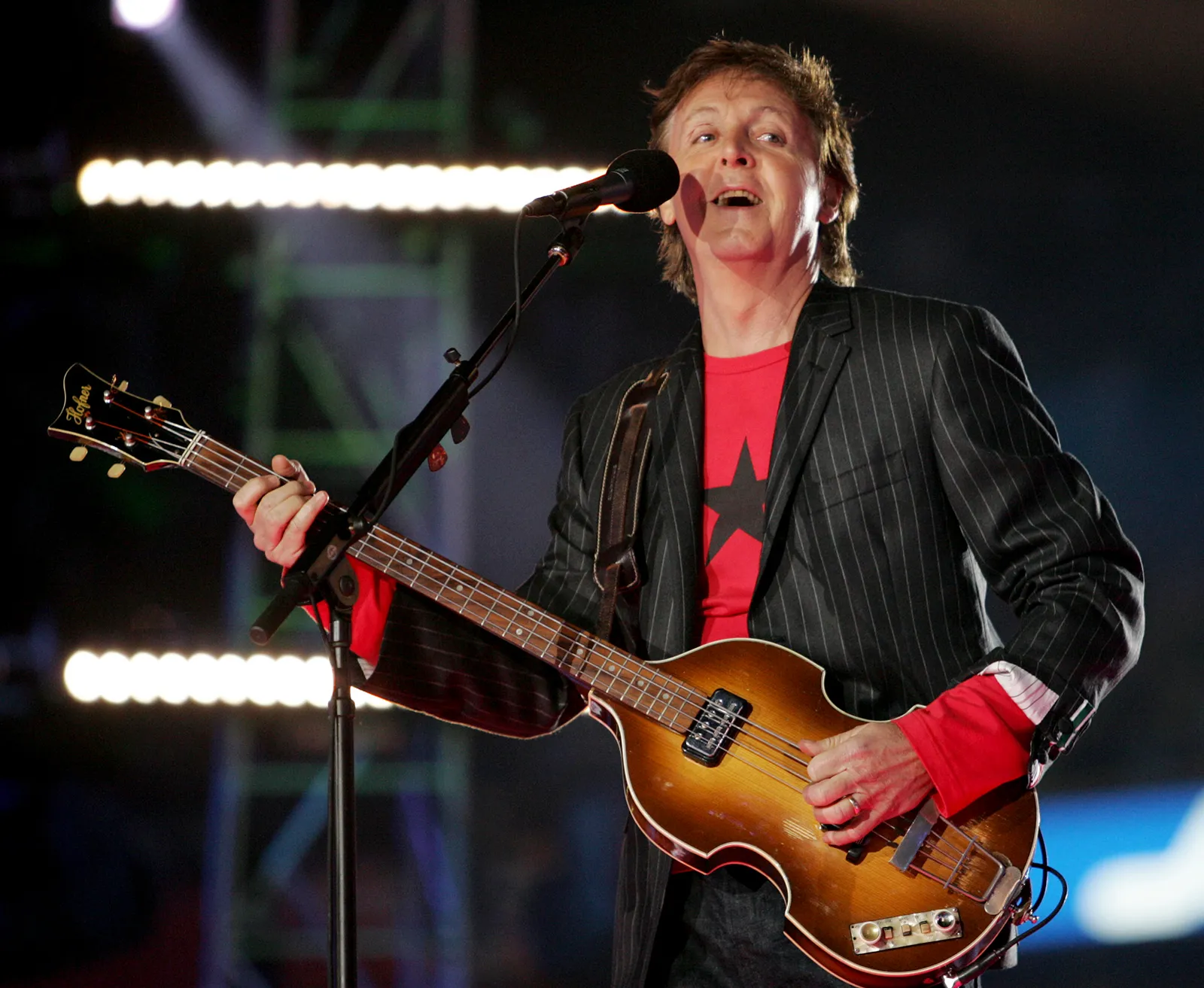
Why Paul McCartney Considered Giving Up Music
The idea of Paul McCartney leaving music altogether was not simply a dramatic story created years later. McCartney himself has spoken about reaching that point after The Beatles ended.
In his account, depression and alcohol became part of his life during this period. He described drinking as enjoyable initially, but eventually realized that it was not making him happier or helping him move forward.
There was also the enormous psychological burden of comparison. Whatever McCartney did next would inevitably be measured against The Beatles, a band whose records had transformed popular music. His own official website later described forming Wings as a major professional risk because he had to decide whether to continue making music after the group had finished.
The Scottish Farm That Gave Paul McCartney Space
After the breakup, McCartney and Linda spent time at High Park Farm on Scotland's Kintyre peninsula. Away from London and the intense attention surrounding The Beatles, the remote environment gave McCartney a chance to step away from the expectations surrounding his career.
The isolation was difficult, but it also became productive. McCartney later described learning practical farm work and becoming more self-dependent, experiences that helped him feel that he was taking control of his own life again.
Music did not disappear completely, however. Instead, McCartney began recording in a much more private and informal way. His first solo album, McCartney, was released in April 1970, with McCartney performing the instruments and vocals himself apart from backing vocals by Linda.
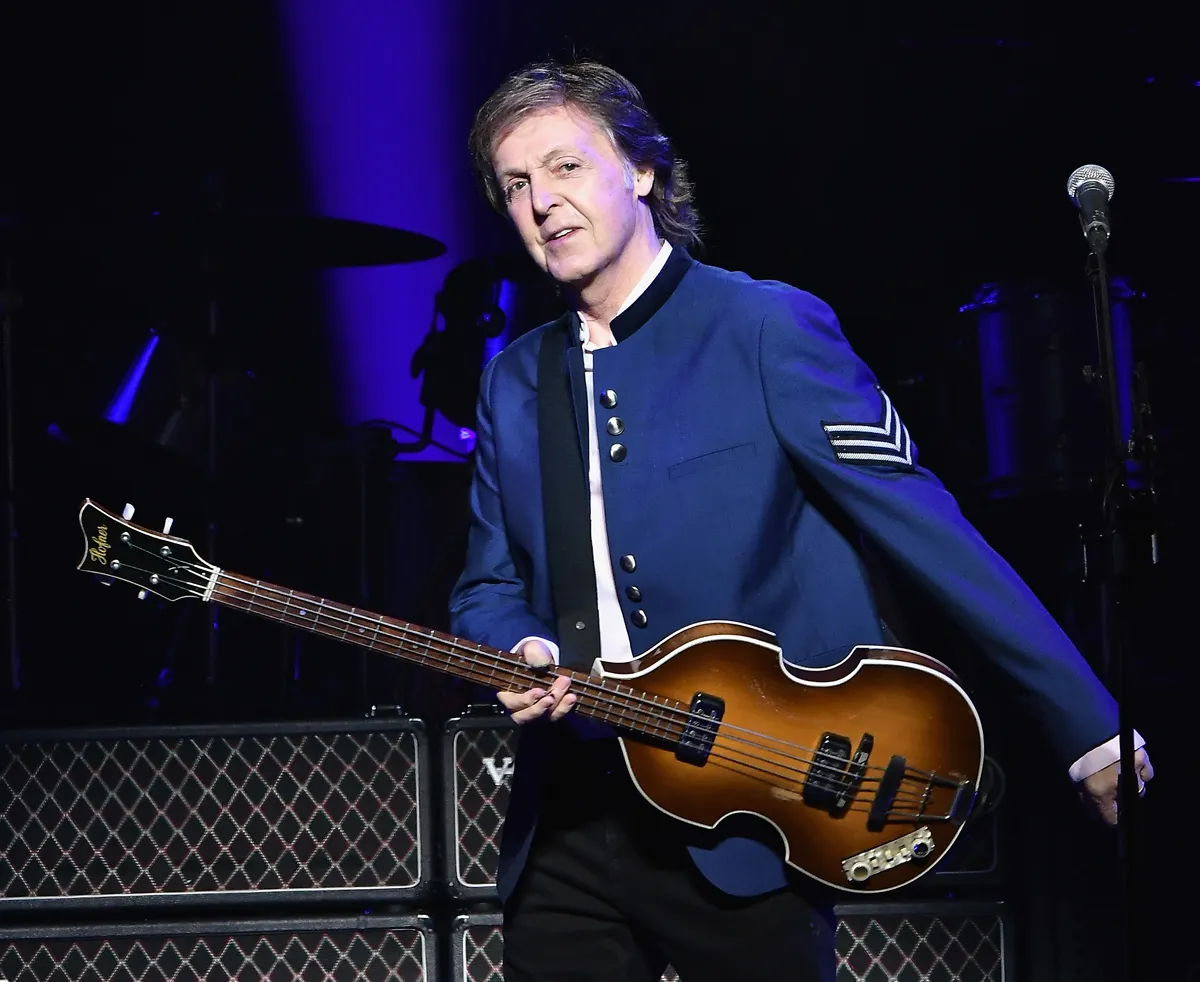
McCartney: Starting Again From Almost Nothing
The album McCartney represented a striking change from the highly organized recording process of The Beatles. Rather than working as part of a four-person creative unit, McCartney largely handled the music himself.
One of its most enduring songs was “Maybe I'm Amazed,” a deeply personal composition inspired by his relationship with Linda. The album allowed McCartney to experiment without having to satisfy the expectations of an established band.
At the same time, the project was not the confident comeback that might be imagined in retrospect. McCartney was still trying to understand what his life and career would look like after The Beatles. His official timeline describes the 1970s as a period in which he redefined himself following the split.
Why Forming Wings Was Such a Risk
In July 1971, McCartney formed a new band with Linda and musicians who had worked on Ram. The group would eventually become known as Wings.
For McCartney, this was not simply a matter of assembling another successful rock group. He was effectively starting over. His official website recalls that he and the early Wings lineup deliberately returned to smaller venues and spontaneous university performances instead of immediately attempting to recreate the scale of The Beatles.
That decision exposed McCartney to something he had not experienced for years: uncertainty. He was no longer automatically playing to enormous audiences simply because his name was Paul McCartney. Wings had to develop its own identity, earn its own following and prove that McCartney could succeed outside The Beatles.
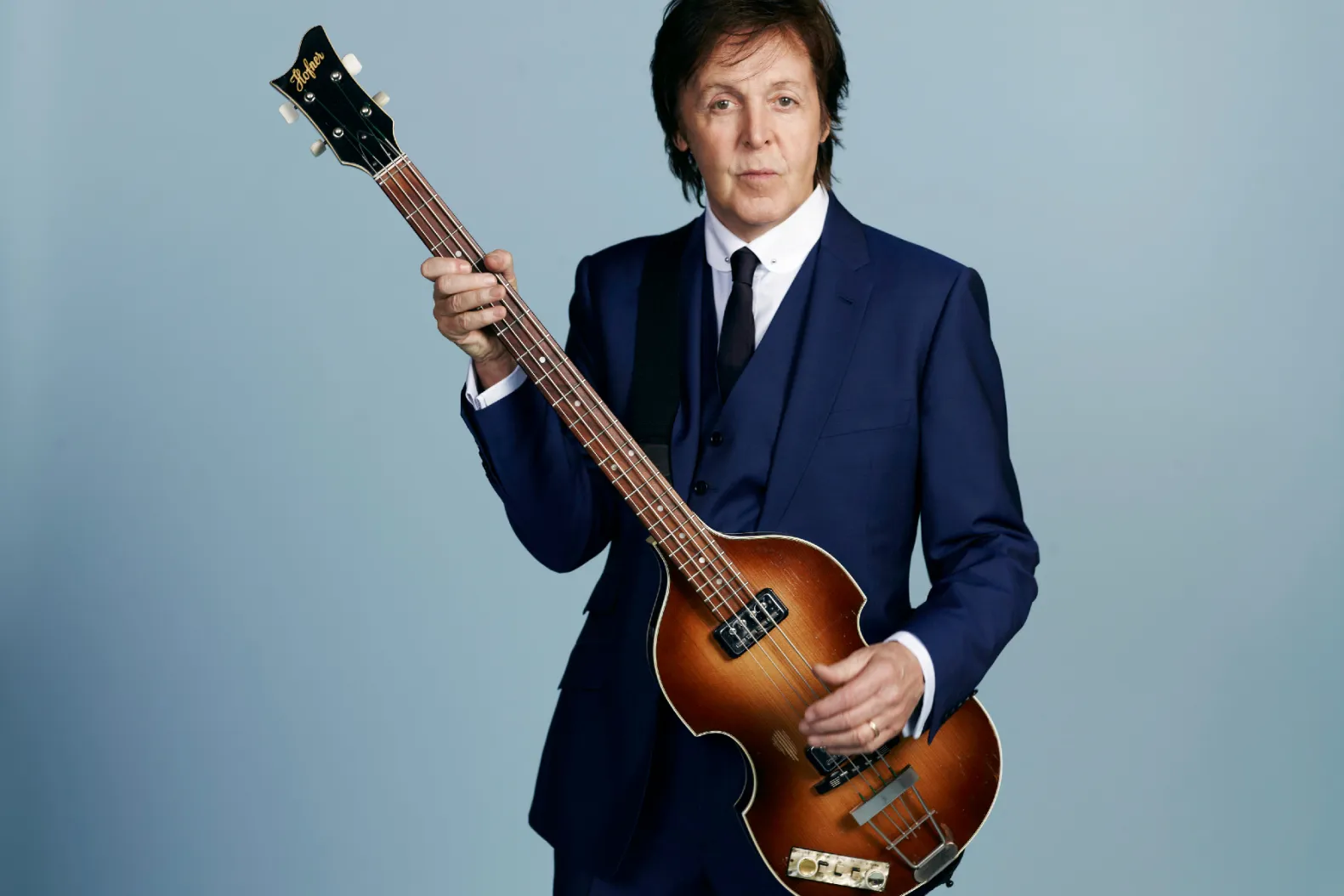
The Early Wings Years Were Not Easy
The first years of Wings were far from the effortless success associated with The Beatles. Early releases received mixed reviews, and critics often compared the new band with McCartney's previous work.
Linda McCartney's involvement also attracted criticism because she had not been a professional musician before joining the group. McCartney later acknowledged that the decision was difficult and that negative reviews focusing on Linda could be hurtful.
Instead of trying to create a second version of The Beatles, McCartney chose to learn how to be in a band again. He has explained that Wings needed to develop through experience, much as The Beatles had done during their early years.
How Paul McCartney Found His Way Back
Gradually, the decision to keep making music began to pay off. Wings developed its own sound and identity, while McCartney regained the confidence to perform and create without constantly relying on The Beatles' legacy.
The breakthrough came with albums such as Band on the Run. Released in December 1973, it became a major success and demonstrated that McCartney could build another commercially powerful chapter after The Beatles.
Looking back, McCartney has described forming Wings as one of the biggest professional risks of his career. What initially felt like starting from almost nothing eventually became a successful reinvention.
Paul McCartney Chose Music After All
The most interesting part of McCartney's post-Beatles story is that he genuinely had another option. He later explained that after The Beatles ended, he faced the choice of continuing with music or finding something else to do. Ultimately, he decided that music was still where he belonged.
That decision changed the course of his career. Instead of trying to recreate The Beatles, he built a new identity through solo records, Wings and eventually decades of work under his own name.
The period also reveals a less familiar side of Paul McCartney. Behind the extraordinary confidence of the Beatle was a young musician who was suddenly unsure of his future, struggling with depression and wondering whether his greatest creative chapter had already ended.
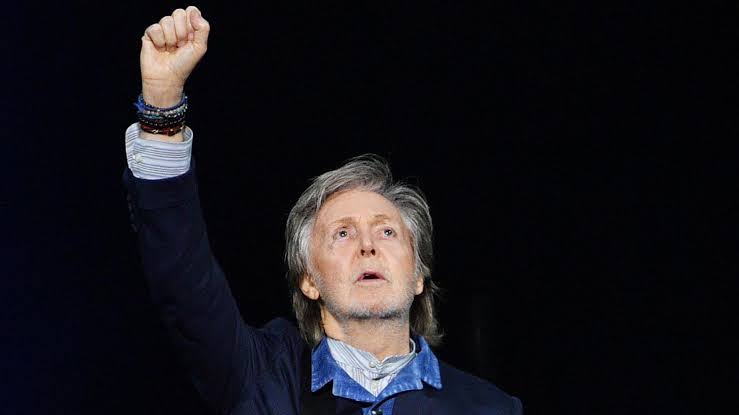
The Chapter That Nearly Never Happened
The story of Paul McCartney after The Beatles is therefore not simply a story of instant success. It began with uncertainty, depression, isolation and the possibility that he might walk away from music altogether.
But the decision to keep going eventually produced Wings, Band on the Run and a second musical career that lasted for decades. What looked like the end of McCartney's musical identity became the beginning of one of the most remarkable reinventions in popular music.
Conclusion
Paul McCartney nearly walked away from music after The Beatles broke up, but the difficult period ultimately pushed him toward a new beginning. From the isolation of Scotland to the uncertain early days of Wings, McCartney had to discover how to make music without The Beatles—and in doing so, created a legacy that extended far beyond the band that made him famous.
Why Kevin Costner Hesitated to Speak at Whitney Houston’s Funeral
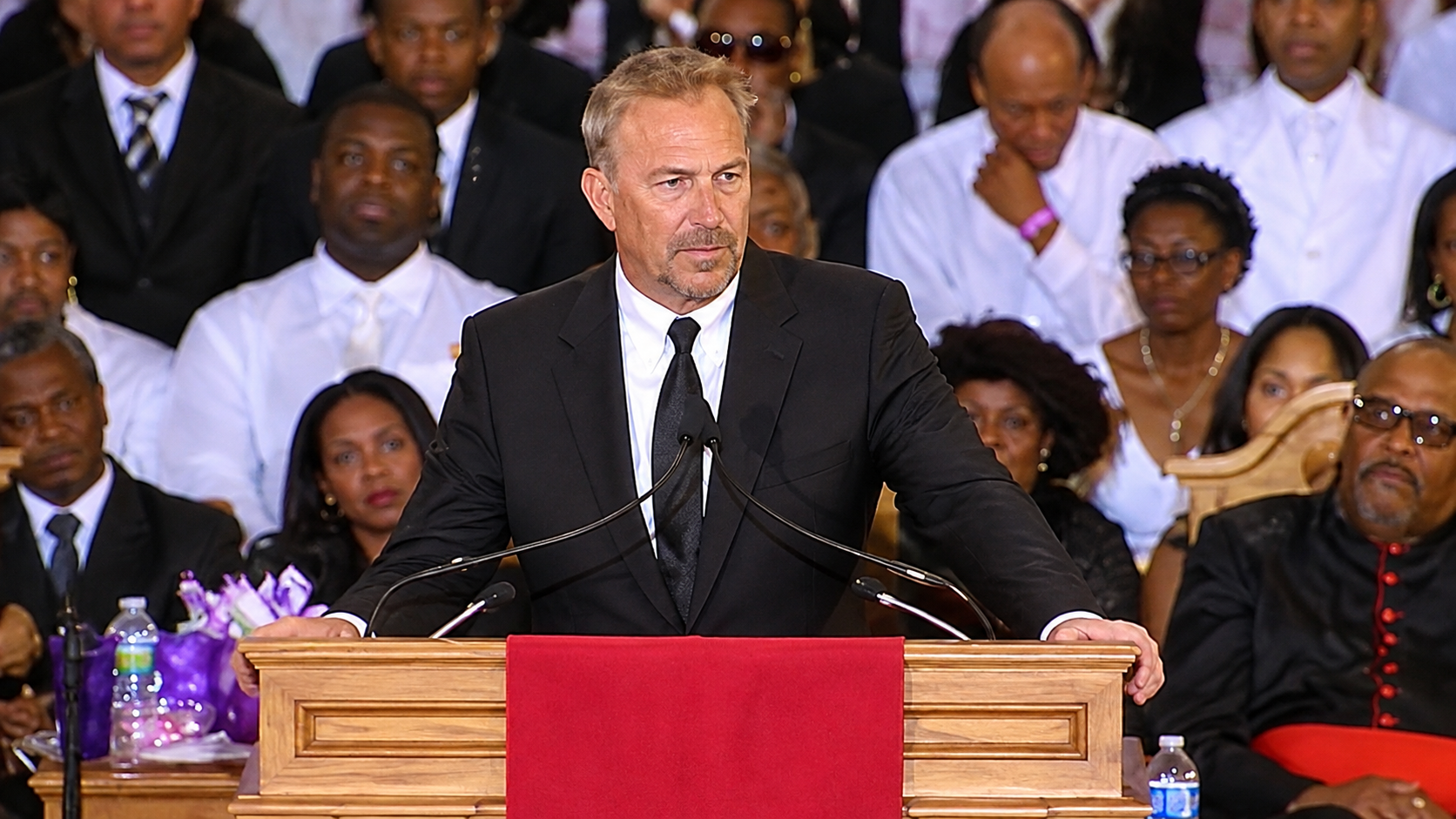
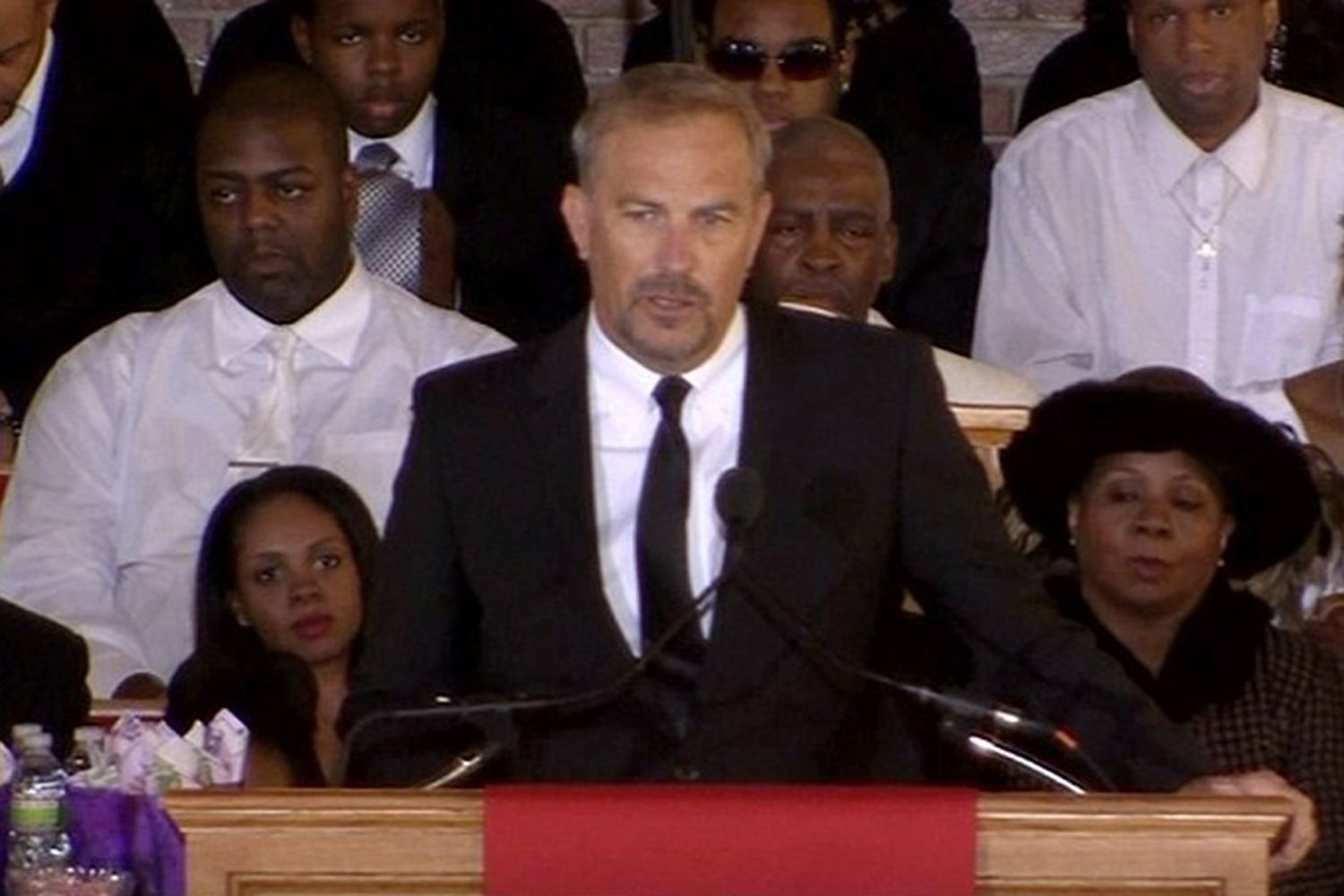
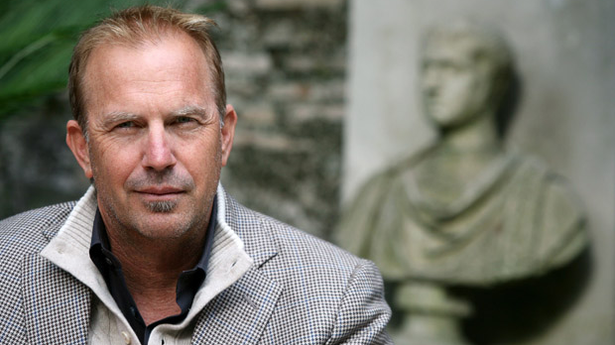
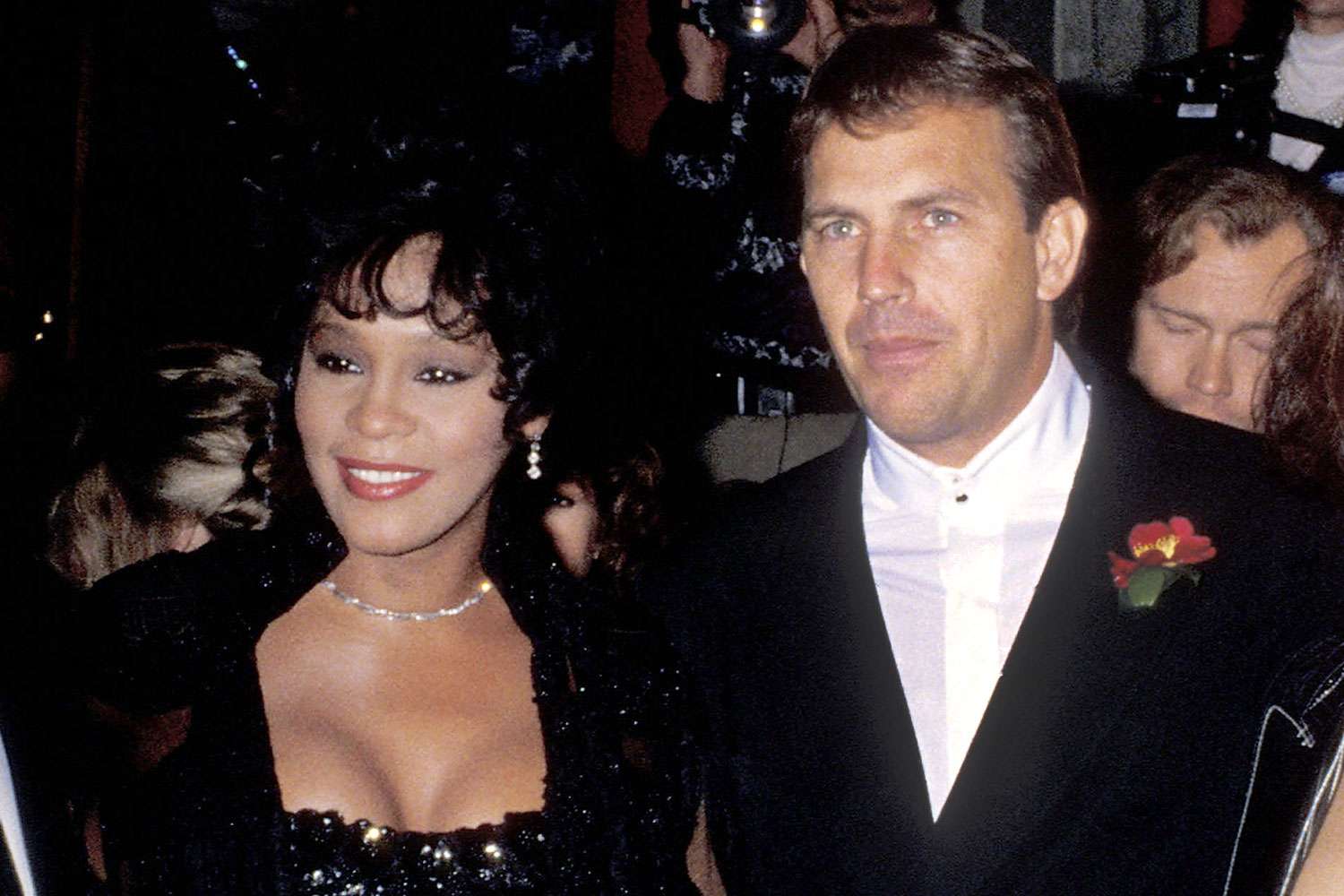
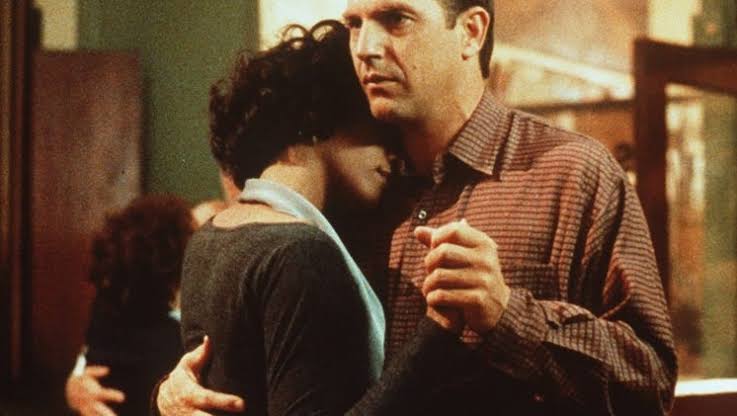
Whitney Houston’s Funeral brought together family, friends, and music legends to remember one of the greatest voices of her generation. Among those asked to speak was Kevin Costner, her co-star in The Bodyguard and a longtime friend. Yet, despite their meaningful connection, Costner initially questioned whether he was the right person to deliver a tribute. A heartfelt phone call from Dionne Warwick ultimately changed his mind, leading to one of the most memorable moments of the service.
Comments 0