Streaming Prices Set to Rise in 2026 — Netflix, Paramount+, and What Viewers Should Expect
In 2026, millions of Americans who rely on streaming services for entertainment will face higher subscription costs as platforms like Netflix and Paramount+ increase their monthly prices. This trend reflects broader industry shifts as media companies navigate rising production expenses, competition, and the economic pressures of delivering content in a crowded digital marketplace. Newsweek
The streaming world has evolved dramatically over the past decade. Once a cheaper alternative to cable television, it is now an essential part of American entertainment — but that convenience is coming at a steeper cost. From blockbuster originals to live sports and exclusive releases, platforms are betting that consumers will continue to pay more for premium content. Here's a deep look at the latest changes, what they mean for subscribers, and why prices just keep going up.
Price Hikes Coming in 2026: Key Platforms Affected
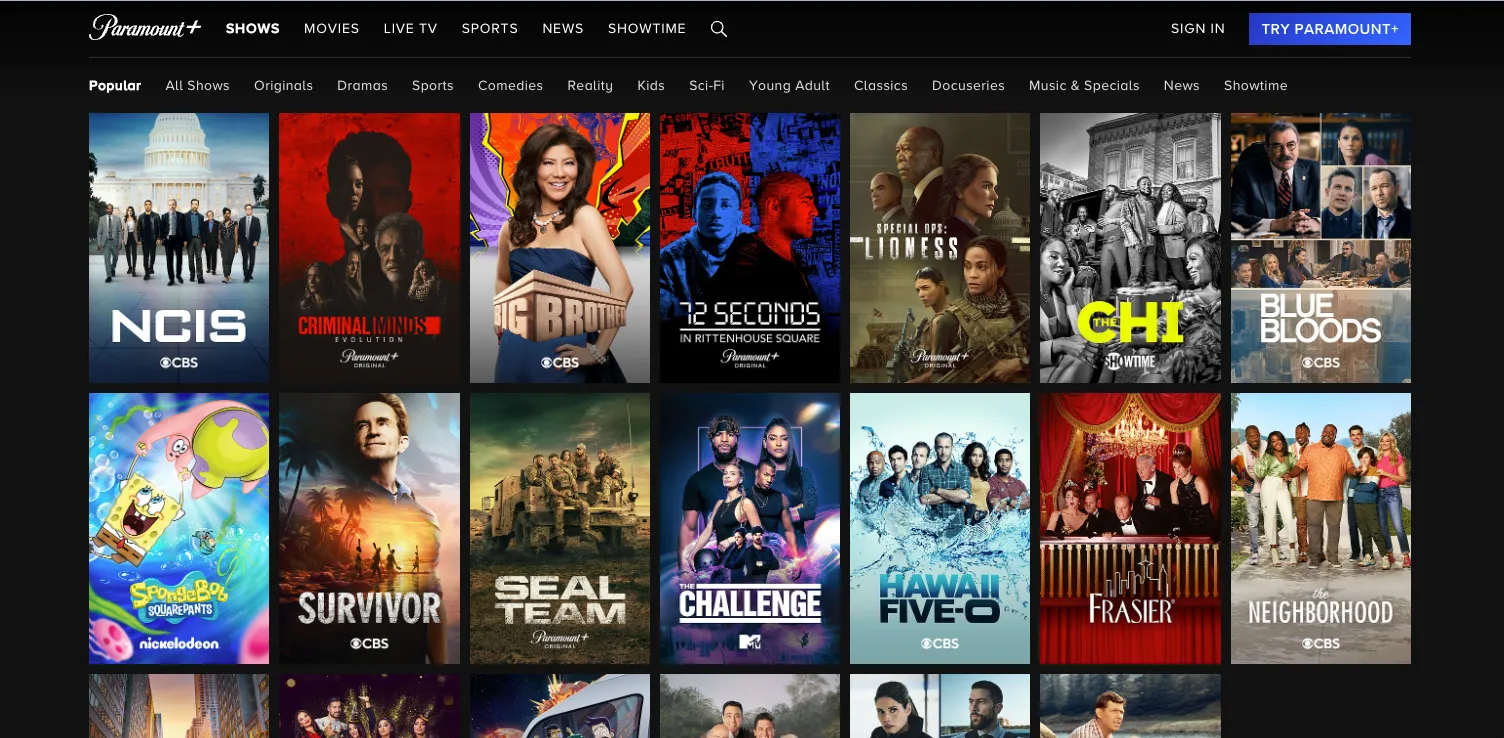
Paramount+
Starting January 15, 2026, Paramount+ will raise its subscription rates for U.S. users:
-
The ad-supported Essential plan will increase from $7.99 to $8.99 per month.
-
The ad-free Premium plan will jump from $12.99 to $13.99 per month.
-
Annual pricing will also rise, with the Essential plan going to $89.99 per year and Premium to $139.99 per year. Newsweek+1
Paramount+ executives say the increase will help fund more original programming — including sports content like UFC and expanded film and TV libraries — and support improvements to the user experience. The Verge
Netflix Price Increases (Estimated)
While Netflix has not formally released official figures specifically for 2026, industry reports and recent company behavior suggest continuing price hikes will affect U.S. subscribers. Recent updates indicate most of Netflix’s streaming plans have already increased in 2025 — and analysts expect the trend to persist into 2026. Facebook
Multiple reports note that Netflix’s ad-supported and ad-free tiers have risen in cost over time, with standard plans often costing significantly more than in previous years. External tracking suggests Netflix’s standard and premium plans could see modest increases in 2026 as the streamer invests more in premium original content and global programming to compete with rivals. IMDb
Amazon Prime Video
As of now, Amazon Prime Video has not confirmed a definitive price hike for 2026, though analysts have speculated consumers may face an increase of around $20 annually for Amazon Prime memberships — which bundle video, fast shipping, and digital perks. Newsweek reached out to Amazon for comment but did not receive confirmation at the time of reporting. Newsweek
Previously, Amazon introduced additional charges for ad-free viewing and tier changes that hint at how the company could adjust pricing in the future. Newsweek
Other Services on the Move
While Newsweek focuses on reported 2026 changes, subscription fees across the streaming landscape are rising overall:
-
HBO Max has increased prices for its ad-supported and ad-free tiers. Newsweek
-
Peacock raised prices with some plans nearly 40% more expensive in 2025. The Sun
-
Disney+ and other platforms similarly adjusted costs in late 2025. New York Post
Why Streaming Costs Keep Going Up
The streaming price trend isn’t random — it reflects several key industry forces:
1. Rising Production Costs
Original series, movies, and exclusive sports contracts are expensive. Major players like Netflix and Paramount+ spend billions each year developing content to retain subscribers, often competing head-to-head for big names and global hits. New York Post
This competition extends to high-profile deals like those for the UFC or major Hollywood talent, which require substantial financial commitments and incentives that ultimately factor into subscription pricing.
2. “Streamflation” and Subscriber Value
Economists now use the term “streamflation” to describe the rising cost of streaming services across the board — a pattern similar to inflation but specific to digital entertainment. Consumer data shows that prices have risen consistently over recent years as streaming has matured from a niche market to a mainstream media staple. Investopedia
This trend means the average American household may now spend dozens of dollars more per month on streaming, especially if they subscribe to multiple services. New York Post
3. Global Competition and Content Licensing
Streaming companies compete not just in the U.S., but globally — meaning they pay for regional rights, international licensing deals, translations, and exclusive releases that increase operational costs.
As streaming wars expand worldwide, companies often raise prices to maintain robust libraries and exclusive offerings that differentiate them from competitors.
Impact on Consumers
With prices increasing nationwide, households face tougher decisions about how to budget for entertainment.
Budget Scrutiny and Subscriber Choices
Many consumers are now:
-
Reviewing subscriptions more closely, choosing only the services they use most.
-
Switching to ad-supported tiers to save money.
-
Bundling services with telecom or TV packages for lower rates.
-
Sharing accounts — though some platforms (like Netflix) have cracked down on unauthorized sharing.
A recent survey found a rising number of Americans have canceled services due to higher costs — indicating price sensitivity among streamers. New York Post
The Ad-Supported Shift
To cushion the blow of price hikes, many streaming platforms now emphasize lower-cost plans that include ads. These options appeal to cost-conscious viewers willing to trade a few commercial interruptions for savings.
Ad-supported plans have grown in popularity, with some services reporting that nearly half of total viewership comes from these cheaper tiers. Investopedia
Expert Commentary: What Analysts Are Saying
Industry analysts stress that streaming price increases are both a financial necessity and a consumer challenge.
-
Content investments require sustainable revenue streams, and subscription fees are a core pillar of that model.
-
Bundling and tiering strategies may help mitigate subscriber loss by offering options at different price points.
-
Consumer benefits like original programming, early releases, and exclusive sports content are part of platforms’ efforts to justify the higher costs.
Analysts also emphasize that streaming firms need to balance price growth with subscriber retention — too many hikes without perceived value could drive cancellations.
Looking Ahead: What to Expect in 2026 and Beyond
As we move into 2026:
-
More streaming services may adjust pricing to offset rising production and operational expenses.
-
Bundling deals and promotional offers will likely expand as companies compete for viewer dollars.
-
Ad-supported tiers may continue to grow as a lower-cost alternative for consumers unwilling or unable to pay premium rates.
-
Innovations in content delivery — such as interactive features, advanced personalization, and bundled entertainment ecosystems — could influence perceived value and subscriber loyalty.
What You Can Do as a Viewer
1. Review Your Subscriptions
Check which services you use most and whether you’re getting enough value to justify the cost.
2. Consider Ad-Supported Plans
If price increases are a burden, switching to an ad-supported tier can save money while still giving access to favorite shows.
3. Look Into Bundles
Telecom providers often offer bundles with multiple streaming platforms at lower combined prices.
4. Watch for Promotions
Holiday sales and promotional windows sometimes offer discounted or trial access — a chance to explore new content without long-term commitment.
Final Take: Streaming Is Changing — and So Are Prices
In 2026, streaming prices are on the rise. From Paramount+ cost bumps to expected increases at Netflix and speculative changes at Amazon Prime Video, many subscribers will pay more for the content they love. These price adjustments reflect deeper shifts across the entertainment landscape — including rising production costs, fierce competition, and evolving consumer expectations.
For viewers in the U.S., understanding these changes can help make smarter subscription choices and manage entertainment budgets wisely in a world where streaming has never been more essential — or more expensive.
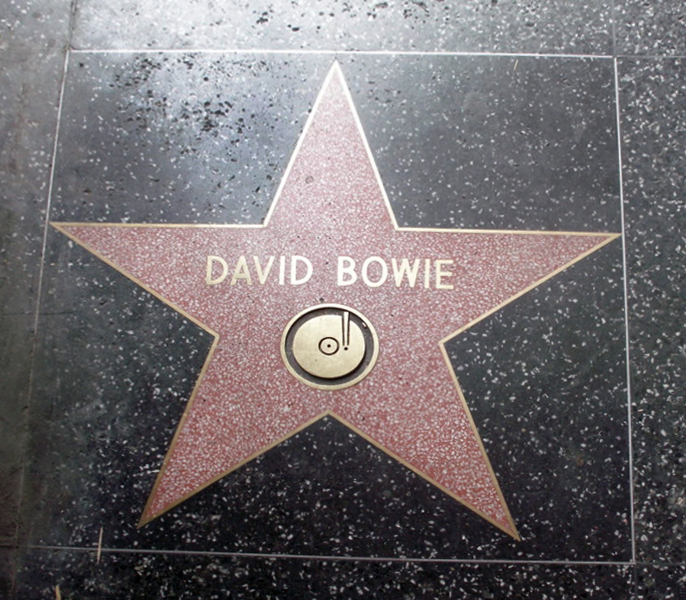
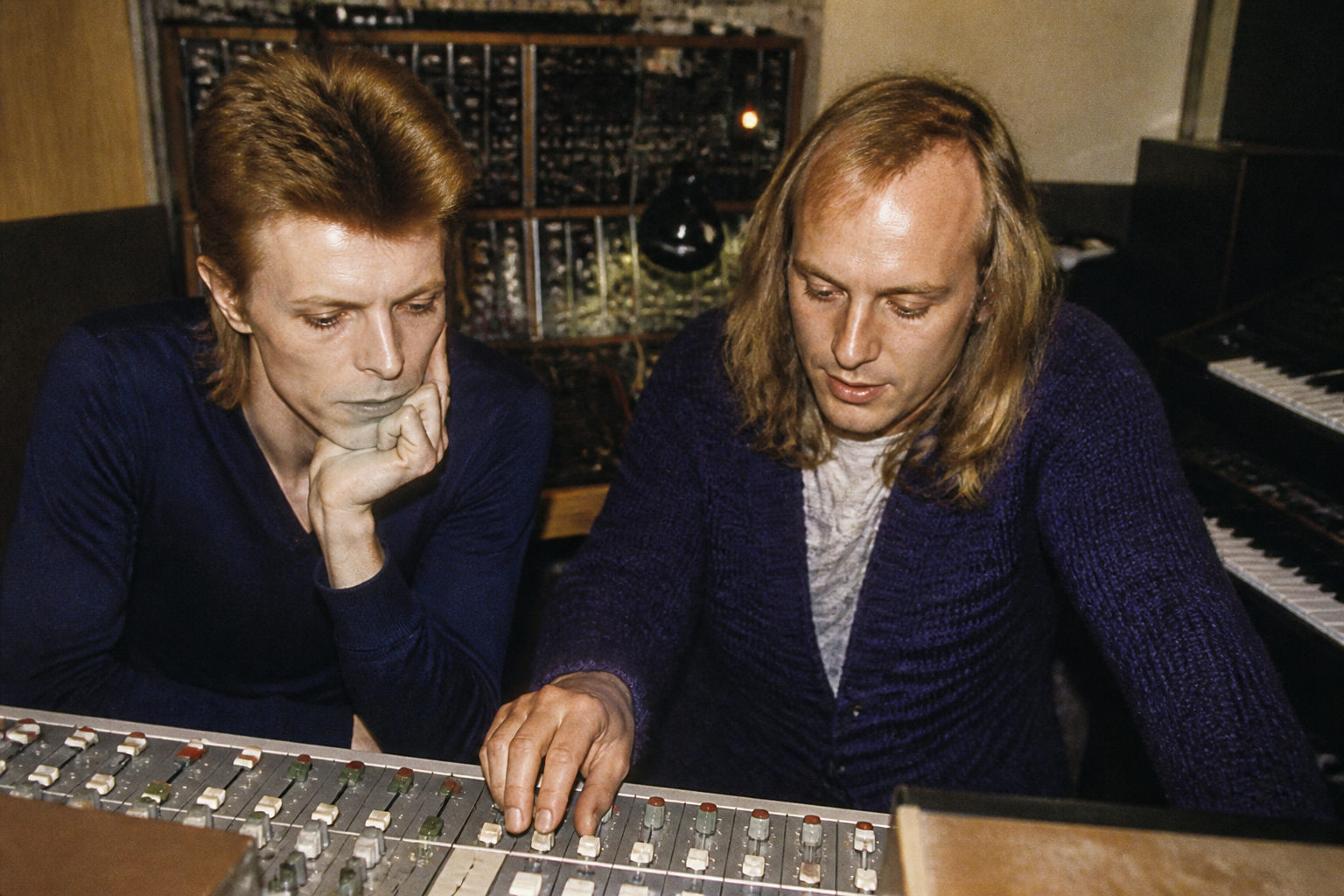
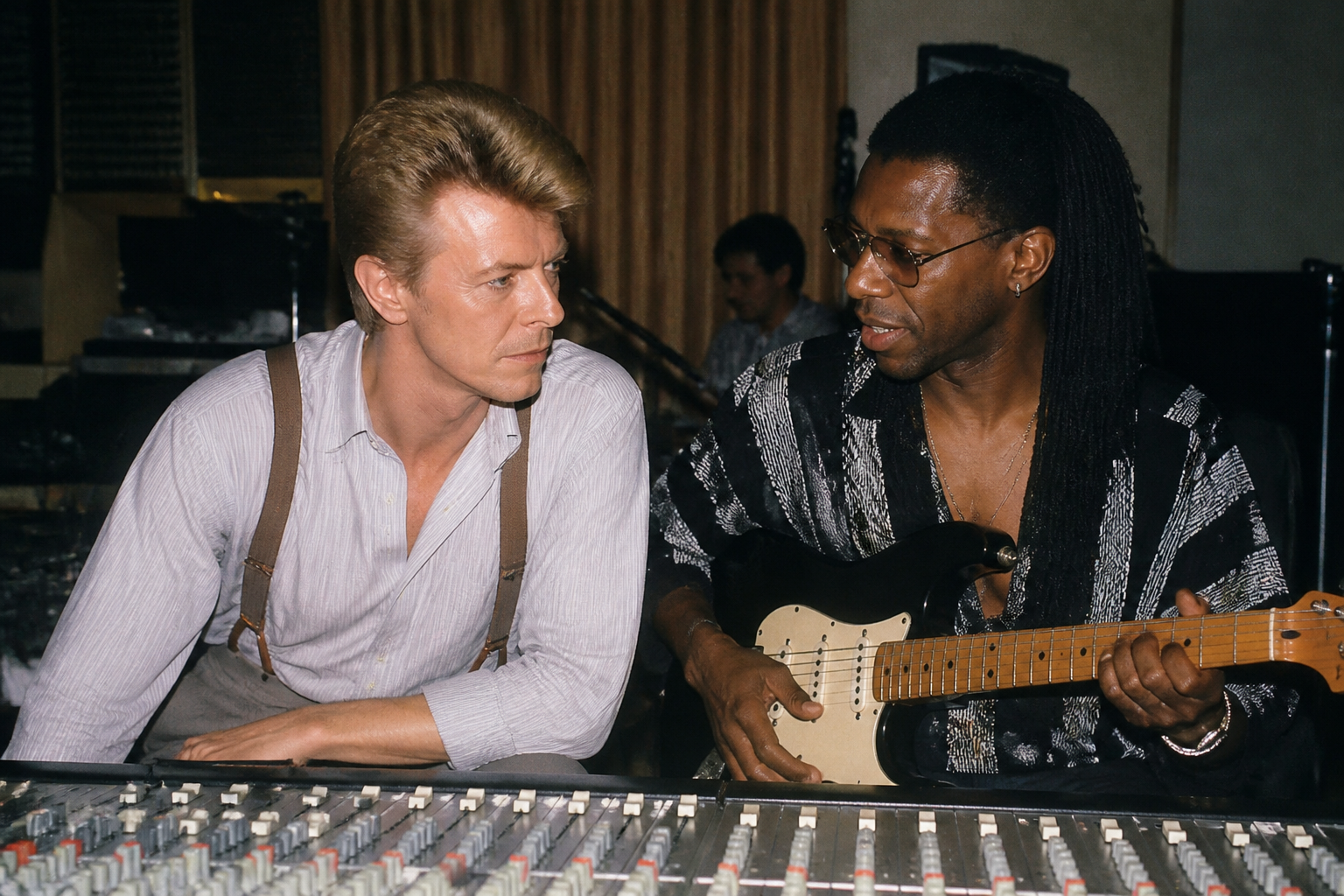
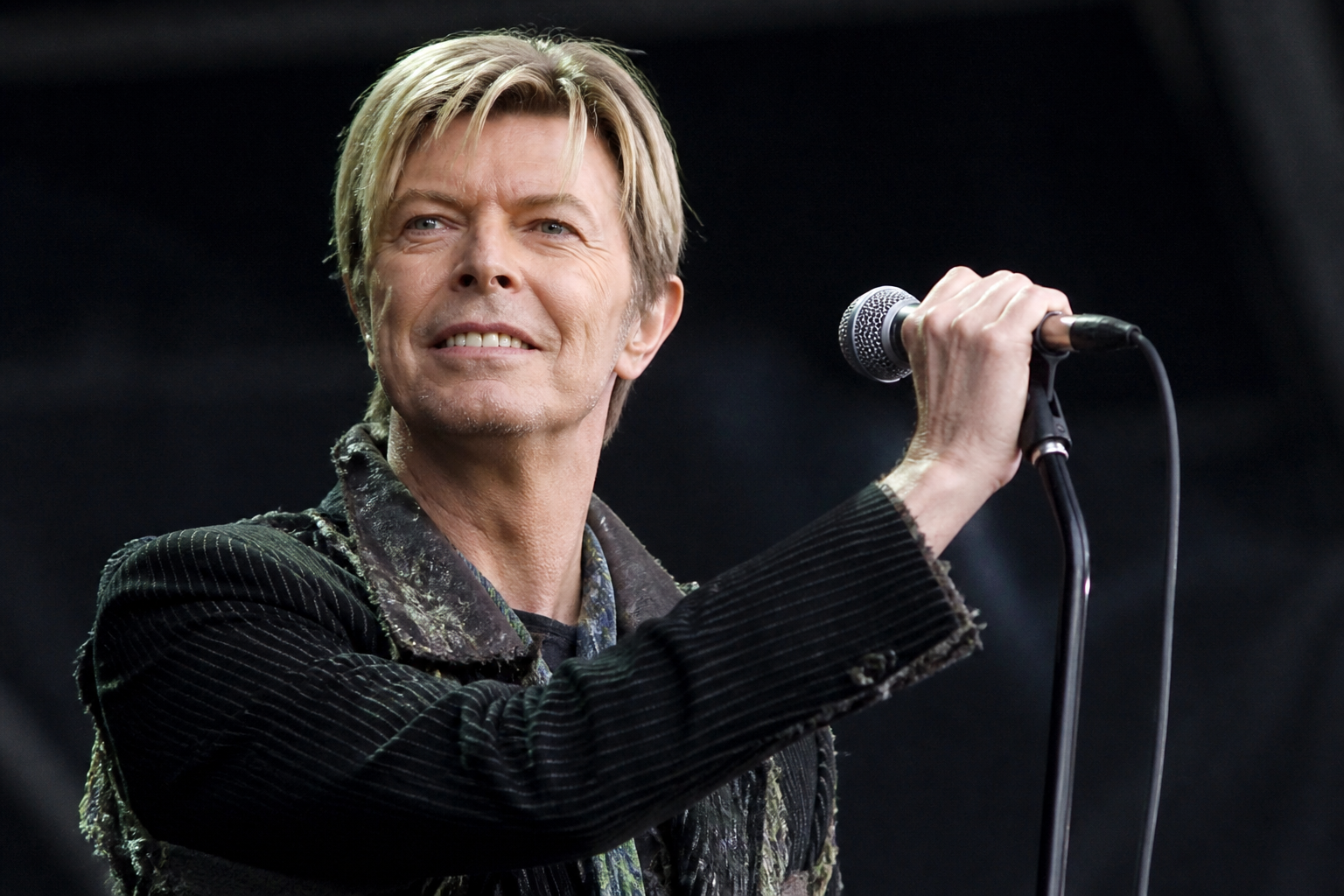
How David Bowie Reinvented Himself and Changed Music Forever

David Bowie made reinvention part of his artistic identity, and popular music has never quite looked the same. Across five decades, he treated image, sound, and performance as connected pieces of one creative vision. That approach made him one of the clearest examples of how a single artist could reshape an era without staying in one place for long.
Comments 0