Awards season thrives on momentum — and this year, that momentum just shifted dramatically.
The latest ceremony from the British Academy of Film and Television Arts didn’t just celebrate excellence in cinema. It completely rewired the narrative heading into the Academy of Motion Picture Arts and Sciences biggest night of the year.
For months, the supporting acting races appeared stable. Predictions solidified. Campaign strategies locked in. Industry insiders felt confident about who was leading — and who was trailing.
Then the BAFTAs happened.
In a matter of hours, long-standing assumptions collapsed, new frontrunners emerged, and what once looked like predictable Oscar outcomes suddenly became wide-open contests.
Awards season watchers now face a dramatically different landscape — one that could redefine the final results in ways few anticipated.

Why the BAFTAs Matter So Much in Oscar Season
To casual movie fans, film awards may seem like separate celebrations. But within the industry, they function more like interconnected signals — each one shaping expectations for the next.
The BAFTAs, in particular, carry enormous predictive weight.
They often land at a crucial moment in the awards calendar, when:
-
Oscar voting is underway or about to begin
-
Campaign narratives are at peak intensity
-
Industry sentiment is still flexible
-
Media attention is highly concentrated
Because of this timing, BAFTA winners don’t just reflect opinion — they influence it.
When a performance wins here, it gains:
-
Visibility among Academy voters
-
Media amplification
-
Campaign legitimacy
-
Psychological momentum
Momentum, in awards season, is everything.
The Supporting Categories: Once Predictable, Now Volatile
Before the BAFTAs, the supporting acting races followed a familiar pattern.
Industry analysts typically look for alignment across major precursors, including:
-
Critics’ awards
-
Guild honors
-
International film academies
-
Festival buzz
When one performer consistently wins across these bodies, they become the presumed Oscar frontrunner.
This year seemed to follow that pattern — until the BAFTAs delivered unexpected results that challenged the dominant narrative.
Suddenly, performances previously viewed as secondary contenders gained legitimacy. Meanwhile, presumed favorites faced new uncertainty.
That’s the power of disruption at precisely the right moment.

Momentum vs. Narrative: The Real Battle Behind Awards Season
Awards season is not just about performance quality. It’s about narrative construction.
Campaign teams carefully build stories around nominees:
-
The long-overdue recognition arc
-
The breakthrough performance narrative
-
The transformative role storyline
-
The career-defining achievement framing
When BAFTA winners diverge from those narratives, they force a recalibration.
Voters begin asking:
-
Did we overlook something?
-
Is critical consensus shifting?
-
Is industry sentiment evolving?
Once those questions enter the conversation, the race is no longer settled.
It becomes fluid.
How BAFTA Victories Reshape Voter Psychology
The influence of major awards extends beyond publicity — it affects perception.
Winning a prestigious international honor signals legitimacy across borders and industries. It suggests that excellence transcends cultural or institutional bias.
For Oscar voters, this matters.
Psychologically, voters may interpret BAFTA results as:
-
Confirmation of artistic merit
-
Evidence of global support
-
Validation of campaign strength
-
A sign of growing consensus
Even voters who already favored a different candidate may reconsider their stance.
That ripple effect can shift hundreds — sometimes thousands — of ballots.
The Strategic Timing That Changes Everything
Not all awards have equal influence. Timing is the decisive factor.
Early awards establish conversation. Late awards influence decisions.
The BAFTAs sit in a uniquely powerful position because they occur when:
-
Oscar voters are paying maximum attention
-
Campaign messaging is highly visible
-
Public discourse is fully activated
This makes BAFTA wins feel less like retrospective honors and more like real-time signals.
In effect, they function as a final temperature check before ballots are finalized.
When Precursor Alignment Breaks Down
In a typical awards season, major ceremonies tend to align — reinforcing the same frontrunners.
But when alignment breaks, unpredictability rises sharply.
A split between:
-
Critics’ awards
-
Industry guilds
-
International academies
creates competing narratives of legitimacy.
When BAFTA results diverge from earlier expectations, they introduce ambiguity — and ambiguity fuels suspense.
That’s exactly what’s happening now in the supporting races.
Campaign Strategy in the Aftermath of a Surprise Win
Campaign teams don’t passively accept awards results. They respond strategically.
After a major upset, campaigns often:
-
Amplify new narratives through interviews and press coverage
-
Emphasize “momentum” messaging
-
Highlight international recognition
-
Increase targeted voter outreach
Meanwhile, previously dominant campaigns must shift from confidence to persuasion — reminding voters why their candidate still deserves support.
This dynamic intensifies competition in the final stretch.
The Role of Global Recognition in Modern Oscar Voting
The Academy has become increasingly international in recent years.
Membership expansion has introduced voters from diverse geographic and cultural backgrounds, meaning global recognition carries greater influence than ever before.
BAFTA success signals cross-border appeal — an important factor in a more globally representative voting body.
This structural shift explains why international awards now hold even more predictive power than in previous decades.
Media Amplification: The Engine of Awards Momentum
Another reason BAFTA results matter is media response.
When a surprise win occurs, headlines multiply rapidly. Coverage intensifies. Analysis expands.
This creates a feedback loop:
-
A win generates news coverage
-
Coverage raises visibility
-
Visibility influences perception
-
Perception affects voting
In the modern media ecosystem, narrative momentum can build almost instantly.
Awards season is as much about attention as achievement.
Historical Precedents: When BAFTAs Predicted the Oscars — And When They Didn’t
The relationship between BAFTA winners and Oscar winners is complex.
Sometimes BAFTA results align almost perfectly with final Academy outcomes.
Other times, they diverge dramatically.
When divergence occurs, it usually signals one of three possibilities:
-
The Oscar race is genuinely competitive
-
Voter demographics differ significantly
-
Campaign momentum is still evolving
This year’s shake-up suggests we may be in the second or third scenario — or both.
Why Supporting Categories Are Especially Vulnerable to Change
Leading categories often build stronger consensus because performances receive more visibility and campaign attention.
Supporting categories operate differently.
They frequently feature:
-
Smaller screen time performances
-
Ensemble casts
-
Less centralized campaign focus
-
Greater stylistic diversity
Because of this, voter opinion is often less entrenched.
A single major award can meaningfully shift perception — especially late in the season.
That makes supporting races uniquely sensitive to BAFTA influence.
The Emotional Factor in Awards Voting
Awards voting is not purely analytical.
Emotion plays a significant role.
A compelling acceptance speech…
A moving performance clip…
A viral moment on stage…
These emotional experiences can influence memory and perception in subtle ways.
When BAFTA winners deliver memorable moments, they create emotional associations that linger through the remainder of awards season.
Emotion reinforces recognition — and recognition drives votes.
Industry Implications Beyond the Oscars
The ripple effects extend far beyond trophies.
Awards outcomes influence:
-
Future casting decisions
-
Studio investment priorities
-
Talent negotiating power
-
Global distribution interest
A supporting actor win — or loss — can alter career trajectories for years.
That’s why BAFTA disruptions matter not just to fans, but to the entire film industry ecosystem.
The Psychology of “Late Momentum”
One of the most powerful forces in awards season is late momentum.
Humans naturally weight recent information more heavily than earlier impressions — a cognitive bias known as recency effect.
When BAFTA wins occur close to final voting deadlines, they benefit from this psychological advantage.
Voters remember what happened last.
And what happened last often feels most relevant.
What This Means for Oscar Predictions Now
Predictive models must now adjust.
Analysts typically evaluate:
-
Precursor award alignment
-
Media sentiment
-
Historical patterns
-
Campaign visibility
BAFTA disruption forces recalibration across all four.
Prediction certainty declines. Probability spreads across more contenders. The race becomes genuinely competitive again.
For fans, this means excitement.
For campaigns, it means urgency.
The Bigger Story: Awards Season as Narrative Warfare
Ultimately, awards season is a storytelling competition layered on top of artistic recognition.
Each ceremony contributes new plot points.
Each win rewrites the narrative arc.
The BAFTAs just delivered a dramatic twist — one that has transformed the supporting races from predictable to unpredictable.
And unpredictability is the lifeblood of Hollywood drama.
Final Takeaway: Nothing Is Settled Anymore
Before the BAFTAs, the supporting Oscar races seemed nearly decided.
Now, they’re anything but.
Momentum has shifted. Narratives have evolved. Campaign strategies are recalibrating in real time.
The final outcome remains uncertain — and that uncertainty is precisely what makes this awards season one of the most compelling in recent memory.
The road to Oscar night just became far more interesting.
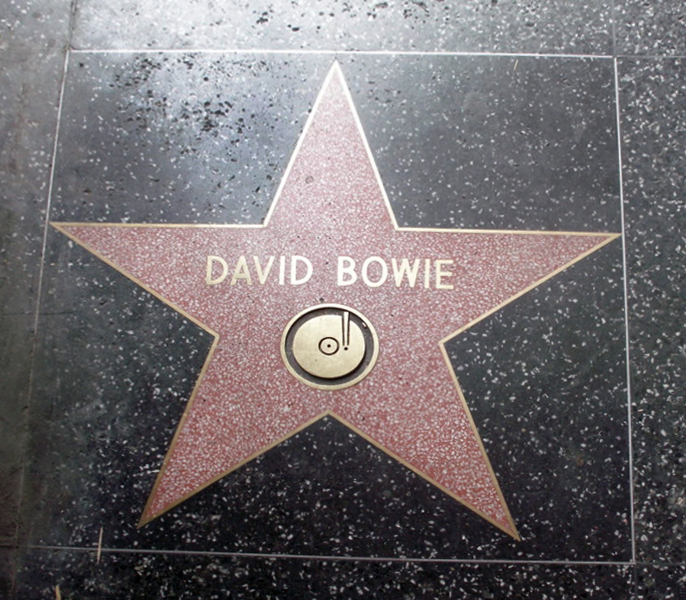
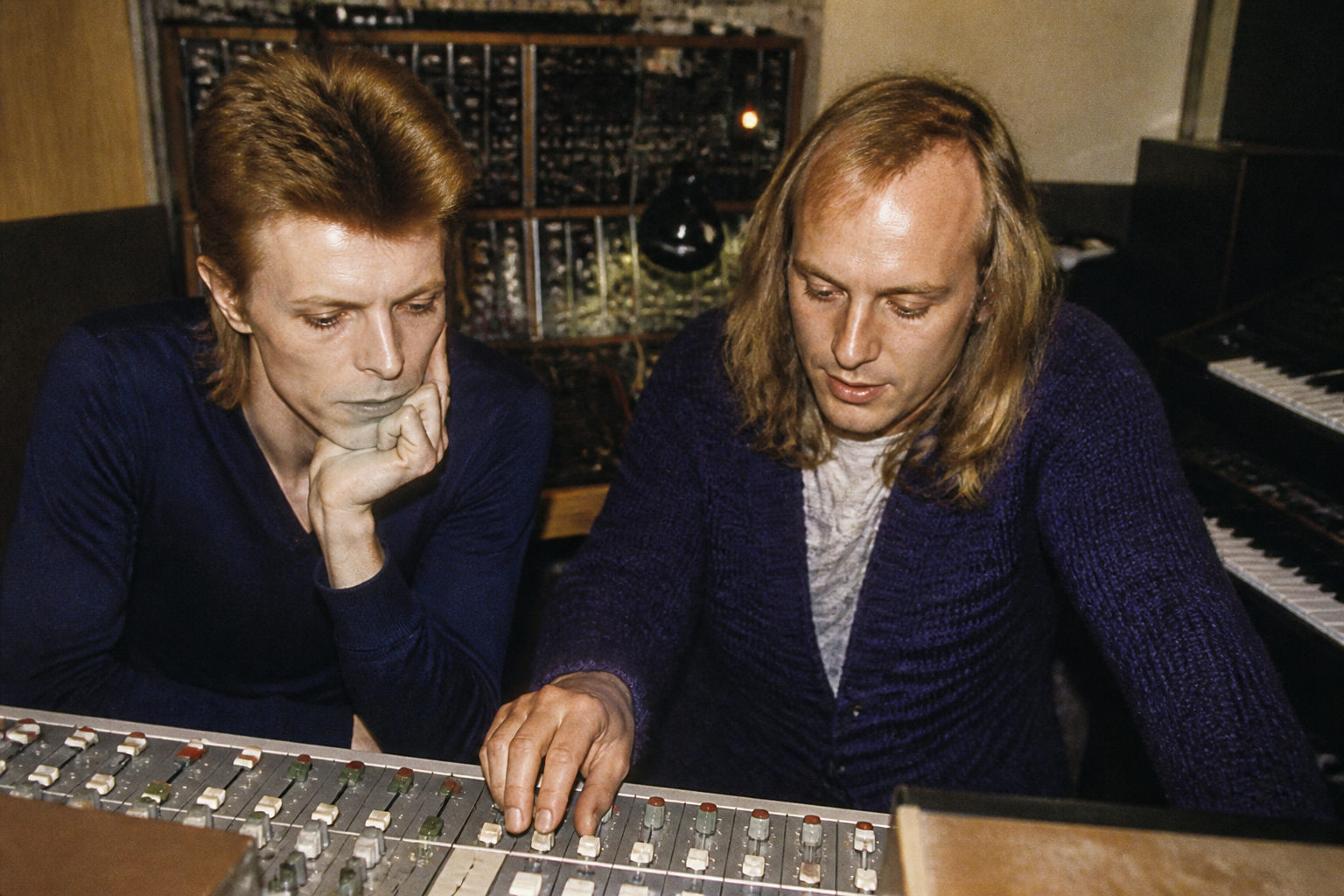
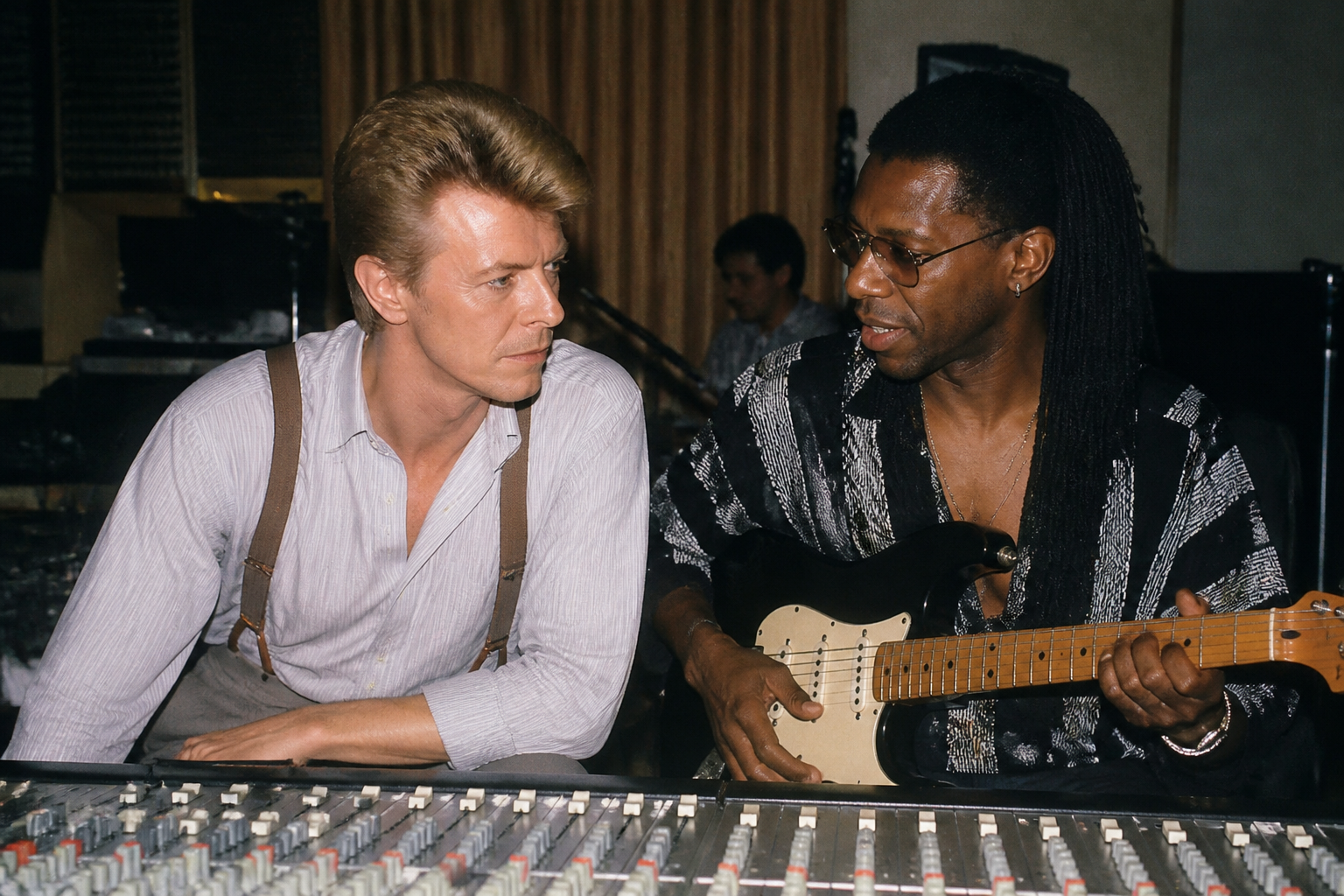
How David Bowie Reinvented Himself and Changed Music Forever

David Bowie made reinvention part of his artistic identity, and popular music has never quite looked the same. Across five decades, he treated image, sound, and performance as connected pieces of one creative vision. That approach made him one of the clearest examples of how a single artist could reshape an era without staying in one place for long.

Comments 0