The Last Time Jennifer Warnes Sang With Joe Cocker
For Jennifer Warnes, singing with Joe Cocker had always been something special. But when they performed together again in Berlin in 2013, she did not know it would be the last time they would ever share their famous song.
A Song That Connected Jennifer Warnes and Joe Cocker
The story of Jennifer Warnes and Joe Cocker was closely tied to one song: Up Where We Belong. Released in 1982 for the film An Officer and a Gentleman, the duet became a major success and won the pair a Grammy Award for Best Pop Performance by a Duo or Group with Vocals.
But their partnership was memorable for more than commercial success. Jennifer had wanted to sing with Joe, and their voices could hardly have been more different.
Years later, she described the experience in words that captured the unpredictability of performing beside him:
“Singing with Joe was often risky and always thrilling.”
For Jennifer Warnes, every performance seemed to carry an element of surprise. Joe would take liberties with the song, she recalled, and she would follow him wherever the music went.
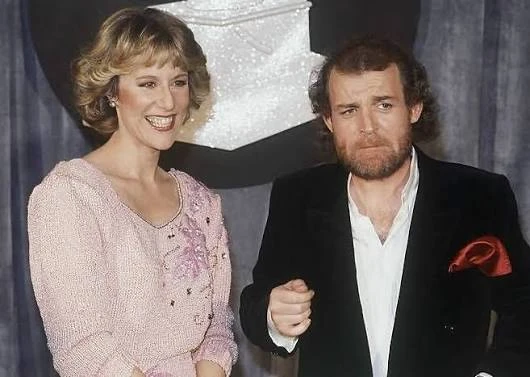
Their Final Performance in Berlin
In 2013, Joe Cocker was honored with a Goldene Kamera award in Berlin. Jennifer Warnes joined him there, and together they performed Up Where We Belong once again.
At the time, there was no reason for Jennifer to think that the reunion carried any special finality. It was another opportunity for two artists, whose names had been linked for more than three decades, to share the song that had defined their partnership.
But after Joe Cocker died in December 2014, Jennifer looked back at that meeting in Berlin differently.
“I Didn’t Know That Would Be Our Last Time”
In a remembrance written after Joe's death, Jennifer Warnes expressed the realization that had suddenly become impossible to escape:
“I realized yesterday that we will never sing our song again. That thought makes me feel sick.”
She then remembered their meeting in Berlin:
“We met last year in Berlin to sing together. I didn’t know that would be our last time.”
The words gave their final performance a meaning it had never possessed while it was happening. What had simply been another reunion became, in hindsight, a goodbye neither of them had planned.
Jennifer did not know that when they left the stage, they would never perform Up Where We Belong together again.
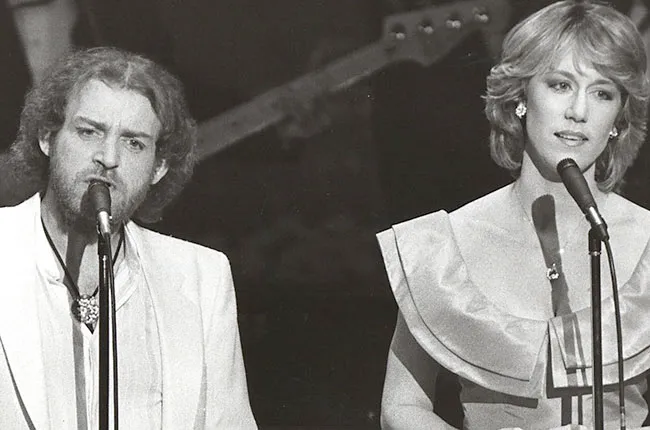
More Than Just a Famous Duet
Jennifer Warnes and Joe Cocker had spent decades connected by the song. They had performed it on television, at major award shows and in front of audiences around the world. According to Jennifer, they had even made an agreement never to lip-sync it. Every performance had to be real.
That may explain why the idea of never singing it with Joe again felt so painful to her. The song was not simply a hit record from the past.
It represented years of shared performances, unpredictable moments and a musical connection that Jennifer believed had a genuine quality. She once described their unlikely partnership as having “a strong ring of truth,” despite the contrast between Joe's raw style and her more vulnerable vocal presence.
The Meaning of a Last Time
There is something especially heartbreaking about Jennifer Warnes' memory because nothing in Berlin announced itself as a farewell. There was no final speech. No planned goodbye. No moment when she knew she should remember every detail.
They simply met and sang together. Only after Joe Cocker was gone did Jennifer understand that the ordinary act of returning to the stage had become their final shared memory.
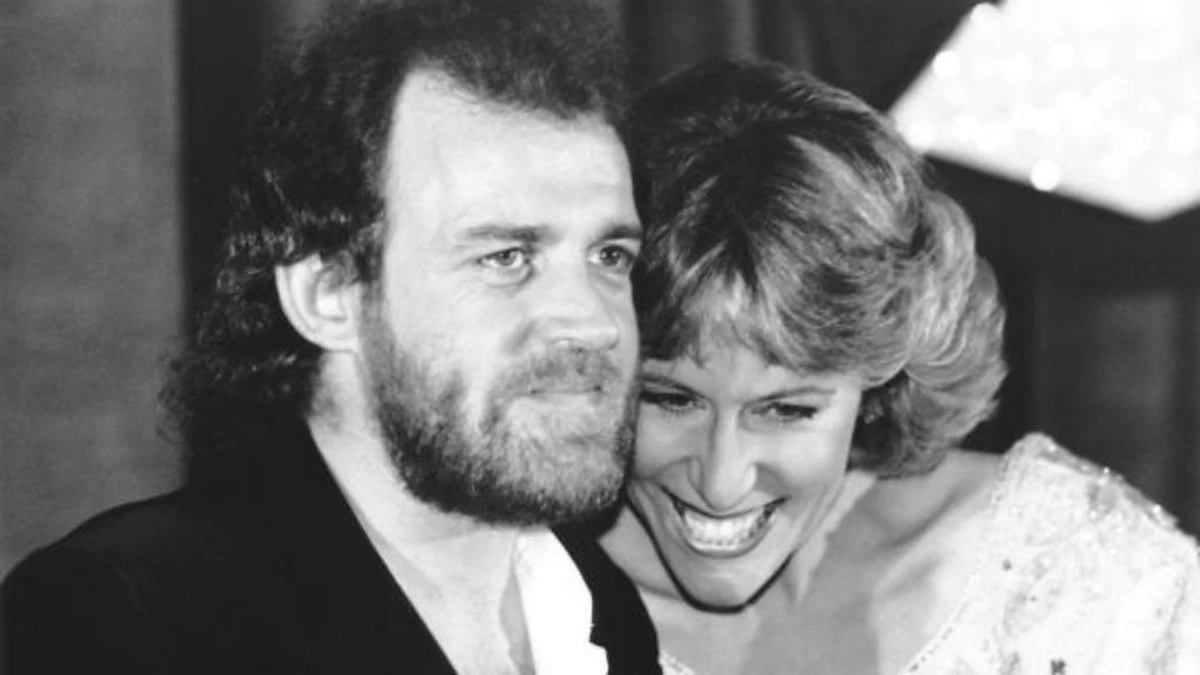
A Memory Jennifer Warnes Would Carry With Her
Jennifer Warnes had admired Joe Cocker long before they became musical partners. In her tribute, she recalled having a poster of him on her bedroom wall as a teenager and later feeling deeply moved when she watched him perform at the Grammy Awards in 1982.
Their eventual partnership turned into something neither could have predicted. Up Where We Belong brought them together, but the years that followed created memories that went far beyond one recording.
After Joe's death, Jennifer's words made one thing clear: the final time they sang together had become one of those memories that could never be repeated.
Conclusion
Jennifer Warnes did not know that her 2013 performance with Joe Cocker in Berlin would be their last. Only after his death did she realize that they would never sing Up Where We Belong together again- a thought she described as making her feel sick. What had once been simply another performance had quietly become their final goodbye.
The Last Time Joe Cocker Walked Onto A Stage

For more than four decades, Joe Cocker made audiences feel every note he sang. But on September 7, 2013, he walked onto the stage at the Loreley Open Air Theatre in Germany for what would become the last time Joe Cocker performed live. At the time, nobody in the audience could know they were watching the final chapter of his extraordinary stage career.
Joe Cocker’s Final Tour
The final chapter began with Fire It Up, Cocker’s 2012 studio album and his last studio release. The album was followed by an extensive tour across the United States and Europe during 2012 and 2013.
Germany was particularly important during the European leg. Cocker performed 25 shows in Germany, demonstrating the extraordinary connection he had built with German audiences over the years. The tour eventually reached its final date at Loreley.
What seemed like the conclusion of another successful tour would later become something much more significant. The September 7 performance was not announced as a farewell to live music. It was simply the final date on the tour, but history would give the night a different meaning.

The Setting Was the Loreley Open Air Theatre
The Freilichtbühne Loreley is an open air theatre near St. Goarshausen in Germany, overlooking the Rhine. Joe Cocker had performed at the Loreley before, making the location another chapter in a relationship between the singer and German audiences that had lasted for decades.
Contemporary promotional material described Cocker as being in excellent form for the Fire It Up tour. His distinctive raspy voice, physical movements and intensely expressive performance style remained central to his concerts.
The same material also contained a strangely prophetic observation: organizers suggested that if this really was his final world tour, it would represent a major loss for music.
The Final Show Began Like A Joe Cocker Concert
There was no dramatic farewell announcement waiting for the audience. Joe Cocker simply came out to perform.
That detail is important because the emotional meaning of the evening came only later. The people standing in front of the stage were not watching a retirement ceremony. They were watching a veteran performer complete another demanding concert.
Available concert records identify the September 7 performance as the final show of Cocker's career, but the surviving online setlist record does not provide a complete song by song account for that specific night.
However, the setlists from the final days of the Fire It Up Tour show the kind of performance audiences were hearing at this stage of the tour: a mixture of newer material and songs that had defined Cocker's career.

The Songs That Defined His Final Tour
The shows immediately surrounding Loreley included songs such as “I Come in Peace,” “Feelin' Alright,” “The Letter,” “When the Night Comes,” “You Love Me Back,” “I'll Be Your Doctor,” and “Up Where We Belong.”
The set also moved through some of the songs that had become inseparable from Cocker's identity, including “You Are So Beautiful,” “Unchain My Heart,” and “With a Little Help From My Friends.”
That combination made the final stretch of the tour feel like a journey through his career. There were songs from his later years alongside performances connected to the moments that had made him famous decades earlier.
For fans, hearing those songs from Cocker's unmistakable voice was simply part of another night with the singer. Only afterward would those performances acquire a different emotional weight.
Joe Cocker Gave The Audience What They Came For
Cocker's reputation had always been built around his live performances.
He was not a singer who simply stood still behind a microphone. His hands moved constantly, his body reacted to the music and his entire performance seemed to physically follow the rhythm of the song.
Contemporary coverage of the Loreley concert described him as performing with his characteristic full body movements and delivering his songs with his unmistakable raspy voice.
A later recollection published by the Rhein-Zeitung describes the concert as a moving evening and notes that fans today remember it as both unforgettable and historic.
But there was nothing obviously final about it while it was happening.

The Audience Did Not Know They Were Watching History
This is perhaps the most haunting part of the story.
There was no moment when the entire audience suddenly realized: This is Joe Cocker's final performance.
There was no carefully staged goodbye that has become famous as his last words from the stage. Instead, the evening unfolded as a concert, with Cocker performing for the people who had come to see him.
A contemporary account published before the show had already raised the possibility that the tour could be his last, but that was still only a possibility at the time.
It was only after Cocker never returned to the stage that the Loreley performance became something much more significant.
The Final Songs Carried a Different Meaning Later
When Cocker performed songs such as “You Are So Beautiful,” “Unchain My Heart” and “With a Little Help From My Friends” during this final period, nobody could know how differently those songs would feel in hindsight.
For decades, Cocker had performed them for audiences around the world. They were part of his musical vocabulary, not farewell messages.
That distinction matters. It would be easy to turn the final concert into a story about a singer knowingly saying goodbye, but the available evidence does not support that interpretation.
The emotional power comes precisely from the opposite: Joe Cocker was simply doing what he had always done.
The Curtain Came Down on a 50 Year Stage Career
When the Loreley concert ended, Cocker's live career was effectively over.
The Fire It Up Tour had finished after 62 performances, and Cocker never embarked on another concert tour.
He had spent roughly half a century on stages around the world. From the young singer who stunned audiences with “With a Little Help From My Friends” at Woodstock to the internationally recognized performer of the 1980s, 1990s and 2000s, live performance had been at the center of his life.
The Loreley stage therefore marked the end of a journey that had begun decades earlier.
What Happened To Joe Cocker After His Final Performance?
Joe Cocker did not return to live performance after September 2013. He died on December 22, 2014, at the age of 70, after battling lung cancer. His death came more than a year after the Loreley concert.
That distance in time makes the final concert even more poignant. When Cocker left the stage that September evening, nobody could know that it would be his final live appearance.
The audience simply watched him leave the stage and went home. Years later, that ordinary ending became one of the most emotional details of his story.
Conclusion
The last time Joe Cocker walked onto a stage was September 7, 2013, at the Loreley Open Air Theatre in Germany. He was there to finish his Fire It Up Tour, not to deliver a farewell, and the audience did not know they were witnessing his final performance. More than a year later, after Cocker's death, that ordinary concert became something much more powerful: the final moment of a remarkable stage career that had begun decades earlier at the height of the rock era.
Report this article
Select a reason for reporting:
Comments 0