The next global music sensation may not come from a bedroom producer, a chart-topping artist, or a record label powerhouse—but from an algorithm.
According to a recent Newsweek report, experts believe the most viral song of 2026 is likely to be created using artificial intelligence. If that prediction proves true, it won’t just redefine what makes a hit song—it will challenge the very idea of creativity, authorship, and what it means to be an artist in the digital age.
This isn’t a distant sci-fi scenario. It’s a fast-approaching reality.
Why AI Music Is No Longer a Gimmick
For years, AI-generated music was treated as a novelty—interesting, but not serious. That perception has changed dramatically.
Modern AI tools can now:
-
Compose melodies
-
Write lyrics
-
Generate realistic vocals
-
Mimic musical styles
-
Produce full tracks in minutes
What once required studios, musicians, and months of work can now be accomplished with a few prompts and powerful machine learning models.
And the results are no longer crude or robotic—they’re often indistinguishable from human-made songs.
The Prediction: A Viral AI Song in 2026
The Newsweek article highlights expert views suggesting that by 2026, AI-generated music could dominate viral charts. Not because it replaces human artists—but because it complements and enhances them.
The logic is simple:
-
AI can produce music faster than humans
-
AI can adapt instantly to trends
-
AI can tailor songs to specific audiences
-
AI thrives in short-form, viral platforms like TikTok
In a culture where virality matters as much as musical quality, AI has a natural advantage.
How AI Is Already Shaping Today’s Hits
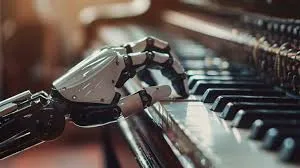
Even before a fully AI-made song tops the charts, artificial intelligence is already deeply embedded in modern music production.
AI in Music Today
AI currently helps with:
-
Beat creation
-
Sound mastering
-
Vocal enhancement
-
Lyric suggestions
-
Market trend analysis
Some producers now use AI as a silent collaborator—an invisible partner that helps refine and optimize music behind the scenes.
The shift toward AI-generated songs becoming front-stage rather than backstage feels almost inevitable.
Why AI Is Perfect for Viral Music
Virality today isn’t just about great melodies—it’s about compatibility with algorithms.
AI excels at:
-
Analyzing listener behavior
-
Predicting what sounds perform best
-
Creating hooks optimized for attention
-
Matching platform-specific formats
For TikTok, Reels, and Shorts, the perfect viral song is often:
-
Short
-
Catchy
-
Emotionally immediate
-
Easy to remix
AI is uniquely suited to generate this kind of content at scale.
What Makes an AI Song Go Viral?
According to music technologists, viral AI songs will likely succeed due to:
1. Hyper-Personalization
AI can tailor songs to:
-
Age groups
-
Cultural regions
-
Mood preferences
-
Platform trends
Imagine a song version slightly different for each audience—yet all derived from the same core melody.
2. Rapid Trend Adaptation
When a dance trend or meme emerges, AI can:
-
Generate matching music instantly
-
Release multiple versions
-
Test them simultaneously
Human artists simply can’t move that fast.
3. Endless Experimentation
AI can create thousands of song variations in minutes—allowing creators to identify what resonates best before releasing a final version.
But Who Is the Artist When AI Makes the Song?
This is where things become controversial.
If an AI generates a song:
-
Who owns it?
-
Who gets the credit?
-
Is the “artist” the programmer, the user, or the machine itself?
These questions are already sparking intense legal and ethical debates across the music industry.
The Legal Gray Area of AI Music
Current copyright laws were not built for AI-generated content.
Key unresolved issues include:
-
Whether AI can legally “create” art
-
Who owns AI-generated works
-
How royalties should be distributed
-
Whether AI can infringe on existing artists’ styles
As AI music becomes more mainstream, legal systems worldwide will be forced to adapt.
Artists React: Fear, Curiosity, and Opportunity
Human musicians are responding in different ways.
Some Are Worried
Concerns include:
-
Losing creative relevance
-
Being replaced by machines
-
Devaluation of human artistry
-
Economic displacement
Others Are Excited
Many artists see AI as:
-
A powerful creative tool
-
A way to explore new sounds
-
A productivity booster
-
A collaborative partner
Rather than replacing artists, AI may redefine what being an artist means.
Will AI Replace Musicians?
The short answer: no—but it will change them.
Just as:
-
Photography didn’t kill painting
-
Synthesizers didn’t kill musicians
-
Streaming didn’t kill albums
AI will not eliminate artists—it will reshape their role.
Future musicians may become:
-
Curators of AI creativity
-
Prompt engineers
-
Concept designers
-
Performers of AI-generated works
The creative process becomes more about vision and direction than manual execution.
The Emotional Question: Can AI Make Music That Feels Real?
Music isn’t just sound—it’s emotion.
Critics argue that:
-
AI lacks lived experience
-
It can’t feel heartbreak or joy
-
It can’t tell authentic human stories
Supporters counter that:
-
AI learns from human emotion
-
If humans feel something listening to it, the emotion is real
-
Emotional impact doesn’t require emotional origin
If people cry to an AI song… does it matter that a machine made it?
The TikTok Effect: Where AI Music Thrives
Short-form video platforms are the natural habitat for AI music.
Why?
-
Songs are consumed in fragments
-
Trends move rapidly
-
Repetition beats depth
-
Visuals drive discovery
AI-generated songs designed specifically for short-form virality may dominate future charts—not through albums, but through memes, dances, and clips.
What the Music Industry Is Doing About It
Record labels and streaming platforms are not ignoring AI—they are actively investing in it.
Industry Trends
-
Major labels developing proprietary AI tools
-
Streaming services experimenting with AI-generated playlists
-
Startups launching AI music platforms
-
Labels signing AI-assisted artists
The industry is preparing not to fight AI—but to monetize it.
Ethical Challenges: Where Do We Draw the Line?
As AI becomes more capable, ethical dilemmas intensify.
Key concerns include:
-
AI trained on copyrighted music without consent
-
Deepfake vocals mimicking real artists
-
Cultural appropriation through algorithmic replication
-
Loss of diversity if algorithms optimize for sameness
The future of AI music depends as much on governance as innovation.
What a Viral AI Song in 2026 Might Look Like
Imagine this scenario:
A catchy 20-second hook emerges on TikTok.
No artist name attached.
The melody adapts slightly per region.
Lyrics change subtly by language.
Dance challenges explode globally.
Within weeks, it becomes the most streamed song of the year.
And the “artist”?
An AI.
This may sound surreal—but it is increasingly plausible.
How Listeners May Change
Future listeners may care less about who made the song and more about:
-
How it makes them feel
-
How it fits their content
-
How shareable it is
The emotional bond between artist and fan may shift from personality-based to experience-based.
The Human Touch Will Still Matter
Despite AI’s rise, one thing remains clear:
Humans still crave:
-
Stories
-
Faces
-
Personal journeys
-
Live performances
AI can generate music—but not life stories.
That means artists who blend AI with authentic human narratives may become the most powerful creators of the future.
Final Thoughts: A New Era of Music Is Coming
The prediction that the most viral song of 2026 could be made by AI is not just about technology—it’s about a fundamental shift in how culture is created and consumed.
AI is not killing creativity.
It is expanding it.
The question is no longer whether AI will shape music—but how we choose to shape AI’s role in music.
And when that first fully AI-made viral song finally takes over the world, it won’t mark the end of human artistry.
It will mark the beginning of a new creative era.
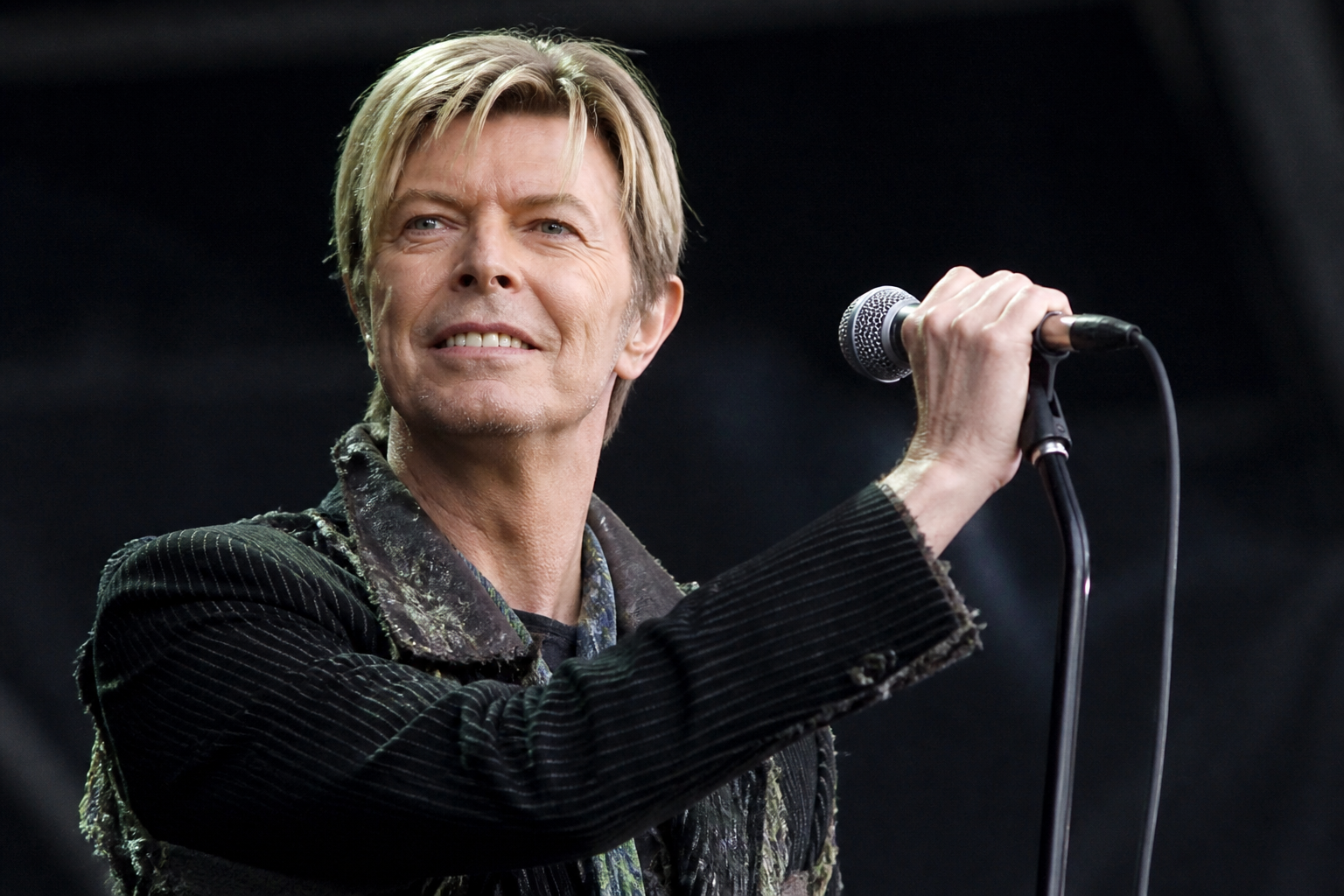
How David Bowie Reinvented Himself and Changed Music Forever
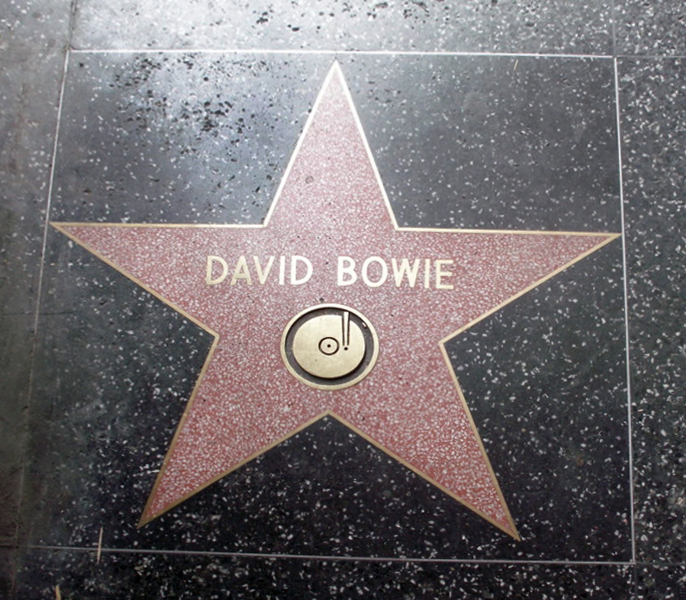
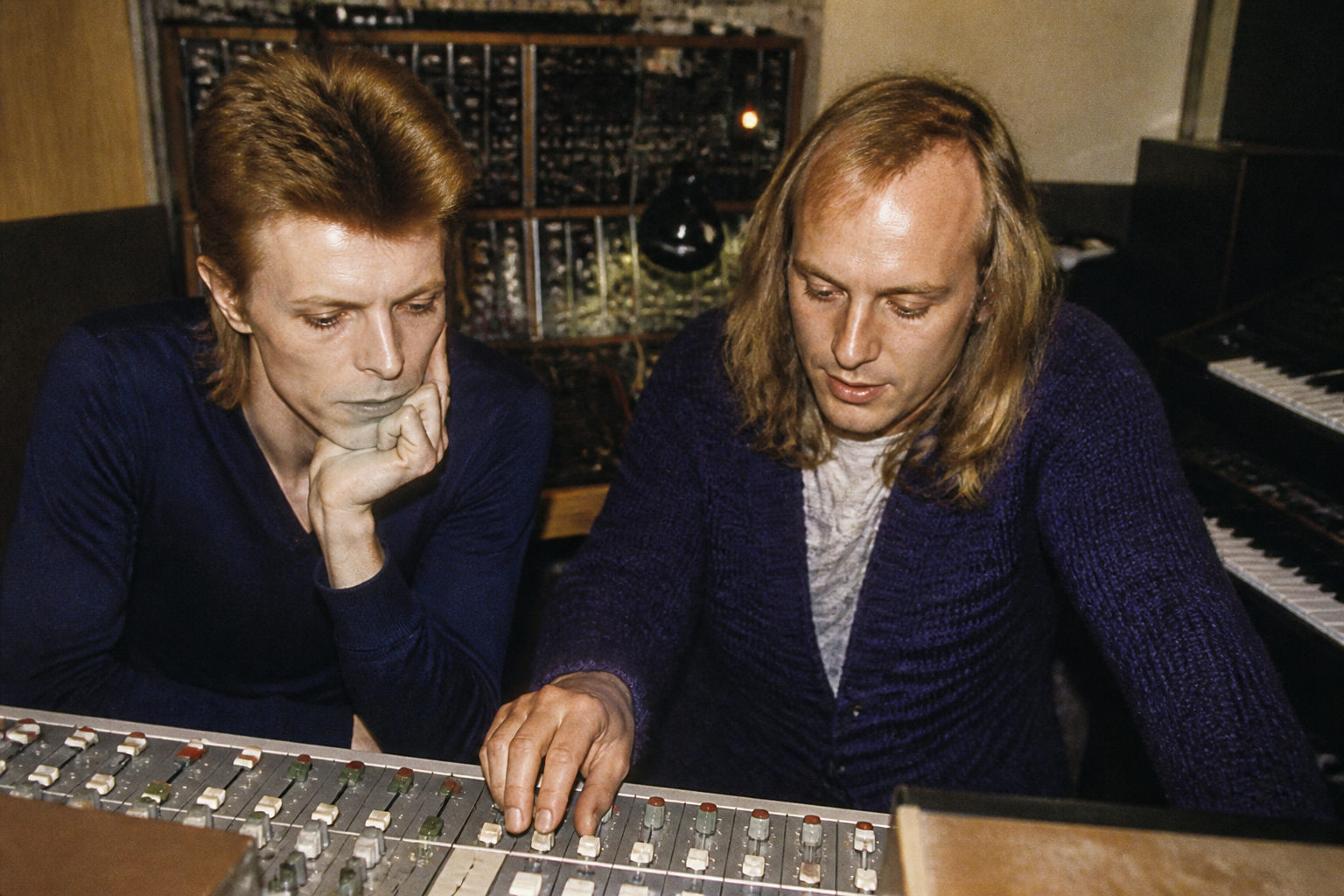
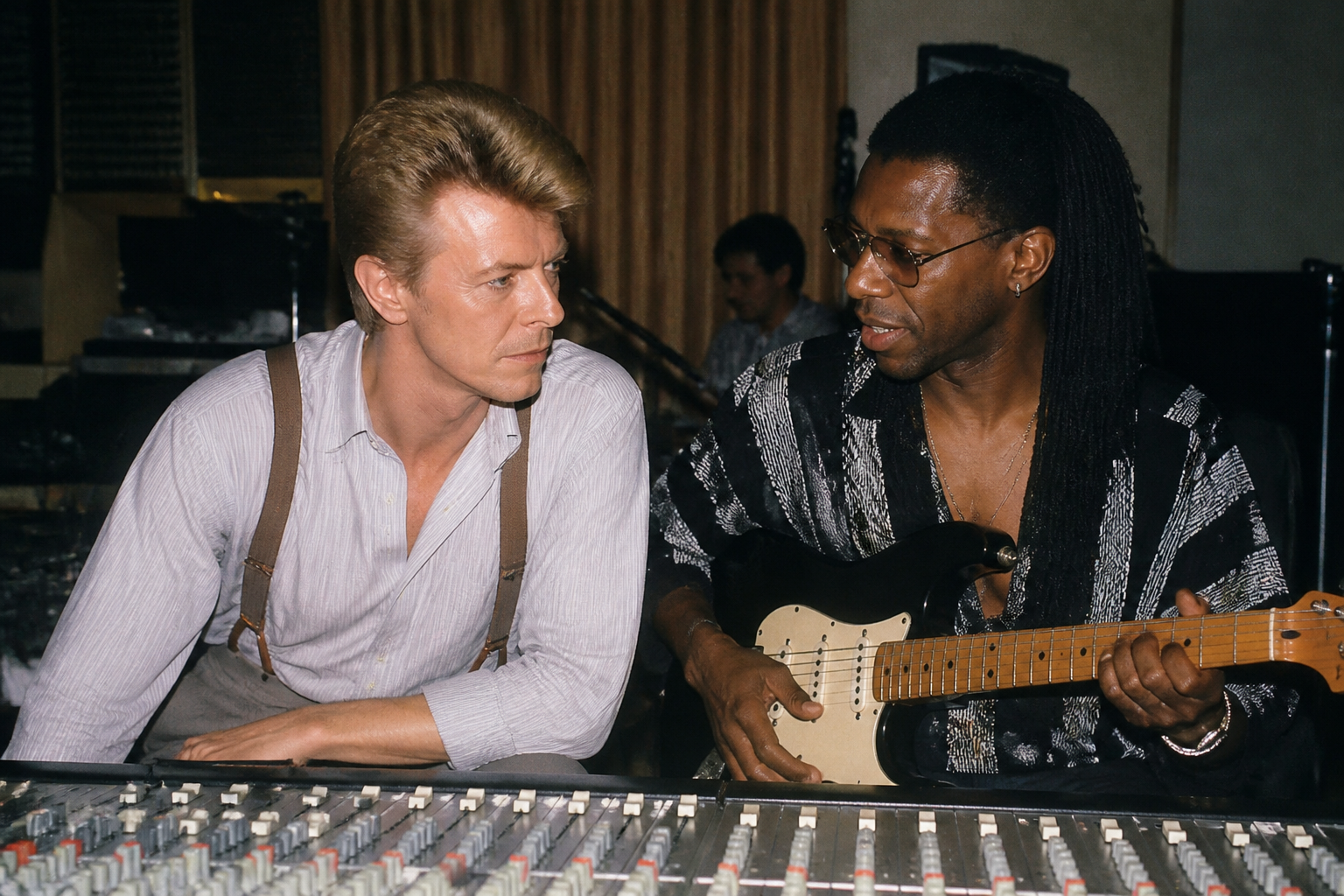
David Bowie made reinvention part of his artistic identity, and popular music has never quite looked the same. Across five decades, he treated image, sound, and performance as connected pieces of one creative vision. That approach made him one of the clearest examples of how a single artist could reshape an era without staying in one place for long.
Comments 0