There are few everyday situations more universally relatable—and quietly stressful—than worrying about bathroom noises. Whether you’re visiting a friend’s apartment, staying in a hotel, or sharing walls in a small home, the fear of unwanted sound exposure is something nearly everyone understands.
So when one man revealed a surprisingly simple and effective solution for hiding bathroom sounds, the internet immediately paid attention.
What began as a practical personal workaround quickly turned into a viral sensation online, sparking laughter, curiosity, and widespread appreciation. People everywhere began sharing their own strategies, debating the best methods, and praising the cleverness of a solution that addressed one of life’s most awkward yet common concerns.
But beyond the humor, the story taps into something deeper: our collective desire for privacy, comfort, and dignity in shared living spaces.
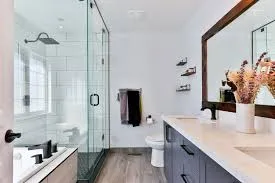
The Viral Bathroom Noise Solution That Captured Attention
The now-famous solution is simple, practical, and surprisingly effective: using intentional sound masking to cover bathroom noise.
Rather than relying on awkward silence—or pretending nothing is happening—the man created controlled background noise to prevent specific sounds from being heard outside the bathroom.
The idea itself is not entirely new. Sound masking has long been used in offices, medical spaces, and public restrooms. But what made this moment stand out was how accessible and immediately usable the method was in an ordinary home setting.
The internet loves clever practicality, especially when it solves an everyday problem people rarely discuss openly. That combination helped the story spread quickly across social platforms, where viewers praised the creativity and admitted they wished they had thought of it first.
Why Bathroom Noise Is Such a Big Psychological Deal
On the surface, bathroom sounds are simply biological reality. Yet emotionally, they carry strong social discomfort.
Psychologists explain this reaction through several factors:
1. Vulnerability and Privacy
Bathrooms are among the most private spaces humans use. Any perceived loss of privacy can trigger embarrassment.
2. Social Conditioning
From childhood, people are taught to treat bodily functions as something to keep discreet.
3. Shared Living Stress
Thin walls, small apartments, and open-concept homes amplify anxiety about being overheard.
4. Lack of Control
Unexpected sounds can feel uncontrollable, which heightens stress.
In short, it’s not just about noise—it’s about dignity, comfort, and social awareness.
The Science Behind Sound Masking
To understand why the viral solution works, we need to look at basic acoustics.
Sound masking involves introducing a consistent background sound that reduces the ability to distinguish specific noises.
It works through three mechanisms:
-
Frequency overlap – Background noise occupies similar sound ranges.
-
Attention diversion – The brain focuses on steady sound instead of irregular noise.
-
Reduced contrast – Sudden sounds blend into ambient noise.
This is why many public restrooms use continuous ventilation fans or music.
Why the Internet Loved This Story
The viral response wasn’t just about the solution itself—it was about relatability.
People immediately recognized the situation. Comments and reactions poured in, including:
-
“I thought I was the only one who worried about this.”
-
“This is honestly genius.”
-
“I need this for every hotel stay.”
-
“Why didn’t bathrooms come designed like this already?”
The story resonated because it addressed a shared but rarely discussed experience.
It’s the kind of everyday problem that feels small—until you’re in the moment.
Common Bathroom Noise-Masking Methods People Already Use
Interestingly, many households already use variations of the same idea without realizing it.
Popular methods include:
Running the Sink
Flowing water creates broadband noise that masks smaller sounds.
Using a Ventilation Fan
Continuous mechanical sound is highly effective.
Playing Music
Soft background music provides psychological and acoustic cover.
Flushing Strategically
Some people flush mid-use to create temporary masking noise.
Phone Audio
Streaming a video or sound clip is a modern adaptation.
The viral solution simply packaged the concept in a way that felt intentional, clever, and efficient.
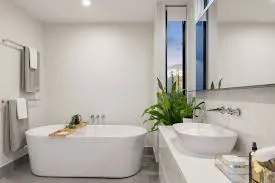
Why Modern Home Design Makes This Problem Worse
Ironically, contemporary architecture has unintentionally increased bathroom noise anxiety.
Open layouts and minimalistic construction often mean:
-
Thinner interior walls
-
Shared plumbing lines
-
Reduced insulation
-
Larger echo-prone surfaces
Luxury aesthetics sometimes prioritize visual design over acoustic privacy.
This makes sound travel farther—and more clearly.
Expert Insights: Why Sound Masking Works Better Than Silence
Acoustic specialists often recommend sound masking rather than total silence.
Silence actually amplifies perceived noise because there is no competing sound environment.
Experts suggest that ideal bathroom masking sound should be:
-
Continuous
-
Low to moderate volume
-
Non-intrusive
-
Broad frequency
This explains why fans and running water outperform short bursts of noise.
The Social Comfort Factor
Beyond acoustics, there’s a powerful emotional benefit.
Sound masking reduces:
-
Self-consciousness
-
Anticipatory anxiety
-
Social tension in shared homes
People feel more relaxed when they believe their privacy is protected—even if others weren’t paying attention in the first place.
Perceived privacy can be just as important as actual privacy.
Could Bathrooms Be Designed Differently?
The viral discussion sparked a broader question: Why don’t bathrooms come with built-in sound masking systems?
Some architects and designers already incorporate acoustic privacy features such as:
-
Automatic white noise generators
-
Enhanced insulation
-
Quiet but continuous airflow systems
-
Soft ambient audio integration
As urban living becomes denser, demand for these features may increase.
Cultural Differences in Bathroom Privacy
Interestingly, bathroom noise expectations vary globally.
Some cultures treat bathroom sounds more neutrally, while others emphasize strict discretion.
Factors that influence norms include:
-
Household density
-
Architectural design
-
Social etiquette traditions
-
Public restroom infrastructure
The viral reaction shows that in many places, discretion remains highly valued.
How Technology Is Changing Personal Privacy
Smart home technology now allows even more advanced solutions.
Modern options include:
-
App-controlled sound systems
-
Automated ventilation timing
-
Motion-activated white noise
-
Smart speakers with ambient audio
These tools allow customizable privacy without manual effort.
When Humor Meets Real Problem-Solving
Part of the viral appeal lies in humor.
Bathroom embarrassment is one of the most universally understood awkward experiences. When someone offers a clever solution, laughter and relief often come together.
Humor makes practical advice easier to share.
And once people start talking about something that’s normally avoided, it spreads quickly.
Practical Tips for Maximum Bathroom Privacy
If you want to improve acoustic privacy at home, experts recommend:
Quick Fixes
-
Turn on the fan immediately
-
Run water briefly
-
Play soft background audio
Medium Improvements
-
Add door draft blockers
-
Install thicker door seals
-
Use sound-absorbing decor
Long-Term Solutions
-
Upgrade insulation
-
Install white noise systems
-
Improve ventilation design
Small adjustments can significantly reduce sound transmission.
Why Viral Life Hacks Matter More Than We Think
At first glance, a bathroom noise trick might seem trivial.
But viral everyday solutions reveal something important: people constantly seek ways to improve comfort, dignity, and confidence in daily life.
Small innovations often spread because they address universal experiences.
They make ordinary moments easier—and sometimes less awkward.
The Bigger Conversation About Privacy in Shared Spaces
Ultimately, the story is about more than sound.
It reflects a broader cultural shift toward valuing personal comfort in shared environments—homes, workplaces, and public spaces alike.
Privacy is no longer viewed as luxury. It’s increasingly seen as a basic design expectation.
Final Thoughts: A Simple Idea With Universal Appeal
The viral bathroom noise solution captured attention because it solved a problem almost everyone has faced—but few openly discuss.
It combined practicality, humor, and psychological insight into one simple idea: create a sound environment that protects personal comfort.
In a world full of complex technology and constant innovation, sometimes the most celebrated solutions are the simplest ones.
And when a clever idea helps people feel just a little more relaxed in one of life’s most vulnerable moments, it’s no surprise the internet can’t stop talking about it.
The Surprising Way People in Your Life Could Be Making You Age Faster, According to Science

The Surprising Way People in Your Life Could Be Making You Age Faster, According to Science
Most people know that poor diet, lack of sleep, and chronic stress can accelerate aging. But emerging research suggests another surprising factor may be quietly influencing how quickly your body ages: the difficult people in your life.




Comments 0