Thousands of Californians were urged to stay indoors as dangerously high levels of PM2.5 air pollution blanketed parts of the state, triggering health warnings and renewed concerns about the growing frequency of air-quality crises. Local and state agencies issued advisories after monitoring stations recorded pollution levels that far exceeded what health experts consider safe for daily exposure.
The spike in PM2.5—tiny airborne particles that can penetrate deep into the lungs—has affected both urban and rural communities, disrupting daily life, closing outdoor activities, and putting vulnerable populations at heightened risk.
What Is PM2.5 and Why Is It So Dangerous?
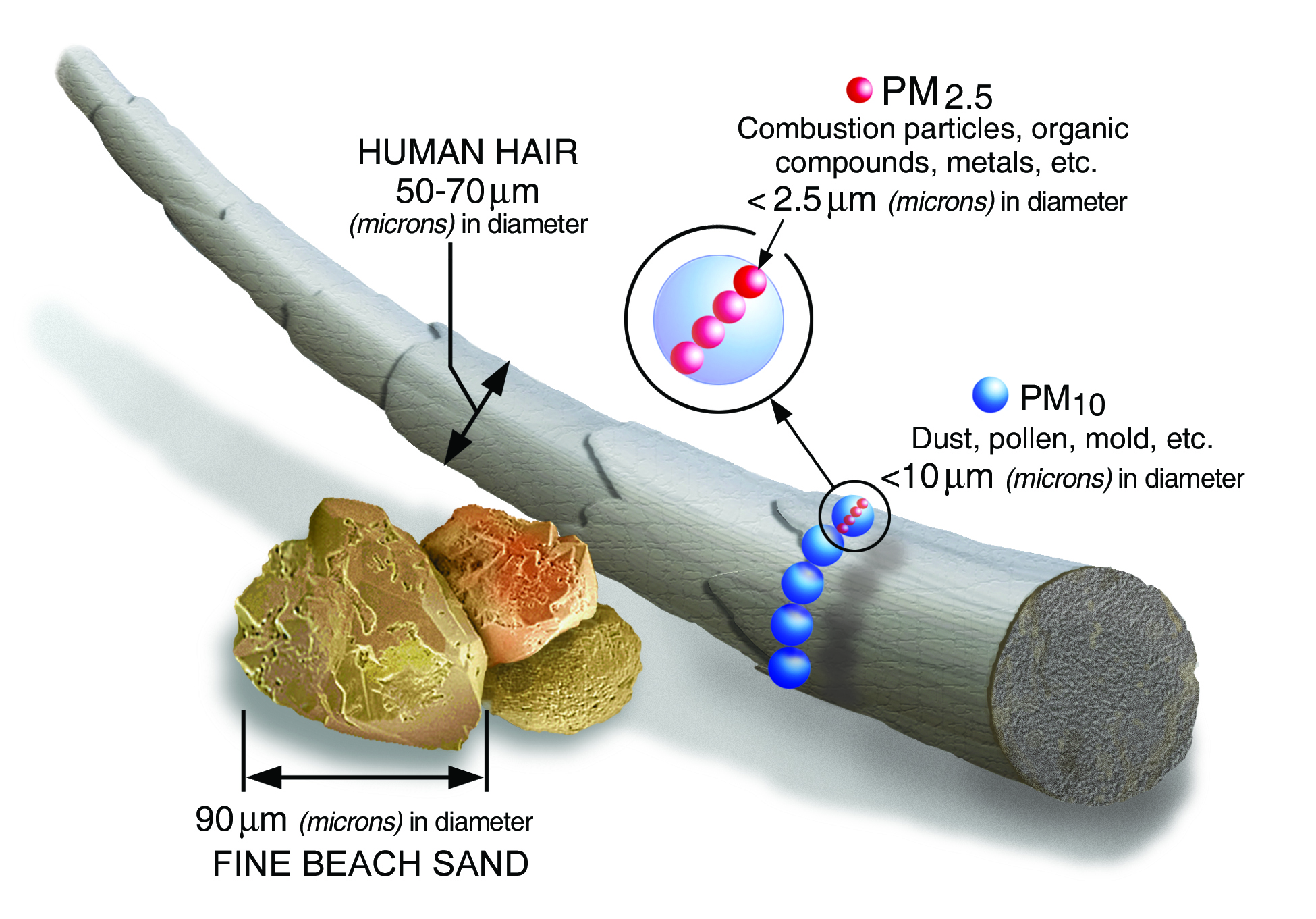
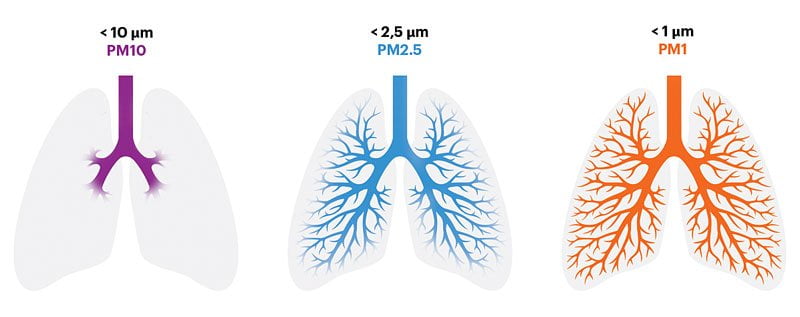

PM2.5 refers to fine particulate matter that measures 2.5 micrometers or smaller—about 30 times thinner than a human hair. Because of their size, these particles bypass the body’s natural defenses and travel deep into the respiratory system.
Health risks linked to PM2.5 exposure
-
Asthma attacks and breathing difficulties
-
Increased risk of heart attacks and strokes
-
Worsening of chronic lung and heart disease
-
Higher vulnerability for children, seniors, and pregnant individuals
Medical experts warn that even short-term exposure to high PM2.5 levels can have serious health consequences.
What’s Causing the PM2.5 Surge in California?
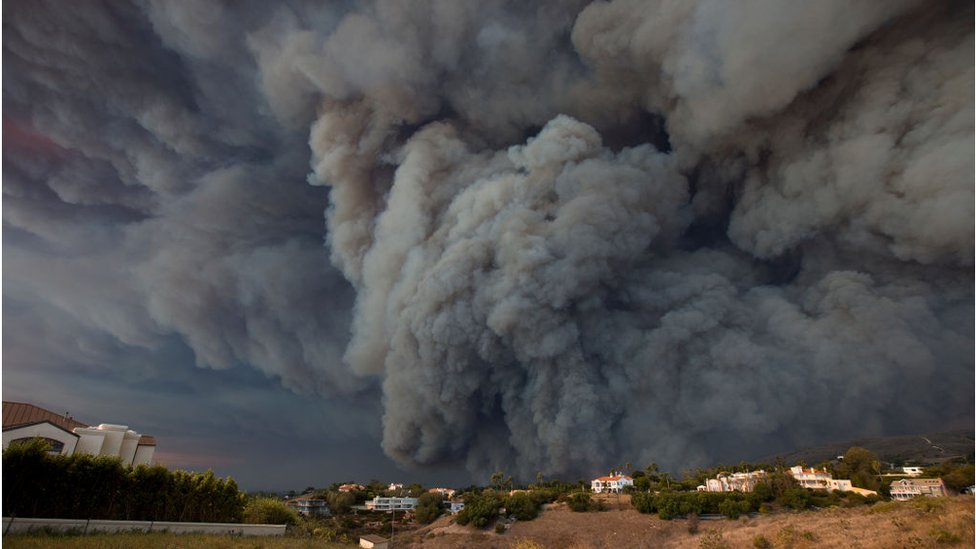


The current spike is being driven by a combination of environmental and meteorological factors:
-
Wildfire smoke drifting from active or recent fires
-
Temperature inversions trapping polluted air close to the ground
-
Vehicle and industrial emissions accumulating under stagnant conditions
Experts note that climate change has intensified wildfire seasons, making PM2.5 events more frequent and more severe across the western United States.
Which Areas Are Most Affected?
Air-quality alerts have been issued for multiple regions, including:
-
Major metropolitan areas
-
Inland valleys where pollution becomes trapped
-
Communities downwind from wildfire zones
In some locations, Air Quality Index (AQI) readings reached levels categorized as “Very Unhealthy” or “Hazardous.”
Why Officials Told People to Stay Indoors


Public health officials urged residents to limit exposure by staying inside whenever possible.
Key recommendations
-
Avoid outdoor exercise or physical labor
-
Keep windows and doors closed
-
Use air purifiers or HVAC systems with clean filters
-
Wear well-fitted masks if outdoor exposure is unavoidable
Schools canceled outdoor sports, while some workplaces adjusted schedules to reduce health risks.
Impact on Daily Life and Local Communities
The air-quality crisis has had immediate effects:
-
Parents keeping children home from outdoor play
-
Seniors and those with respiratory conditions isolating indoors
-
Event organizers canceling or postponing outdoor gatherings
For many residents, the situation feels like an increasingly familiar disruption rather than a rare emergency.
PM2.5 and Long-Term Health Concerns


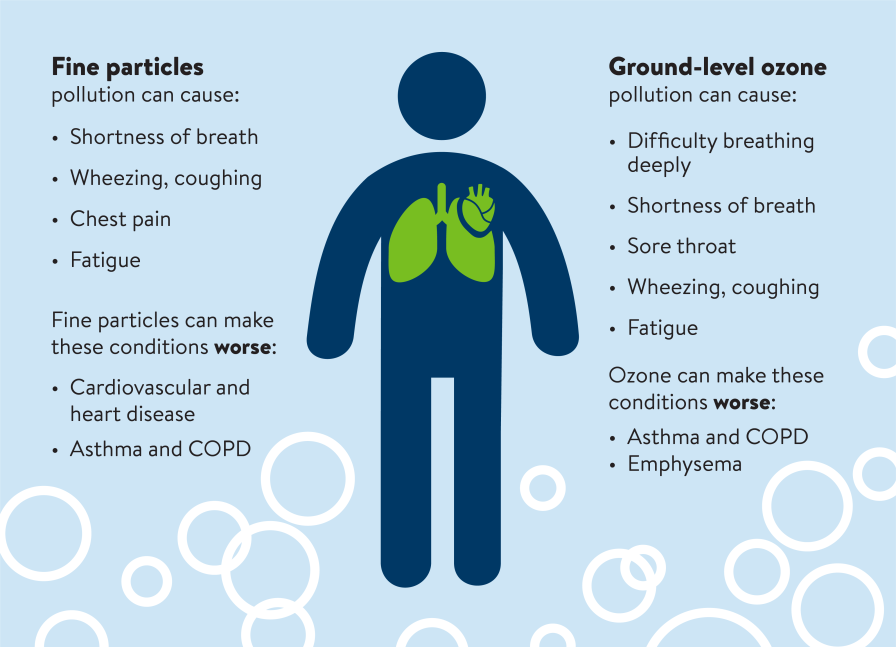
Health researchers emphasize that repeated exposure to PM2.5 can lead to cumulative damage.
Long-term effects may include:
-
Reduced lung function
-
Increased cardiovascular disease risk
-
Shortened life expectancy
Studies show communities exposed to frequent PM2.5 spikes often face higher healthcare costs and long-term public health burdens.
How Californians Can Protect Themselves
Short-term steps
-
Monitor local AQI updates frequently
-
Use portable air cleaners in main living areas
-
Create a “clean air room” at home
For vulnerable groups
-
Follow medical guidance closely
-
Keep medications readily available
-
Seek medical help if symptoms worsen
Public health officials stress that prevention is key, as PM2.5 exposure is largely invisible until symptoms appear.
Climate Change and the New Normal
Many experts argue that PM2.5 spikes are no longer isolated incidents but part of a broader climate-driven pattern.
Factors contributing to this trend include:
-
Longer and more intense wildfire seasons
-
Hotter temperatures that worsen air stagnation
-
Increased drought conditions
As a result, California’s air-quality challenges are increasingly viewed as a long-term policy and infrastructure issue.
What State and Local Leaders Are Saying
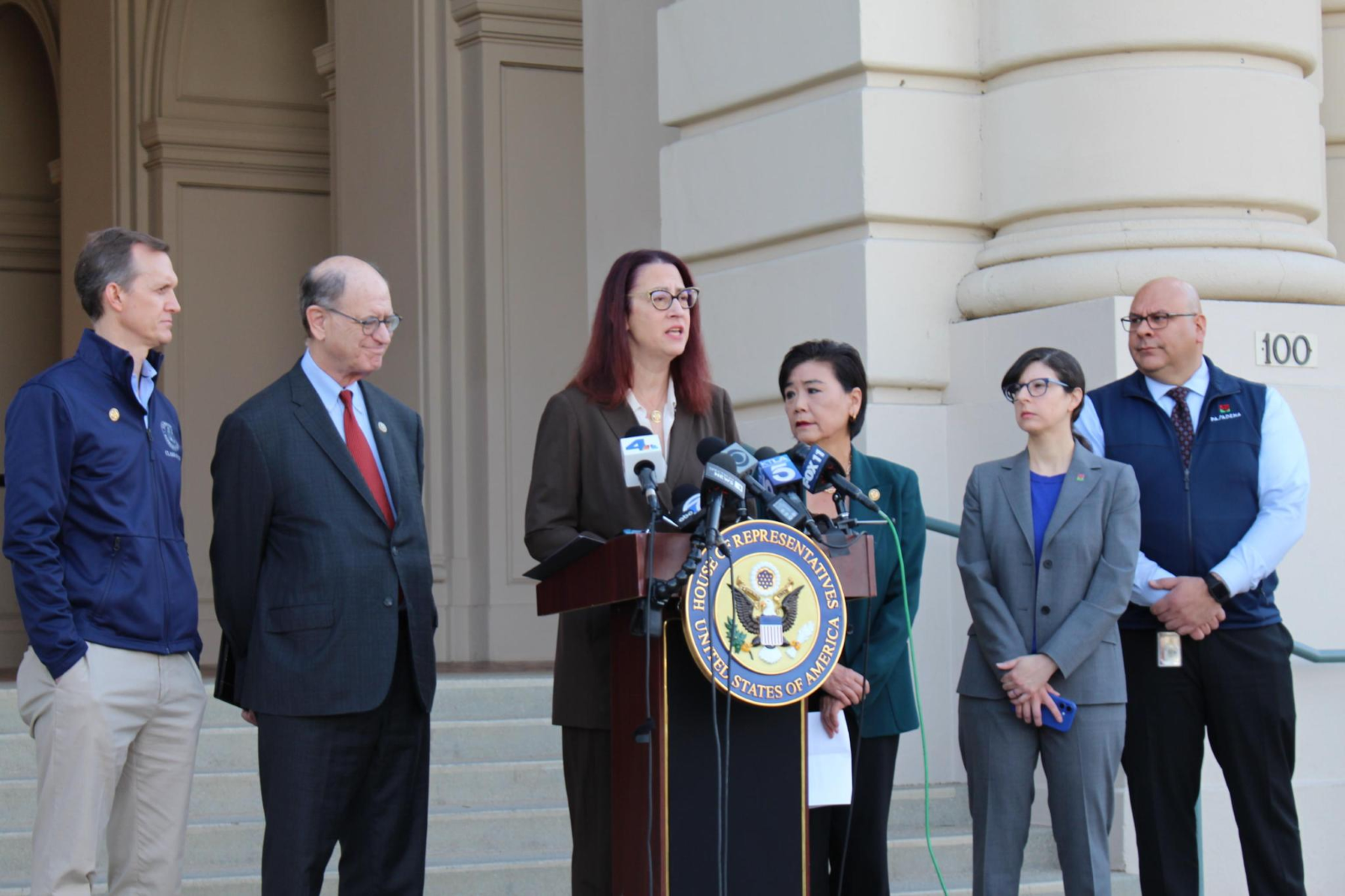
Officials have acknowledged the growing strain on public health systems and emphasized the need for:
-
Better early-warning systems
-
Expanded access to clean indoor air spaces
-
Long-term wildfire mitigation strategies
Some lawmakers are calling for additional funding to help low-income communities afford air filtration and protective equipment.
Could This Happen Again Soon?
Unfortunately, experts say yes. Weather forecasts and fire conditions suggest that future PM2.5 episodes are likely, particularly during dry and hot periods.
Preparedness—both at the household and policy level—will be critical in reducing harm.
Conclusion: A Wake-Up Call for Public Health
The latest PM2.5 surge forcing thousands of Californians indoors underscores how environmental crises increasingly intersect with daily life. What was once considered an occasional hazard has become a recurring threat—one that challenges public health systems, communities, and policymakers alike.
As California confronts a future shaped by climate change, air quality will remain a defining issue, reminding residents that clean air is not just an environmental goal, but a public health necessity.
Missing Son Found Alive After 20 Years Under a Different Name

The first clue was not a confession or a dramatic reunion. It was a name on a record that did not belong where it appeared, and it sent one mother back into a search she thought had ended in grief. For 20 years, she believed her missing son was gone. Then a paper trail suggested he had been alive under a different identity all along.




Comments 0