Top Travel Trends 2026: Where Americans Are Headed Next
Travel in 2026 is undergoing a major transformation. Gone are the days when vacations were simply about ticking landmarks off a checklist. Today’s travelers—especially in the United States—are seeking deeper meaning, authentic experiences, and smarter ways to explore the world. Insights from Newsweek Travel coverage reveal a shift toward intentional travel, sustainability, and cultural immersion.
From hidden destinations to tech-driven planning tools, 2026 is shaping up to be one of the most dynamic years in tourism history. Let’s explore the biggest travel trends defining how Americans are traveling right now.
The Rise of Underrated Destinations
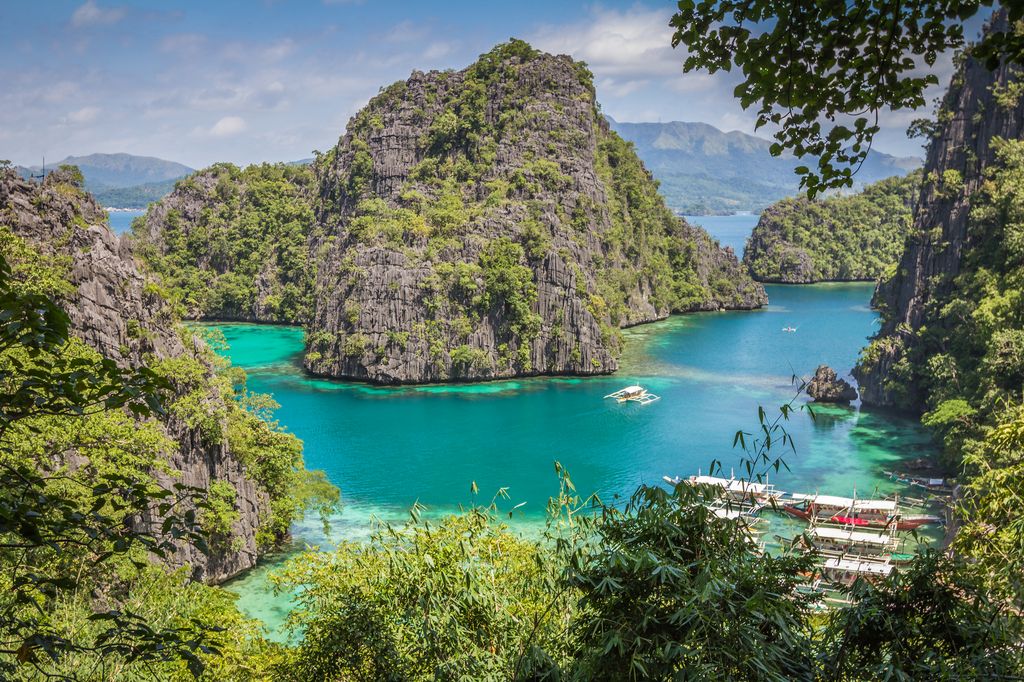
One of the most exciting developments in 2026 is the growing popularity of lesser-known destinations. Travelers are increasingly moving away from overcrowded hotspots like Paris or Rome and choosing places that offer authenticity and fewer crowds.
According to recent travel insights, destinations such as Sardinia and Malta are gaining attention for their blend of natural beauty and cultural richness. These locations provide what modern travelers crave: unique experiences without the stress of overtourism.
This trend reflects a broader shift. Instead of following the crowd, travelers want to discover places that feel personal and untouched. It’s not just about where you go—it’s about how it feels when you get there.
From Fast Travel to Slow, Meaningful Journeys
Another major shift is the move away from “fast travel.” In previous years, many tourists tried to visit multiple cities or countries in a short time. That approach is now fading.
Travelers are choosing slower, more immersive trips that allow them to truly connect with a destination.
Instead of rushing through Europe in a week, travelers might spend several days—or even weeks—in one location. This allows for deeper cultural experiences, such as:
- Learning local traditions
- Exploring neighborhoods beyond tourist zones
- Building connections with local communities
Slow travel isn’t just a trend—it’s becoming the new standard.
Sustainability Takes Center Stage
Sustainability is no longer optional in travel—it’s essential. Industry experts emphasize that tourism must balance growth with environmental responsibility and cultural preservation.
In 2026, travelers are more conscious of their impact than ever before. This includes:
- Choosing eco-friendly accommodations
- Supporting local businesses
- Reducing carbon footprints
Destinations are also adapting by promoting responsible tourism practices and limiting visitor numbers in sensitive areas.
The message is clear: travel should benefit both the visitor and the destination.

Technology and AI Are Reshaping Travel
Technology continues to play a huge role in how people plan and experience trips. AI tools are making travel planning faster and more personalized, helping users find flights, hotels, and itineraries with ease.
However, experts caution that technology should complement—not replace—human insight. Real-life experiences and local knowledge still hold unmatched value.
In 2026, the most successful travel experiences combine:
- AI-powered convenience
- Human expertise
- Authentic recommendations
This balance ensures travelers get both efficiency and meaningful experiences.
The Demand for Authentic Experiences
Modern travelers are no longer satisfied with surface-level tourism. They want to experience destinations like locals.
This includes:
- Trying traditional foods
- Participating in cultural activities
- Exploring off-the-beaten-path locations
Travel is becoming more about storytelling and personal growth. Instead of simply visiting a place, travelers want to understand it.
This shift is driving demand for:
- Local guides
- Cultural workshops
- Community-based tourism
Authenticity is now one of the most valuable currencies in travel.
Wellness and Relaxation Travel Boom
In 2026, travel is also about well-being. More people are planning trips focused on relaxation, mental health, and physical wellness.
Popular wellness travel experiences include:
- Spa retreats
- Yoga getaways
- Nature-based escapes
Cruise lines and resorts are adapting by offering wellness-focused programs designed to help travelers recharge.
This trend reflects a broader lifestyle shift. Travel is no longer just about adventure—it’s about balance.

The Comeback of Human Connection
Despite the rise of digital tools, human connection remains at the heart of travel.
Experts highlight that meaningful interactions—whether with locals or fellow travelers—are what make trips truly memorable.
Simple experiences like:
- Learning a new language phrase
- Sharing a meal with locals
- Participating in community events
can create lasting memories that no app or itinerary can replicate.
In a digital world, real connections are more valuable than ever.
Asia and Emerging Markets on the Rise
Southeast Asia is one of the fastest-growing travel regions in 2026. Increased accessibility, affordability, and diverse experiences are attracting travelers from around the world.
At the same time, emerging destinations in Eastern Europe and beyond are gaining popularity due to:
- Lower costs
- Rich cultural heritage
- Fewer crowds
Travelers are becoming more adventurous, exploring destinations that were previously overlooked.
Affordability and Accessibility Driving Decisions
Cost is still a major factor in travel decisions. Fortunately, 2026 is seeing a drop in airfare prices, making international travel more accessible.
This is encouraging more Americans to:
- Book long-haul trips
- Travel more frequently
- Plan vacations earlier
Budget-conscious travelers are also seeking value by choosing destinations that offer high-quality experiences at lower costs.
The Challenge of Overtourism
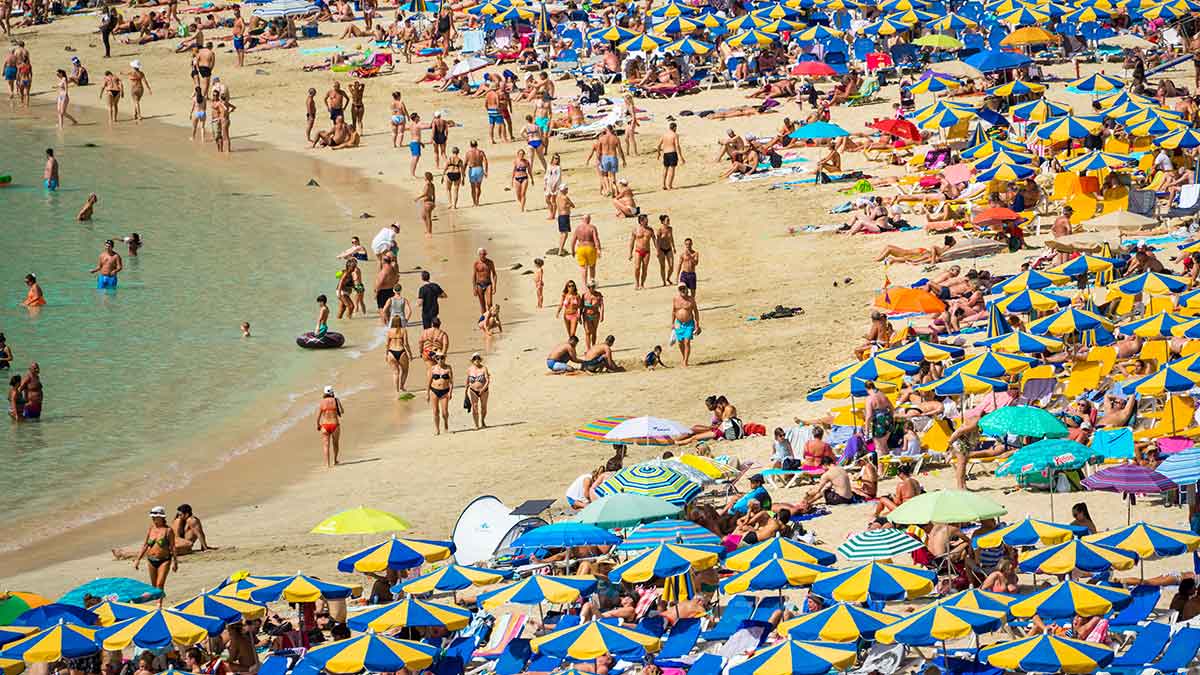
While travel demand continues to grow, overtourism remains a major concern. Popular destinations are struggling to manage large crowds without damaging their environment or local culture.
Experts emphasize the need for:
- Better tourism management
- Visitor education
- Sustainable infrastructure
Travelers themselves play a key role by choosing less crowded destinations and respecting local communities.
Personalization Is the Future of Travel
One of the defining features of 2026 travel is personalization. Travelers want experiences tailored specifically to their interests, preferences, and lifestyles.
This includes:
- Customized itineraries
- Unique accommodations
- Specialized tours
Luxury travel is also evolving, with a focus on personalized service rather than just high-end amenities.
The goal is simple: make every trip feel unique.
Conclusion: A New Era of Travel
Travel in 2026 is more thoughtful, intentional, and meaningful than ever before. Insights from Newsweek Travel highlight a clear shift in priorities:
- From crowded hotspots to hidden gems
- From fast trips to immersive journeys
- From convenience to connection
As travelers continue to evolve, the industry must adapt to meet new expectations. The future of travel isn’t just about seeing the world—it’s about understanding it.
Whether you’re planning your next vacation or simply dreaming of your next adventure, one thing is certain: travel in 2026 is all about purpose, authenticity, and unforgettable experiences.
Travel Trends 2026: How Americans Are Redefining the Way They Explore the World
Introduction
Travel in 2026 is no longer just about ticking destinations off a bucket list—it’s about meaning, personalization, and unforgettable experiences. According to recent insights from Newsweek and global travel reports, Americans are redefining how they explore the world, focusing more on authenticity, wellness, and flexibility than ever before.



Comments 0