Travel Trends 2026: Why Americans Are Choosing Meaning Over Bucket Lists
Travel in 2026 looks very different from just a few years ago. The days of rushed itineraries, overcrowded hotspots, and social media-driven “must-see” lists are fading. Instead, American travelers are embracing something deeper—intentional, meaningful, and personalized experiences.
From wellness retreats in quiet corners of Europe to mystical landscapes that feel like stepping into a dream, today’s travelers are redefining what it means to explore the world. The question is no longer just where to go, but why go at all.
This shift is not just a trend—it’s a transformation.
The Rise of Intentional Travel
One of the most significant changes in 2026 is the move toward purpose-driven travel. Travelers are prioritizing emotional fulfillment, personal growth, and authentic experiences over flashy destinations.
Recent insights show that motivations like comfort, excitement, and personal restoration are now more important than aesthetics or social media appeal.
Many Americans are becoming more selective with their trips. Instead of following viral travel trends, they are asking deeper questions:
- Will this trip help me recharge?
- Will I learn something new?
- Will I connect with the culture?
This shift reflects a broader lifestyle change where travel is no longer just an escape—it’s a tool for self-discovery and mental well-being.
Wellness Travel Is Booming
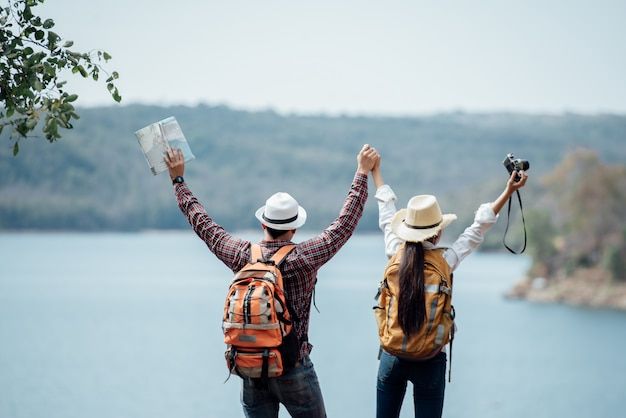
Wellness travel has evolved far beyond spa days and yoga retreats. In 2026, it’s about holistic well-being, combining physical health, mental clarity, and emotional balance.
Luxury hotels and resorts are now offering:
- Personalized wellness programs
- Digital detox experiences
- Sleep optimization suites
- Nature-based therapies
This transformation is driven by a growing need to disconnect from the fast-paced digital world.
Travelers are increasingly choosing destinations where they can:
- Reset their routines
- Improve their health
- Reconnect with nature
From forest bathing in Scandinavia to meditation retreats in Southeast Asia, wellness travel is no longer a luxury—it’s becoming a necessity.
The “Mystic Outlands” Trend
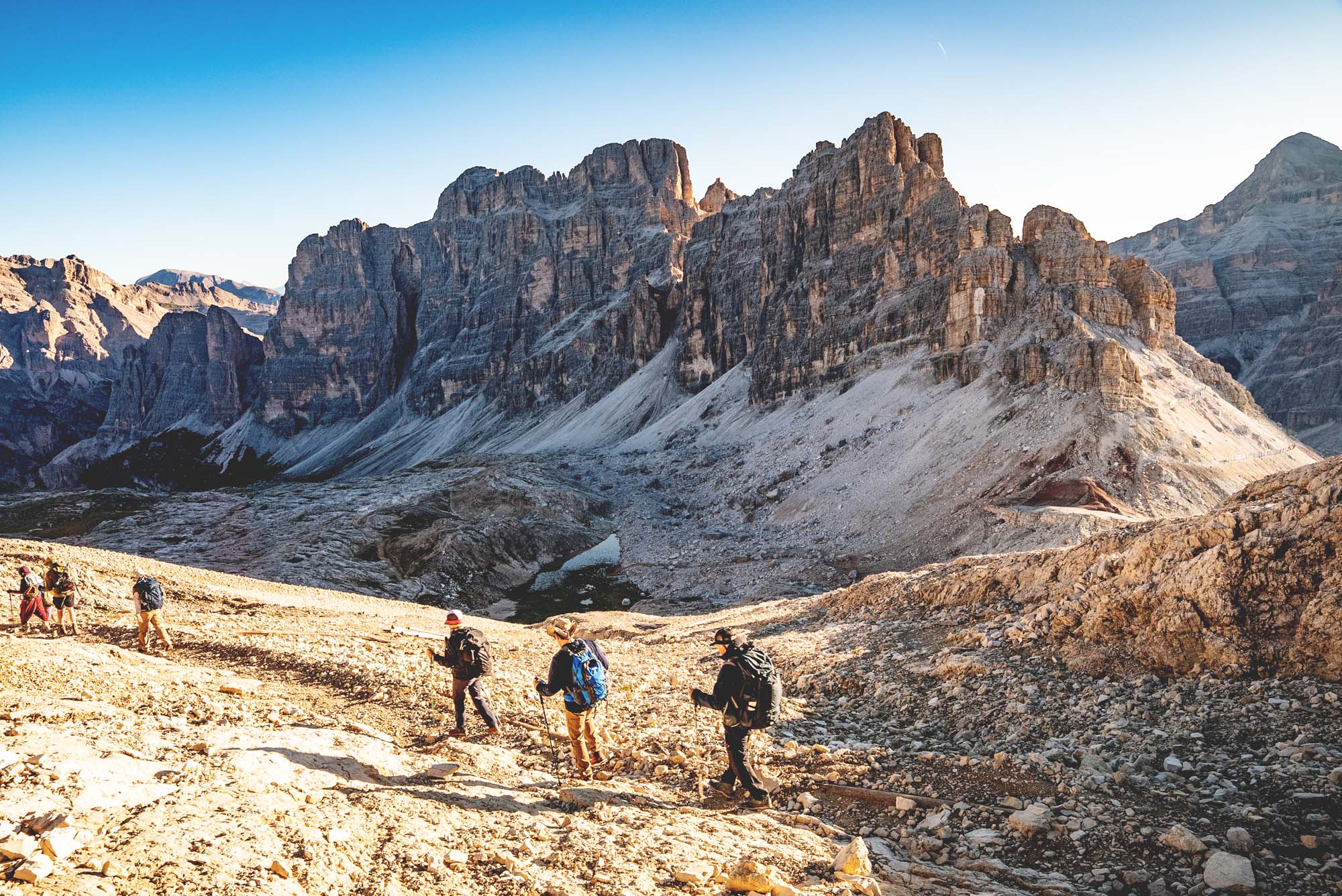
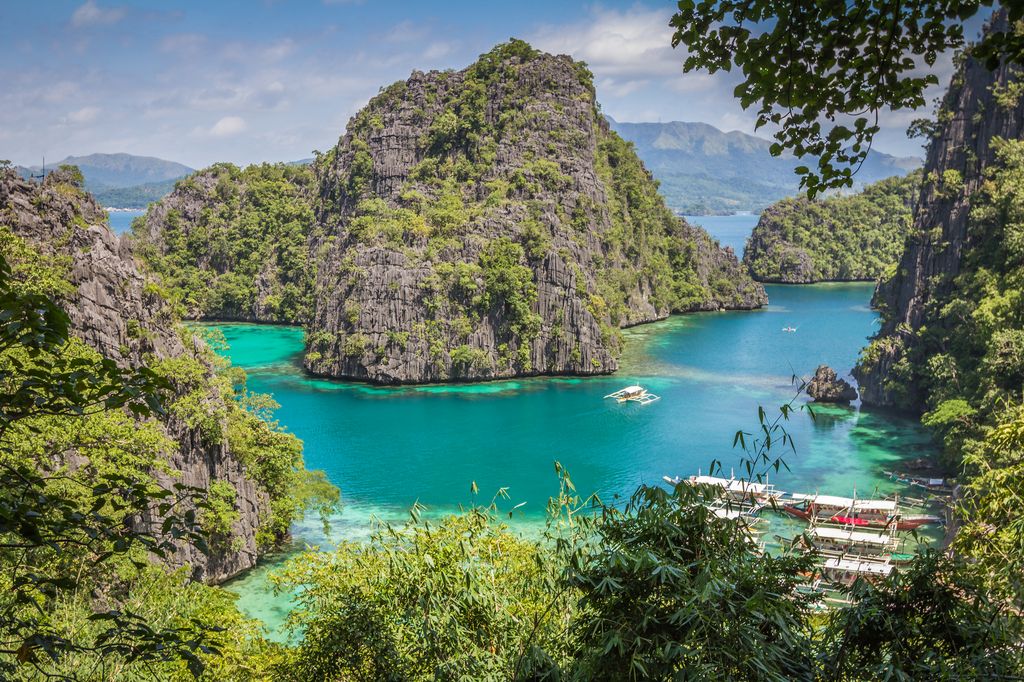
One of the most fascinating travel trends of 2026 is the rise of so-called “mystic outlands.” These are destinations that feel otherworldly, spiritual, and deeply connected to nature.
Think:
- Fog-covered highlands
- Remote islands
- Sacred deserts
- Ancient ruins
Search interest in these types of destinations has surged dramatically, as travelers seek experiences that feel magical and transformative.
This trend reflects a desire to escape not just physically, but mentally—to places where time slows down and reality feels different.
Popular examples include:
- Iceland’s volcanic landscapes
- Scotland’s rugged isles
- Bolivia’s mirror-like salt flats
These destinations offer something that modern travelers crave: a sense of wonder.
Underrated Destinations Are Taking Center Stage
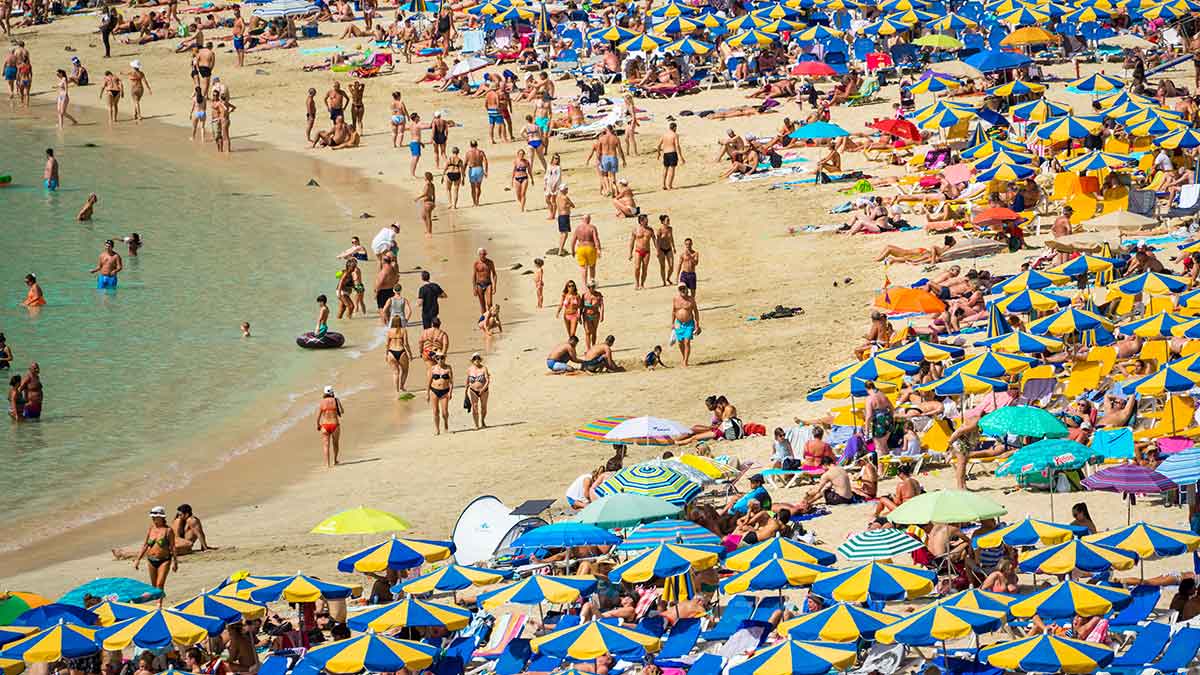
Overtourism has pushed many travelers to look beyond traditional hotspots. In 2026, lesser-known destinations are gaining popularity for their authenticity, affordability, and uniqueness.
For example, Sardinia is emerging as a top destination thanks to its combination of natural beauty and cultural depth.
Travelers are now choosing places that offer:
- Fewer crowds
- Local experiences
- Better value
Cities like Detroit have also seen a surge in interest due to their cultural vibrancy and affordability.
This shift signals a move away from “checking boxes” toward discovering hidden gems.
Experiential Travel Is Redefining Vacations
Experiential travel—also known as immersive travel—is becoming the standard. Instead of simply visiting a destination, travelers want to live it.
This includes:
- Cooking classes with locals
- Cultural festivals
- Historical storytelling tours
- Hands-on workshops
The goal is to create meaningful memories and deeper connections with the places visited.
In 2026, travelers don’t just want to see the Eiffel Tower—they want to understand Paris.

The Return of Slow Travel
Fast-paced itineraries are being replaced by slow travel, where the journey is just as important as the destination.
Key elements of slow travel include:
- Longer stays
- Fewer destinations
- Deeper exploration
Luxury train journeys and extended trips are becoming increasingly popular, offering a nostalgic and relaxing way to travel.
This approach allows travelers to:
- Reduce stress
- Minimize environmental impact
- Build stronger connections with local communities
Adult-Centered Travel Experiences
Another notable trend is the rise of adult-focused travel, especially during traditional vacation periods like spring break.
Instead of party destinations, adults are choosing:
- Wine tours
- Culinary experiences
- Wellness retreats
These trips focus on relaxation, learning, and personal enjoyment rather than nightlife and crowds.
This reflects a broader cultural shift toward quality over quantity in travel experiences.
Technology Is Enhancing Travel, Not Replacing It
Technology continues to play a major role in shaping travel, but in 2026, it’s being used to enhance—not dominate—the experience.
Key innovations include:
- AI-powered trip planning
- Real-time translation tools
- Virtual previews of destinations
These tools help travelers make better decisions and personalize their journeys without taking away from the authenticity of the experience.
The result is a more seamless, efficient, and tailored travel experience.
The Shift Away From Social Media Travel
Interestingly, social media is becoming less influential in travel decisions.
While platforms like Instagram and TikTok still inspire ideas, travelers are increasingly skeptical of “viral destinations.” Many report that these places often don’t live up to expectations.
Instead, travelers are prioritizing:
- Authentic reviews
- Personal recommendations
- Unique experiences
This marks a significant shift toward more thoughtful and informed travel planning.
Sustainability and Conscious Travel
Sustainability is no longer optional—it’s expected.
Travelers in 2026 are more aware of their environmental impact and are making choices accordingly:
- Eco-friendly accommodations
- Carbon-conscious transportation
- Support for local communities
Industry leaders are also emphasizing the educational role of tourism, ensuring that travel benefits both visitors and destinations.
This shift reflects a growing understanding that travel should be responsible and respectful.
The Future of Travel: Personal, Purposeful, Powerful
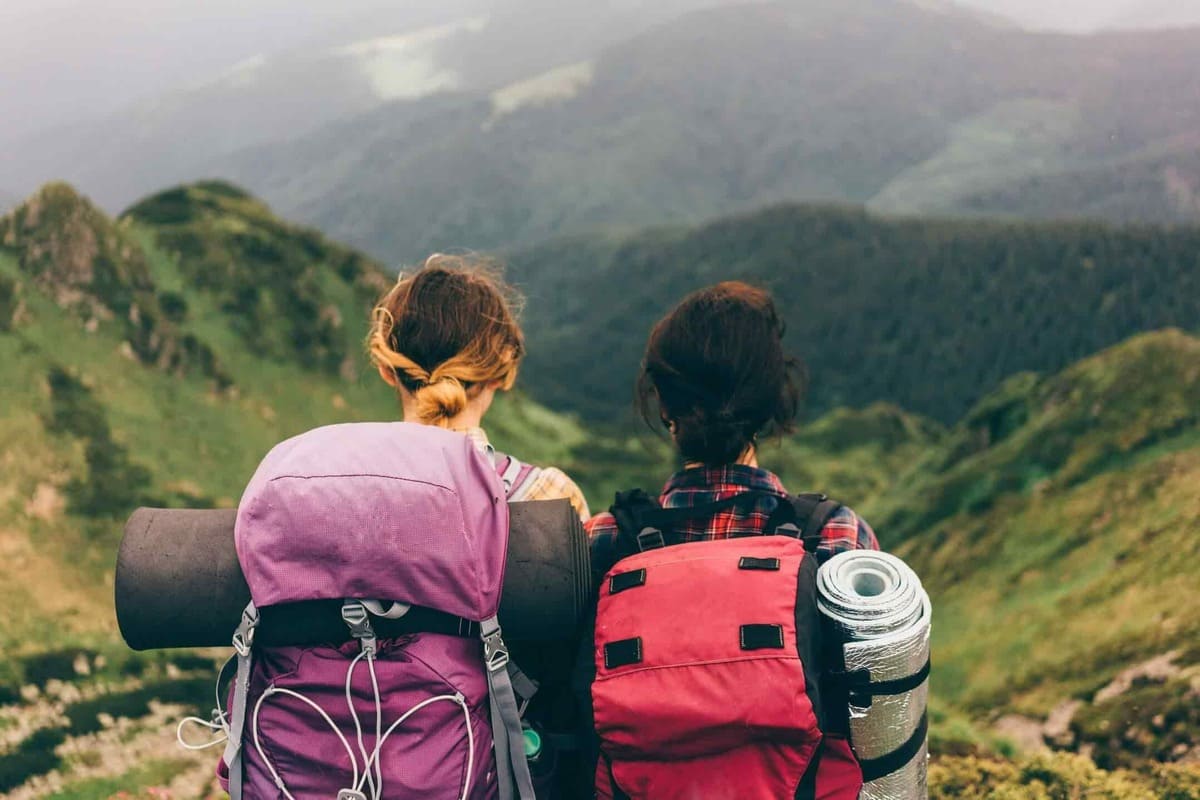
Looking ahead, the future of travel is clear: it will be more personal, more meaningful, and more intentional.
Key takeaways shaping 2026:
- Travelers want purpose, not just places
- Wellness and mental health are priorities
- Authenticity matters more than popularity
- Technology supports, not replaces, experiences
Travel is no longer about escaping life—it’s about enhancing it.
Conclusion
Travel in 2026 represents a powerful shift in mindset. Americans are moving away from superficial tourism and embracing journeys that enrich their lives.
Whether it’s exploring a remote island, reconnecting with nature, or discovering a hidden city, today’s travelers are seeking something deeper—connection, meaning, and transformation.
And perhaps that’s the most exciting trend of all.
Top Travel Trends 2026: Where Americans Are Headed Next
Top Travel Trends 2026: Where Americans Are Headed Next
Travel in 2026 is undergoing a major transformation. Gone are the days when vacations were simply about ticking landmarks off a checklist. Today’s travelers—especially in the United States—are seeking deeper meaning, authentic experiences, and smarter ways to explore the world. Insights from Newsweek Travel coverage reveal a shift toward intentional travel, sustainability, and cultural immersion.


Comments 0