A New Direction for U.S. Immunization Policy
The Donald Trump administration is signaling a major healthcare and immunization policy shift planned for 2026, according to recent reporting. While full details are still emerging, the proposed change could reshape how vaccines and immunization guidelines are handled across the United States—impacting families, healthcare providers, insurers, and state governments alike.
Supporters frame the move as a necessary recalibration of public health authority and personal choice. Critics warn it could undermine decades of progress in disease prevention. As the debate intensifies, Americans are asking a simple but urgent question: what exactly is changing, and how will it affect me?
What the Proposed Immunization Change Involves
Based on early outlines and administration statements, the planned shift would alter how federal guidance on immunizations is developed, communicated, and enforced starting in 2026.
Core Elements Being Discussed:
-
Reduced federal mandates tied to immunization schedules
-
Expanded discretion for states and local governments
-
Greater emphasis on individual and parental choice
-
Changes to how immunization recommendations are funded or promoted
Officials stress that vaccines would not be banned, but the role of the federal government in setting expectations could be significantly reduced.
Why 2026 Is the Target Year
The 2026 timeline is not accidental. It allows:
-
Federal agencies time to revise internal frameworks
-
States to prepare for increased responsibility
-
Healthcare systems to adapt administrative processes
Policy experts note that large-scale healthcare changes typically require multi-year transitions to avoid disruption, particularly in areas tied to schools, insurance coverage, and public health infrastructure.
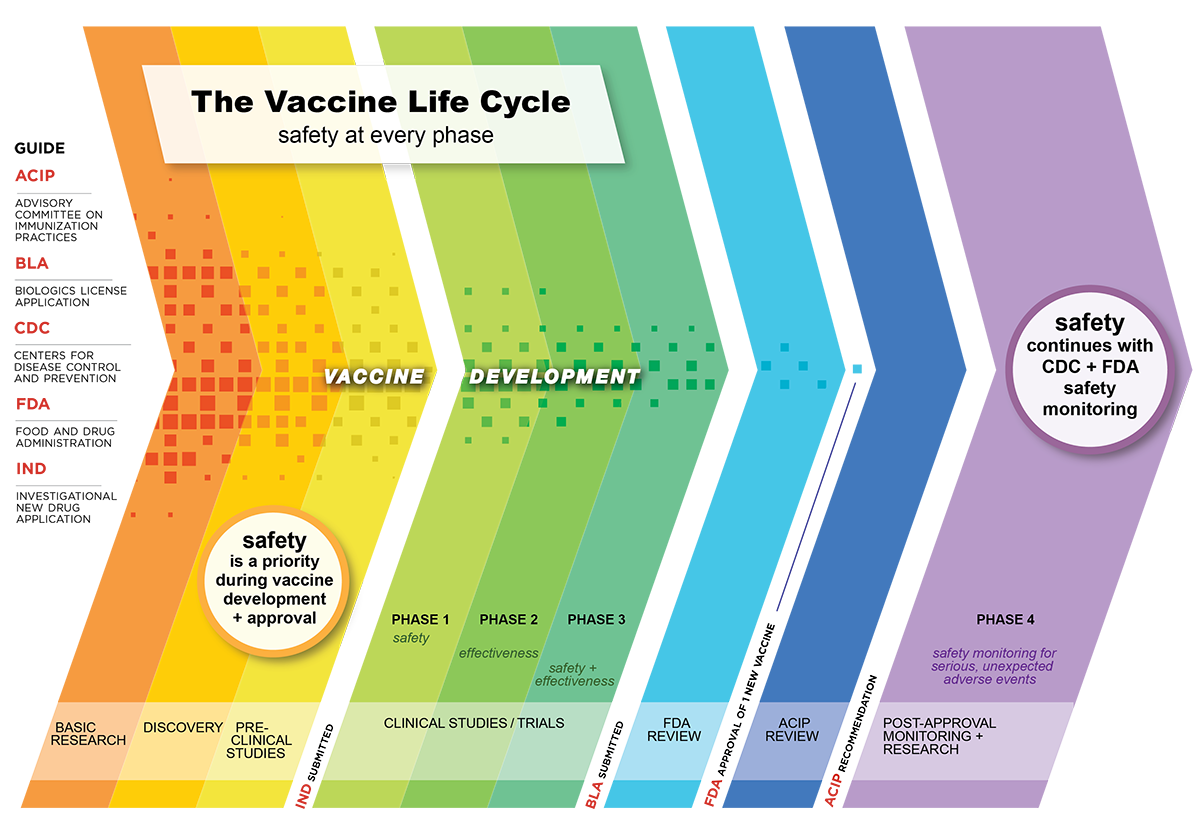
Image: Doctor preparing a vaccine in a clinic


How Immunization Policy Works Today
Currently, U.S. immunization policy is shaped by:
-
Federal public health agencies issuing evidence-based guidance
-
States determining school and childcare requirements
-
Insurance programs aligning coverage with recommended schedules
While states already have significant authority, federal recommendations often act as the baseline standard nationwide.
A major change in that federal role could ripple through:
-
School vaccination requirements
-
Employer and insurer policies
-
Public health funding priorities
The Administration’s Rationale
Administration officials and allies argue that the shift reflects:
-
Concerns about federal overreach
-
Desire to restore trust in healthcare decision-making
-
A belief that one-size-fits-all policies may not suit every community
Some supporters say empowering states and families could reduce political polarization around vaccines by decentralizing decisions.
Concerns From Public Health Experts
Many public health professionals have voiced caution.
Their concerns include:
-
Potential decline in vaccination rates
-
Increased risk of preventable disease outbreaks
-
Uneven protection across states
Experts emphasize that immunization programs rely on high participation to protect vulnerable populations, including infants, seniors, and people with compromised immune systems.
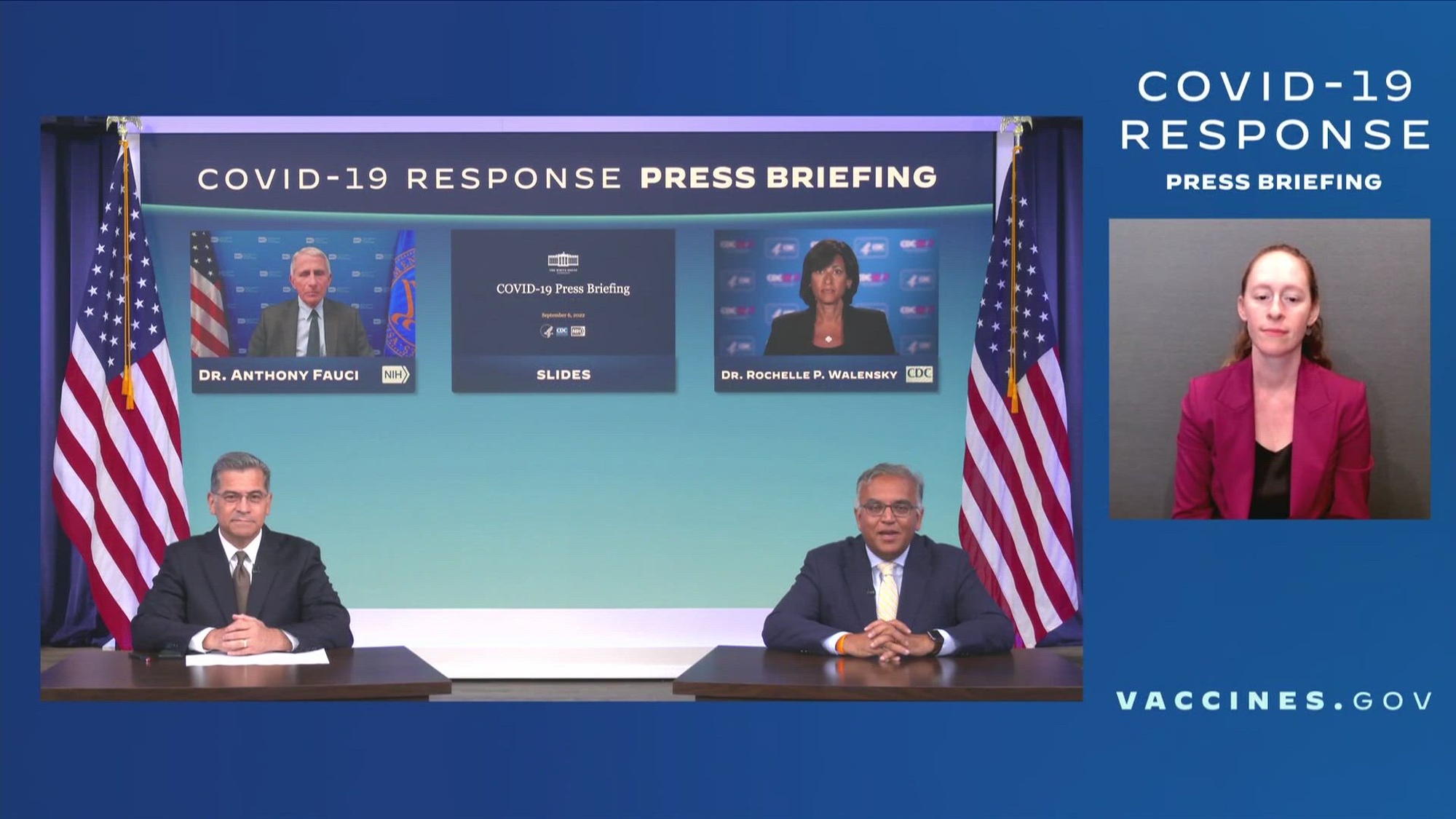
Image: Public health briefing or press conference


What This Could Mean for Families
For families, especially parents of young children, the changes could introduce new layers of decision-making.
Possible impacts include:
-
Different immunization rules depending on state or district
-
More responsibility placed on parents to navigate guidance
-
Increased conversations with pediatricians about risks and benefits
Some parents may welcome greater autonomy, while others worry about confusion and inconsistency.
Implications for Schools and Childcare
Schools and childcare providers are likely to be on the front lines of implementation.
Potential challenges:
-
Revising enrollment policies
-
Managing differing state or local rules
-
Addressing parental concerns and disputes
Education officials warn that inconsistent standards could complicate compliance and enforcement.
The Insurance and Healthcare Provider Angle
Healthcare providers and insurers may also need to adapt.
Changes could affect:
-
Coverage determinations for vaccines
-
Reimbursement models
-
Reporting and compliance requirements
Providers stress the importance of clear guidance to ensure patients continue receiving evidence-based care.
Image: Pediatrician consulting with parents



Political Reactions: Support and Pushback
As expected, the proposal has sparked sharp political reactions.
Supporters Say:
-
The change restores personal freedom
-
States should lead public health decisions
-
Trust must be rebuilt after years of controversy
Critics Argue:
-
Public health should not be politicized
-
Federal leadership is essential during health crises
-
Vulnerable populations could be put at risk
The issue is shaping up to be a major healthcare battleground heading into the mid-to-late 2020s.
Lessons From Past Policy Shifts
History shows that changes in immunization policy can have lasting effects.
Examples from past decades demonstrate:
-
Even small drops in vaccination rates can lead to outbreaks
-
Clear communication is critical to public confidence
-
Rebuilding lost trust can take years
Policy analysts urge caution, transparency, and reliance on scientific evidence.
What Happens Next
Before anything takes effect, several steps remain:
-
Formal policy proposals and regulatory drafts
-
Public comment periods
-
Possible legal challenges
-
Congressional scrutiny or intervention
Nothing is final yet—but momentum is clearly building.
How Americans Can Stay Informed
For individuals and families, experts recommend:
-
Following updates from trusted healthcare providers
-
Monitoring state-level announcements
-
Asking doctors questions early rather than waiting
Staying informed will be essential as details become clearer.
Final Thoughts: A Defining Healthcare Debate
The Trump administration’s proposed immunization shift for 2026 represents more than a policy tweak—it reflects a broader debate about federal authority, personal choice, and public health responsibility.
Whether the change ultimately strengthens trust or creates new challenges will depend on execution, communication, and cooperation across all levels of government.
One thing is certain: as 2026 approaches, immunization policy will remain at the center of America’s healthcare conversation—and the decisions made now could shape public health outcomes for years to come.
Missing Son Found Alive After 20 Years Under a Different Name

The first clue was not a confession or a dramatic reunion. It was a name on a record that did not belong where it appeared, and it sent one mother back into a search she thought had ended in grief. For 20 years, she believed her missing son was gone. Then a paper trail suggested he had been alive under a different identity all along.




Comments 0