A Statement That Sparked Global Attention
Former President Donald Trump reignited debate over U.S. foreign policy and global energy markets after stating that the United States is “strongly involved” in Venezuela’s oil industry.
The comment, reported by Newsweek, immediately drew attention because Venezuela’s oil sector has long been a geopolitical flashpoint—shaped by sanctions, regime change efforts, humanitarian crises, and competing global powers.
While Trump did not lay out specific operational details, the implications of his words were unmistakable: U.S. influence in Venezuelan oil may be deeper than publicly acknowledged.
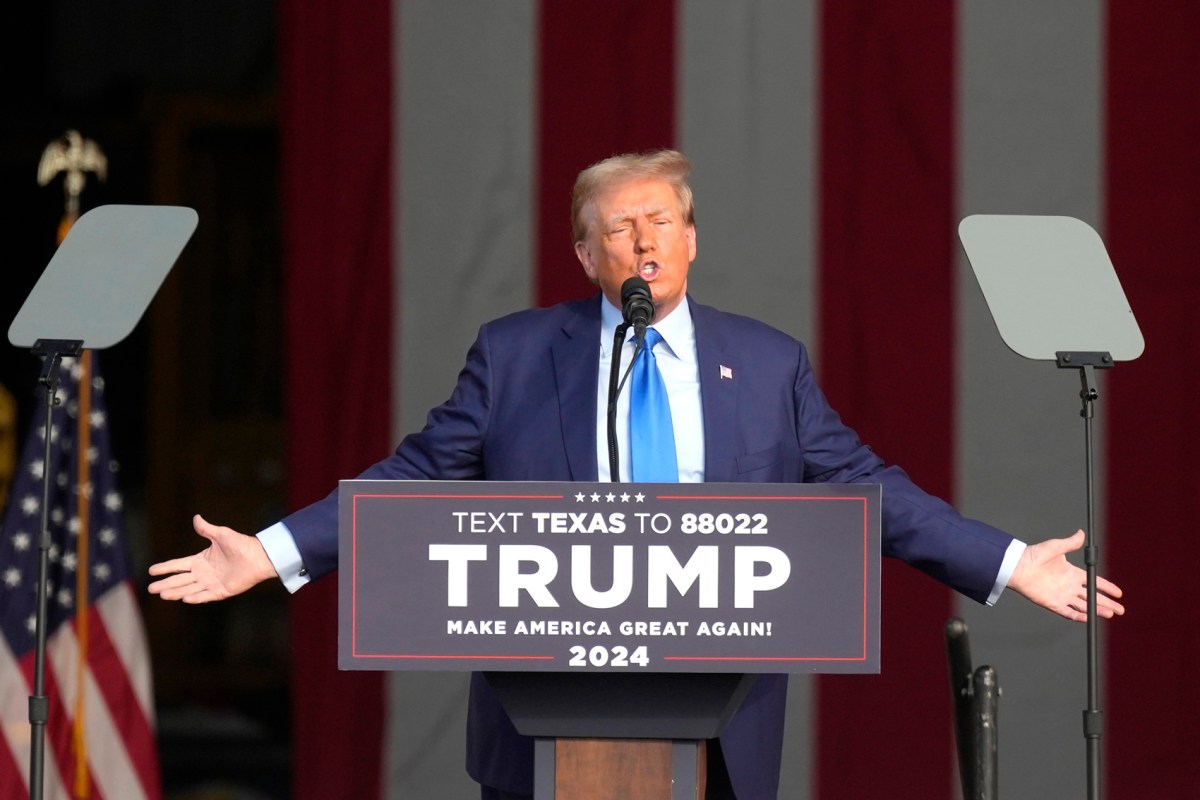
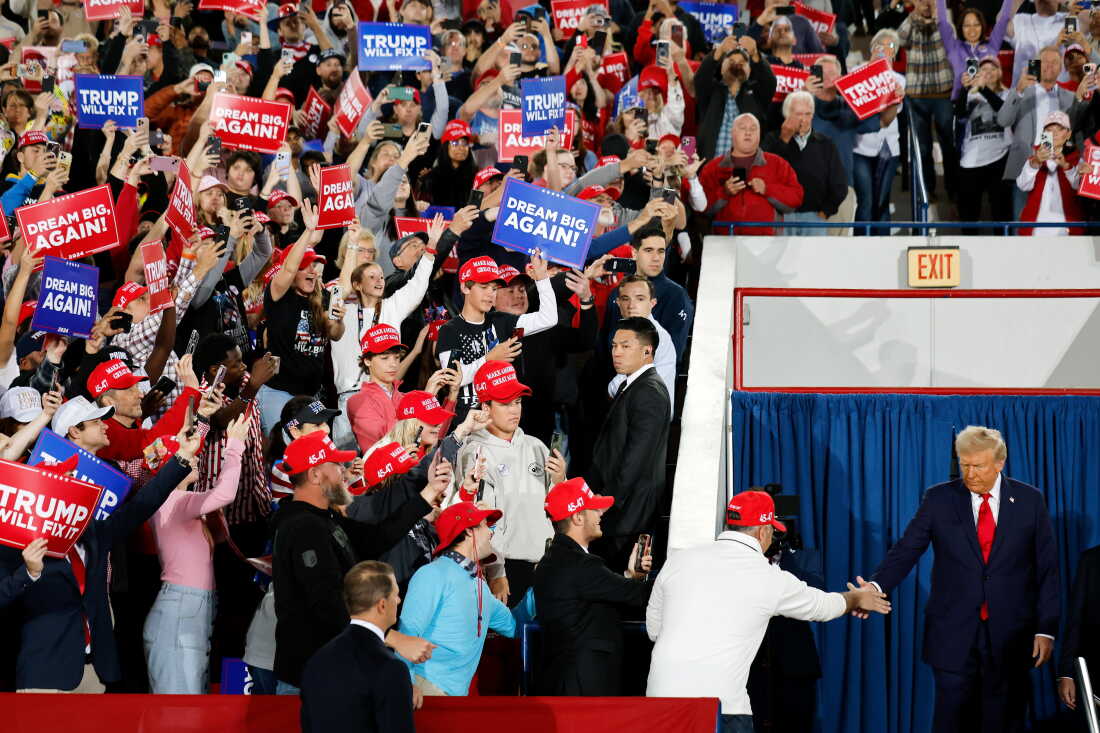
Image: Donald Trump speaking at a political event

Why Venezuela’s Oil Matters So Much
Venezuela holds the largest proven oil reserves in the world, even surpassing Saudi Arabia on paper. Yet years of mismanagement, sanctions, and political instability have left its oil industry operating far below capacity.
Key facts about Venezuela’s oil sector:
-
Home to vast heavy crude reserves
-
Once a top global oil exporter
-
Production collapsed due to infrastructure decay and sanctions
-
Strategic location near U.S. markets
Any suggestion of renewed U.S. involvement carries enormous economic and political weight.
What Trump Actually Said — And What He Didn’t
Trump’s statement that the U.S. is “strongly involved” was notably broad. He did not clarify whether that involvement meant:
-
Direct investment
-
Back-channel negotiations
-
Sanctions enforcement leverage
-
Energy diplomacy through intermediaries
This ambiguity has fueled speculation across energy markets and political circles.
Some analysts interpret the remark as strategic signaling rather than a literal description of on-the-ground operations.
The Sanctions Puzzle
The U.S. has imposed sweeping sanctions on Venezuela for years, primarily targeting the government of Nicolás Maduro.
Those sanctions:
-
Restrict oil exports
-
Limit access to global finance
-
Penalize foreign companies doing business with state oil firm PDVSA
However, in recent years, Washington has selectively eased certain restrictions—especially when global oil prices spiked.
This creates a paradox: How can the U.S. be “strongly involved” while sanctions remain?
Behind-the-Scenes Influence vs. Public Policy
Experts suggest Trump’s wording may reflect indirect leverage rather than direct control.
Possible forms of U.S. involvement include:
-
Licensing U.S. energy companies under strict conditions
-
Using sanctions relief as negotiating leverage
-
Influencing production levels through diplomatic pressure
-
Coordinating with allies on energy flows
In other words, involvement doesn’t necessarily mean ownership—it means influence.
U.S. Energy Security and Global Markets
Trump’s comment also ties into a broader narrative he has pushed repeatedly: that energy dominance equals national strength.
From his perspective:
-
Global oil supply affects U.S. inflation
-
Venezuela’s oil could stabilize markets
-
Keeping rivals like China and Russia out is strategic
This framing positions Venezuela not just as a humanitarian issue, but as a geopolitical energy chess piece.
Image: Oil pumps and refinery infrastructure


China, Russia, and the Venezuela Factor
One reason U.S. policymakers remain focused on Venezuela is the growing presence of rival powers.
China:
-
Provided billions in loans backed by oil
-
Secured long-term supply agreements
Russia:
-
Offered military and energy cooperation
-
Helped Venezuela evade sanctions
From this lens, Trump’s statement may be aimed less at Caracas—and more at Beijing and Moscow.
Is This a Shift—or Just Rhetoric?
Critics argue Trump’s remarks may be more rhetorical than factual, designed to project strength rather than reveal policy.
Supporters counter that:
-
U.S. influence is often intentionally opaque
-
Public denial doesn’t mean absence
-
Energy diplomacy rarely happens in full view
The truth likely lies somewhere in between.
How Markets Reacted
While Trump’s comments did not immediately move oil prices, energy analysts noted increased discussion around:
-
Future Venezuelan output
-
Sanctions relief scenarios
-
U.S. election impact on oil policy
Markets tend to price expectations, not just actions—and Trump’s words introduced new expectations.
What This Means for Venezuela
For Venezuela, the idea of U.S. involvement is both opportunity and threat.
Potential upsides:
-
Increased production
-
Access to technology and capital
-
Economic stabilization
Risks:
-
Loss of sovereignty
-
Political backlash
-
Uneven benefits to citizens
The Venezuelan public remains divided, shaped by years of crisis and external pressure.
Domestic U.S. Political Implications
Trump’s statement also plays into domestic politics, where energy remains a powerful issue.
Voters care about:
-
Gas prices
-
Inflation
-
National security
-
Foreign entanglements
By framing Venezuela as an arena of U.S. strength rather than weakness, Trump reinforces a core campaign theme.
Experts Urge Caution
Foreign policy analysts warn against oversimplifying the situation.
Common cautions include:
-
Venezuela’s infrastructure is deeply degraded
-
Political instability remains unresolved
-
Sanctions policy is complex and conditional
“Strong involvement” does not guarantee control, success, or stability.
A Familiar Trump Strategy
This moment fits a familiar Trump pattern:
-
Make a bold, headline-grabbing claim
-
Force media and rivals to react
-
Shift the conversation on his terms
Whether intentional or not, the result is renewed focus on Venezuela—on Trump’s timeline.
What Happens Next?
Looking ahead, several developments could clarify the situation:
-
Formal policy statements from U.S. officials
-
Changes to sanctions frameworks
-
Election-driven shifts in energy diplomacy
-
New licensing deals for oil companies
Until then, Trump’s comment remains a signal—powerful, but incomplete.
Final Thoughts: Power, Oil, and Ambiguity
Trump’s claim that the U.S. is “strongly involved” in Venezuela’s oil industry is less a revelation than a reminder: energy is power, and power is rarely transparent.
Whether through sanctions, diplomacy, or market leverage, the U.S. continues to shape outcomes in Venezuela—sometimes loudly, sometimes quietly.
In a world where oil still fuels geopolitics, even a single sentence can carry global consequences.
Missing Son Found Alive After 20 Years Under a Different Name

The first clue was not a confession or a dramatic reunion. It was a name on a record that did not belong where it appeared, and it sent one mother back into a search she thought had ended in grief. For 20 years, she believed her missing son was gone. Then a paper trail suggested he had been alive under a different identity all along.




Comments 0