A Turning Point for the U.S. Housing Market
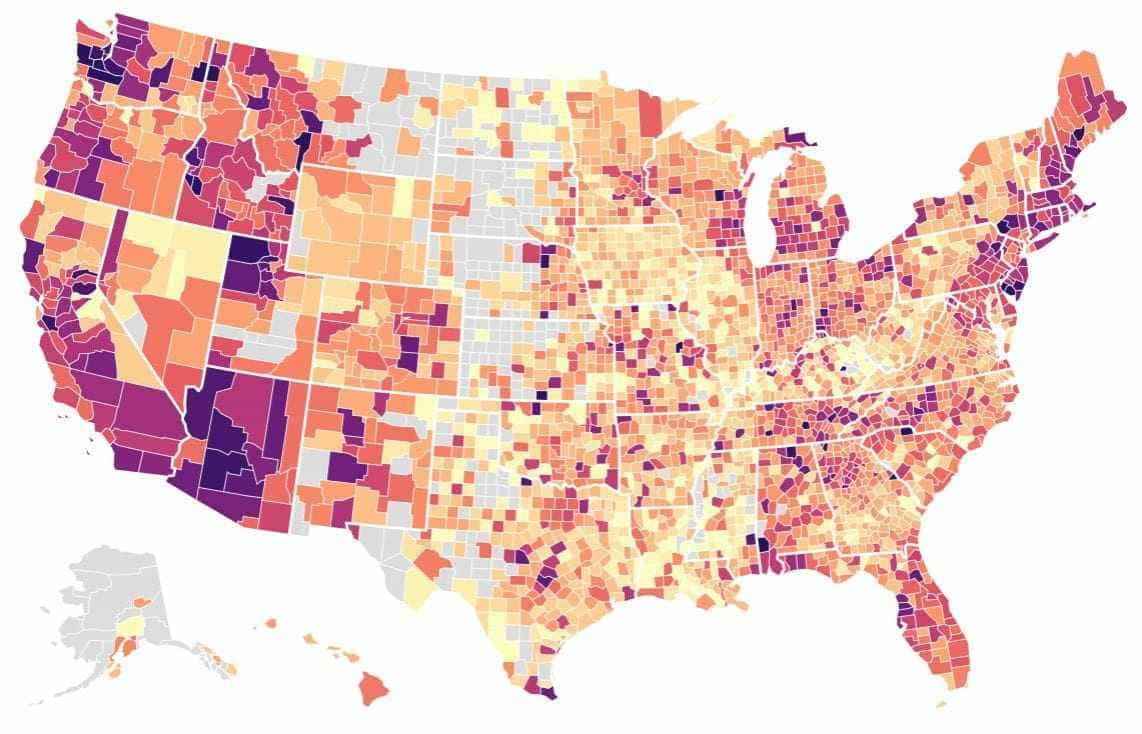
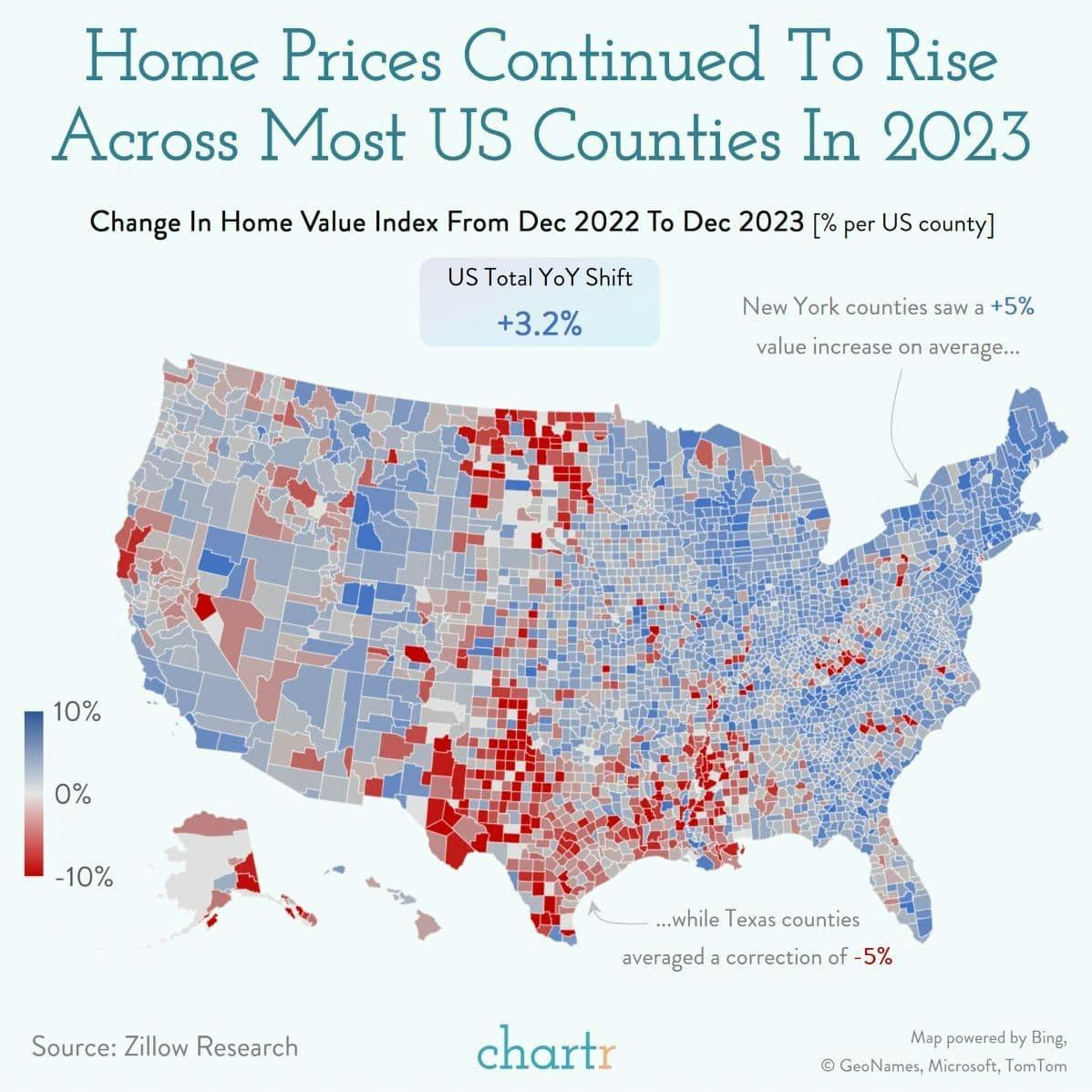
After years of rapid appreciation fueled by low interest rates, remote work, and tight inventory, the U.S. housing market may be heading into a very different phase. A new analysis and map highlight U.S. cities where home prices could decline by 2026, signaling a potential correction in markets that surged the fastest during the pandemic-era boom.
For buyers, sellers, and investors alike, the message is clear: not all housing markets will move in the same direction. While some regions may remain resilient, others could see noticeable price drops as affordability pressures, higher mortgage rates, and shifting demand collide.
Image: Map showing U.S. cities with projected housing price declines

Why Some Cities Are More Vulnerable Than Others
The Boom-Bust Pattern
Historically, housing markets that experience the fastest price growth are often the most vulnerable when conditions change. Many cities flagged as high-risk share common traits:
-
Double-digit home price growth since 2020
-
Heavy in-migration during the remote-work boom
-
Rising property taxes and insurance costs
-
Local economies sensitive to layoffs or tech slowdowns
As affordability worsens and buyer demand cools, these once-hot markets may struggle to maintain peak valuations.
The Role of Mortgage Rates
Higher Rates, Lower Buying Power
One of the biggest forces reshaping the housing outlook is persistently high mortgage rates. Even if rates ease slightly by 2026, they are unlikely to return to the ultra-low levels that powered the pandemic housing surge.
What this means in practical terms:
-
Monthly payments remain elevated
-
First-time buyers are priced out
-
Investors become more cautious
-
Sellers face longer listing times
In markets where prices rose faster than incomes, the imbalance becomes especially pronounced.
Cities Most at Risk of Price Declines
While the map highlights dozens of metro areas, analysts point to several common regional hotspots where price declines are more likely.
Sun Belt Cities Under Pressure
Cities across the Sun Belt saw explosive growth from 2020 to 2023, driven by migration and lower taxes. However, affordability challenges are now mounting in places like:
-
Phoenix
-
Austin
-
Tampa
-
Las Vegas
These markets experienced rapid price acceleration that may be difficult to sustain without continued population inflows.
Image: Suburban housing developments in Sun Belt cities



Tech-Heavy Metro Areas
Tech-driven housing markets face a unique risk: employment volatility. Layoffs, hiring freezes, or reduced equity compensation can quickly affect demand.
Cities often cited in this category include:
-
San Jose
-
San Francisco
-
Seattle
Even small declines in demand can have outsized effects in markets where prices are already stretched.
Pandemic Boomtowns Losing Momentum
Some mid-sized cities that benefited from remote work are now seeing slower growth or outright reversals as workers return to offices or relocate again. In these areas, demand may not justify current valuations.
Markets That May Hold Up Better
Not every city faces downside risk. Housing markets with the following characteristics tend to be more resilient:
-
Diverse job bases
-
Limited new construction
-
Strong long-term population growth
-
Relatively affordable price-to-income ratios
Midwestern and Northeastern cities with steady (rather than explosive) growth may weather a correction more smoothly.
What a Price Decline Really Looks Like
Not a 2008-Style Crash
Experts emphasize that a potential decline does not necessarily mean a housing crash. Instead, most forecasts suggest:
-
Gradual price softening (5–15% in some markets)
-
Flat or stagnant prices in others
-
Continued shortages in desirable neighborhoods
This would represent a normalization rather than a collapse.
How This Affects Buyers
Opportunity with Caution
For buyers, falling prices could create opportunities—but only for those prepared for the realities of today’s market.
Smart buyer strategies include:
-
Prioritizing affordability over speculation
-
Locking in manageable monthly payments
-
Negotiating on price, repairs, or concessions
Waiting for prices to fall further can be risky if rates remain high.
What Sellers Should Know
Pricing Realistically Is Key
Sellers in at-risk cities may need to adjust expectations. Homes priced aggressively based on 2022 comps could sit on the market longer in 2025 and 2026.
Successful sellers will:
-
Price competitively from the start
-
Invest in staging and curb appeal
-
Be open to concessions
Investors: A Market That Rewards Patience
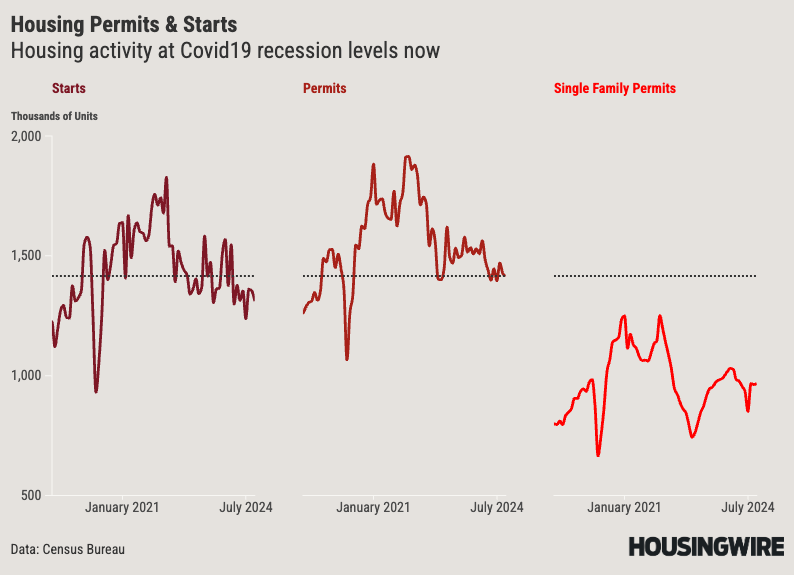
For real estate investors, the coming years may favor long-term fundamentals over short-term flips. Cash flow, rental demand, and local job growth will matter more than rapid appreciation.
Regional Cost Pressures Adding to the Strain
Beyond mortgage rates, homeowners are facing rising costs that indirectly affect home values:
-
Property taxes
-
Home insurance premiums
-
Maintenance and HOA fees
In climate-exposed regions, insurance availability alone can impact buyer demand and resale value.
The Bigger Economic Picture
Housing Reflects Broader Trends
The housing market does not exist in isolation. Its direction will be influenced by:
-
Federal Reserve policy
-
Inflation trends
-
Employment growth
-
Consumer confidence
A slower economy often translates into softer housing demand—especially in discretionary or investment-heavy markets.
Image: For sale sign in front of a suburban home

What This Means for 2026 and Beyond
The map showing cities where home prices could fall by 2026 serves as a warning—not a prophecy. Local conditions will ultimately determine outcomes, and real estate remains deeply regional.
However, the era of “prices only go up” appears to be over in many parts of the country.
Final Takeaway: Know Your Local Market
Whether you’re buying, selling, or investing, the most important lesson is this: national headlines don’t tell the full story. Some U.S. cities may face meaningful price corrections by 2026, while others remain stable or even grow modestly.
Understanding local supply, demand, and affordability will matter more than ever.
In the next phase of the U.S. housing market, knowledge—not hype—will be the most valuable asset.
Missing Son Found Alive After 20 Years Under a Different Name

The first clue was not a confession or a dramatic reunion. It was a name on a record that did not belong where it appeared, and it sent one mother back into a search she thought had ended in grief. For 20 years, she believed her missing son was gone. Then a paper trail suggested he had been alive under a different identity all along.




Comments 0