A Breaking-Point Moment for Venezuela and the World
Few headlines in recent years have carried as much geopolitical weight as reports suggesting the United States could play a direct role in running Venezuela while Nicolás Maduro is being held in New York. What began as a fast-moving legal and diplomatic situation has quickly escalated into a global debate over sovereignty, international law, and the limits of U.S. power.
The phrase “U.S. to run Venezuela” has ignited alarm, confusion, and speculation across continents. Is this a temporary administrative role? A transitional authority? Or simply political rhetoric amplified by the gravity of Maduro’s detention?
To understand what’s really happening, it’s essential to separate fact from fear—and place the moment in its broader historical and geopolitical context.
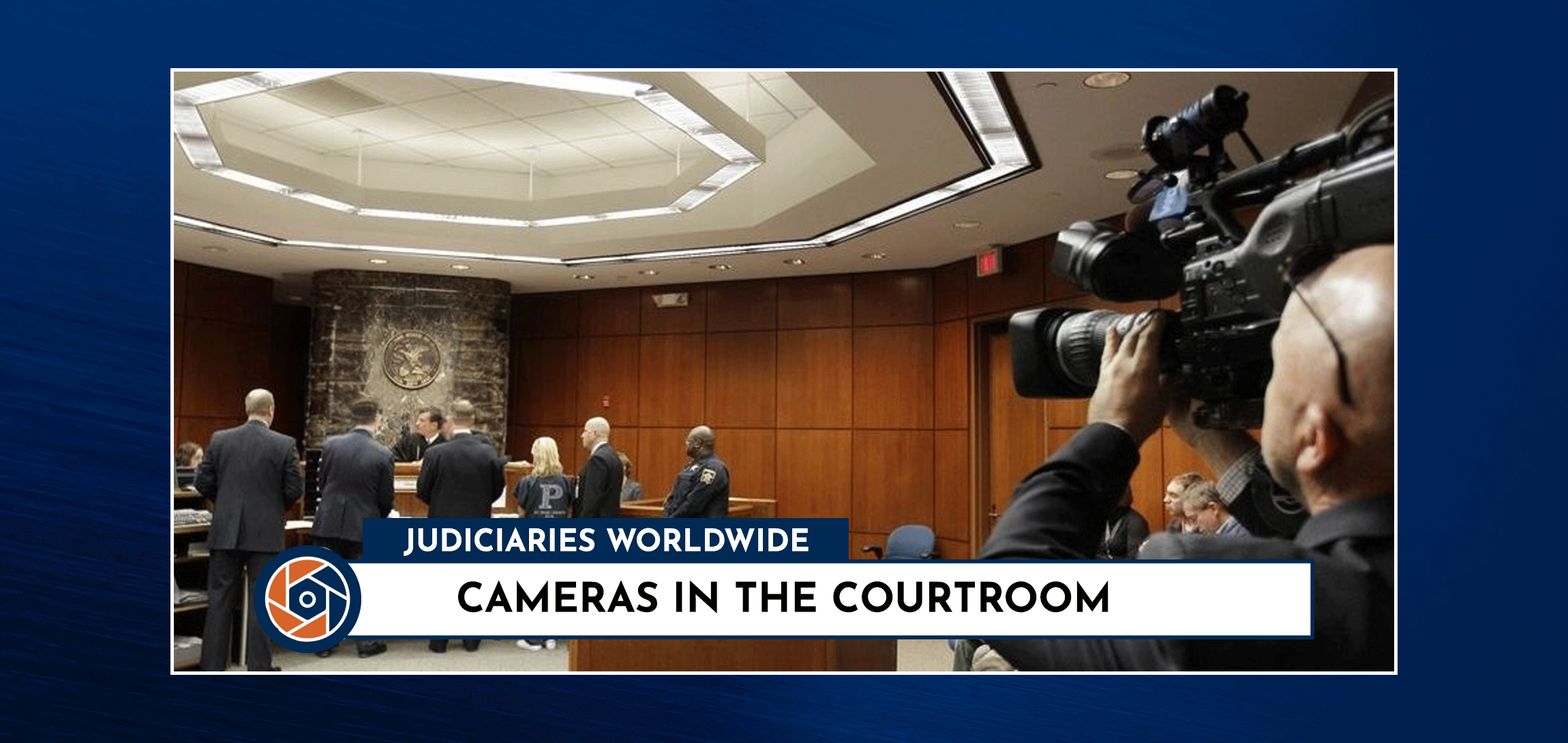
Image: Global media outside a New York courthouse


Why Maduro Is in New York
From Caracas to Custody
Maduro’s presence in New York marks one of the most dramatic turns in modern Latin American politics. Long accused by critics of corruption, human rights abuses, and undermining democratic institutions, Maduro had until now remained shielded by power and geography.
His detention in the New York City represents:
-
A legal escalation years in the making
-
Increasing international cooperation against alleged transnational crimes
-
A symbolic rupture in Venezuela’s political status quo
While details continue to emerge through live updates, what’s clear is that this moment has forced urgent questions about governance inside Venezuela.
The Phrase That Shocked the World: “U.S. to Run Venezuela”
What Was Actually Said—and What Wasn’t
The idea that the United States would “run” Venezuela has been widely circulated, but often misunderstood. Officials and analysts emphasize that no formal declaration of U.S. governance has been made.
Instead, discussions center around:
-
Transitional oversight mechanisms
-
International stabilization frameworks
-
Multilateral coordination involving regional and global partners
In short, this is not a return to 20th-century occupation models—but the language alone has triggered historic sensitivities across Latin America.
Venezuela Without Maduro: A Leadership Vacuum
What Happens When Power Is Suddenly Unclear?
With Maduro absent from Caracas, Venezuela faces a moment of extreme institutional fragility. The country has already endured years of economic collapse, mass migration, and political polarization.
Key risks include:
-
Competing claims to authority
-
Military uncertainty
-
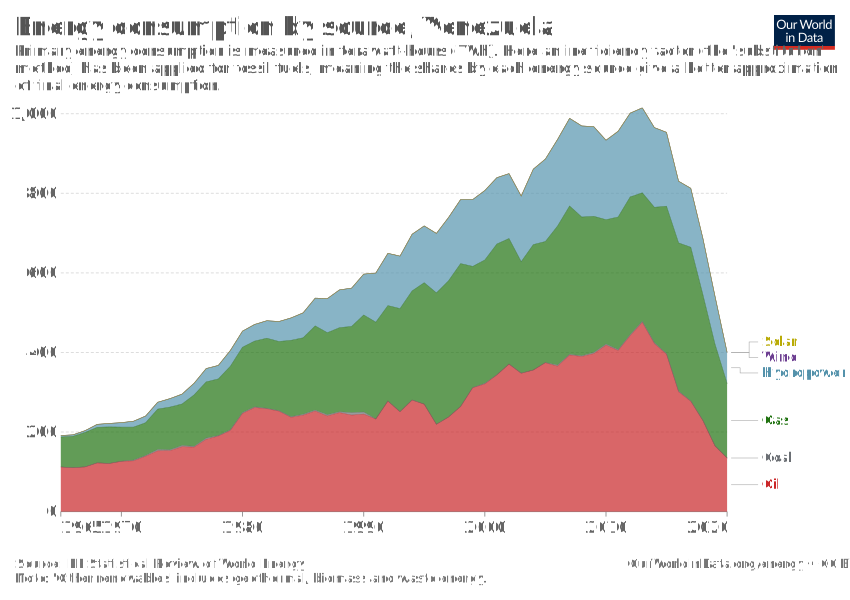
Disruption to oil production and public services
For millions of Venezuelans, the question is immediate and personal: Who is in charge right now?
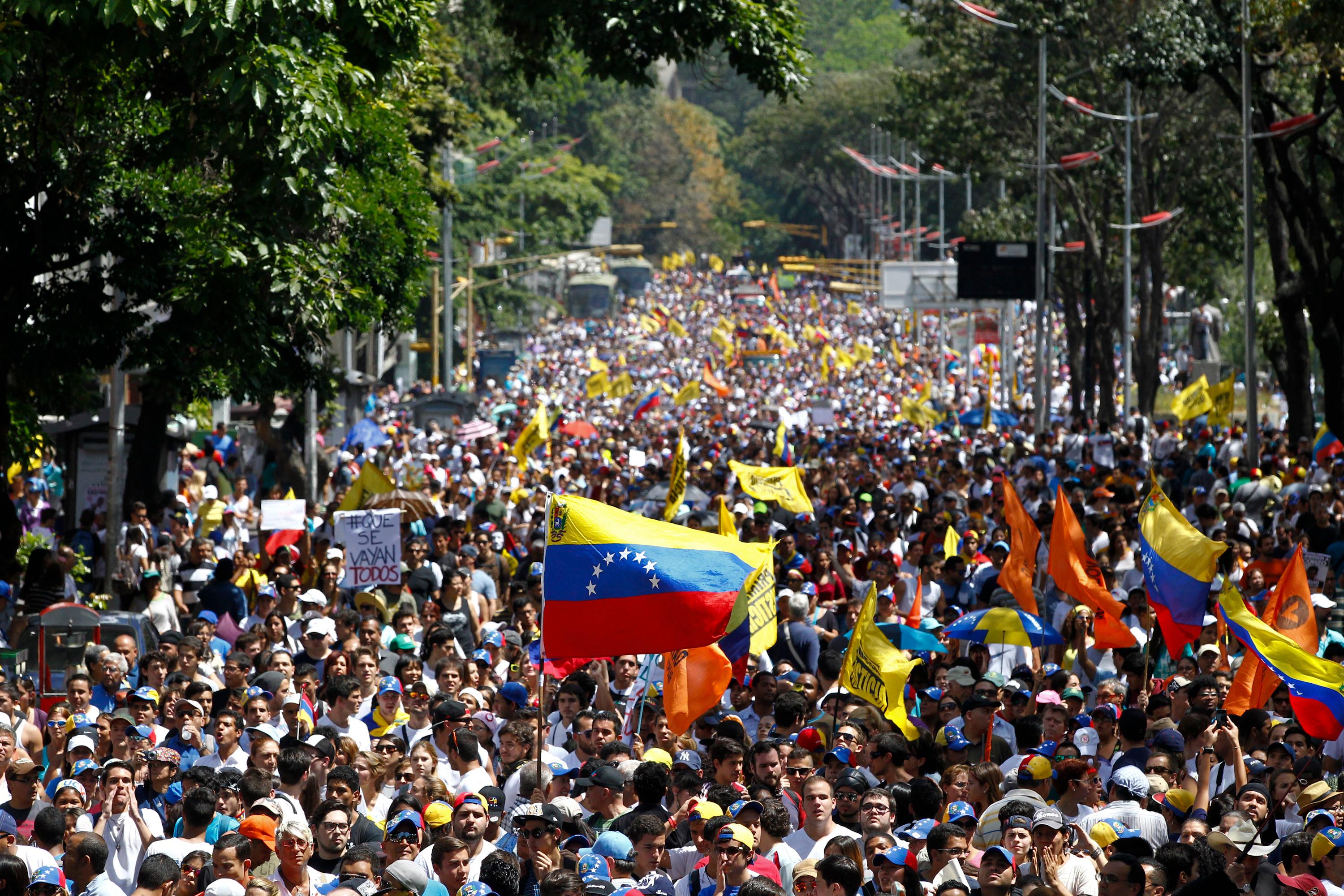
Image: Empty government buildings in Caracas


Why the U.S. Is So Deeply Involved
Oil, Stability, and Regional Security
Venezuela sits atop one of the world’s largest proven oil reserves. Prolonged instability there has ripple effects far beyond its borders—impacting energy markets, migration patterns, and regional security.
From Washington’s perspective, involvement is framed around:
-
Preventing state collapse
-
Avoiding a humanitarian freefall
-
Reducing the influence of rival global powers in the region
Critics, however, argue that economic and strategic interests are inseparable from humanitarian justifications.
International Reaction: Support, Skepticism, and Silence
A Divided Global Response
The international community has reacted cautiously—and unevenly.
-
Some governments welcomed stronger accountability measures
-
Others warned against setting dangerous precedents
-
Several nations declined to comment publicly, signaling quiet concern
Latin American leaders in particular have stressed the importance of regional solutions, wary of external control narratives resurfacing.
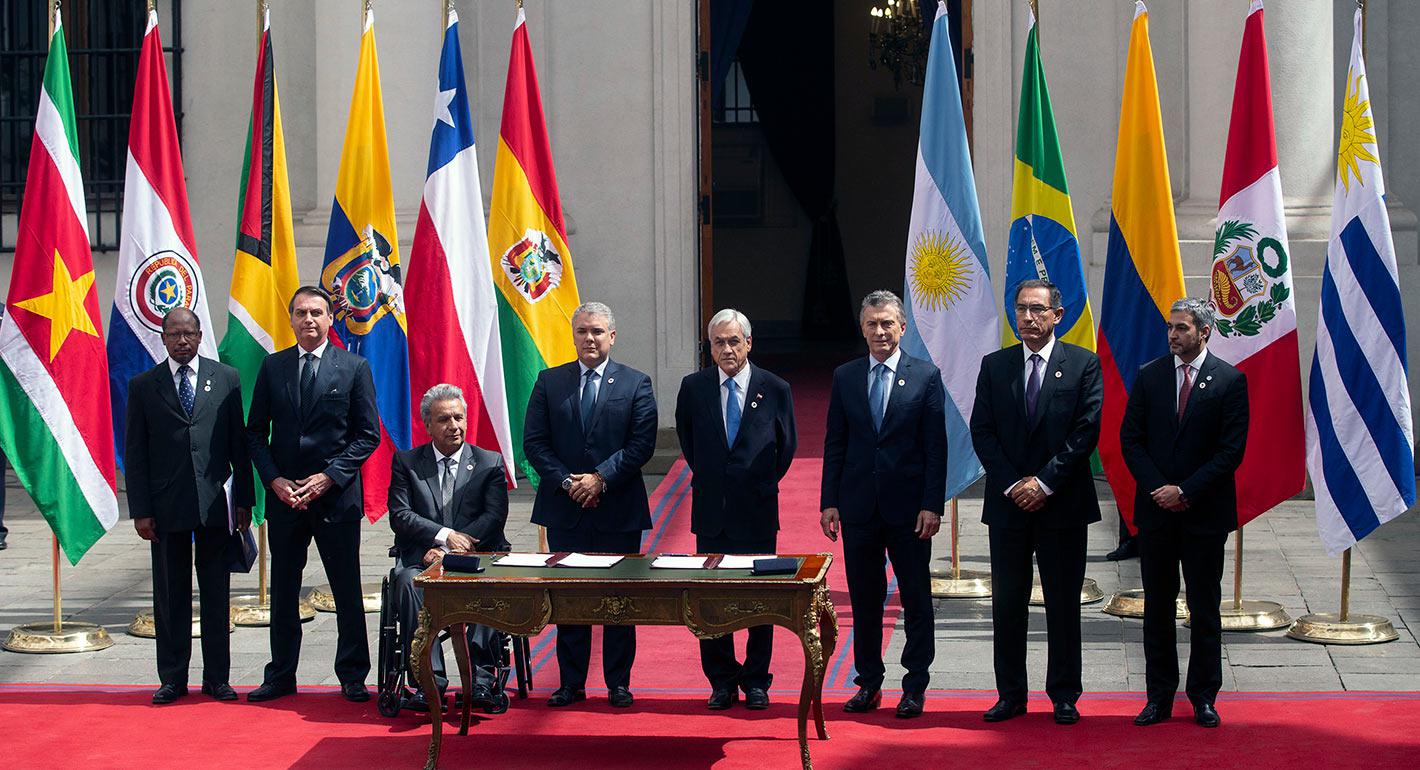
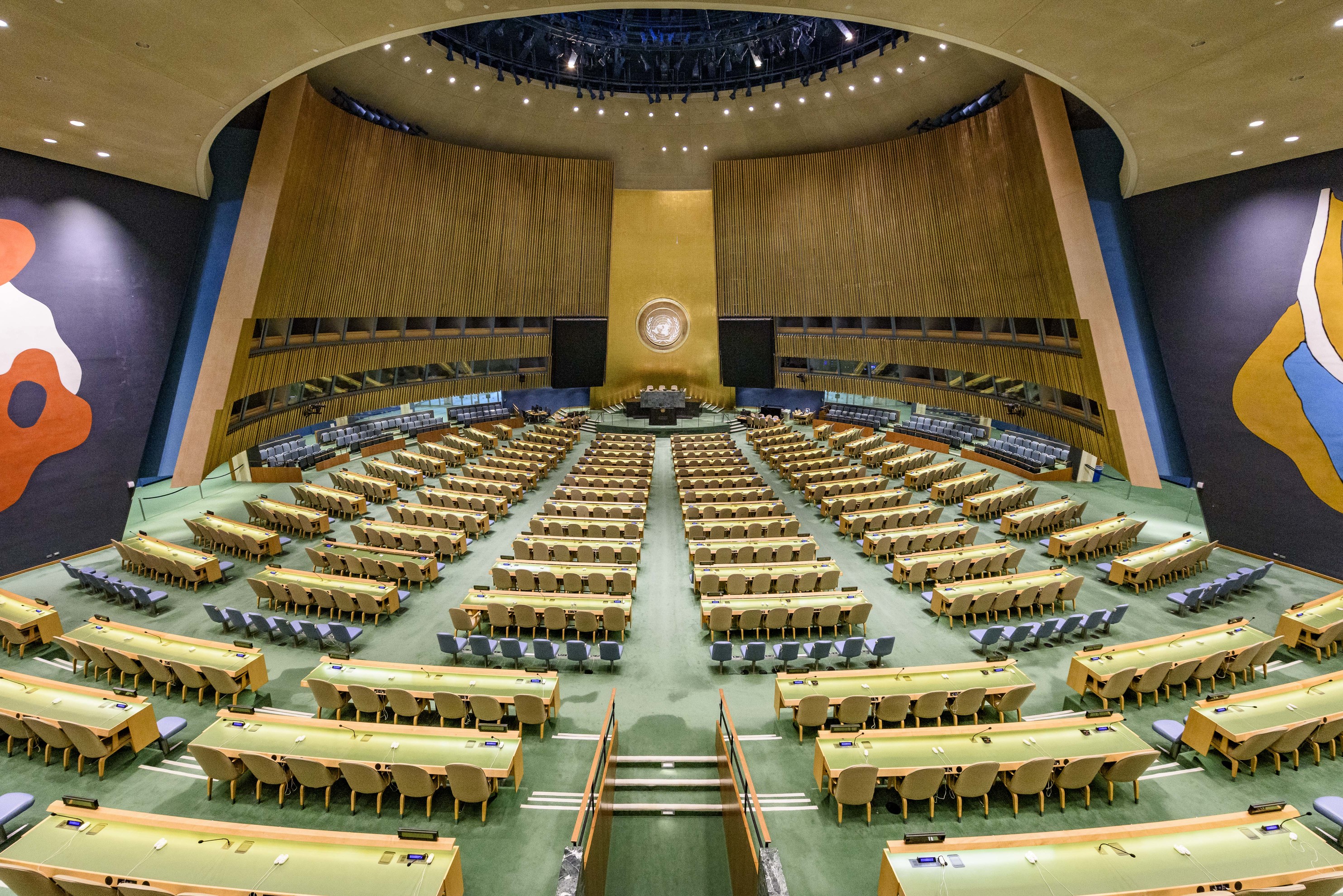
Image: World leaders at international summit

Is This Legal Under International Law?
The Sovereignty Question
At the heart of the controversy lies a fundamental issue: Can one country help govern another without violating sovereignty?
Legal scholars point out:
-
Temporary international administrations have precedents
-
Multilateral authorization is key to legitimacy
-
Any unilateral control would face severe legal challenges
The difference between “supporting a transition” and “running a country” is not just semantic—it’s legal and moral.
Voices From Venezuela: Fear, Hope, and Exhaustion
What Ordinary Citizens Are Saying
Inside Venezuela, reactions span a wide emotional spectrum:
-
Some see hope for long-delayed change
-
Others fear foreign domination
-
Many are simply exhausted after years of crisis
A recurring sentiment echoed on social media and in interviews: “We want stability—no matter who delivers it.”
Media, Misinformation, and the Speed of Crisis
How Headlines Shape Reality
In the age of live updates, phrases like “U.S. to run Venezuela” can harden into perceived truth within hours. Analysts warn that misinformation—intentional or not—can inflame tensions and shape public expectations before policies are even defined.
This makes clarity and transparency crucial in the days ahead.
What Happens Next?
Several Possible Scenarios
Experts outline a few realistic paths forward:
-
International transitional authority backed by multiple nations
-
Rapid internal political settlement within Venezuela
-
Prolonged uncertainty with limited external coordination
Each scenario carries risks—and none offer quick fixes.
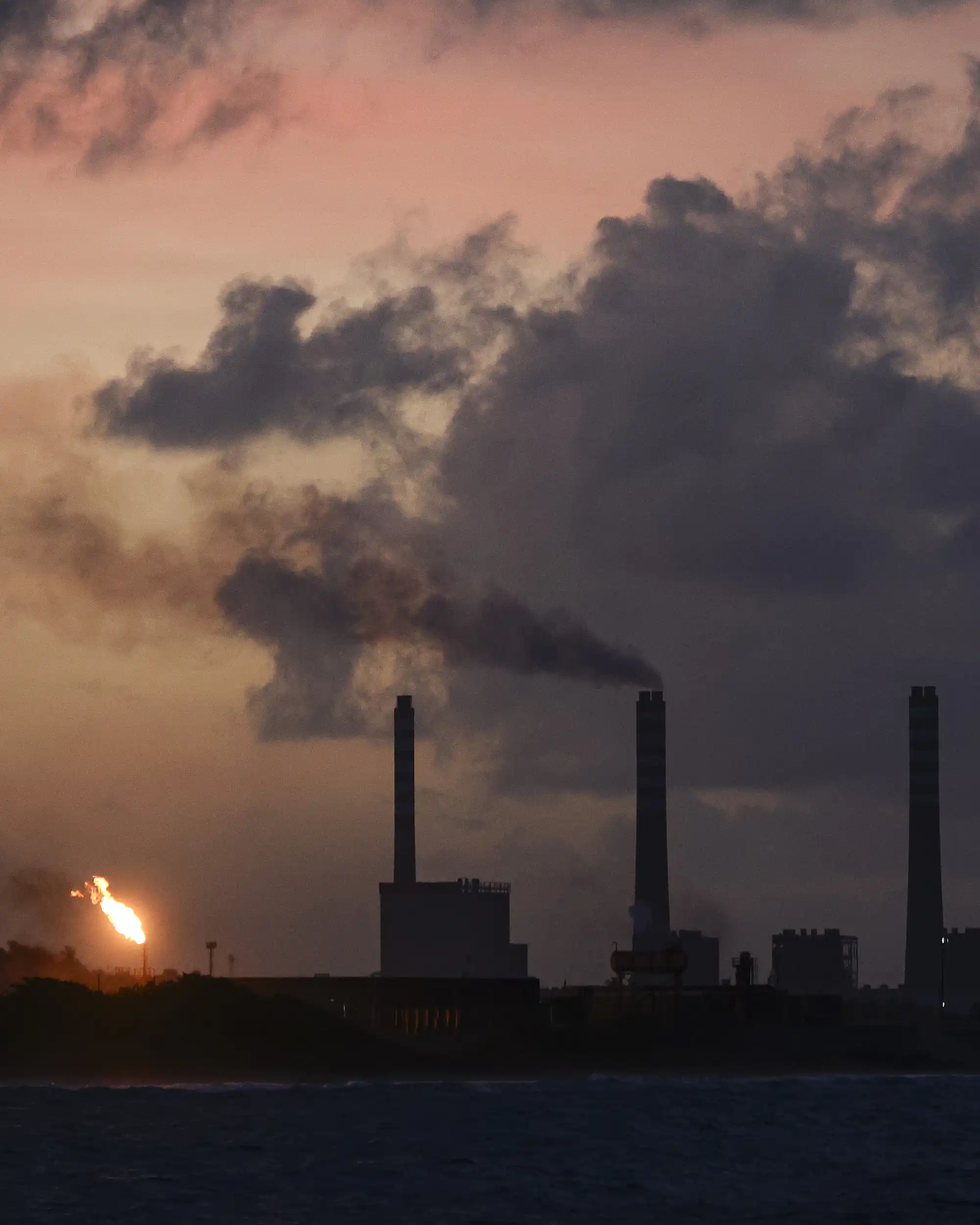
Image: Venezuelan oil fields at sunset

Why This Moment Is Historically Significant
This is not just about Maduro. It’s about:
-
How the world handles collapsing states
-
Whether accountability can cross borders
-
The evolving role of global power in domestic crises
Future leaders—both authoritarian and democratic—will study this case closely.
Final Thoughts: Between Power and Responsibility
The idea of the United States “running” Venezuela may prove to be more rhetorical than real. But the situation it reflects is undeniably serious.
With Nicolás Maduro held in New York, Venezuela stands at a crossroads. The choices made now—by Washington, by international partners, and by Venezuelans themselves—will shape the country’s future for decades.
What happens next won’t just define Venezuela. It will redefine how the world responds when power collapses and accountability finally arrives.
Missing Son Found Alive After 20 Years Under a Different Name
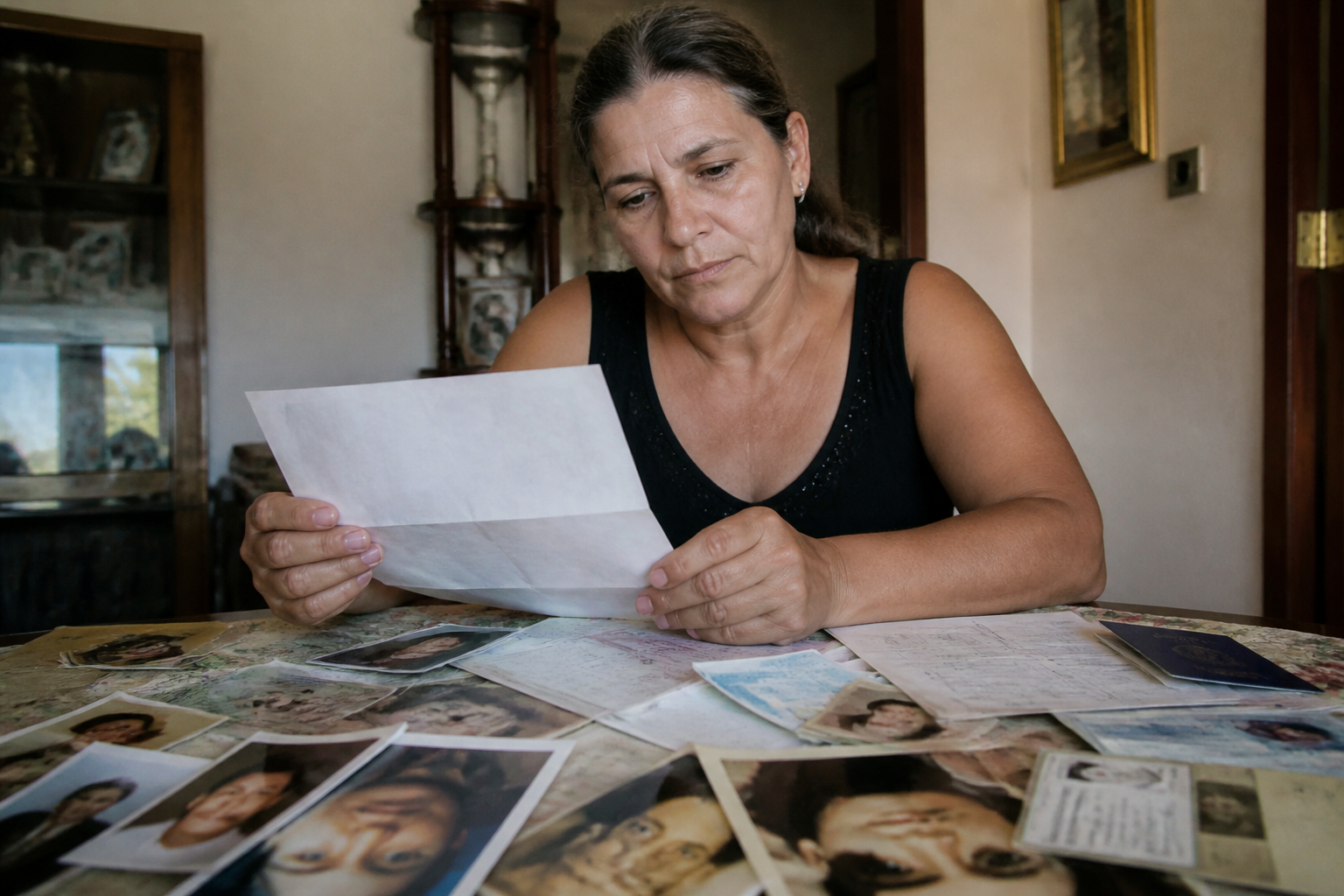
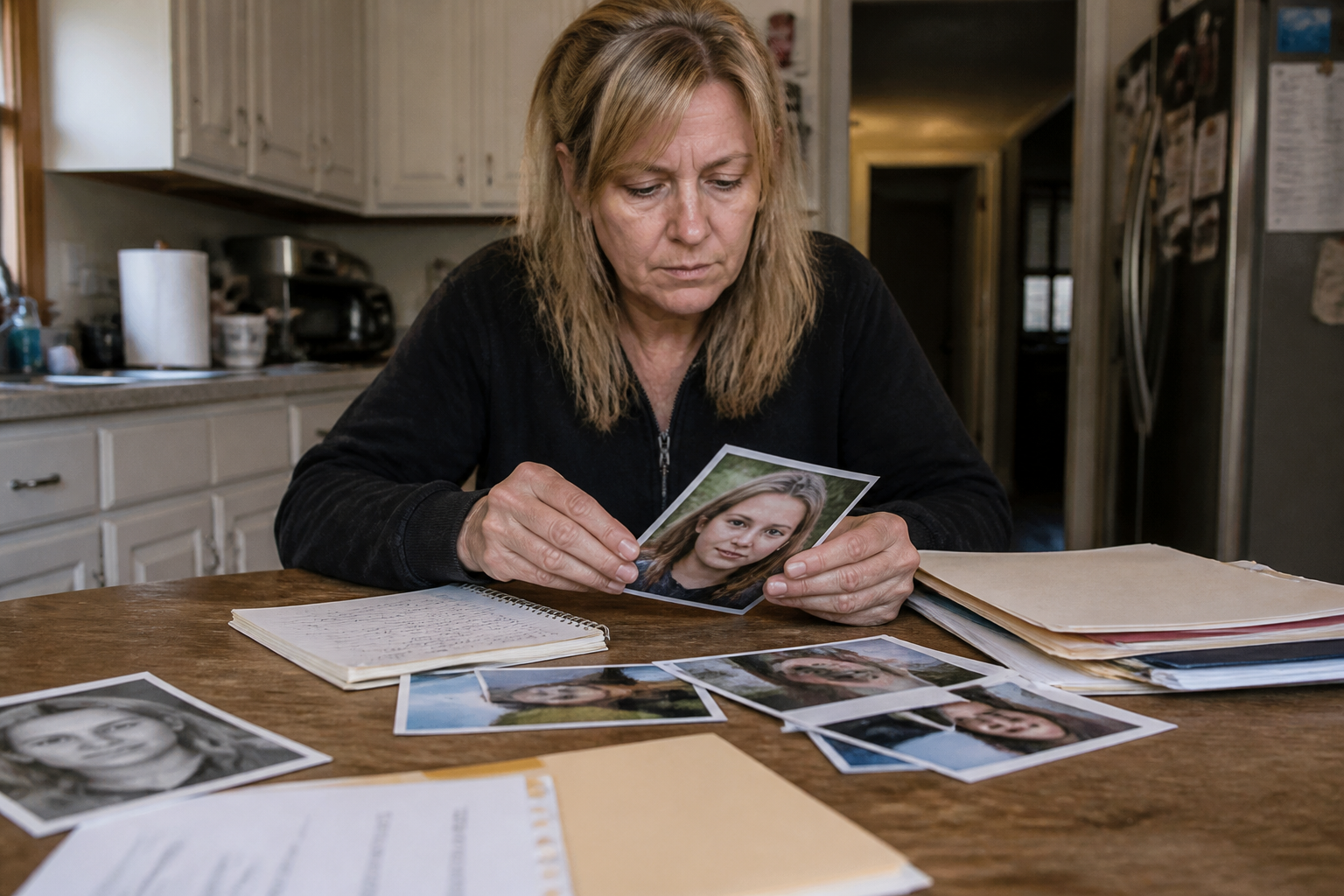
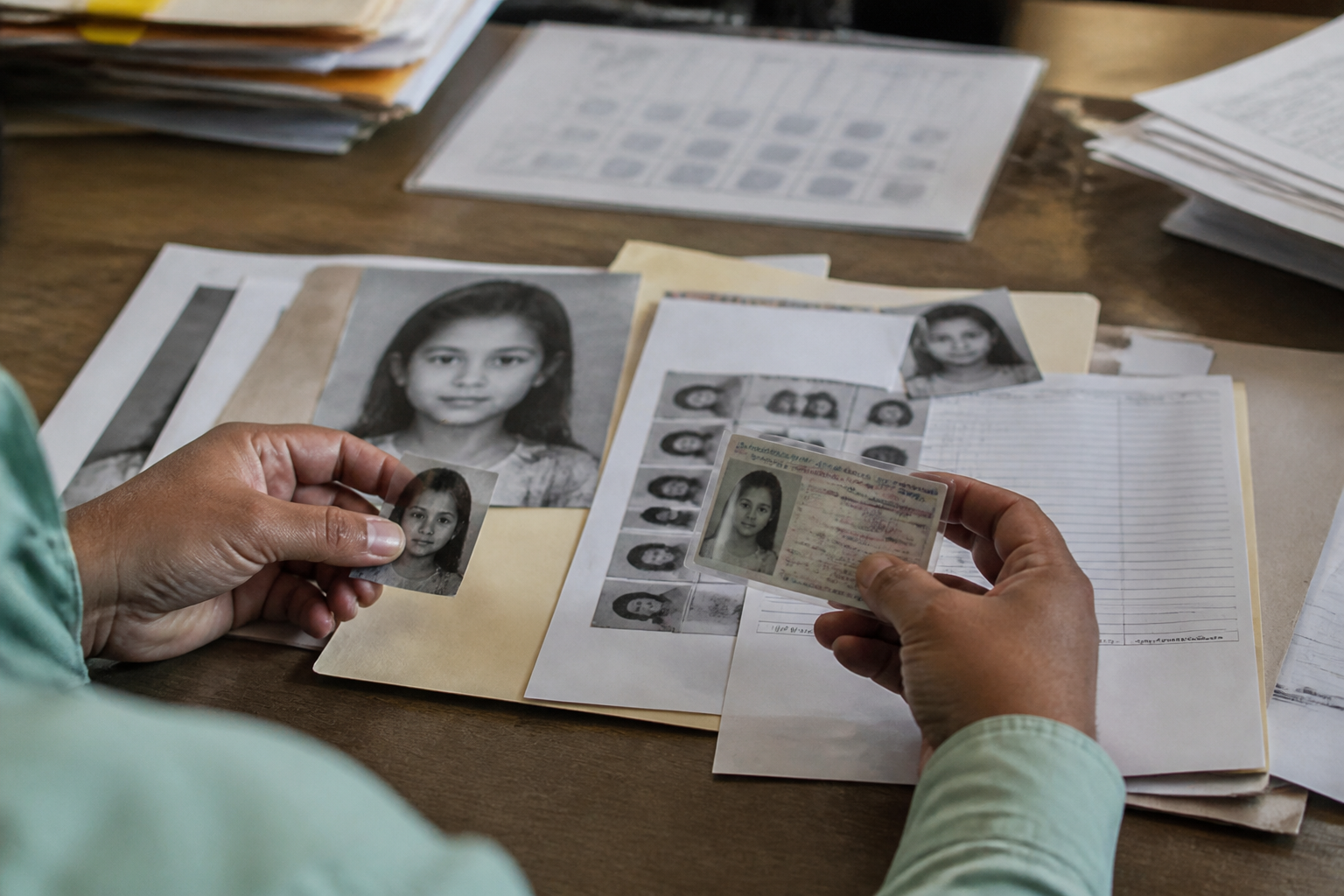
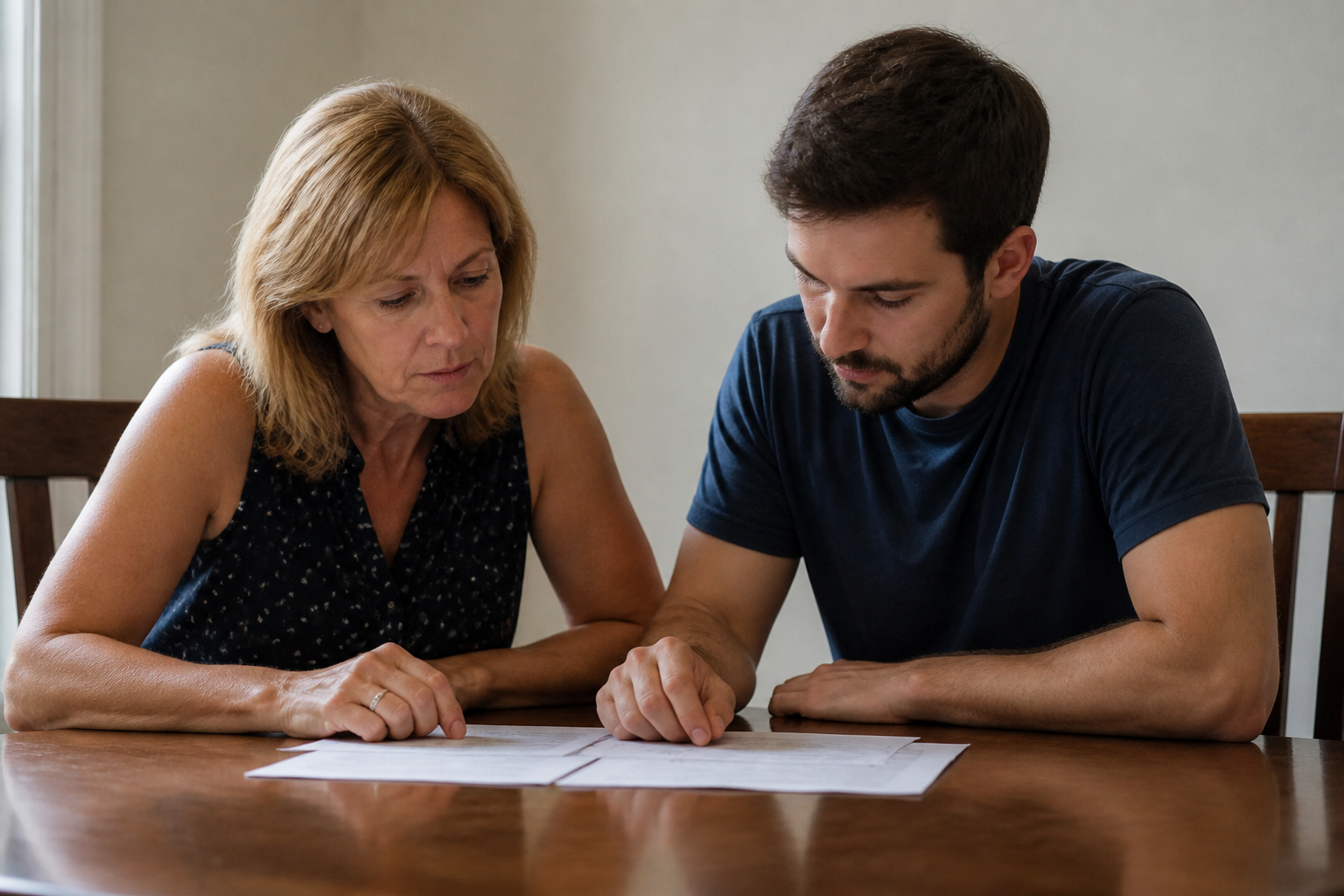
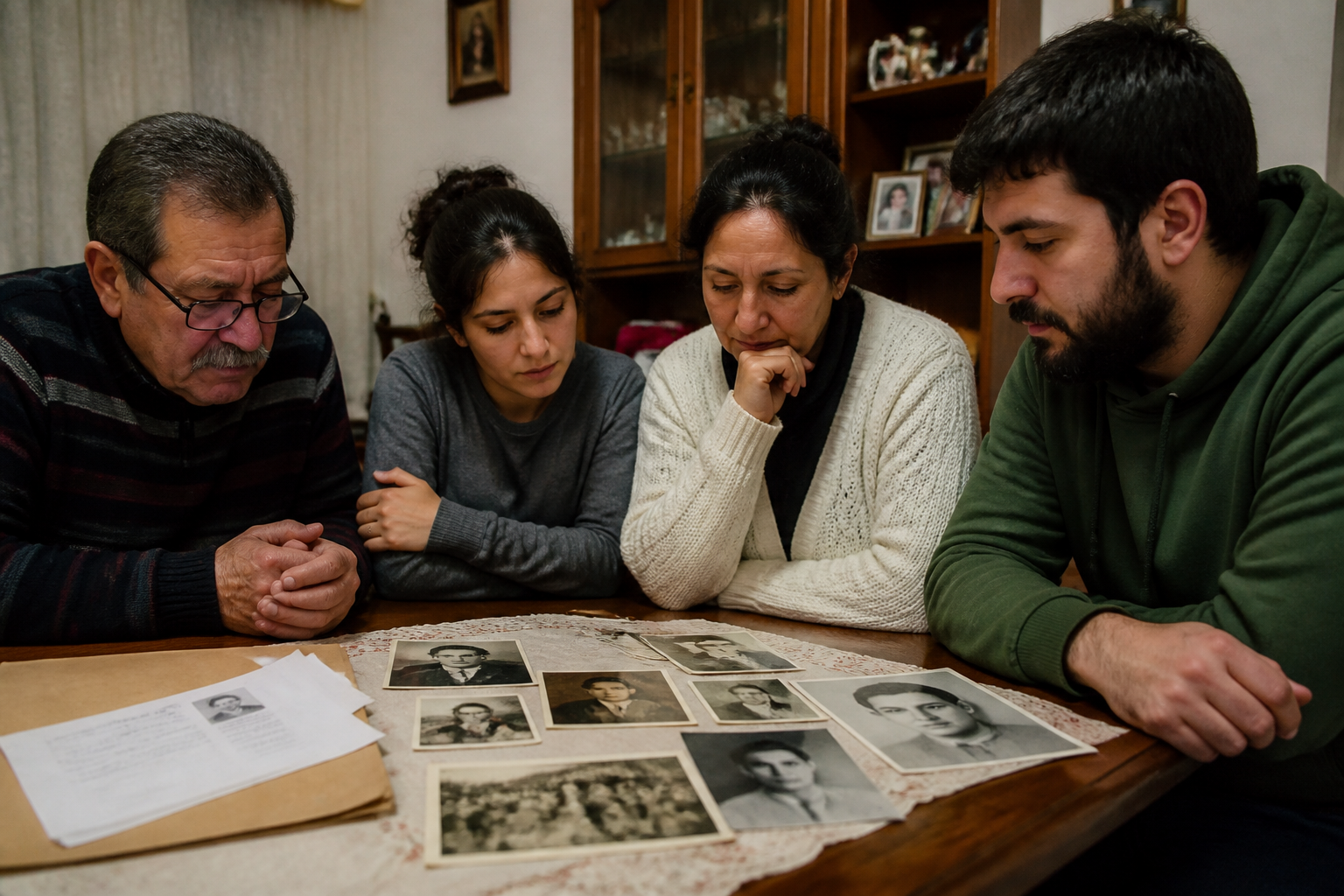
The first clue was not a confession or a dramatic reunion. It was a name on a record that did not belong where it appeared, and it sent one mother back into a search she thought had ended in grief. For 20 years, she believed her missing son was gone. Then a paper trail suggested he had been alive under a different identity all along.
Comments 0