U.S. Weighs Sweeping New Chip Export Controls—A Move That Could Reshape the Global Tech Industry
The United States is reportedly preparing a major new set of export restrictions on advanced semiconductor technology, a move that could significantly reshape the global artificial intelligence and computing industries.
According to reports, officials in the United States Department of Commerce are considering sweeping new rules that would expand restrictions on high-performance AI chips and related technologies. The measures could affect how American companies sell some of the world’s most powerful semiconductors abroad.
If implemented, the policy could escalate the ongoing technological rivalry between the United States and China—two global superpowers competing to dominate the next generation of computing and artificial intelligence.
The proposed export controls would represent one of the most aggressive efforts yet to limit access to cutting-edge computing hardware that powers AI models, data centers, and high-performance computing systems.
But beyond geopolitics, the move could also reshape supply chains, corporate strategies, and the future of global technology innovation.
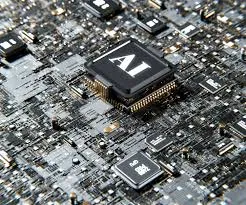
Why Semiconductor Export Controls Matter
Semiconductors are often called the “brains” of modern technology.
They power nearly every digital system, including:
-
Artificial intelligence models
-
Data centers and cloud infrastructure
-
Smartphones and laptops
-
Autonomous vehicles
-
Military defense systems
-
Scientific supercomputers
The most advanced chips are also extremely difficult to manufacture. Only a small number of companies worldwide possess the technology required to produce them.
Among the most influential semiconductor firms are:
-
Nvidia
-
Intel
-
Advanced Micro Devices (AMD)
-
Taiwan Semiconductor Manufacturing Company (TSMC)
These companies form the backbone of the global semiconductor ecosystem.
Because these chips power AI training and advanced computing, governments increasingly view them as strategic assets rather than just commercial products.
The Rising Global Race for AI Hardware
Artificial intelligence systems rely heavily on powerful chips capable of processing enormous amounts of data simultaneously.
Companies building advanced AI models require thousands of specialized processors working together inside massive data centers.
One company dominating this market is Nvidia, whose GPUs have become essential tools for training modern AI systems.
These chips enable the development of technologies such as:
-
Large language models
-
Autonomous vehicles
-
Medical research simulations
-
Financial market analysis tools
-
Advanced robotics
Because AI is widely viewed as the next technological revolution, control over the hardware powering it has become a geopolitical priority.
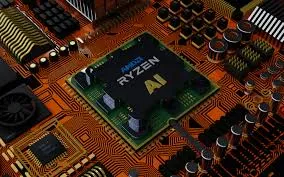
A Growing U.S.–China Technology Rivalry
The reported export controls are the latest chapter in an escalating technology competition between the United States and China.
Over the past several years, Washington has introduced multiple measures designed to limit Beijing’s access to advanced semiconductor technology.
These restrictions aim to prevent sensitive hardware from being used in military applications, intelligence systems, or advanced surveillance infrastructure.
Meanwhile, China has been investing billions into building its own domestic semiconductor industry in an effort to reduce reliance on foreign suppliers.
How the Proposed Restrictions Could Work
While details remain under discussion, the new export rules could expand existing restrictions on AI-related chips and semiconductor manufacturing tools.
Possible measures may include:
1. Tighter Performance Thresholds
Regulators could lower the technical thresholds that determine which chips require export licenses.
This means more advanced processors would fall under regulatory oversight.
2. Broader Geographic Restrictions
Export rules could apply to a wider group of countries or organizations considered strategic risks.
3. Expanded Oversight of Cloud Access
Some policymakers worry that foreign organizations can bypass chip restrictions by renting computing power from U.S. cloud providers.
New rules could address this loophole.
4. Restrictions on Semiconductor Equipment
Companies producing manufacturing equipment might face tighter controls on exporting tools used to produce advanced chips.
The Role of Semiconductor Manufacturing
The semiconductor industry is uniquely globalized.
Design, fabrication, and assembly are often spread across multiple countries.
For example:
-
Chip design may occur in the United States.
-
Fabrication may happen in Taiwan.
-
Packaging may take place in Southeast Asia.
This complex supply chain makes export controls difficult to implement without affecting global markets.
Even small regulatory changes can ripple across multiple industries.

Industry Concerns About New Restrictions
Technology companies are watching the potential rules closely.
Export controls can have significant financial implications for semiconductor firms that rely on international markets.
For example:
-
China represents a large share of global semiconductor demand.
-
AI chip exports generate billions in annual revenue.
-
Restrictions may reduce sales for U.S. manufacturers.
Companies such as Nvidia have previously had to redesign certain processors to comply with earlier export restrictions.
These modified chips were created specifically to remain within legal performance thresholds.
Why Governments Are Taking a Harder Line
From a national security perspective, policymakers believe advanced computing hardware could be used in ways that threaten global stability.
Potential applications include:
-
Military simulations
-
Autonomous weapon systems
-
Advanced cyber warfare tools
-
Surveillance and facial recognition systems
Because AI systems require enormous computational power, controlling access to high-performance chips has become a central strategy in technology policy.
The Role of AI in Military Strategy
Artificial intelligence is rapidly becoming a core component of modern defense strategy.
Military applications include:
-
Real-time battlefield data analysis
-
Autonomous drones
-
Cybersecurity monitoring
-
Logistics optimization
Governments worldwide are racing to integrate AI into their defense infrastructure.
As a result, advanced semiconductor technology has become closely tied to national security planning.
The Economic Impact of Export Controls
New semiconductor restrictions could have far-reaching economic consequences.
Potential impacts include:
1. Supply Chain Disruptions
Companies relying on global markets may need to adjust manufacturing strategies.
2. Higher Hardware Prices
Limiting supply could increase costs for AI chips.
3. Accelerated Domestic Investment
Countries affected by restrictions may invest more heavily in building their own chip industries.
4. Market Volatility
Technology stocks often react quickly to regulatory changes affecting semiconductor exports.
How China Is Responding
China has already begun taking steps to strengthen its domestic semiconductor capabilities.
The government has launched major initiatives to support local chip manufacturers.
These efforts include:
-
State-backed investment funds
-
Research grants
-
Manufacturing subsidies
While the country still relies on foreign technology in several areas, progress in chip development has accelerated significantly over the past decade.

The Global Semiconductor Supply Chain
The semiconductor industry depends on collaboration between multiple regions.
Key players include:
-
Taiwan — advanced fabrication
-
South Korea — memory chips
-
Japan — manufacturing equipment
-
Netherlands — lithography technology
One critical company is ASML, which produces extreme ultraviolet lithography machines used to manufacture the most advanced chips.
Without these machines, it becomes extremely difficult to produce cutting-edge semiconductors.
Hypothetical Scenario: How Export Rules Could Affect AI Development
Imagine a startup developing a new AI model that requires thousands of advanced GPUs.
If export restrictions limit where these chips can be sold, the startup’s ability to scale globally could be affected.
Alternatively, companies in restricted regions might need to:
-
Develop domestic chip alternatives
-
Use older hardware
-
Rely on cloud providers in compliant regions
Each option introduces new costs and challenges.
The Future of Technology Trade
Experts believe technology trade will become increasingly influenced by geopolitical considerations.
Historically, semiconductor commerce was largely driven by market demand.
Today, national security concerns are playing a much larger role.
Many analysts predict a future where global technology ecosystems become more fragmented, with separate supply chains emerging in different regions.
What Happens Next
The proposed export controls are still under discussion, and policymakers may modify them before final implementation.
Industry groups are expected to participate in consultations and provide feedback about potential economic consequences.
However, most analysts believe the general direction is clear: governments are becoming more aggressive about regulating advanced technology exports.
Final Thoughts
The reported plan for sweeping new semiconductor export controls highlights the growing strategic importance of advanced computing hardware.
Artificial intelligence, high-performance chips, and global supply chains are now deeply intertwined with geopolitics and national security.
If new restrictions are implemented, they could reshape the semiconductor industry, influence global AI development, and redefine how technology companies operate across international markets.
As the race for technological leadership accelerates, semiconductor policy is becoming one of the most powerful tools governments have to shape the future of innovation.
A Big Shift on Wall Street? The SEC Is Considering Ending Quarterly Earnings Reports

A Big Shift on Wall Street? The SEC Is Considering Ending Quarterly Earnings Reports
For decades, quarterly earnings reports have been a cornerstone of the American financial system.
Every three months, publicly traded companies release detailed financial statements that give investors insight into performance, growth, and future expectations.




Comments 0