Elvis Presley’s public image was built on swagger, speed, and spectacle, but the people around him often described a more complicated man. Behind the scenes, Elvis Presley could be funny, attentive, and generous, yet also guarded, erratic, and deeply dependent on the routines of his inner circle. The record left by musicians, employees, friends, and family does not support a single simple portrait.
The Elvis Presley who emerges from firsthand accounts is best understood as a performer who never fully left the stage. He could be warm in private and magnetic in a room, but he also lived under the pressure of constant fame and a tightly controlled environment. That tension shaped his work habits, his relationships, and the private world around him.
Elvis Presley behind the scenes at Graceland and on the road
Elvis Presley spent much of his adult life with a fixed circle of aides, musicians, and attendants, and their accounts show how closely managed his life became. His longtime Memphis home, Graceland, was both a family residence and a working base, with friends and employees moving in and out of the orbit around him. The routines there made him appear accessible to insiders, even when he was distant from the wider public.
People who worked near Elvis Presley often described a man who liked informality, late hours, and extended conversation. Those accounts also show that his schedule was shaped by nocturnal habits, performance demands, and the constant flow of visitors. The home life and work life were often blended together, which meant the private Elvis Presley was frequently still acting in the presence of others.
Readers looking for the documented contours of his world can also compare the Memphis base with the wider career context in Graceland and Elvis Presley. Those references help place the man behind the scenes in a larger public record that includes home, touring, recording, and posthumous memory.
Accounts from the road suggest that Elvis Presley could be cordial and playful with musicians while still expecting the atmosphere to revolve around him. Members of his touring band and backup singers remembered long rehearsals, sudden changes, and a strong reliance on familiar people. That dependence helped create the tight-knit feel many associates described.
At the same time, the touring environment could also become isolating. Elvis Presley often moved with an entourage that handled logistics, security, and access, which made his personal world smaller than his fame suggested. The result was a life that looked expansive to the outside world but felt narrowly managed from within.
Elvis Presley and the musicians who worked with him
Elvis Presley was a working musician first, and many of the clearest behind-the-scenes accounts come from people who stood beside him in studios and on stages. The early Memphis sessions at Sun Records, especially the recordings with Scotty Moore, Bill Black, and later D.
J. Fontana, established a pattern of collaborative spontaneity. Those sessions are well documented as places where ideas were tested quickly and performance mattered more than explanation.
The studio record shows that Elvis Presley listened closely to musicians he trusted. That mattered because his singing style drew on rhythm and blues, gospel, country, and pop, and he often responded to the feel of a song rather than to formal instruction. The reports from musicians do not portray a passive frontman; they describe someone who could shape a take by instinct and presence.
During the filming and recording of Elvis, the 1970s television special that later became known as Aloha from Hawaii is not the example here; instead, the surviving rehearsal footage and concert films from his later career show a star working with a larger group while still relying on instinct, timing, and the energy in the room. In those settings, Elvis Presley often appeared relaxed enough to joke, but the work still centered on getting the show right.
Sources such as Sun Records and Scotty Moore help ground that history in names and places that shaped his recording identity. The public image of an untouchable icon does not fully match the practical, collaborative man who had to make songs work take by take.
Elvis Presley also earned a reputation for being attentive to musicians whose contributions mattered to him. People around him have long said he knew the value of a strong backing group and could be appreciative when a performance or arrangement worked. That gratitude was not always dramatic, but it was part of the record.
Still, Elvis Presley’s working style could be uneven. Accounts from collaborators show that discipline and fatigue sometimes shaped his output, especially later in his career. He remained capable of focus and craft, but the pressures around him also became harder to ignore.
Elvis Presley as a generous employer and friend
Elvis Presley’s generosity is one of the most repeated themes in firsthand accounts, and it appears in small, practical stories rather than in abstract praise. Friends and employees have described gifts, help with expenses, and a habit of looking after people in his immediate circle. Those stories matter because they show a man who could respond personally to loyalty.
One well-known example involves Elvis Presley’s support for people around him during Christmas at Graceland, where gifts were distributed on a large scale. Such accounts fit a broader pattern: he liked to give, especially when he felt personally connected to the recipient. The pattern does not prove saintliness, but it does show a man who enjoyed being able to provide.
Some of the most reliable accounts of Presley’s generosity come from employees and close associates who saw day-to-day behavior rather than publicity moments. They often described a person who tipped, paid, or helped without making a formal show of it. Those actions built loyalty inside the circle that protected him.
His generosity was also shaped by power. Elvis Presley could give gifts because he was the center of a large operation, and his authority made those gestures meaningful in practical terms. That combination of kindness and control is one reason the behind-the-scenes record is more complicated than the simple legend of a carefree star.
Elvis Presley’s humor, playfulness, and private moods
Elvis Presley was widely remembered by people who knew him as funny and quick with impersonations, one-liners, and teasing. Those qualities often show up in accounts of his downtime, when the pressure of formal performance eased and he could amuse the people around him. Humor helped make his inner circle feel less like an entourage and more like a social room.
At the same time, Elvis Presley’s moods were not constant. Firsthand accounts describe shifts between sociability and withdrawal, energy and fatigue, engagement and distance. Those changes were part of the real person, not a flaw in the legend, and they made him harder to read than the stage persona suggested.
The balance between playfulness and seriousness also appears in the way people recalled him in private gatherings. Elvis Presley liked to entertain, but he was also a man aware of his own image and the expectations attached to it. That awareness could make him witty, but it could also make him guarded.
Public spectators often saw Elvis Presley as an unbroken stream of confidence, yet the private record suggests a more fragile rhythm. The demands of touring, media attention, and personal routine could leave him exhausted. Any serious portrait of Elvis Presley has to include those limits as well as his charm.
Elvis Presley’s relationships with family, Priscilla Presley, and Lisa Marie Presley
Elvis Presley’s family life has been heavily discussed, but only some parts are firmly documented. He married Priscilla Presley in 1967, and their marriage ended in divorce in 1973. Their only child, Lisa Marie Presley, was born in 1968, and those basic facts provide the frame for understanding his private domestic life.
Within that frame, the public record shows a household that was unusual even by celebrity standards. Elvis Presley’s career, travel, and nocturnal routine made ordinary domestic life difficult. The marriage and family dynamic were shaped by fame, separation, and the infrastructure that surrounded him.
Priscilla Presley’s memoir and later interviews have been widely read as part of the record, but they remain one perspective among several. Her accounts describe both affection and distance, and they are useful because they are among the clearest firsthand sources on home life. A factual profile should treat them as testimony, not as the whole story.
Lisa Marie Presley’s later reflections also kept Elvis Presley’s private side in public conversation, but they do not erase the complexity of the evidence. The historical record is strongest when it sticks to what is documented: a marriage, a daughter, a divorce, and a family life lived under extreme scrutiny. Anything beyond that should be treated cautiously.
Elvis Presley’s struggles, routines, and the limits of the myth
Elvis Presley’s private struggles are documented most clearly through the pressures of fame, the intensity of his work schedule, and the dependence of his inner circle on routine. He spent years inside an environment where access was controlled and expectations were constant. Those conditions can help explain why his private life looked so different from the easy confidence of his public image.
The record also shows a man whose later career was marked by inconsistency. Elvis Presley remained capable of commanding an audience, but the demands of repetition, travel, and performance took a toll. That is not speculation; it is the documented pattern visible in the contrast between his best live work and his later uneven output.
Descriptions of his private difficulties should be handled carefully because not every story in circulation is equally reliable. Public accounts often blur documented fact, personal memory, and myth, especially when they concern health, motives, or intimate behavior. A responsible profile should separate what is known from what is merely repeated.
What is known is enough to complicate the mythology. Elvis Presley was talented, funny, generous, and intensely human, but he also lived in a system that magnified his weaknesses and insulated him from ordinary life. The man behind the scenes was not a hidden saint or a secret disaster; he was a working performer whose fame changed every room he entered.
Elvis Presley’s legacy in firsthand memory
Elvis Presley’s legacy survives not only in recordings and films but also in the memories of the people who were closest to him. Those memories are varied because they come from musicians, employees, friends, and family members who saw different parts of the same life. Together they form a more credible portrait than any single myth.
The best-supported picture of Elvis Presley is of someone who could be deeply engaging in private, especially when music, humor, or loyalty were involved. He was also a man shaped by pressure, access, and isolation. That combination made him both approachable to insiders and unknowable to the public.
Elvis Presley remains one of the clearest examples of how celebrity can flatten a person into a symbol. The documentation suggests a more interesting truth: behind the scenes, he was not simply the King or a caricature of excess, but a gifted, contradictory man living inside his own legend.
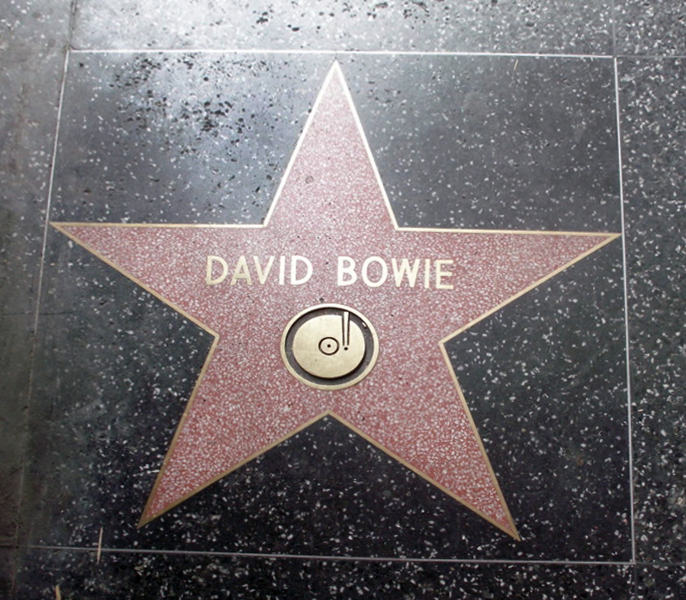
How David Bowie Reinvented Himself and Changed Music Forever

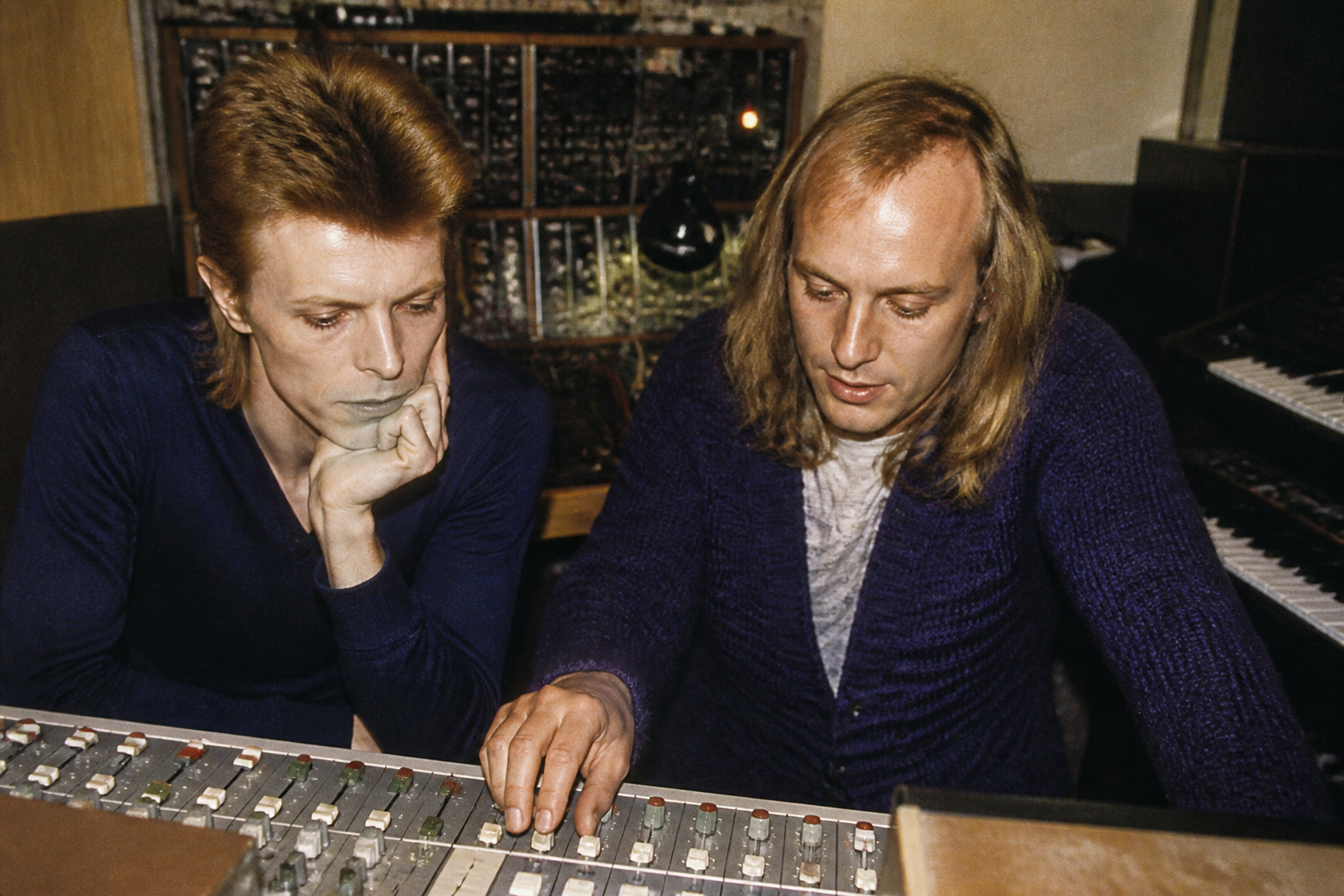
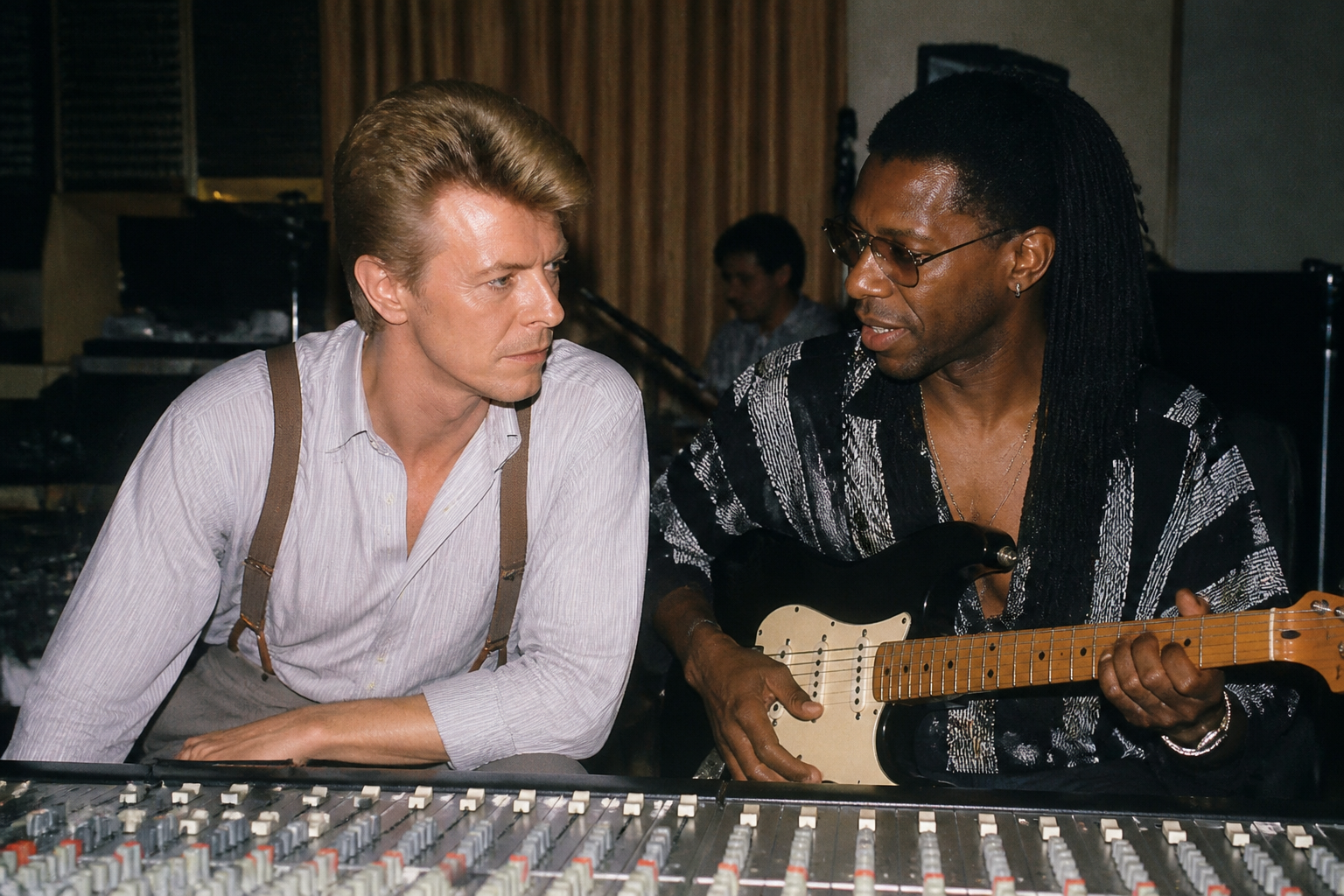
David Bowie made reinvention part of his artistic identity, and popular music has never quite looked the same. Across five decades, he treated image, sound, and performance as connected pieces of one creative vision. That approach made him one of the clearest examples of how a single artist could reshape an era without staying in one place for long.

Comments 0